
Are Speeches a Must at Weddings? Exploring Their Importance and Significance
Weddings are special occasions filled with joy, love, and memorable moments. When planning your big day, you might wonder if delivering speeches is really necessary. The truth is, speeches are not a must at weddings, but they can add a personal touch that many guests appreciate.
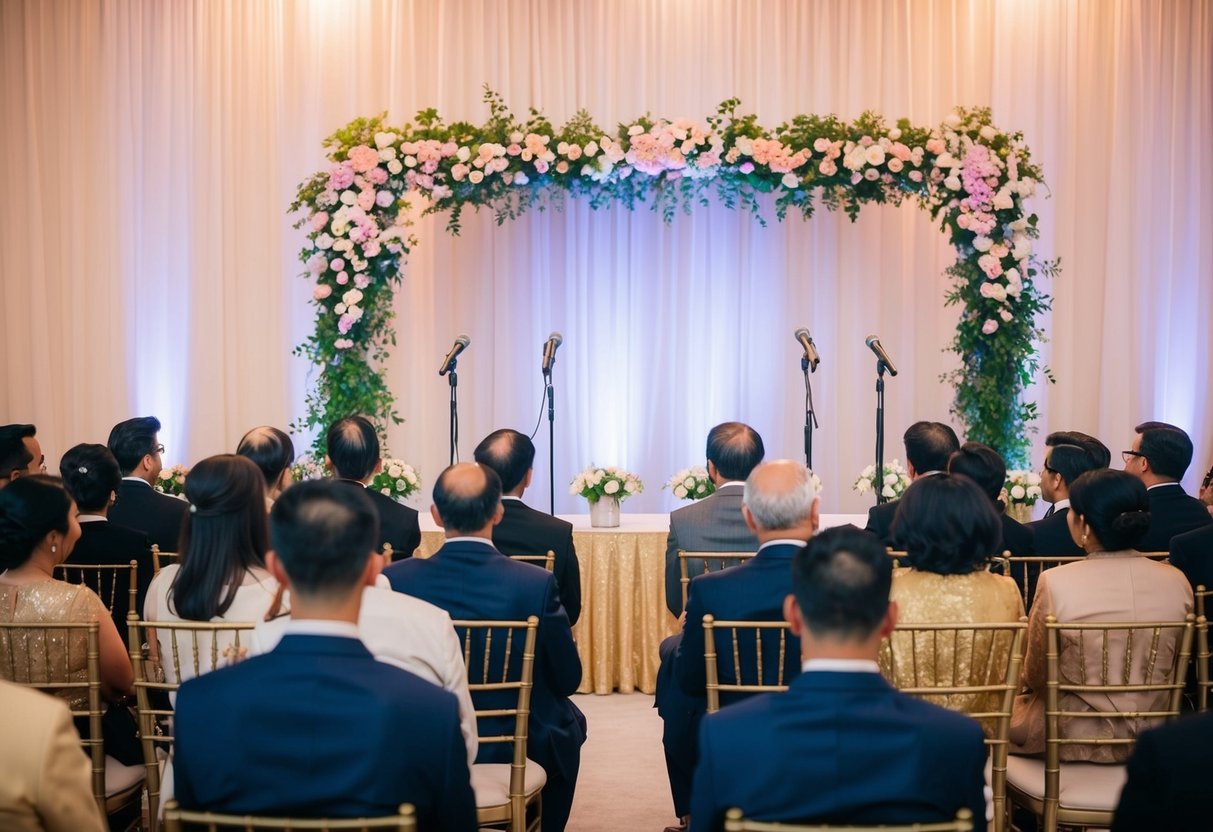
You may feel pressure to follow traditions, but it’s important to create a wedding that reflects your style. If public speaking isn’t your strong suit, don’t worry! Many couples are opting for alternatives that allow them to share their feelings without the stress of speaking in front of a crowd.
Whether you choose to include speeches or skip them altogether, the focus should always be on celebrating your love with family and friends.
So, let’s explore your options and see what feels right for your wedding day!
The Importance of Speeches in Wedding Celebrations
Speeches at weddings add a special touch to the celebration, connecting family and friends. They help express emotions and share personal stories that highlight the couple’s journey.
Understanding Wedding Traditions
Wedding speeches have deep roots in traditions. They often serve as a way to honor the couple and unite both families.
Common speech givers include:
-
Father of the Bride: Typically, this speech welcomes guests and shares fond memories. It expresses pride and love for his daughter.
-
Best Man: This speech often includes light-hearted stories and humor. It also highlights the groom’s qualities and their friendship.
-
Maid of Honor: This speech may share personal anecdotes about the bride and reflect on her journey.
These speeches help maintain traditions while allowing individual styles to shine through.
Roles and Responsibilities
It’s essential to know each person’s role when planning wedding speeches. Each speaker has specific responsibilities.
The father of the bride sets the tone for the event with a warm welcome. He might open with a few jokes or heartfelt words.
The best man has the chance to make guests laugh while sharing meaningful moments. This speech can balance humor with sincere wishes for the couple.
The maid of honor often speaks next, providing a personal view of the bride. This is a chance to celebrate their friendship and share memorable stories.
Understanding these roles helps everyone feel prepared and makes the event more memorable.
Anatomy of a Great Wedding Speech
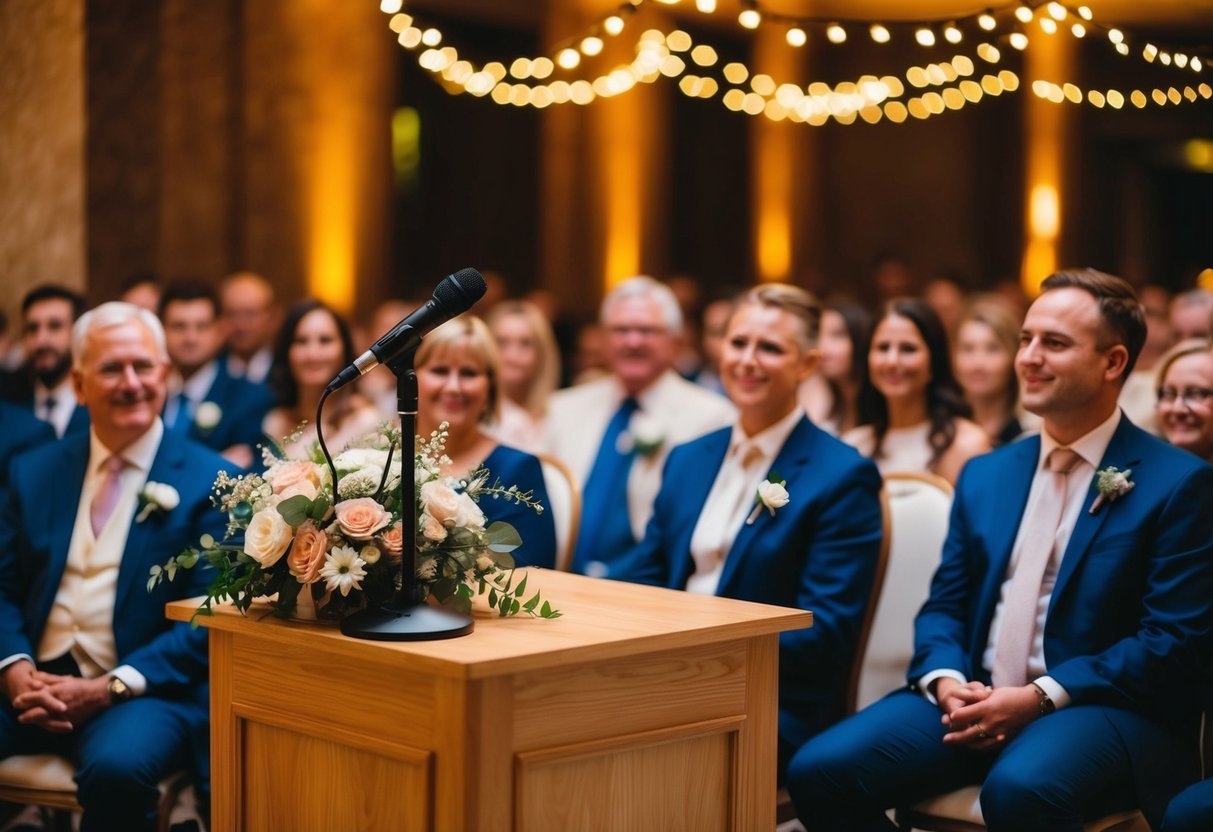
Creating a memorable wedding speech requires attention to structure and engaging content. You want to connect with the audience and celebrate the couple at the same time. Here are key elements to consider.
Structure and Content
A well-structured speech keeps your audience engaged. Start by introducing yourself and your relationship to the couple. This sets the stage.
Next, include a few heartfelt stories. Maybe share a funny or touching moment about the bride or groom, particularly if you’re the maid of honor or best man.
Make sure your speech addresses both partners. It is respectful and brings balance to your words.
Conclude with a toast to the couple’s future together. Aim to keep your speech between three to five minutes. This length is ideal for holding the audience’s attention.
Making It Memorable
For your speech to stand out, think about what makes the couple special. Use anecdotes that reflect their personality and love story. Whether you are giving a father of the bride speech or a groom speech, personalize it with unique touches.
Feel free to incorporate humor, but be careful not to offend. Humor can lighten the mood and make your speech enjoyable.
Finally, practice your delivery. The more comfortable you feel, the more genuine your speech will come off. Embrace the moment and let your love for the couple shine through.
The Order of Speeches and Toasts
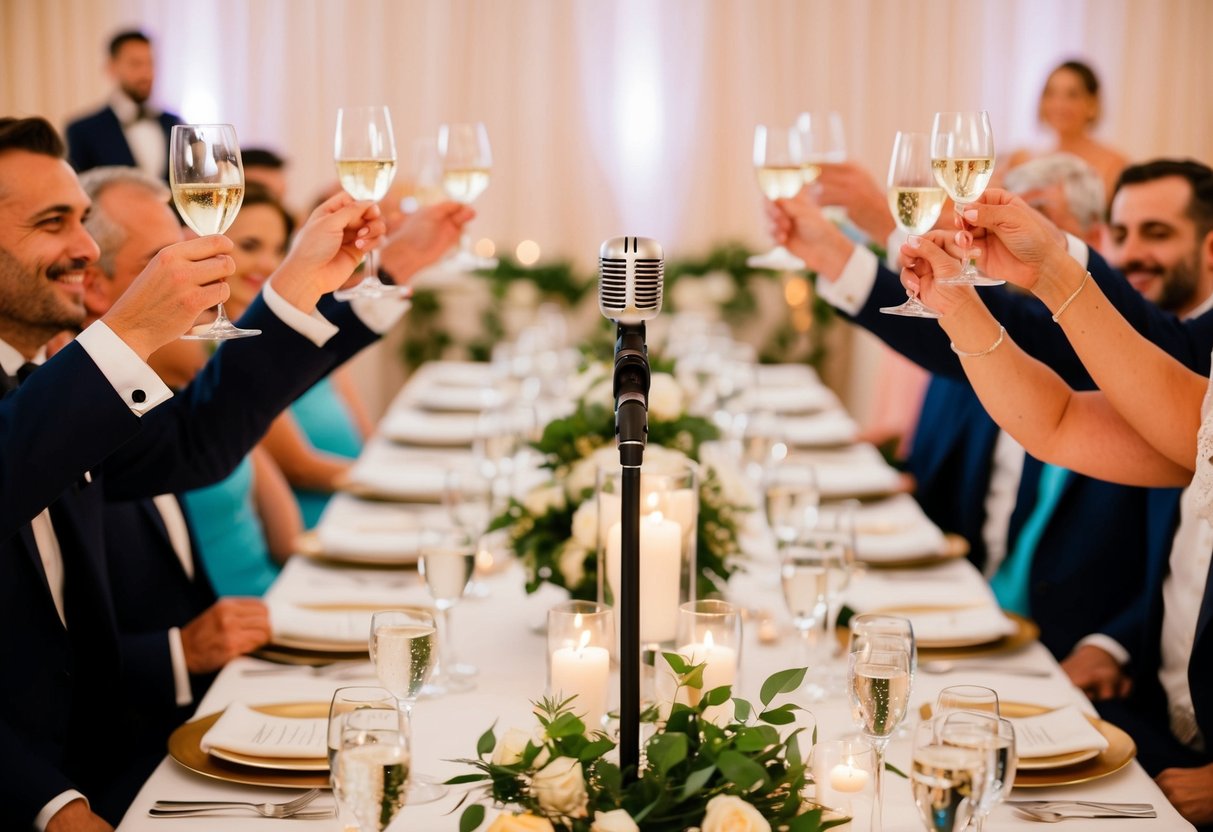
Knowing the order of speeches and toasts at a wedding helps everything flow smoothly. Each speech serves a purpose and adds to the celebration. Whether you follow tradition or put a personal twist on the schedule, it’s essential to create a memorable experience for everyone.
Traditional Wedding Speech Order
The traditional wedding speech order often begins with the father of the bride. He usually shares heartfelt stories and welcomes guests.
Next, it’s the groom’s turn, where he thanks everyone and may mention his new spouse. Often following him is the best man, who shares light-hearted anecdotes and gives a toast.
After these main speeches, the floor may open for other toasts from family and friends. This order is effective because it creates a narrative that connects the speakers to the couple. Familiarity within this structure can comfort both speakers and guests during the wedding reception speeches.
Modern Variations and Flexibility
Today, many couples choose to personalize their wedding speech order. This might include having both partners speak, especially in LGBTQ+ weddings, where both may share their stories.
The modern wedding speech order can allow for speeches from parents, friends, or even the couple themselves.
You could also invite members of the wedding party to share their thoughts. This flexibility can create more heartfelt moments and strengthen bonds between everyone in attendance.
Discussing your plan with the speakers ahead of time ensures everyone knows when to jump in and keeps the event organized and enjoyable.
Maximizing Your Wedding Reception Timeline
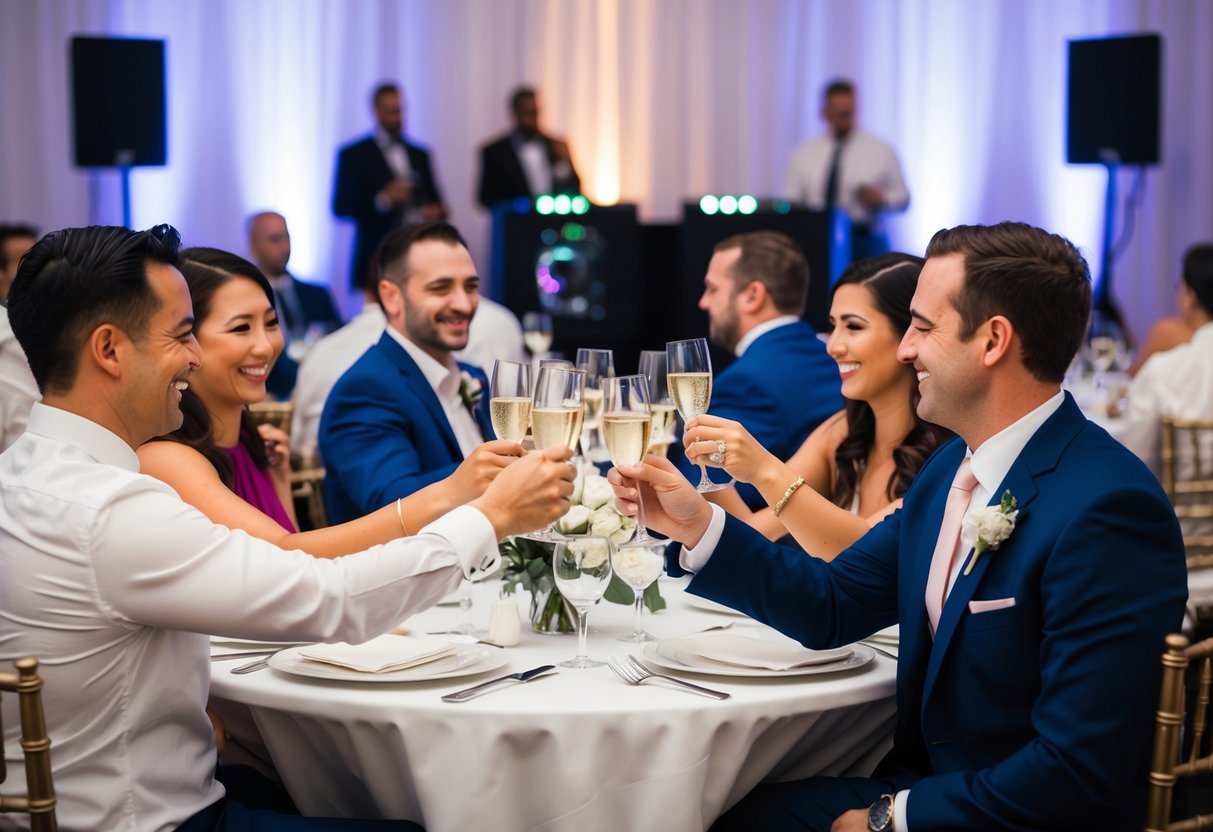
Creating a smooth timeline for your wedding reception is essential for a memorable celebration. Balancing important moments, like speeches, with fun festivities helps keep the atmosphere lively while honoring key people in your life.
Incorporating Speeches into the Celebration
To make the most of your wedding reception timeline, place speeches at strategic points.
A common approach is to schedule them before dinner or during cocktail hour. This allows guests to enjoy them while still feeling fresh.
You can include speeches from the wedding party, family members, and even friends. Here’s a simple list to consider:
- Welcome Speech: Typically given by the Master of Ceremonies to greet guests.
- Blessing: A heartfelt moment, often shared before the meal.
- Groom’s Speech: This is your chance to express gratitude and share stories.
Keep your speeches brief, around 2-3 minutes each. This keeps guests engaged without dragging out the event.
Coordination with the Master of Ceremonies
Your Master of Ceremonies plays a vital role in ensuring everything runs smoothly. So, work closely with them to establish the order of speeches and other activities.
This allows you to create a natural flow throughout the night. Make sure your MC knows who will speak, and in what order.
Communicate any essential details like song requests or special announcements so they can incorporate them seamlessly. Also, discuss timing to avoid overlaps with meals or dancing.
This way, your guests can enjoy each moment without waiting too long between speeches and activities. A well-coordinated timeline helps everyone feel included, especially during important speeches.