
Are Wedding Bands Supposed to Be Expensive? Understanding the Costs of Commitment
When it comes to wedding bands, you might wonder about their cost and what it means for your commitment. Wedding bands can range from modestly priced to quite expensive, but the most important factor is what feels right for you and your partner. The price of the ring doesn’t necessarily reflect the love and promise it symbolizes.
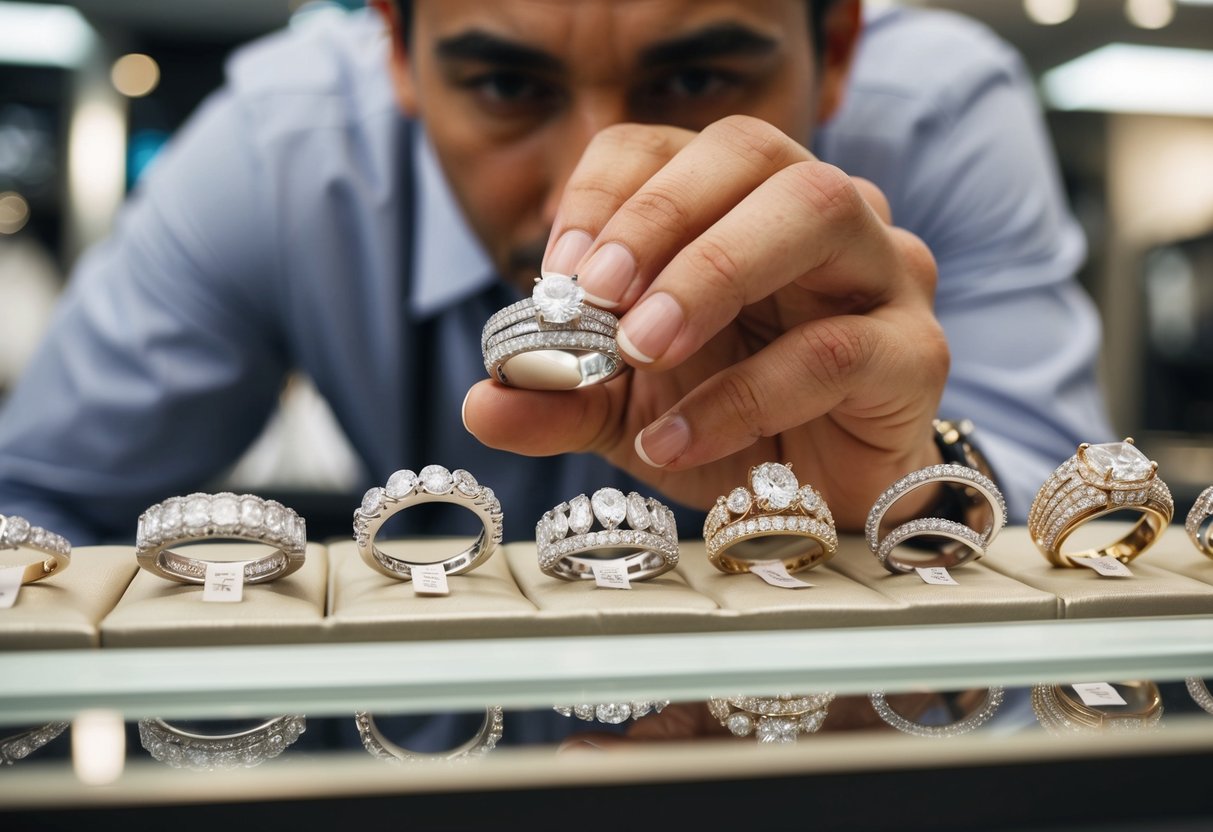
Ring shopping can be both exciting and daunting. There are countless styles, materials, and price points to consider. What you choose should resonate with your personal taste and budget. Ultimately, it’s about representing your unique commitment rather than fitting into a specific price bracket.
As you explore different options, remember that the best wedding band is the one that speaks to your story. Whether you opt for a vintage design or a sleek modern look, the value lies in the meaning behind it, not just the price tag.
Understanding Wedding Band Costs
When choosing a wedding band, knowing what to expect in terms of cost is important. Several factors affect the price you will pay, including the materials used and the complexity of design. Here’s a closer look at what you might spend on a wedding band.
Average Cost of Wedding Bands
The average cost of wedding bands can vary widely. For women, plain gold wedding rings typically range from $250 to $1,500. However, if you choose a design with diamonds or other gemstones, the price can jump significantly.
For men, simple bands start around $500 and can go higher based on the material and design. Meanwhile, platinum wedding rings usually cost more than gold, often starting from $1,000 to $2,500 due to its rarity and durability.
Factors Influencing Cost
Several factors influence the cost of wedding bands. The type of material used is one of the biggest. Gold comes in different purities (like 10K, 14K, and 18K), which affects the price. Higher purity generally means a higher cost.
Platinum is more expensive than gold because it is rarer and more durable. Additionally, the complexity of the design plays a role. Intricate designs or those with added gemstones can drive the cost up.
Lastly, brand and retailer also matter. Some designers charge more for their name, while others offer great options at various price points.
Choosing the Right Metal Type
Selecting the right metal for your wedding band is a key decision. Each metal has its unique qualities, which can affect its appearance, durability, and cost. Here’s a closer look at some popular options and their advantages and drawbacks.
Popular Metal Options
-
Gold
- Yellow Gold: Classic and timeless, it’s often pure and looks great.
- White Gold: Has a modern touch and is coated with rhodium for a shiny finish.
- Rose Gold: With its pink hue, it adds a romantic feel.
-
Platinum
- Extremely durable and has a luxurious look.
- More expensive than gold, but lasts longer.
-
Titanium
- Lightweight and very strong.
- Affordable and great for active lifestyles.
-
Tungsten
- Known for its scratch resistance and heaviness.
- Available in various finishes but can’t be resized.
-
Cobalt
- Has a bright finish similar to white gold.
- Highly durable and not as costly as platinum.
-
Stainless Steel
- Very affordable and resistant to tarnishing.
- A practical choice, though it lacks the luxurious look.
-
Sterling Silver
- A budget-friendly option that looks stylish but requires regular maintenance to prevent tarnish.
Pros and Cons of Each Metal
-
Gold
- Pros: Traditional, widely available, varies in karats.
- Cons: Can scratch easily and is more costly, especially in higher karats.
-
Platinum
- Pros: Extremely durable, hypoallergenic.
- Cons: Higher price point.
-
Titanium
- Pros: Affordable, strong, lightweight.
- Cons: Limited design options and hardness can make resizing tricky.
-
Tungsten
- Pros: Resists scratches well and is affordable.
- Cons: Heavy and can’t be resized.
-
Cobalt
- Pros: Durable, similar look to white gold, and more affordable.
- Cons: Limited color options.
-
Stainless Steel
- Pros: Low cost, very durable, easy to care for.
- Cons: Lacks the prestige of precious metals.
-
Sterling Silver
- Pros: Elegant appearance and budget-friendly.
- Cons: May tarnish and needs maintenance.
Maximizing Value Within Your Budget
Finding a wedding band that fits your style and budget is essential. By focusing on the right choices, you can maximize the value of your purchase without overspending. Here are some ways to navigate costs effectively.
Balancing Cost and Quality
When considering how much to spend on wedding rings, it’s vital to balance cost with quality. Start by setting a clear wedding budget for your rings. This helps you avoid overextending yourself.
Material Matters:
Choose materials wisely. Plain wedding bands are often more affordable than those with intricate designs or gemstones.
Lab-Grown Diamonds:
Consider lab-grown diamonds. They can offer a stunning look at a lower price than natural diamonds.
Finally, shop around and compare prices from different retailers. Knowing the average wedding ring cost in your area can guide your decisions.
Tips for Cost-Effective Purchases
When looking for custom rings or any wedding band, consider these tips for a smarter purchase.
Set a Budget:
Be firm with your budget. This will help you focus on options that truly fit your financial plans.
Look for Sales:
Take advantage of seasonal sales or find stores that offer discounts on wedding bands.
Less is Often More:
Sometimes, a simpler design can highlight beauty without excessive costs. You might find a plain wedding band that resonates with your style and budget.
Repurpose Jewelry:
If you have family heirlooms, repurposing older jewelry can save money while creating a unique piece.
Maintaining Your Wedding Bands
Taking good care of your wedding bands is important to keep them looking beautiful and lasting a lifetime. Regular maintenance can prevent damage and keep your rings sparkling. Here are some tips to help you maintain your wedding bands.
Care and Maintenance Tips
-
Routine Cleaning: Clean your wedding band regularly with warm, soapy water and a soft brush. This removes dirt and oils that can dull its shine.
-
Avoid Sleeping with Rings: You should take off your rings before bed. Sleeping in them can cause wear and tear, especially on more complex designs with settings and stones.
-
Resizing Considerations: If your ring feels tight, consider having it resized. A comfortable fit lets you wear it daily without worrying about damage.
-
Professional Maintenance: Schedule periodic check-ups with a jeweler. They can check for loose stones and offer re-plating services every few years, which helps restore your ring’s luster.
-
Store Safely: Keep your wedding band in a lined jewelry box or pouch. This protects it from scratches and other damage when not worn.