
Are Wedding Rehearsals Formal? Understanding the Etiquette and Expectations
Planning your wedding comes with many traditions, and one question that often arises is about the formality of the wedding rehearsal. Wedding rehearsals can be formal, but they often lean toward a more casual atmosphere compared to the big day. Understanding this difference can help you decide what style fits your event best.
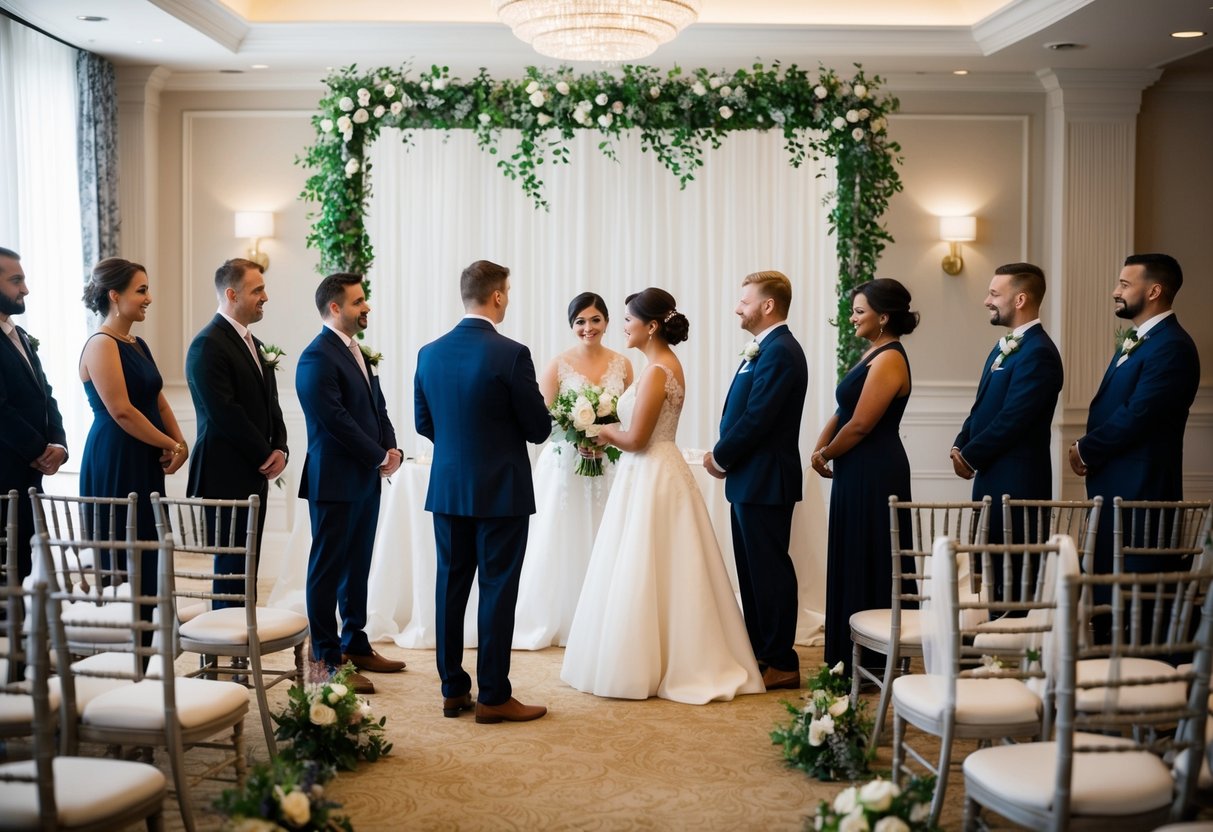
Your wedding rehearsal is primarily about practice and preparation, not just a formal sit-down dinner. Many couples opt for a relaxed gathering to ease any pre-wedding jitters and welcome guests, especially if they are traveling from afar. This can be a great opportunity to bond with your bridal party and family before the ceremony.
As you navigate wedding planning, consider how formal or informal you want your rehearsal to be. Choosing the right setting can set the tone for your celebration and ensure everyone feels comfortable and ready for the ceremony.
Understanding Wedding Rehearsals
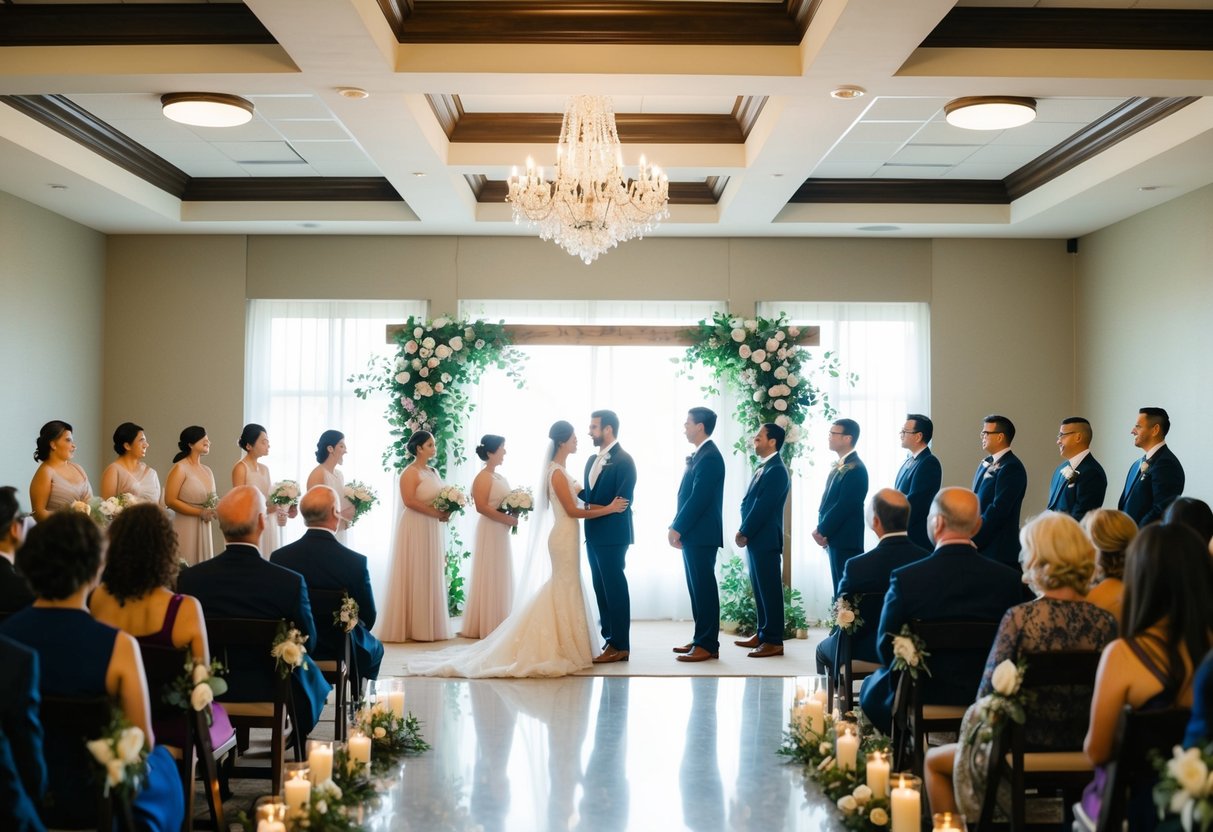
A wedding rehearsal is an important practice session that helps everyone involved in the ceremony understand their roles and the event’s flow. Knowing these details ensures your big day goes smoothly and comfortably for everyone.
Purpose and Participants
The main purpose of a wedding rehearsal is to familiarize all participants with the ceremony. It typically includes the officiant, wedding party, and anyone else who plays a role, such as family members.
Key participants often involve groomsmen, bridesmaids, the maid of honor, as well as the ring bearer and flower girl. Each person practices their positions and movements to make the processional seamless. This practice helps everyone feel confident and reduces any nervousness.
Rehearsal Structure and Activities
During the rehearsal, you can expect a structured run-through of the ceremony. The rehearsal coordinator, often the maid of honor or a trusted friend, may lead the session.
Activities include walking down the aisle, where each member practices their cues. You’ll go over key moments, such as when to hand over the rings or when to stand up and sit down.
Don’t forget to communicate any specific instructions to your wedding party. This ensures everyone understands their roles, making the rehearsal less stressful. Overall, this time helps everyone feel prepared and connected for the special day ahead.
The Rehearsal Dinner
The rehearsal dinner is an important pre-wedding event that brings together family and close friends. This gathering allows everyone to relax and enjoy themselves before the big day. Below are key details to help you plan and ensure everything goes smoothly.
Planning the Event
When planning your rehearsal dinner, choose a venue that reflects your style. It can be anything from a casual dinner at a favorite restaurant to a more elegant space.
Consider inviting your wedding party, immediate family, and out-of-town guests. Make a guest list early on to avoid last-minute stress.
Remember to send out rehearsal dinner invitations. They don’t need to be as formal as wedding invites but should match the tone of your wedding.
Discuss with the people involved who will help plan and pay for this event, traditionally organized by the groom’s family.
Etiquette and Traditions
Rehearsal dinner etiquette is fairly straightforward. It’s a time for speeches, toasts, and bonding.
As the host, you should welcome guests and thank everyone for their involvement in the wedding.
Traditionally, the rehearsal dinner follows the ceremony rehearsal. You could plan a relaxed dinner with food that everyone enjoys. This event is perfect for sharing stories and making memories.
Be sure to consider everyone’s dietary needs when choosing the menu. Remember, this gathering is about celebration and togetherness. Keep your tone friendly and inviting so everyone feels included in the festivities.
Day of the Wedding Preparations
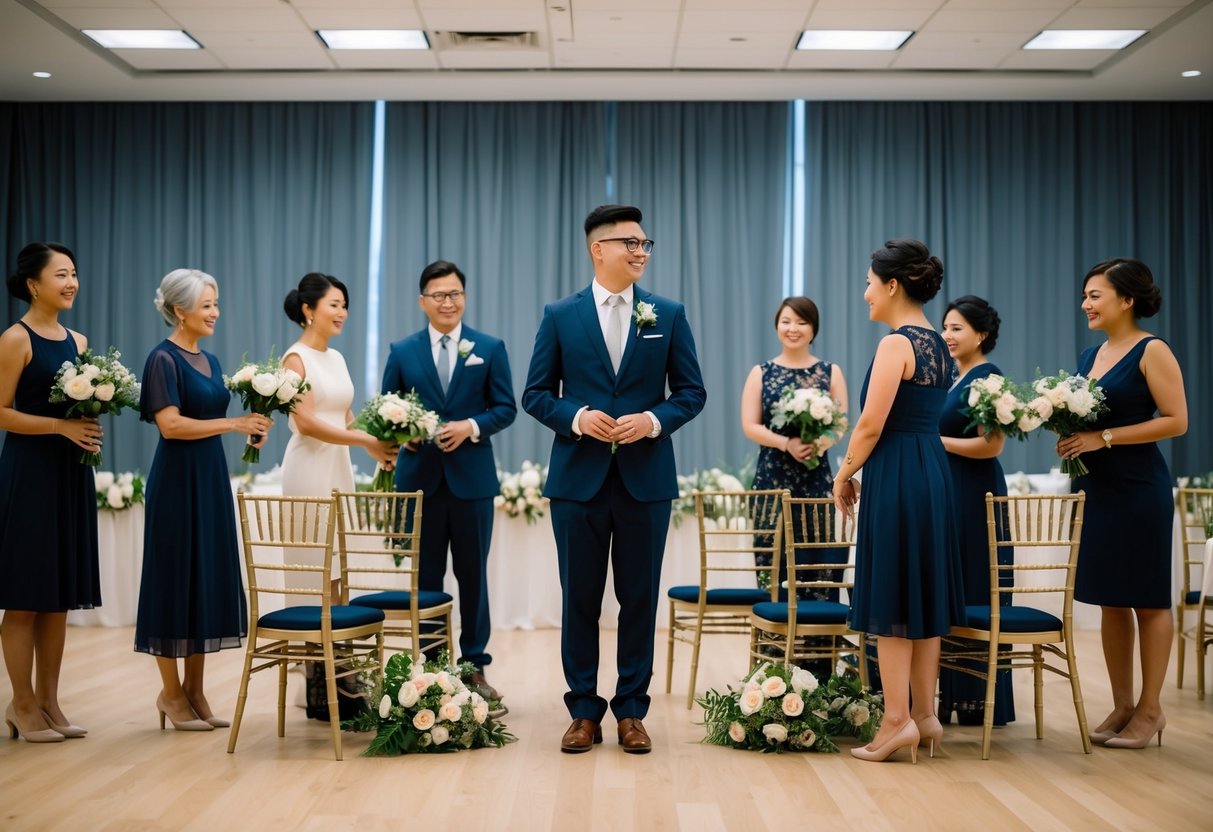
On the day of your wedding, you will focus on important final details and make sure everyone knows their roles. This ensures a smooth ceremony and a joyful celebration ahead.
Finalizing Ceremony Details
The wedding venue is where everything unfolds, so check in with your wedding planner to confirm all arrangements.
Verify the setup with the officiant to ensure the ceremony flows as planned. Make sure to review the guest list and confirm attendance.
This helps the ushers in seating guests comfortably and assists in any last-minute adjustments.
Don’t forget to coordinate with the bridal party. Discuss the choreography for the processional and recessional, so everyone knows when to walk and where to stand. Clear communication will keep everything on track.
Roles and Responsibilities
Knowing who does what on the wedding day is essential. The wedding planner will guide tasks, while the officiant handles the ceremony.
Your bridal party should be familiar with their roles so they can offer support.
Ushers greet guests, help them find their seats, and make sure everything runs smoothly. Make sure they know the seating plan and any specific duties.
Discuss these responsibilities during the rehearsal dinner. This way, everyone feels confident and ready for the big day.
Clear roles will help ease your stress and create a joyful atmosphere for you and your guests.