
Are You Supposed to Feed Your DJ? Understanding the Etiquette of Entertaining Musicians
As your big day approaches, questions about wedding etiquette can pile up. One common concern is whether you need to feed your DJ. Most experts agree that if your DJ is working for several hours, especially during setup or teardown, it’s courteous and often expected to offer them a meal.
This small gesture can go a long way in ensuring they are energized and ready to keep the party going.

Understanding vendor needs can help create a smooth celebration. Many DJs and their teams arrive early and stay late, making it important to consider their comfort during long hours.
Offering food is not just about etiquette; it also shows appreciation for their hard work.
In this article, you will discover the ins and outs of feeding your DJ, including what to provide and the best practices to follow. This will help you feel confident as you finalize your wedding plans.
Understanding the Role of a DJ at Your Wedding
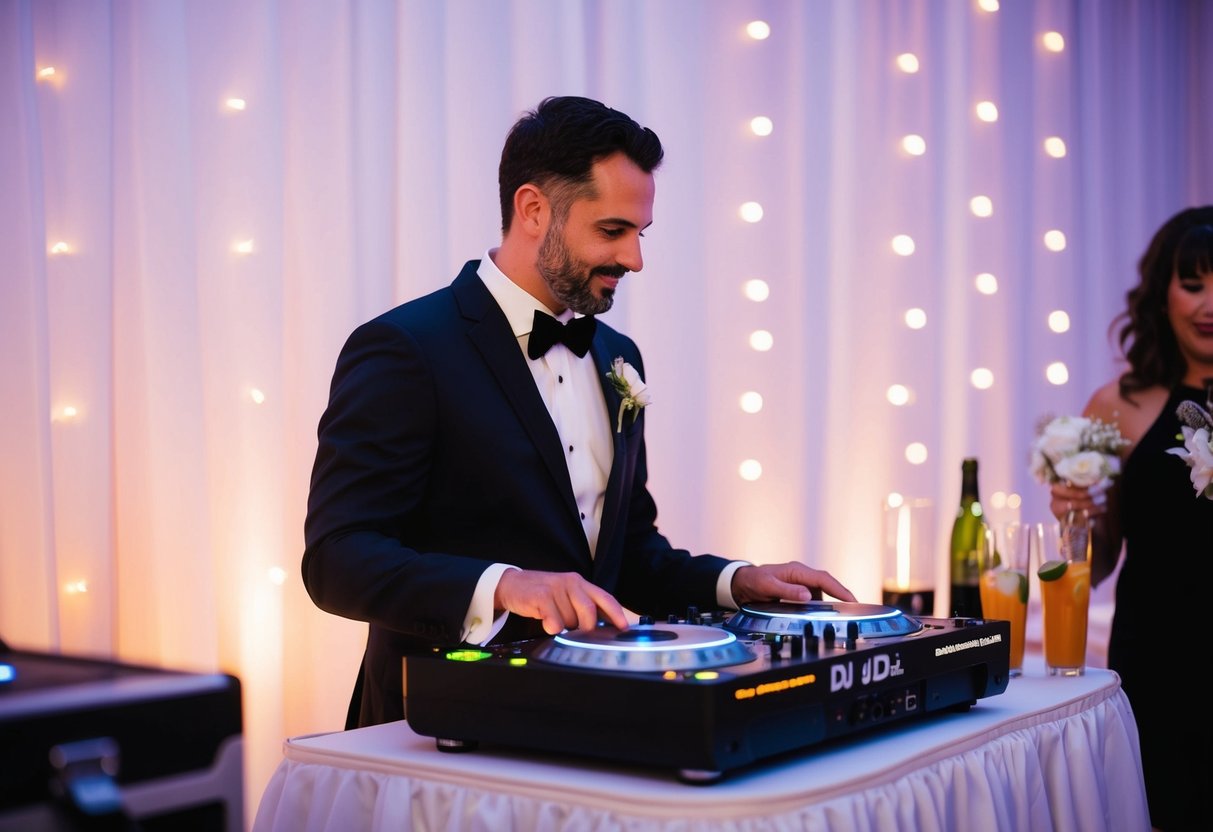
A wedding DJ plays an important part in your special day. They not only provide music but also help create an enjoyable atmosphere for you and your guests. Let’s look closely at what a wedding DJ does and how they compare to live bands.
Defining the Job of a Wedding DJ
A wedding DJ is responsible for setting the mood with music throughout your event. They curate playlists that match different moments, from the ceremony to the reception.
DJs can read the crowd and adjust the music accordingly to keep everyone engaged and dancing.
In addition to music, a DJ often acts as the emcee. This means they’ll announce key events, like the couple’s entrance, speeches, and special dances. It’s their job to keep the event flowing smoothly.
Many DJs also bring their own equipment, which can save you the hassle of renting sound systems. Before the wedding, you can discuss your preferences, including specific songs and styles. This ensures that the music reflects your taste and fits the theme of your wedding.
Comparing DJs and Live Bands
When choosing between a DJ and a live band, consider what fits your style and budget. A DJ can often provide a wider selection of music and handle requests from guests more easily. They usually have access to a large library of songs that can cater to various tastes.
On the other hand, live bands offer a unique experience and can create a lively atmosphere with their performances. Bands can engage directly with guests, providing an interactive experience.
Cost is also an important factor. DJs generally have lower fees compared to live bands. However, many couples appreciate the energy and ambiance a band brings to the celebration. Ultimately, it depends on your preferences and what you envision for your big day.
Wedding Vendor Meals Explained
When planning your wedding, feeding your vendors is an important aspect that can show appreciation for their hard work. Here’s what you need to know about vendor meals and the etiquette involved in feeding your wedding professionals.
What Are Vendor Meals?
Vendor meals are meals provided to the professionals who work at your wedding. This includes your DJ, photographer, planner, and other essential staff who are on-site throughout your celebration.
Many caterers offer a special “vendor meal” option at a lower cost, which usually includes simpler or smaller servings of the same food being served to guests. It’s a good way to save on costs while ensuring your team is nourished during the long hours they dedicate to your event.
These meals can include anything from a buffet-style meal to boxed lunches, depending on your wedding’s style and your caterer’s offerings. Remember to communicate your plans with your caterer to ensure everyone’s needs are met.
The Etiquette of Feeding Your Wedding Professionals
Feeding your wedding vendors is not just a nice gesture; it’s also considered a standard part of wedding etiquette. Since these professionals work hard to make your day special, providing meals is a way to show your gratitude.
Typically, if you have a vendor table set up, this is where they can have their meal. You should also consider inviting your officiant to dine with your vendors, as this is often seen as courteous.
Make sure to check with your wedding planner to understand the needs of each vendor. It’s best to have snacks and drinks available, especially for those who are on-site for several hours. Keeping everyone energized can help ensure a smooth and successful celebration.
Planning and Communication with Vendors
Effective planning and clear communication are essential when working with your vendors. By coordinating with your caterer and discussing dietary restrictions, you can ensure everyone, including your DJ, is well taken care of on your special day.
Coordinating with Your Caterer
When planning your wedding, it’s important to have a conversation with your caterer about vendor meals. Most caterers offer vendor meal options, which can be simpler yet satisfying.
You might find that they provide cold boxed meals or meals similar to what your guests will enjoy.
Be sure to ask your caterer how many vendors they will need to prepare meals for. This includes your photographer, videographer, and any other help on-site. It’s best to communicate this ahead of time, so you don’t underestimate the number of meals required.
Don’t forget to confirm the meal times with your caterer. Timing is essential to keep everything flowing smoothly during your event.
Communicating Dietary Restrictions
Discussing dietary restrictions with your vendors is crucial. You want to ensure that everyone, including your DJ and other members, has food options that suit their needs.
Start by asking each vendor about any dietary preferences or restrictions they may have.
Once you know the dietary requirements, share this information with your caterer. This will help them prepare meals that meet everyone’s needs.
For example, if you have vendors who are vegetarian or have food allergies, be sure those details are noted.
Keeping this communication open shows you care about your vendors. It not only makes them feel appreciated but also helps them perform better, ensuring your day runs without a hitch.
Logistics and Considerations for Feeding Your DJ

Feeding your DJ is an important detail that can make your wedding run smoothly. With the right planning, you can ensure your DJ stays energized and focused, enhancing the overall experience for your guests.
Deciding to Feed the DJ
You might wonder if you should feed the DJ at your wedding. Generally, if your DJ will be working for several hours, it’s best to provide a meal. Most professionals appreciate this consideration since they won’t have time to leave for food.
Confirm with your DJ whether meal arrangements are part of your contract.
A good rule of thumb is to provide meals for any additional crew members too. Remember to include vegetarian or special dietary options if needed. Feeding the DJ shows appreciation and can boost their performance during your event.
Venue and Timing for Vendor Meals
Choosing the right time and place for your DJ’s meal is crucial. Coordinate with your venue to determine where vendors can eat without disrupting the event.
Ideally, vendors should have access to meals during the reception when guests are dining.
Set aside a separate table for the DJ and their team. This creates a space where they can recharge without causing any interruptions.
Check if your venue provides meals for vendors or if you need to arrange catering separately. Having a clear plan allows your DJ to be ready to keep the dance floor lively and fun.