
Average Videographer Cost Wedding: Prices and Packages
The average wedding videographer cost in the United States is about $2,300, with many couples paying $1,000 to $4,000 for professional coverage. Premium cinematic packages can reach $5,000 to $10,000 or more when they include multiple videographers, extended films, drone footage, and faster delivery.
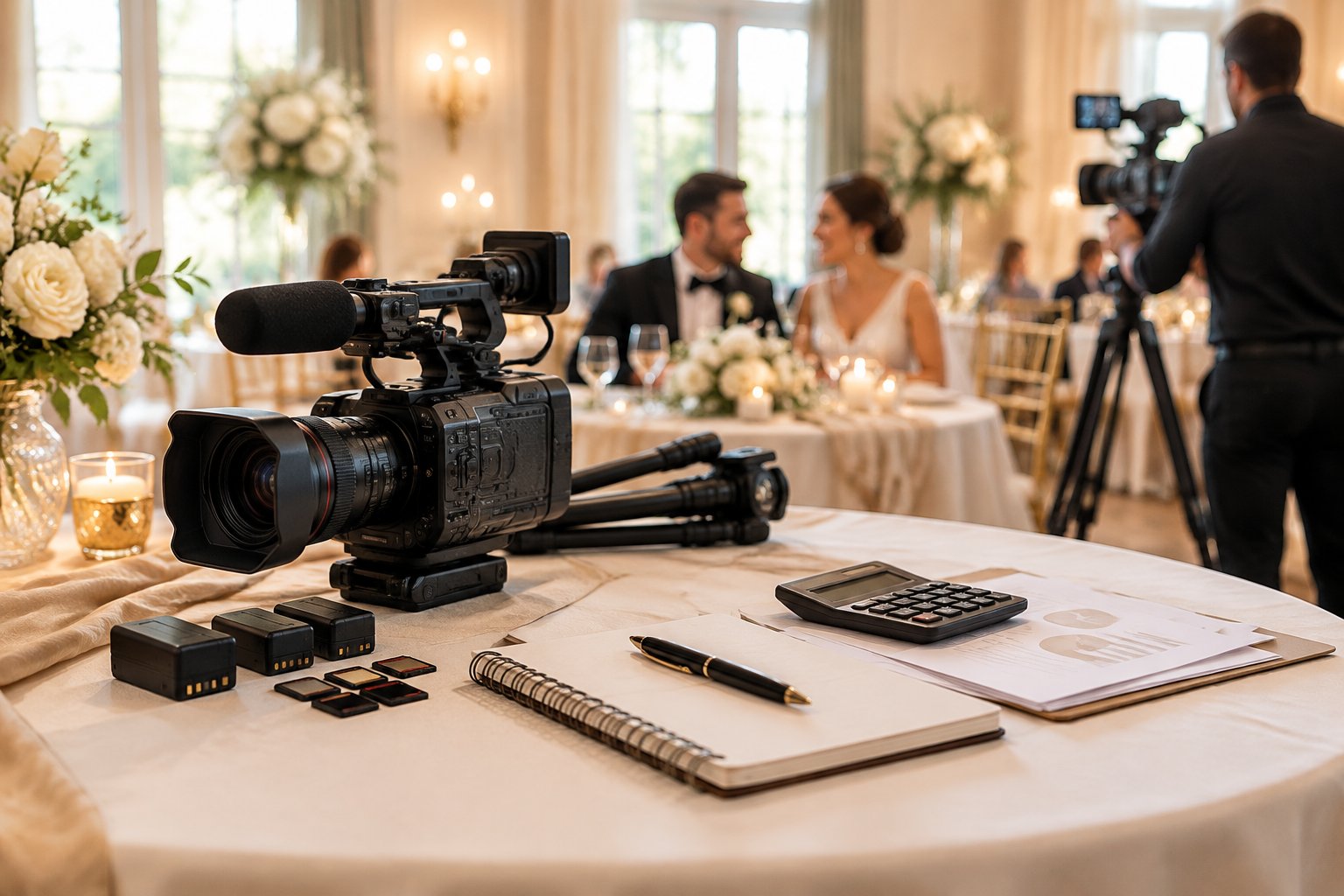
Your final price depends on the wedding videographer’s experience, coverage hours, location, editing style, and included deliverables. National figures from sources such as The Knot Real Weddings Study and the Zola Wedding Cost Index offer useful benchmarks, while your local quotes reveal what wedding videography costs in your area.
A wedding video preserves vows, speeches, voices, movement, and small moments that photographs cannot record. Set your target budget first, then contact videographers whose packages match the moments you want to remember.
What Is a Realistic Price Range?
A realistic wedding videography cost is $2,000 to $4,000 for solid professional coverage, while basic services start near $1,000 and premium productions can exceed $10,000.

Your quote reflects more than the hours spent filming. Editing time, the number of camera operators, film length, equipment, travel, and the popularity of your wedding date all shape wedding videography pricing.
Why National Averages Vary
A national average cost of a wedding videographer gives you a starting point, not a fixed rate. Entry-level coverage from a newer professional may cost $1,000 to $1,500. Established videographers often charge $2,000 to $5,000, while sought-after cinematic teams charge $5,000 to $12,000 or more.
Package details explain much of the difference. A four-hour highlight film requires fewer filming and editing hours than a full-day wedding film with ceremony footage, speeches, multiple camera angles, and a feature edit.
Peak wedding season also affects wedding videographer cost. Saturday dates from May through October attract strong demand, while weekday, Friday, Sunday, and off-season dates may offer more availability and lower rates.
How Much of Your Wedding Budget Should Go to Video
Plan to reserve about 8% to 12% of your wedding budget for videography if video is a major priority. For a $30,000 wedding budget, that equals approximately $2,400 to $3,600.
You can use a smaller share for ceremony-only coverage or a short highlight reel. A larger share makes sense when you want full-day coverage, a second shooter, a long-form wedding film, or advanced editing.
Review your full budget with a tool such as how to allocate a wedding budget before requesting quotes. Include taxes, travel, overtime, and optional upgrades in your estimate.
How Geographic Location Changes Rates
Geographic location has a strong effect on wedding videography prices:
- Major metropolitan areas: About $3,500 to $6,000 for established full-day coverage.
- Mid-size cities: About $1,800 to $3,500.
- Rural and small-town markets: About $1,000 to $2,200, with travel fees possible for specialists.
Higher living costs, local demand, venue access, and competition influence rates in cities such as New York, Los Angeles, San Francisco, Boston, Chicago, and Washington, DC. A rural venue may have lower local rates, though bringing in a videographer from another market adds mileage, lodging, or flight costs.
What Do Wedding Videography Packages Include?
Wedding videography packages usually combine filming hours, a set number of videographers, edited films, audio capture, and digital delivery.
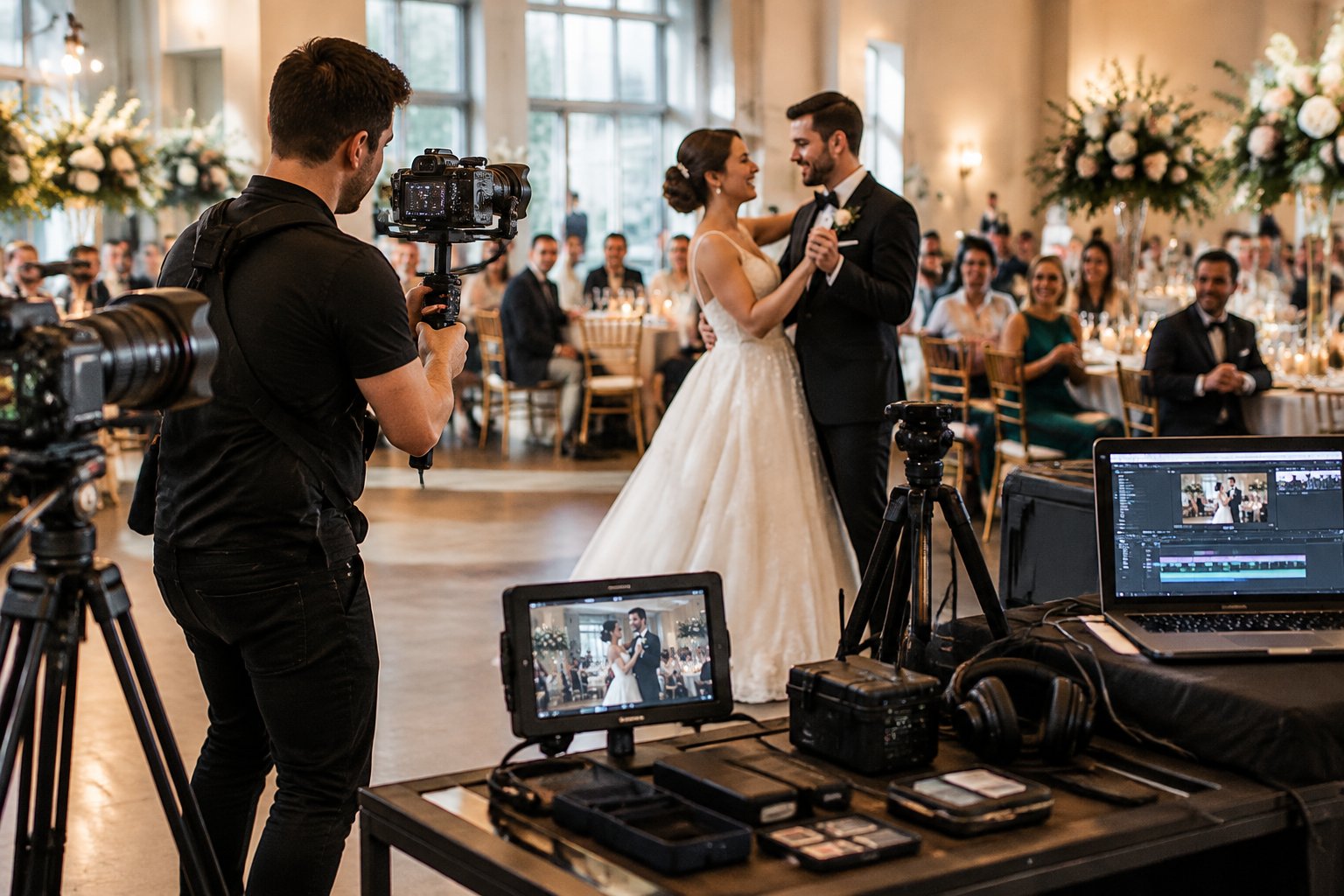
Read the deliverables carefully before comparing prices. Two packages with similar coverage hours may provide very different wedding videos because one includes only a highlight reel while the other includes the ceremony, speeches, and a longer wedding film.
Basic Coverage and a Highlight Reel
A basic wedding videography package costs about $1,000 to $1,500. It often includes:
- Four to six hours of coverage
- One videographer
- A highlight reel lasting about three to five minutes
- Basic post-production editing
- Digital delivery through an online gallery
This option suits you if you want key memories captured within a controlled budget. Ask whether the package includes your ceremony, getting-ready footage, reception events, or only selected portions of the day.
A highlight reel uses music, short dialogue clips, emotional reactions, and visual details to tell a compact story. It gives you an easy-to-share wedding film, though it does not preserve every vow or speech in full.
Standard Coverage With Ceremony and Reception Edits
A standard package often costs $2,000 to $4,000 and provides eight to ten hours of coverage. Common inclusions are:
- Two videographers or a multi-camera setup
- A five- to eight-minute highlight reel
- A full ceremony film
- Toasts and first-dance coverage
- Professional audio mixing and color correction
- Online delivery
This package gives you broader coverage from preparation through major reception events. A ceremony film preserves the complete vows, while the highlight reel provides a shorter, polished version for sharing.
Check the contract for the exact length and format of each edited wedding video. “Full coverage” can mean a documentary edit, a continuous camera recording, or a carefully edited feature film.
Premium Cinematic Productions
Premium wedding videography packages start around $5,000 and can reach $10,000 or more. They may include:
- Two or three videographers
- Cinema-grade cameras and professional lighting
- Full-day or multi-day coverage
- A cinematic wedding film lasting 15 to 30 minutes
- Separate ceremony, speech, or reception edits
- Drone footage
- Advanced color grading and audio mixing
- A same-day edit
- Raw footage delivery
- Expedited turnaround
A cinematic production involves extensive post-production and story design. Your editor may shape vows, speeches, music, room sound, and candid moments into a feature film with a consistent visual style.
Ask to watch complete films, not only short trailers. A polished trailer shows creative ability, while a full wedding film reveals how the team handles audio, pacing, transitions, and long sections of real coverage.
Which Factors Raise or Lower Your Quote?
Coverage length, crew size, editing demands, travel, equipment, and specialty formats create the largest changes in a wedding videography quote.
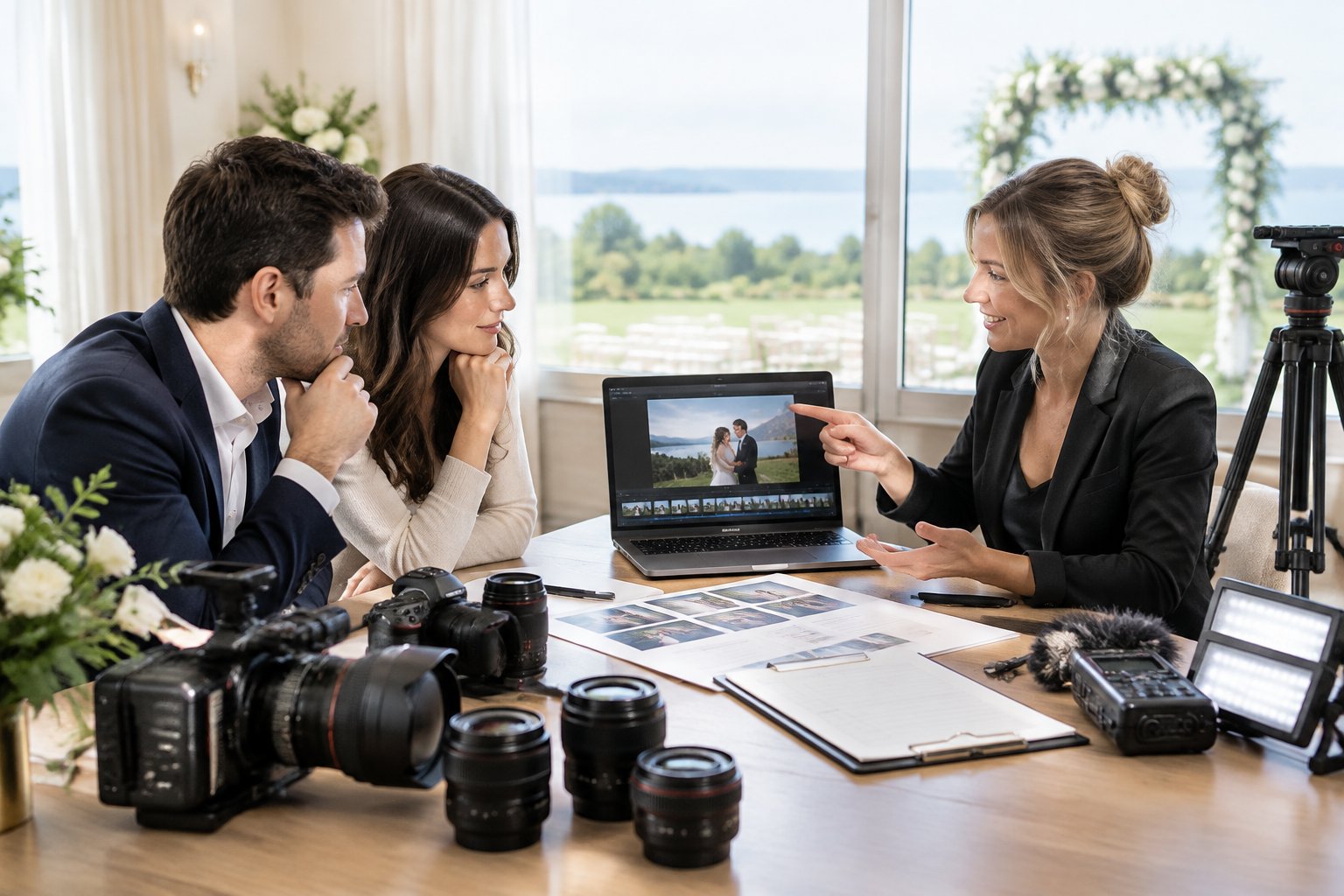
Ask each videographer to separate the base package from add-ons. That format helps you see whether a higher price comes from more filming, more labor after the wedding, or special production features.
Coverage Hours and Overtime
Most full-day packages include eight to ten hours. Coverage that starts with hair and makeup and ends after the first dances requires more planning and editing than ceremony-only service.
Extra hours often cost $150 to $300 per hour. Confirm when the clock starts, whether breaks count, and how overtime is billed. If your ceremony and reception take place at different venues, include travel time in the schedule.
A detailed timeline helps you avoid paying for unnecessary idle coverage. You can prioritize preparation, the ceremony, family reactions, speeches, dances, and exit footage based on what you want preserved.
One Videographer vs. a Second Shooter
One videographer works well for smaller weddings, one venue, and a focused highlight reel. A second shooter raises the quote, yet it also allows simultaneous coverage of separate locations and multiple reactions.
With multiple videographers, one camera can stay on the ceremony while another captures your partner’s reaction, guests, or a wide room view. A second shooter also helps cover large guest lists, split preparations, complex timelines, and crowded receptions.
Ask how many cameras record key events and whether the crew includes dedicated audio equipment. The number of people on the invoice does not alone describe the coverage quality.
Post-Production Work and Delivery Timing
Post-production editing can take 15 to 30 hours for a short highlight film, with additional time for ceremony and feature edits. Color grading creates a consistent look, while audio mixing balances vows, speeches, music, and ambient sound.
A standard turnaround often falls between six and twelve weeks. Expedited editing costs more because your project moves ahead of other weddings or receives extra editing support.
Ask about the number of revision rounds, music licensing, delivery resolution, and the date when your final files will arrive. A clear post-production plan helps you compare quotes that include different levels of service.
Travel, Equipment, and Specialty Formats
Travel fees may include mileage, parking, lodging, flights, or a travel day. Ask whether your venue falls within the videographer’s included service radius.
Specialty equipment also raises wedding videography cost. Common upgrades include:
- Professional lighting for dark reception spaces
- Additional cameras and stabilizers
- Drone footage where venue rules and local regulations allow it
- Super 8 film for a soft, vintage look
- Same-day edits shown during the reception
- Specialized audio recording for vows and speeches
Discuss venue restrictions before paying for drone footage or unusual formats. Super 8 requires separate film processing, while a same-day edit requires a tightly planned workflow and fast on-site post-production.
Which Add-Ons Are Worth Paying For?
The most useful add-ons preserve moments that are difficult to recreate, especially clear audio, complete speeches, and coverage from more than one location.
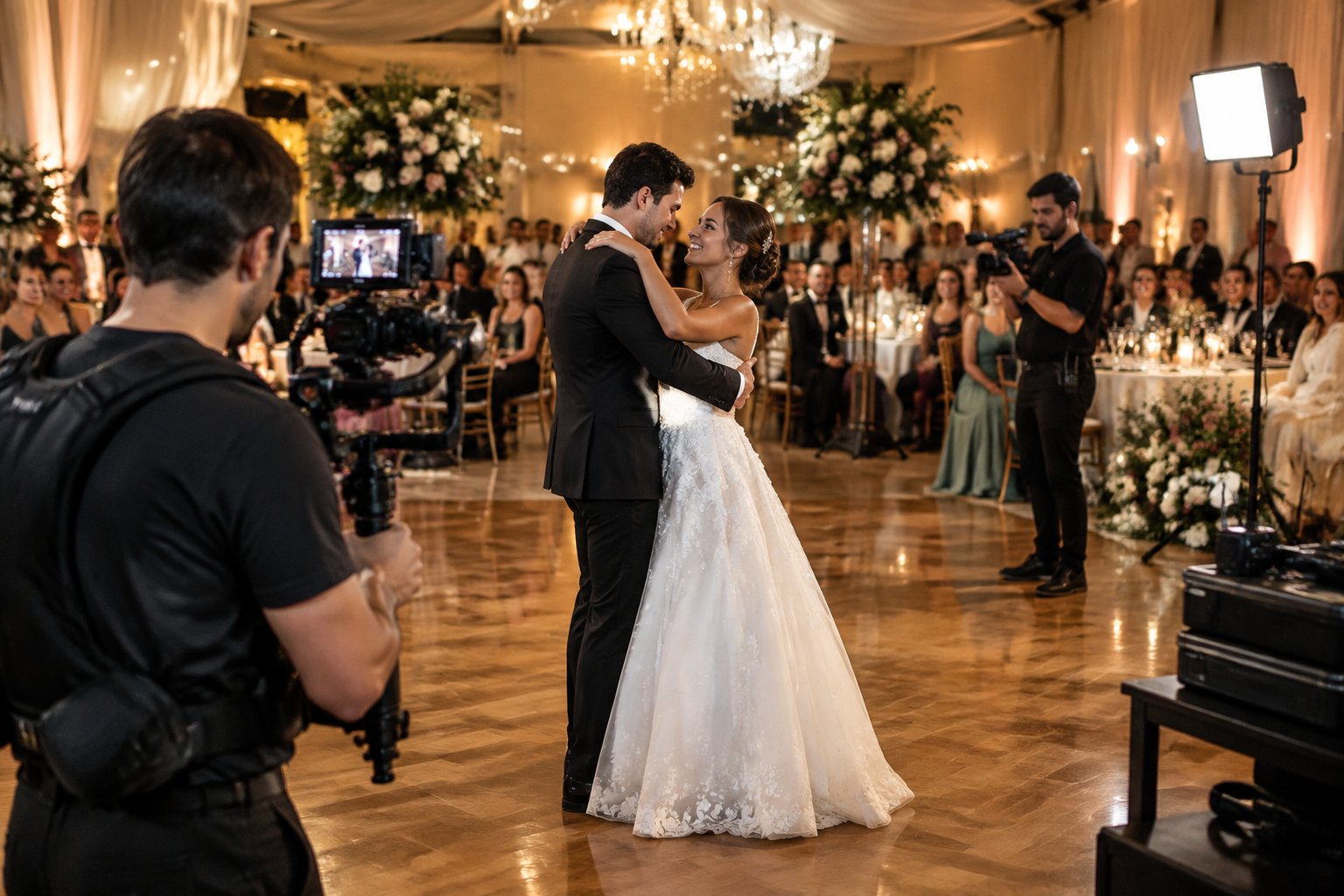
Choose extras that fit your priorities and timeline. A dramatic production feature may add visual style, while a full ceremony edit gives you a lasting record of every word.
Should You Order Raw Footage?
Raw footage delivery costs about $200 to $600 and may arrive on a hard drive, USB drive, or secure download. It contains unedited clips, camera angles, ambient sound, and moments that did not appear in your finished films.
Raw footage takes substantial storage space and may look flat or unfinished before color grading. It gives you an archive for future personal use, though you need a way to store and back up the files.
Ask whether raw footage includes every camera and audio file, how long the download remains available, and whether the videographer keeps a backup. If your budget is limited, place edited films and complete ceremony coverage ahead of raw footage.
Digital Delivery vs. Physical Keepsakes
Online delivery through a private gallery makes sharing easy and works well for family members who live in different places. You may also receive downloadable files suitable for personal backups and social sharing.
A USB drive creates a physical keepsake and provides a local copy of your wedding videos. DVDs and Blu-ray discs offer a traditional format, though newer computers and devices may not include disc drives.
Ask whether your package includes long-term hosting. Save your own copies in at least two locations, such as an external drive and a trusted cloud account. YouTube can work for private sharing when your videographer supplies a suitable file, yet a private gallery may provide better control over access.
Can a Wedding Content Creator Replace a Videographer?
A wedding content creator suits short-form social clips, phone-style behind-the-scenes moments, and quick vertical videos. A professional wedding videographer focuses on stable footage, dedicated audio, multi-camera coverage, color grading, and a finished wedding film.
You can hire both when you want fast social content alongside a polished keepsake. A content creator may capture guest reactions and candid phone footage while the videographer records vows, speeches, and formal events.
Ask who controls the audio during the ceremony and whether the creator delivers edited clips or only same-day files. A save-the-date video is another useful add-on when you want a short announcement before the wedding.
How Can You Choose a Package That Fits Your Priorities?
Choose the package that protects your highest-value moments, then compare the exact coverage, crew, edits, and delivery terms with your wedding budget.
Start by listing the moments you want to hear and see years later. Your priorities may include private vows, getting-ready memories, family speeches, a full ceremony film, or energetic reception footage.
Match Coverage to the Moments You Value
A shorter package works when your ceremony and reception happen at one venue and you want a concise highlight reel. Full-day coverage fits a longer timeline with preparation, travel, ceremony, portraits, speeches, and dancing.
Consider how your wedding day photo checklist overlaps with your video priorities. Shared moments such as first looks, family portraits, and the ceremony need clear coordination between your wedding photographer and videographer.
Write down the specific people and events you want captured. Tell the videographer about cultural traditions, private vows, live performances, or restrictions on filming during religious services.
Compare Photography and Videography Bundles
Wedding photography and videography bundles may simplify planning and provide a coordinated team. Ask whether the same studio handles both services, how many people attend, and whether the photographers and videographers have worked together before.
Compare the full wedding photographer cost with the video quote, including albums, engagement sessions, extra hours, second shooters, and travel. A lower combined price may reflect fewer hours or fewer final deliverables.
When comparing a wedding photographer and videographer, review complete galleries and films from real weddings. Still images show composition and timing, while video reveals movement, audio, pacing, and storytelling.
Questions to Ask Before You Book
Use these questions during consultations:
- How many hours and videographers does the package include?
- Which events receive continuous coverage?
- Will you record separate audio for vows and speeches?
- What films and file formats will you receive?
- How long is the highlight reel and any feature film?
- How many revision rounds are included?
- What are the delivery timeline and backup policies?
- Are travel, overtime, taxes, and venue fees separate?
- Who will film the wedding if the lead videographer becomes unavailable?
- Can you watch complete wedding films from similar venues?
Read the contract before paying a retainer. Confirm the cancellation policy, music licensing, delivery rights, meal requirements, and permission rules for sharing your wedding video online. A clear agreement lets you compare candid studios and independent videographers using the same details.