
Average Wedding Band Cost for a Man: Price Guide
The average cost of a men’s wedding band in the United States is about $600 to $1,500, with many solid gold styles landing near $1,000. Simple tungsten, titanium, or stainless steel rings can cost under $500, while platinum, diamonds, wider bands, and custom work can raise the price beyond $2,500.
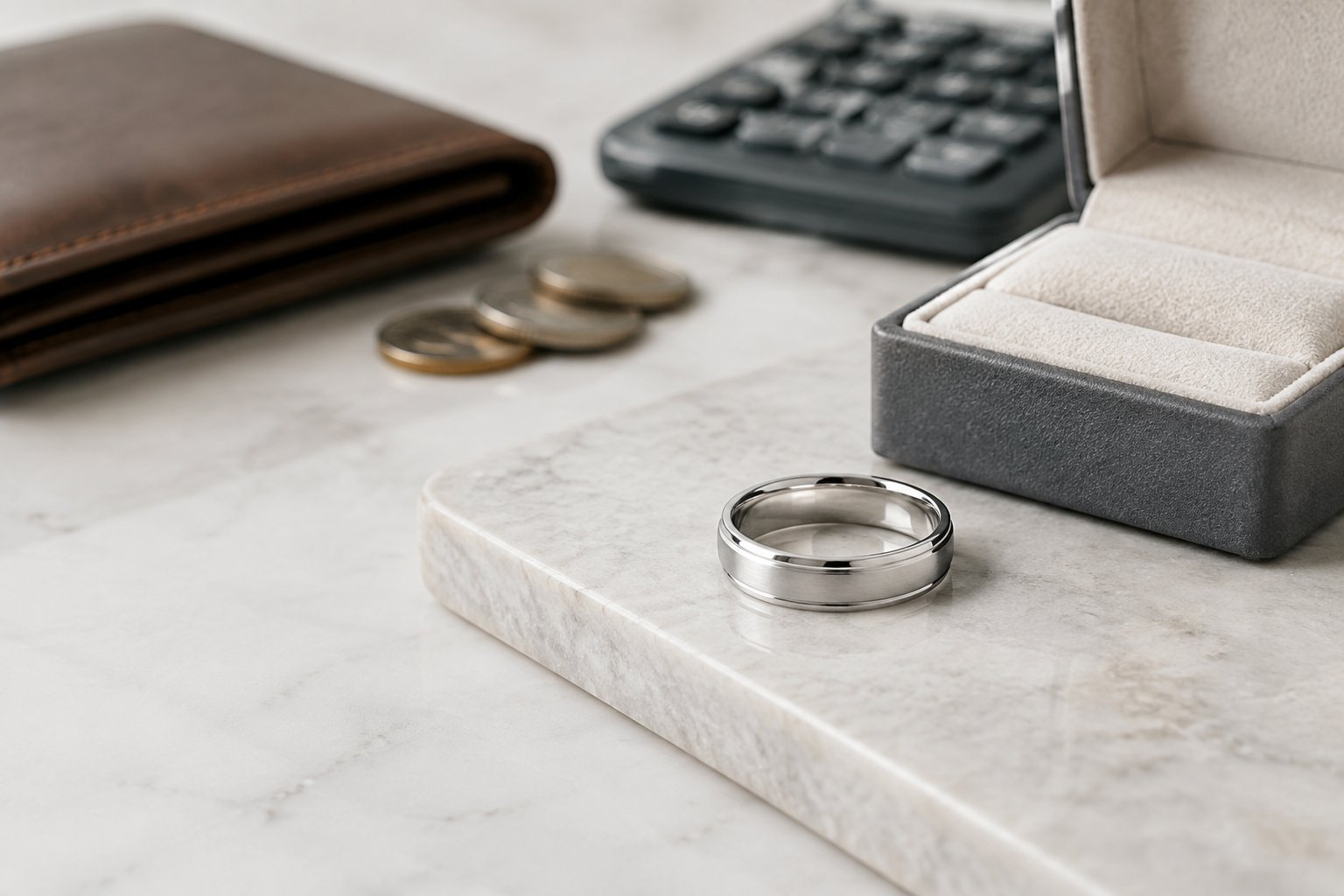
Your ideal men’s wedding band should fit your wedding budget, daily routine, and personal style. A plain 14k gold men’s wedding ring may offer a strong balance of value and tradition, while an alternative metal can provide durability at a lower starting price. If you want help comparing styles and costs, browse the best wedding bands for men before you shop.
What Is a Realistic Price Range?
A realistic budget for men’s wedding bands is $300 to $1,500, with premium designs reaching $2,500 or more. The price range includes simple alternative-metal rings, classic gold wedding rings, platinum bands, and styles with diamonds or custom details.
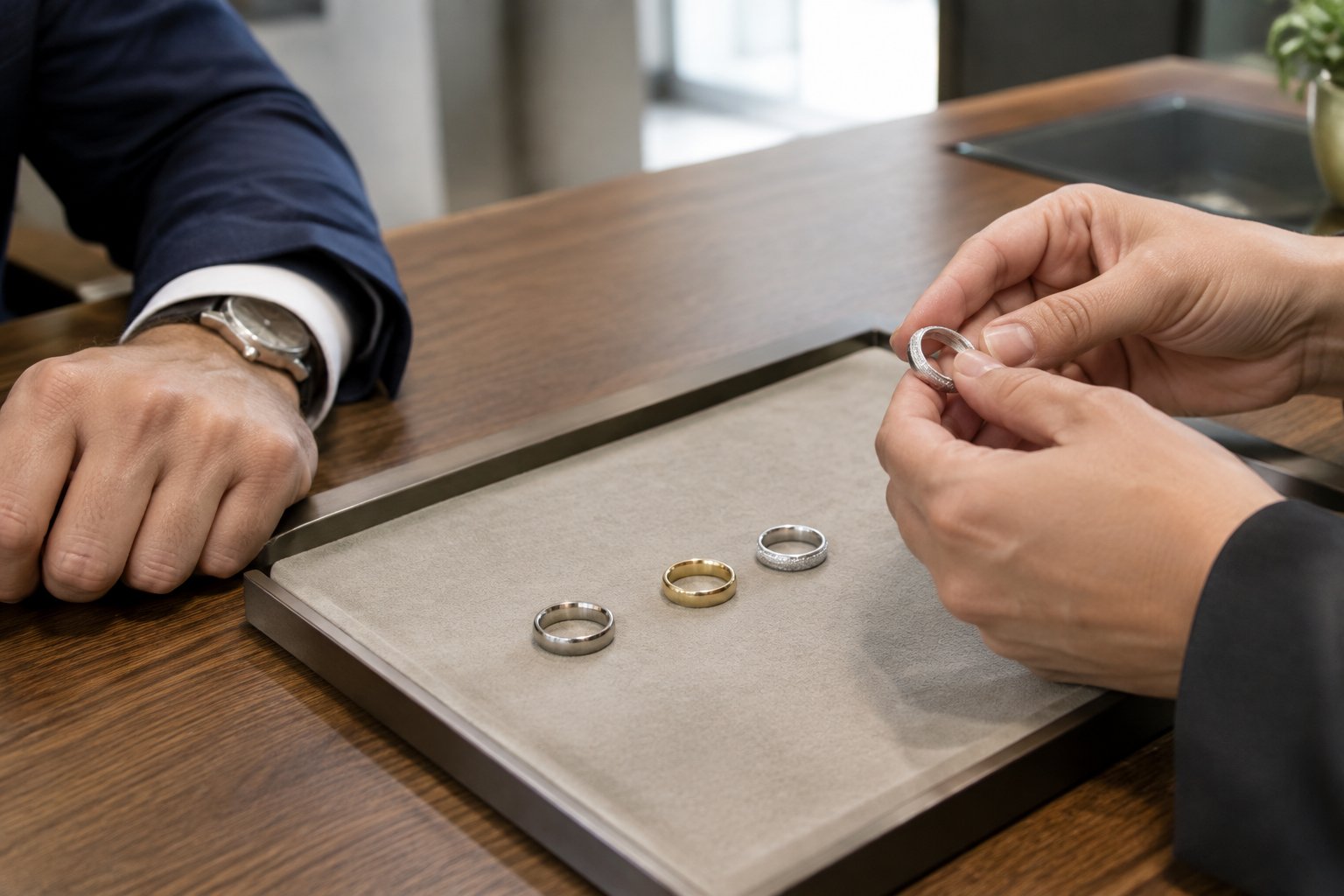
Your wedding budget can guide the tier you choose, though the ring’s metal, width, and construction still shape the final price. A well-made ring at any level should feel comfortable, suit your routine, and meet your quality expectations.
Typical Budget, Mid-Range, and Premium Tiers
A budget men’s wedding band costs about $100 to $500. Tungsten rings, stainless steel, titanium, and slim gold bands fit this range. These options work well when you want a clean design and need to keep more money available for other wedding expenses.
Mid-range men’s wedding bands fall near $500 to $1,500. This tier includes many 14k gold bands, wider gold styles, upgraded finishes, and some platinum designs. It gives you broad access to traditional precious metals and comfortable everyday construction.
Premium wedding rings start around $1,500 and can pass $2,500. Platinum, heavy bands, diamonds, gemstones, hand-finished details, and custom designs drive the higher cost. A designer name can add to the price, so compare the ring’s materials and construction with its branding.
Why Average and Median Prices Differ
An average adds all recorded prices and divides the total by the number of rings. A few high-priced platinum or diamond bands can pull that figure upward.
A median identifies the middle price in a group. It can sit below the average when most shoppers choose modest bands and a smaller group purchases luxury designs. Use both figures as guideposts, then price the exact width, metal, size, and features you want.
How Material Affects the Final Price
Metal choice creates one of the largest differences in wedding band cost, with alternative metals at the low end, 14k gold in the middle, and platinum at the premium end. Precious metals bring classic appeal and lasting value, while alternative metals offer practical durability at a lower entry price.
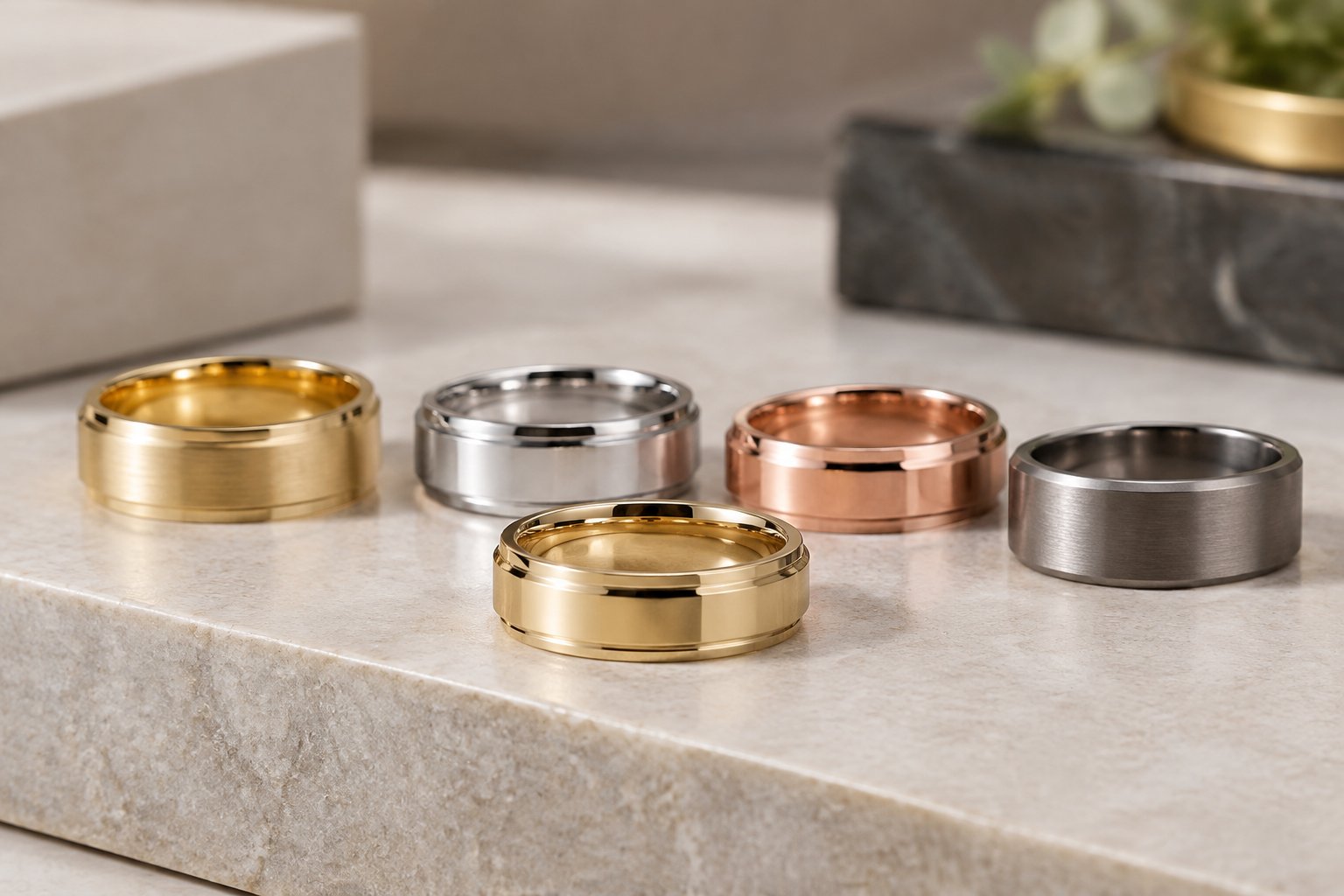
The amount of metal also affects the price. A wide, heavy band costs more than a slim ring made from the same material. Compare rings by metal purity, width, weight, finish, and warranty before choosing the lower listed price.
Gold Bands: 14k, Yellow, White, and Rose Gold
14k gold is a popular choice because it combines gold content with strength for daily wear. A plain 14k band often costs about $500 to $1,500, depending on width, weight, finish, and retailer.
Yellow gold provides the classic warm color associated with traditional wedding rings. White gold has a bright appearance that pairs well with cool-toned jewelry, though many white gold bands receive rhodium plating that requires future maintenance. Rose gold uses copper in its alloy to create a pink tone and offers a distinct personal style.
Higher-karat gold contains more pure gold and carries a higher material cost. It also has a softer composition, so your work and daily habits should guide the choice.
Platinum: When the Premium Is Worth It
Platinum often starts near $1,500 for a plain men’s wedding band and rises with width, weight, and design detail. Its density gives a substantial feel, while its natural white color stays consistent without plating.
Choose platinum when you value a dense precious metal, a bright white appearance, and strong resistance to metal loss through wear. Its higher purchase price fits a wedding budget that prioritizes long-term material quality and a heavier feel.
Alternative Metals for Lower-Cost Durability
Tungsten rings commonly cost about $100 to $500 and resist scratches well. They have a weighty feel, though sizing changes can be difficult because tungsten is hard to reshape.
Titanium offers a lightweight option with a modern look and a price that often sits below gold. Stainless steel provides an accessible choice for a simple men’s wedding band, especially when you want low-cost style for everyday use.
Ask about sizing options, repair policies, and replacement coverage before choosing an alternative metal. Those details affect the ring’s long-term value.
Which Design Details Add to the Cost?
Width, weight, gemstones, and custom work raise the price of a men’s wedding band because they require more material, labor, or specialized setting work. A plain 4mm band costs less than a wider ring with a raised profile, brushed finish, engraving, and diamonds.
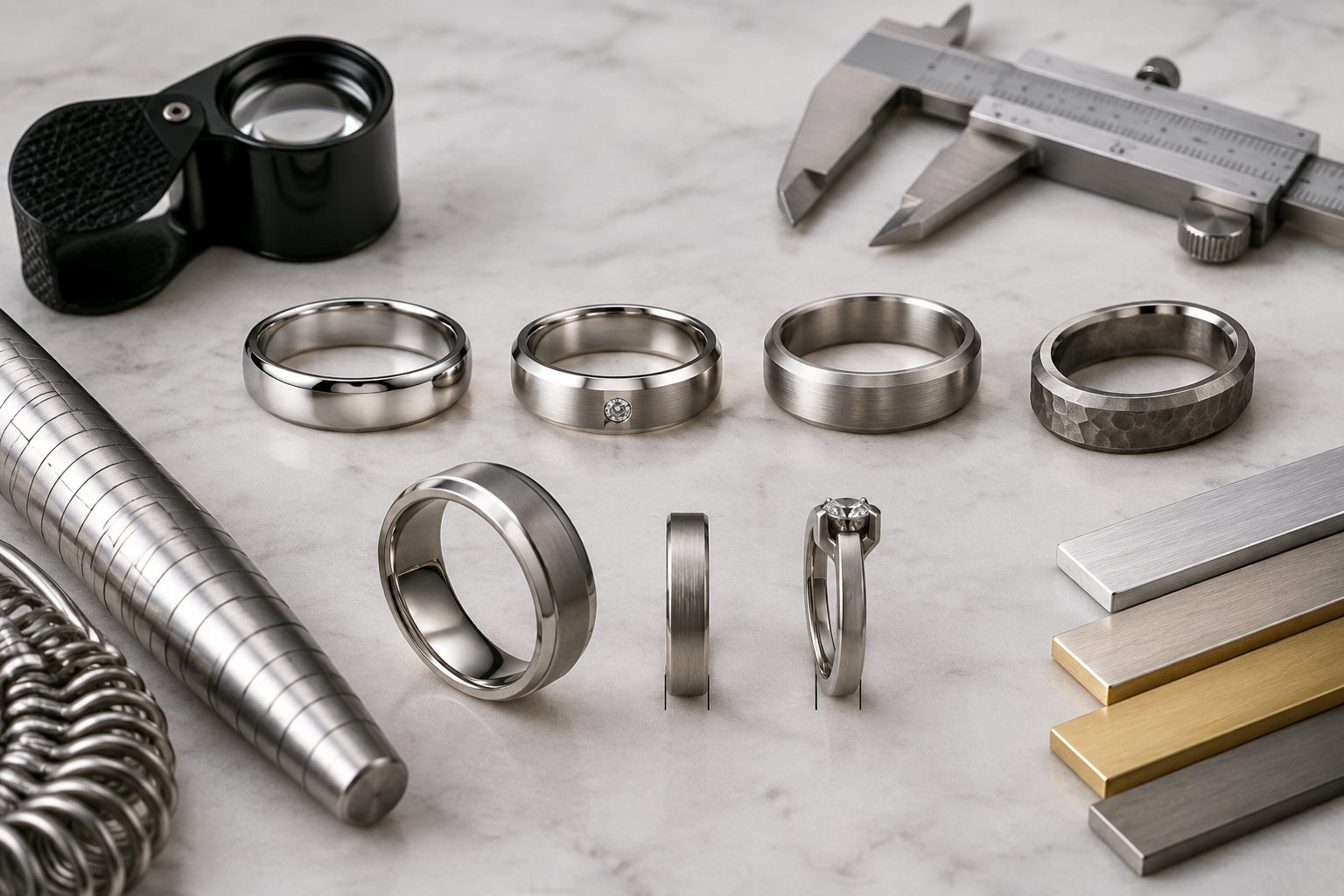
Design choices also affect comfort and maintenance. Consider how the ring will sit beside an engagement ring, how it will feel during work, and how much upkeep you want to manage.
Width, Weight, and Ring Profile
Wider bands use more metal, which increases the material cost. A 6mm to 8mm ring usually costs more than a 3mm to 4mm style in the same metal.
The profile shapes the ring’s appearance and fit. Flat profiles look modern, domed profiles feel traditional, and comfort-fit interiors use rounded edges to make the band easier to wear. A heavier ring can feel substantial, though the right balance depends on your finger size and daily routine.
Brushed Finish, Engraving, and Custom Work
A brushed finish creates a soft, matte surface that hides light marks better than a high-polish finish. Specialty textures and hand-applied finishes add labor to the production process.
Engraving may include a date, initials, or a private message. Machine engraving costs less than detailed hand engraving in many cases. Custom work also includes special widths, mixed metals, unusual profiles, and designs made to coordinate with an engagement ring.
Request a written quote that separates design, production, engraving, and resizing fees.
Diamonds and Gemstones
Diamonds and gemstones add the cost of both the stones and the setting. Price rises with the number of stones, total carat weight, quality grades, and the complexity of a channel, bead, bezel, or pavé setting.
A few small accents create a lower price than a half-eternity or full-eternity band. Sapphires and other gemstones offer color and personality, while lab-grown diamonds can reduce the stone cost for shoppers who want sparkle within a controlled wedding budget.
How to Set a Wedding Band Budget That Fits
Set your men’s wedding band budget by starting with your daily-wear needs, then reserve money for sizing, care, insurance, and possible customization. A target of $600 to $1,500 gives you access to many durable gold and premium alternative-metal options.
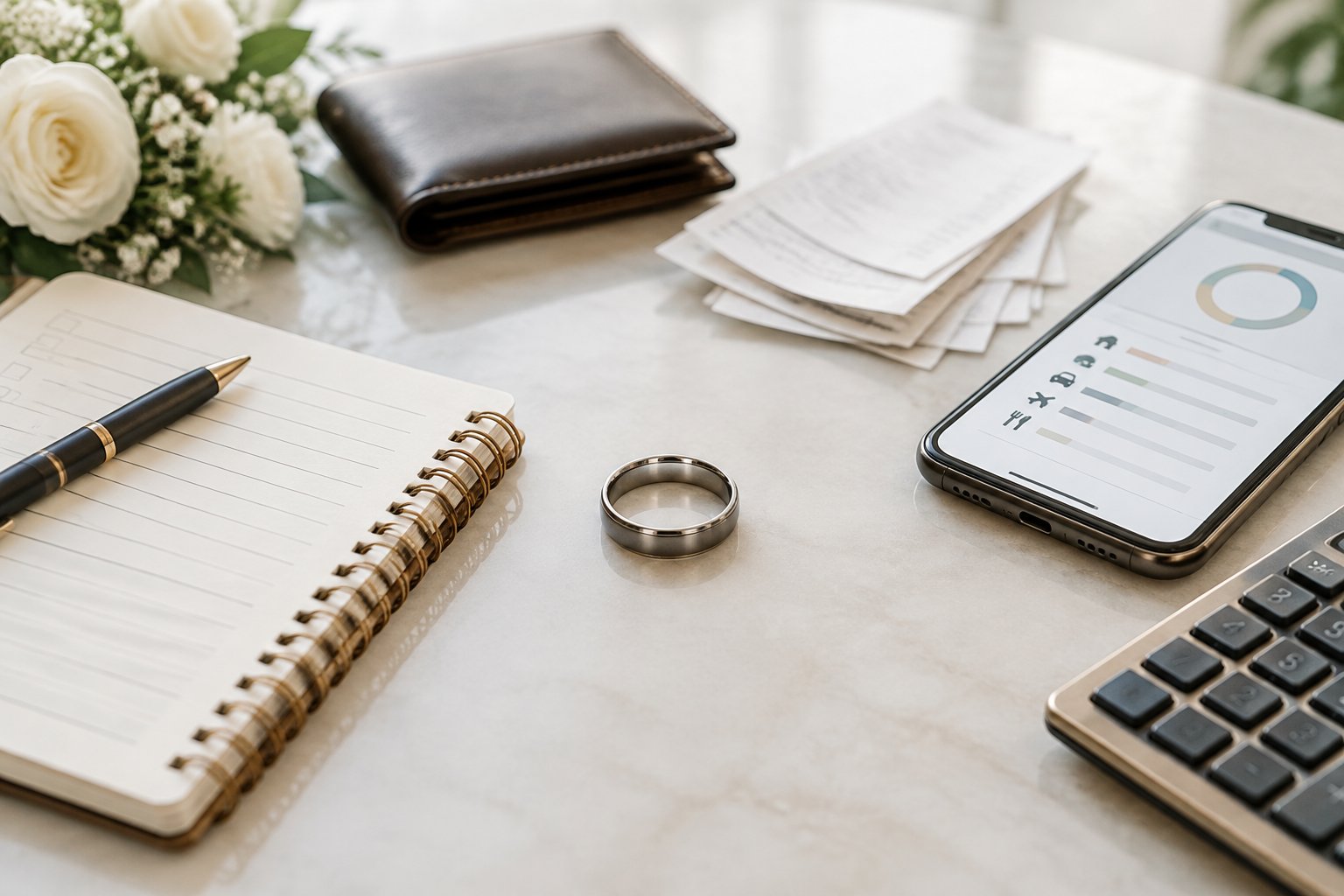
Write down your preferred metal, width, finish, and must-have features before you compare prices. You can also review guidance on how to allocate a wedding budget when the ring is part of a larger spending plan.
Match the Ring to Daily Wear and Work
Your work and hobbies should guide the metal and design. A desk-based routine may suit gold or platinum, while frequent manual work calls for careful thought about scratches, impact, and comfort.
Tungsten offers scratch resistance and a heavy feel. Titanium feels light on the finger. Gold allows easier resizing and repair through a jeweler. A low-profile design with a smooth interior can help the ring stay comfortable during long days.
Plan for Sizing, Care, and Insurance
Include possible sizing, engraving, cleaning, polishing, and insurance in your wedding budget. Precious-metal rings can often be resized, though the process depends on the design and the amount of adjustment needed.
Keep your receipt, appraisal, metal details, and warranty documents. Insurance coverage may require a recent appraisal and can protect the ring against covered loss, theft, or damage. Ask about these requirements before completing the purchase.
Ways to Save Without Sacrificing Quality
Choose 14k gold, a moderate width, or a plain profile to control cost while keeping a precious-metal band. Compare the same specifications across several sellers, including metal purity, ring weight, finish, and included services.
Reduce gemstone coverage or choose lab-grown diamonds when you want added sparkle at a lower stone cost. Shop during sales, ask whether engraving is included, and avoid paying for a design feature you will not enjoy wearing.
Where Should You Buy a Men’s Wedding Band?
Buy from a retailer that provides clear specifications, dependable sizing support, and useful after-sale policies. Online retailers can offer broad selection and competitive prices, while local jewelry stores provide in-person fitting and direct service.
Compare the exact ring details before judging price. A 14k gold band from one seller may differ in width, weight, profile, finish, warranty, and return terms from a similar-looking ring elsewhere.
Comparing Online Retailers and Jewelry Stores
Online retailers such as Blue Nile, Jared, and James Allen give you access to many metals, widths, finishes, and price points. Product pages can make it easier to compare specifications and save time when you already know your ring size.
Jewelry stores let you see the ring in person and discuss fit, metal color, and comfort with a specialist. Their service may include sizing guidance, cleaning, inspections, and future repairs. Compare the complete purchase experience, including shipping, taxes, customization, and service fees.
What to Check at Local Jewelry Stores
Ask local jewelry stores about metal purity, ring weight, comfort-fit construction, warranty coverage, and the maker’s return policy. Try on multiple widths because a ring’s feel changes as the band gets wider or heavier.
Check the inside of the band for metal markings and confirm that the written receipt lists the correct material. Ask whether the store provides complimentary inspections or cleaning and whether those services continue after the wedding.
Returns, Resizing, Warranties, and Price Comparisons
Review the return deadline before ordering, especially for engraved or custom rings. Ask whether resizing is included, how many size changes the policy allows, and which materials the jeweler can adjust.
Compare warranties for manufacturing defects, loose stones, finish wear, and accidental damage. Save screenshots or printed specifications when comparing online prices.
A lower sticker price may include fewer services, while a slightly higher price may include sizing, maintenance, or stronger coverage.