
Average Wedding Photographer Cost and What You Get
Most U.S. couples spend about $2,500 to $4,500 on a professional wedding photographer in 2026, with a national benchmark near $3,000. Shorter coverage may cost $1,000 to $2,500, while premium services with extended coverage, albums, and additional photographers can reach $5,000 to $10,000 or more.

Your final wedding photography cost reflects more than the hours spent taking pictures. Location, date, experience, editing, travel, staffing, and printed products all shape your quote. A practical starting point is 10% to 12% of your total wedding budget. For a $30,000 wedding, that places photography near $3,000 to $3,600.
Before you book, compare full proposals that list coverage, edited wedding photos, delivery method, image rights, overtime, and payment terms. You can also review how to figure out your wedding budget to set a comfortable target, then request quotes from photographers who fit your priorities.
What Couples Typically Pay in 2026
Most couples should budget $2,500 to $4,500 for standard wedding photography coverage in 2026, with $3,000 serving as a useful national reference point. Wedding photographer prices move above or below that range as coverage, market demand, experience, and package contents change.

National Price Benchmarks and Why They Differ
A national average gives you a starting point for wedding photographer cost. It combines short ceremonies, full wedding days, rural celebrations, major-city events, and different service levels, so your local quote may look quite different.
WeddingWire listings and other planning marketplaces show a broad spread in wedding photography prices. A weekday ceremony with four hours of coverage may sit below the midpoint. A Saturday celebration in a major metro area with eight hours, a second photographer, and an album can rise well above it.
Ask each professional wedding photographer to define:
- Coverage hours and start time
- Number of photographers
- Edited image delivery
- Album or print inclusions
- Travel fees and taxes
- Deposit, payment schedule, and cancellation terms
Typical Cost by Experience Level
| Experience level | Common range | Common package features |
|---|---|---|
| Newer or budget photographer | $1,000 to $2,500 | Shorter coverage, one photographer, digital gallery |
| Mid-range professional | $2,500 to $4,500 | Six to eight hours, edited images, online gallery |
| Established or premium photographer | $5,000 to $10,000+ | Extensive coverage, refined service, albums, added photographer |
A newer photographer may offer a lower wedding photography rate while building a portfolio. An established photographer prices in-demand dates around years of experience, planning skill, backup systems, editing time, and business costs. Review complete wedding galleries so you can connect the price with consistent work across a full day.
What Coverage Hours Cost
Coverage hours create one of the clearest price differences. Two hours may document a ceremony and portraits, while eight to ten hours can include preparation, details, family photos, reception events, and the send-off.
Hourly pricing is useful for comparing short services. Full wedding photography packages often provide better context because editing, planning, delivery, and travel are built into the quote. Ask whether overtime is billed by the hour or in blocks, and whether the overtime rate includes post-production.
What Changes Your Final Photography Quote
Your final wedding photography costs reflect location, travel, date, coverage needs, event complexity, experience, and editing work. Two photographers with similar portfolios can quote different amounts because their demand, operating expenses, staffing, and package designs differ.
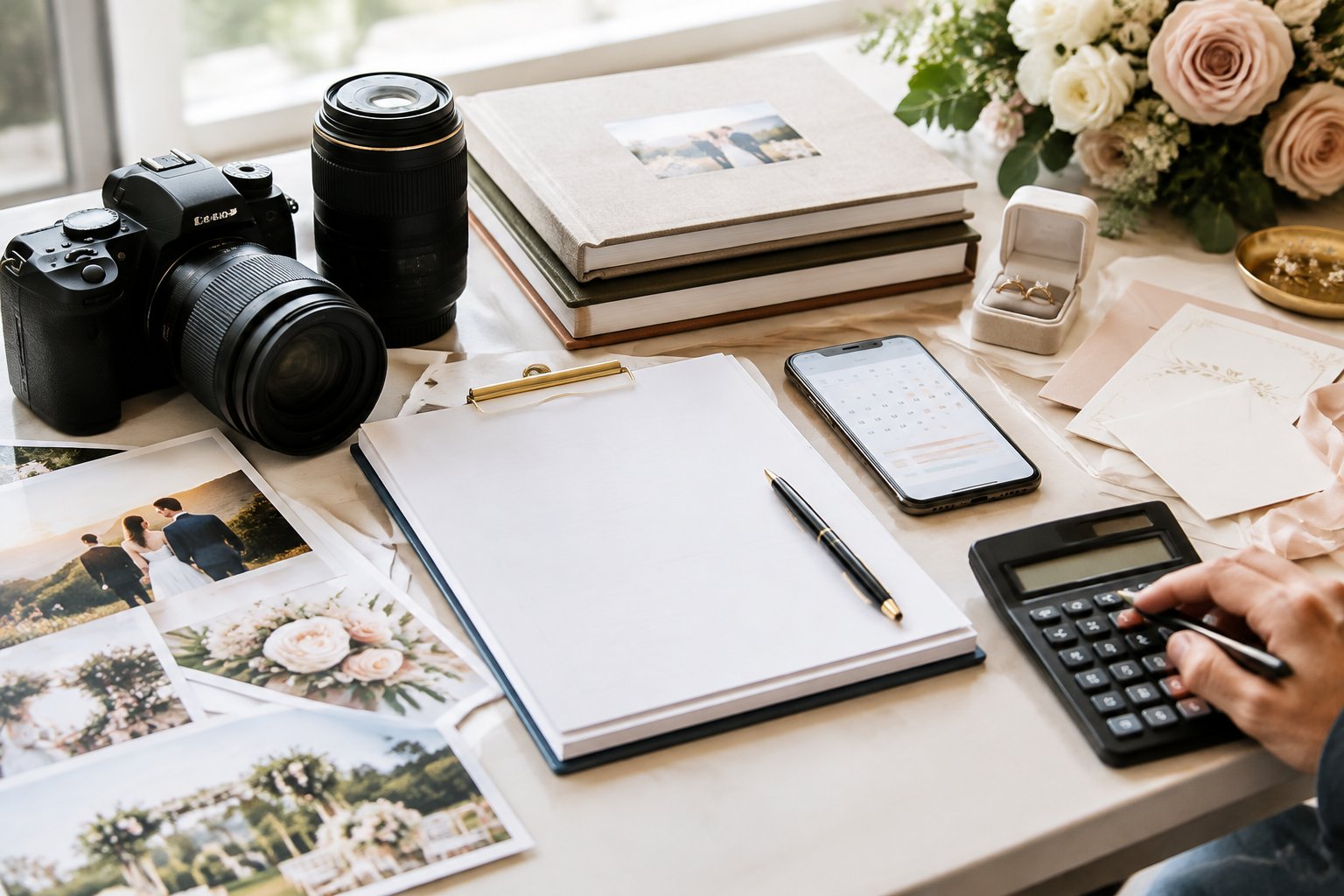
Share your venue list, timeline, guest count, and preferred moments when requesting a proposal. A detailed brief helps the photographer price the work accurately and identify costs before you sign.
Location, Travel, and Destination Weddings
Large cities often have higher wedding photography rates because studio expenses, insurance, travel time, and demand raise business costs. Rural celebrations may have different local rates, though a venue far from the photographer’s service area can add mileage, lodging, or travel-day charges.
A destination wedding photographer may include flights, hotel rooms, rental transportation, meals, and travel days in the quote. Request an itemized estimate and confirm whether travel time counts toward coverage. For outdoor events, ask about venue rules, weather plans, and drone photography permissions.
Guest Count, Coverage Length, and Peak Dates
A larger guest list requires more movement, group coordination, equipment, and planning. Multiple venues, separate preparation locations, long gaps between events, and a crowded reception can also affect staffing needs.
Saturday dates during peak wedding season carry strong demand. A weekday or off-season date may offer more scheduling flexibility. Give photographers your exact date before comparing prices because availability affects the proposal.
Why Experience and Post-Production Matter
An experienced photographer handles low light, changing weather, family formals, tight timelines, and fast-moving reception moments with a practiced workflow. You also pay for the time spent sorting, backing up, color correcting, cropping, and preparing your gallery after the wedding.
Ask who will photograph your event, how files are backed up, when your gallery will arrive, and what happens during an emergency. If you are considering a second shooter or second photographer, confirm their hours, role, image ownership, and editing process. Drone photography may add equipment, insurance, permissions, and a separate qualified operator.
What Wedding Photography Packages Usually Include
Most wedding photography packages include a set number of coverage hours, one photographer, edited digital images, an online gallery, and standard post-production. Engagement sessions, extra event coverage, albums, parent products, and specialty prints often sit in higher package tiers or carry separate fees.

Read every package line before comparing prices. Two packages with the same hours can differ in image count, turnaround, gallery access, print rights, album quality, and included services.
Digital Delivery, Online Galleries, and USB Drives
Edited images are commonly delivered through an online gallery. Check the expected image count, gallery access period, download options, and delivery timeline. Ask whether sneak peeks are included and whether the photographer archives your files after delivery.
Some packages include a USB drive for local storage. A USB drive provides a physical copy, while an online gallery supports easy sharing with family and friends. Confirm whether you receive a print release or print rights for personal use. Many photographers deliver edited files without including raw files.
Engagement Sessions and Extra Event Coverage
An engagement photo session gives you practice with posing, movement, and direction before the wedding. Confirm the session length, location limits, outfit changes, edited image count, and delivery method.
Rehearsal dinner photography adds shooting and editing time. Ask whether it is available by the hour, as a half-day add-on, or inside a multi-day package. You might also price bridal portraits, welcome parties, brunches, or additional wedding-day coverage.
Albums, Prints, and Display Products
A wedding album may include design, proofing, professional printing, and a set number of pages. Ask about cover materials, page upgrades, revision rounds, and delivery time before choosing a package.
Parent albums, canvas prints, framed enlargements, and other display products can be purchased separately. Confirm sizes, paper types, shipping, and whether your print release allows personal printing through a lab of your choice.
How to Compare Wedding Photographer Prices
Compare wedding photography pricing by matching the same hours, deliverables, rights, staffing, and contract terms across every proposal. A lower starting price may change after you add travel, overtime, an album, or another photographer.

A clear comparison protects your budget and helps you choose a photographer whose work fits the feeling of your day. Keep each quote and contract together so package details remain easy to check.
Match the Wedding Photography Style to the Portfolio
Wedding photography style affects the images you receive and the photographer’s approach during the day. Documentary work focuses on candid moments, while a fine-art style may emphasize soft light, careful composition, and a polished color finish. Other wedding photography styles center on bold flash, classic portraits, or editorial direction.
Review full galleries from real weddings in settings similar to yours. Look for consistent skin tones, indoor work, reception lighting, family groupings, and images from the end of the night. Social media highlights show a narrow selection, so ask to see a complete gallery before booking.
Review the Contract Before You Book
Your wedding photography contract should identify the photographer, date, venue, coverage hours, payment schedule, cancellation terms, delivery timeline, image rights, travel charges, and replacement plan.
Check who owns copyright and what your print release permits. Confirm whether a second photographer is named, whether an associate may replace the lead, and how overtime receives approval. Ask about meal requirements, breaks, liability insurance, and file storage.
Know Which Add-Ons Are Worth Paying For
Choose add-ons that solve a clear need in your timeline or preserve images you plan to use. A second shooter helps with separate preparation spaces, large groups, wide venues, and simultaneous events. An engagement session helps you learn your photographer’s direction before the wedding.
A photo booth rental serves guest entertainment and may include prints, props, a digital gallery, setup, and an attendant. Compare its space needs, power requirements, delivery fees, and service hours with the rest of your reception plan. Vendor meals, extra hours, rehearsal dinner photography, drone photography, and same-day slideshows should appear as separate prices in the proposal.
How to Keep Photography Within Your Budget
You can protect your wedding photography budget by choosing the right coverage length, checking the full contract, and pricing every upgrade before booking. A focused package with reliable service often serves you better than a larger package filled with products you will not use.
Choose Coverage That Fits Your Timeline
Build coverage around the moments you value most. If preparation photos matter, start before the ceremony. If the reception exit matters, extend coverage through that event. A well-planned six-hour timeline may fit your needs more closely than paying for a full day with long gaps.
Ask whether your photographer offers custom wedding photography packages. Reducing unused travel time or limiting coverage to one location can lower wedding photographer cost while preserving key moments.
Save Without Sacrificing Reliability
A weekday, Sunday, or off-season date may create more pricing flexibility. You can also prioritize edited digital images and add an album later if the photographer’s contract allows it.
Request complete galleries, confirm backup procedures, and verify who will attend your wedding. A lower quote deserves the same questions about delivery, insurance, emergency coverage, and image rights as a higher quote.
Plan for Overtime, Travel, and Product Upgrades
Set aside money for overtime if your schedule has a tight end time or several events. Confirm the hourly rate and approval process before the wedding day.
Price mileage, lodging, flights, meals, album upgrades, parent albums, canvas prints, extra photographers, and rehearsal dinner coverage during your initial comparison. Adding these costs later can push wedding photography prices beyond your planned range, so include the options you might choose in your working budget.