
Average Wedding Videographer Cost and Package Guide
Your wedding memories include more than still photos. A wedding videographer preserves your vows, voices, laughter, movement, and the small moments that pass quickly during the celebration. The average wedding videographer cost in the United States is about $2,300, with many couples spending between roughly $1,000 and $5,000 depending on coverage, location, crew size, and editing.
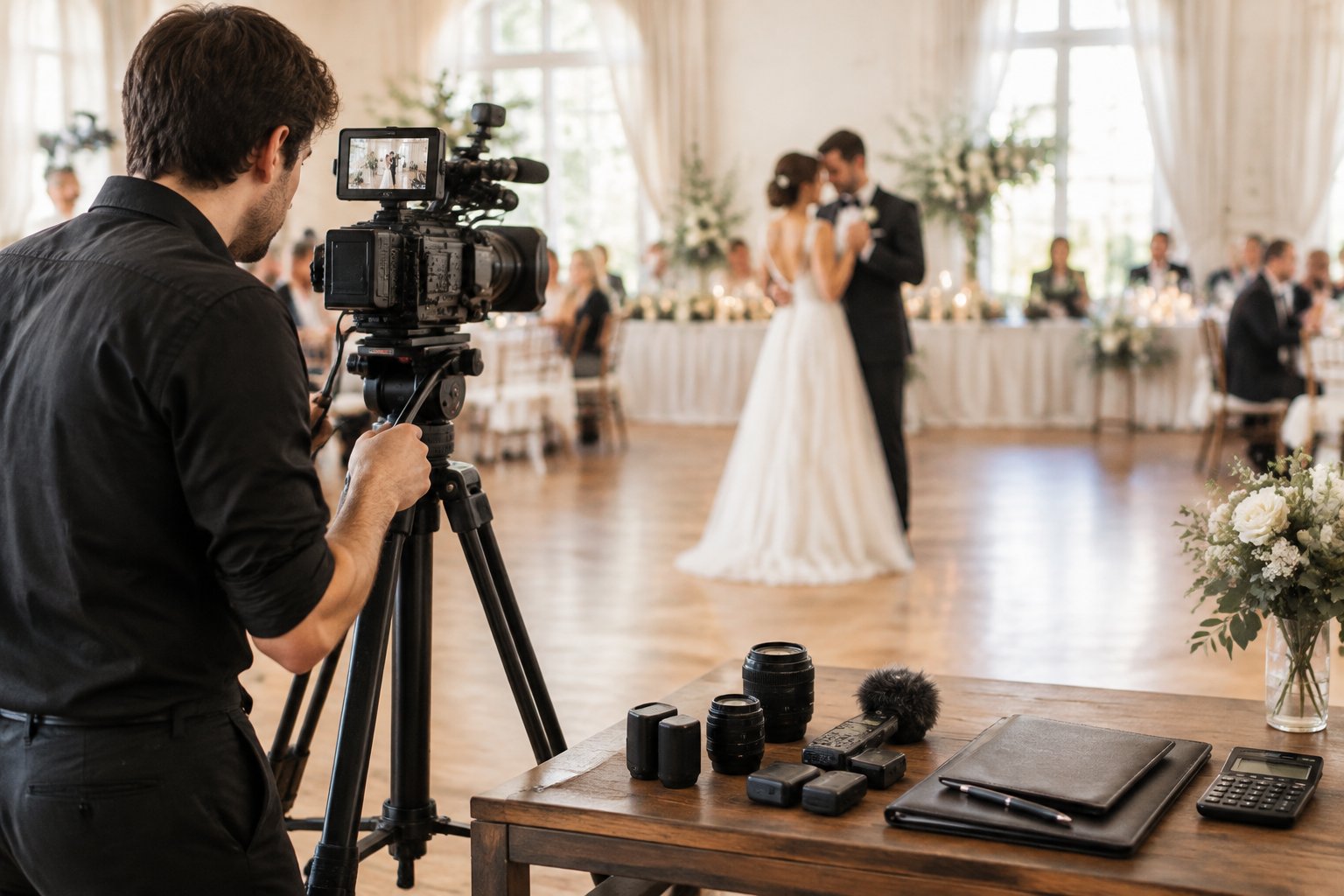
A basic package might cover a few hours and deliver a short highlight reel. A higher-priced package may include full-day filming, multiple cameras, ceremony and speech edits, drone footage, and a cinematic wedding film. Set your priorities first, then request quotes that describe the same services so you can compare them fairly.
What Couples Typically Spend on Video Coverage
The average wedding videographer cost is about $2,300 nationally, while a practical planning range for professional coverage is roughly $1,500 to $5,000. Your final wedding video cost depends on the package, coverage length, location, and post-production work.

Why National Averages Differ Across Sources
The average cost of a wedding videographer changes because studies count different couples, regions, and service levels. The Knot Real Weddings Study reports an average of $2,300, with spending around $1,000 in its lower-cost quartile, $1,900 at the median, and $3,300 in its upper-cost quartile.
The Zola Wedding Cost Index places many wedding videography costs closer to $3,200 to $4,800. That higher range may reflect full-service packages, newer pricing data, or couples booking more coverage and edited deliverables.
Regional rates also shift the number. Reported averages range from about $2,100 in the South, Southeast, and Southwest to $3,000 in the Mid-Atlantic. High-cost cities and destination weddings may sit above those figures because of labor rates, venue logistics, and travel.
Treat national figures as a starting point for your wedding budget. Local quotes will give you a more useful estimate for your date and venue.
How Videography Fits Into a Wedding Budget
Wedding videography often takes a smaller share of the wedding budget than photography, catering, or the venue. Still, it deserves a clear line in your wedding budget breakdown because video includes both filming and many hours of post-production editing.
A $2,300 average does not mean you need to spend exactly that amount. A smaller wedding with a short timeline may fit a $1,000 to $1,800 package. Full-day coverage with two videographers and several finished edits may reach $4,000 or more.
To set your number, decide which moments you want preserved. If vows, speeches, and family messages matter most, protect the budget for clean audio and ceremony edits. If you mainly want a beautiful recap, a shorter highlight film may meet your needs at a lower wedding videography cost.
What Each Wedding Videography Package Includes
A wedding videography package combines filming time with specific finished videos, so you should compare both parts before judging wedding videography pricing. Check the number of videographers, coverage hours, editing style, delivery format, and expected turnaround.
Basic Coverage and Highlight-Only Options
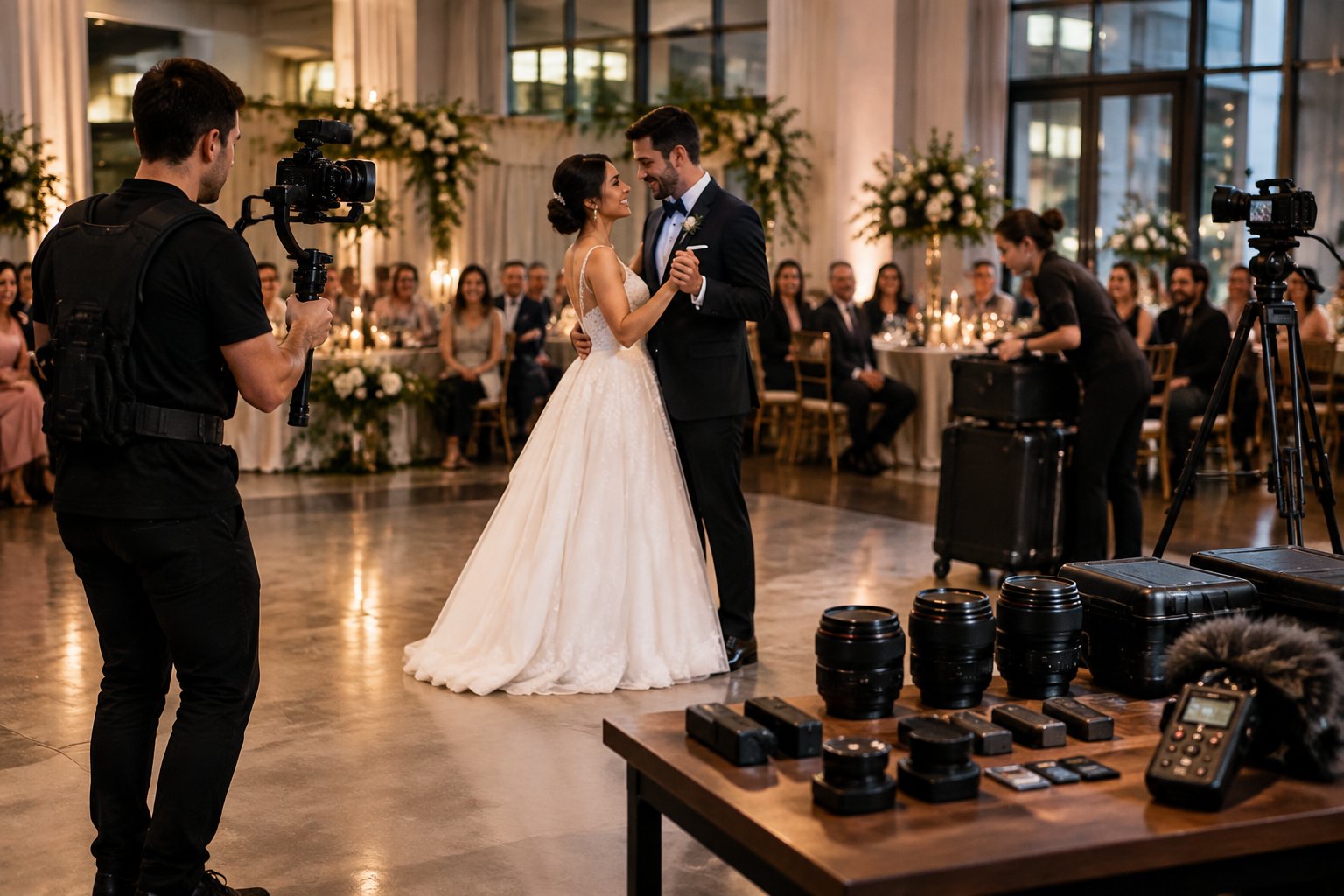
Basic wedding videography packages often include one videographer, limited coverage, and a short highlight reel. Coverage may begin before the ceremony or start at the ceremony and continue through part of the reception.
A highlight reel usually runs from a few minutes to around 10 minutes. It combines key visuals, music, vows, and short speech clips into an edited wedding video designed for easy viewing and sharing.
Ask whether the package includes:
- Ceremony coverage
- Reception entrances and formalities
- Getting-ready footage
- Professional microphones
- Digital delivery
- Raw footage
- Travel within a set area
Lower wedding videography prices may reflect fewer hours, one camera, minimal audio equipment, or a shorter edit. That can work well when you want a compact film and have a focused wedding-day schedule.
Standard Coverage With Ceremony and Reception Edits
A standard package often covers six to eight hours with one or two videographers. It may include a highlight film plus a full ceremony edit and selected reception footage.
A full ceremony edit preserves the complete vows, readings, music, and reactions. Some packages also include full speeches or an extended wedding film that runs longer than the highlight version.
Review how the videographer records audio. A camera microphone alone may not capture clear vows from across a room. Ask whether the team uses microphones connected to the officiant, couple, or sound system.
Wedding videography prices in this tier reflect both filming and editing. You receive more complete wedding memories, multiple audio sources, and a polished film with a stronger story structure.
Premium Cinematic Productions
Premium packages focus on a cinematic production with expanded coverage, multiple cameras, advanced sound recording, and extensive post-production. You may receive a cinematic feature, a cinematic wedding film, a full ceremony film, full speeches, and short social edits.
The finished wedding film may include carefully selected music, natural audio, slow-motion footage, professional color work, and a deliberate narrative. Some studios also offer drone footage, Super 8 film, rehearsal dinner coverage, or a dedicated editor.
Ask how many filming professionals attend, who edits the footage, how revisions work, and what happens if weather affects outdoor filming. Premium wedding videography packages cost more because the team spends additional time planning, filming, organizing, and refining the material.
What Raises or Lowers a Videographer’s Quote
Coverage time, crew size, filming tools, travel, and post-production account for most changes in wedding videographer pricing. A quote becomes easier to compare when each factor appears as a separate line or clear package feature.
Coverage Hours and Wedding-Day Timeline
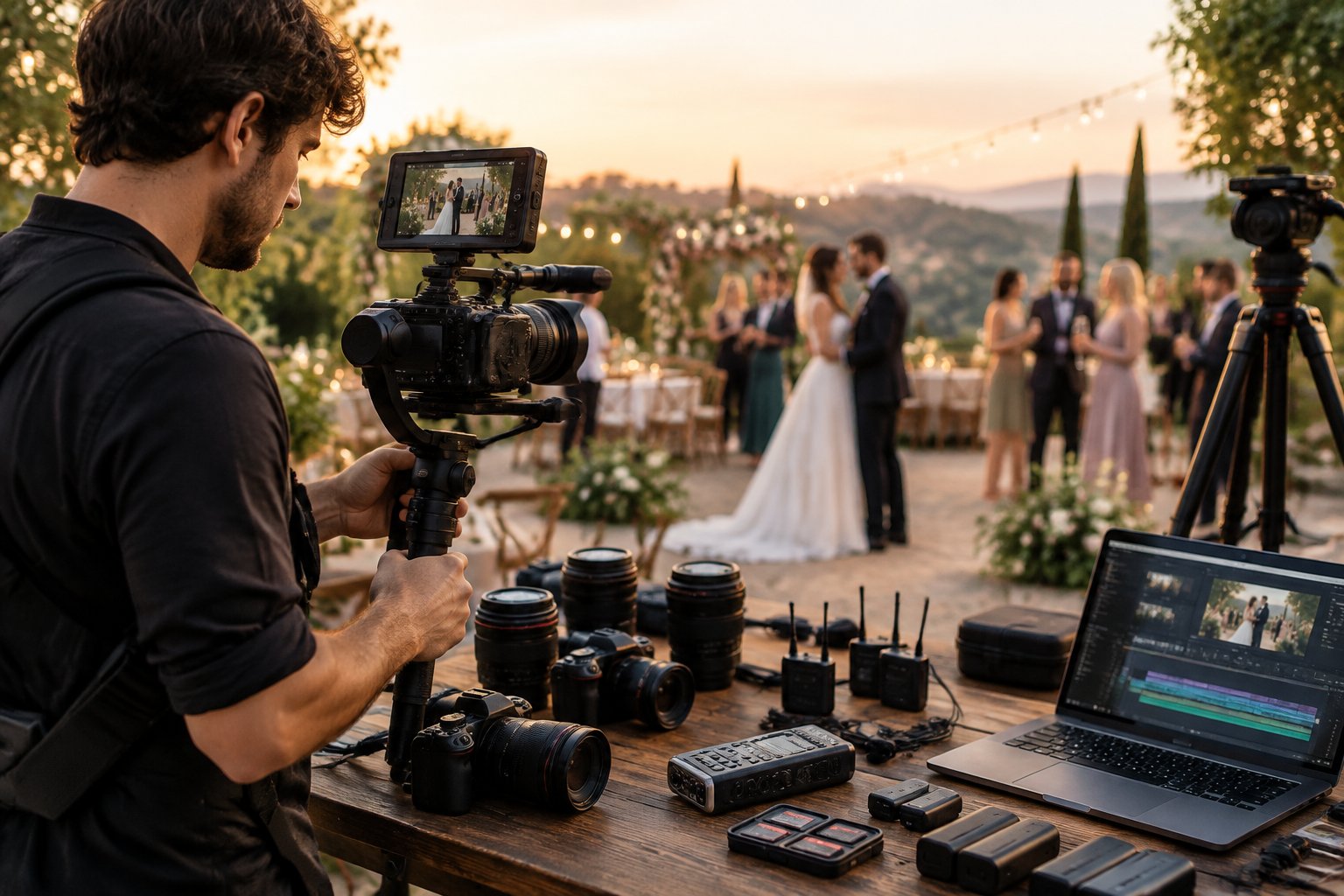
More hours increase your wedding videographer cost because they add filming time, preparation, file management, and editing. Getting-ready footage may require an early arrival, while an after-party extends the workday.
A short ceremony-and-reception plan may need four to six hours. A full wedding-day timeline with both partners getting ready, a first look, portraits, ceremony, dinner, dances, and late reception events may require eight to ten hours.
Ask whether the quote uses a flat package price or a wedding videographer cost per hour for extra coverage. Confirm the minimum booking time and the fee for extending coverage on the wedding day.
Crew Size, Equipment, and Filming Style
A second shooter or multiple videographers help cover separate locations and important moments at the same time. One person may film the ceremony while another captures the other partner getting ready or records guest reactions.
Equipment also shapes the quote. Cinema cameras, stabilizers, wireless microphones, lighting, and backup recording systems support a polished production. A documentary-style approach may use a smaller setup, while a cinematic style may involve more cameras and movement.
Ask how the team handles low light, crowded dance floors, and audio from the venue’s sound system. These details affect the quality of your edited wedding video.
Location, Travel, and Date Demand
Your wedding location affects wedding videographer rates through local labor costs, venue access rules, parking, permits, and travel time. Destination events may add lodging, mileage, airfare, or other travel fees.
Saturday dates during the busiest wedding months may carry higher demand. A weekday or off-season date may give you more scheduling options, depending on the studio.
Give each videographer your venue address, event schedule, guest count, and ceremony location. Ask for a written travel policy so you know whether mileage, lodging, permits, and overtime are included.
Editing Work and Final Deliverables
Post-production can take many hours after the wedding day. Your videographer reviews files, syncs cameras, selects moments, builds a story, and completes post-production editing.
Professional color grading gives footage a consistent look across changing lighting conditions. Audio mixing balances vows, music, speeches, and ambient sound. Music licensing may also affect the package price.
Clarify whether your quote includes a highlight film, full ceremony edit, full speeches, raw files, revision rounds, and online delivery. A lower upfront price may include fewer deliverables, while a higher quote may include more finished films and editing time.
Which Add-Ons Are Worth Paying For?
Prioritize add-ons that preserve moments you cannot recreate, especially strong audio, a second shooter, and complete edits of your ceremony or speeches. Choose creative extras according to your venue, timeline, and viewing habits.
Choosing Between a Highlight Film and Full-Length Edits
A highlight film gives you a concise, emotional story that is easy to watch and share. Full-length edits preserve complete vows, readings, speeches, and selected reception events.
Choose a highlight reel when you want a polished summary with a shorter viewing time. Add a full ceremony film or full speech edit when hearing every word and reaction holds high value for you.
Ask whether the full-length edit uses continuous coverage or a shorter documentary cut. Confirm whether separate edits for the ceremony, speeches, dances, and first look are included in the wedding videography package.
When to Add Drone Coverage or Guest Interviews
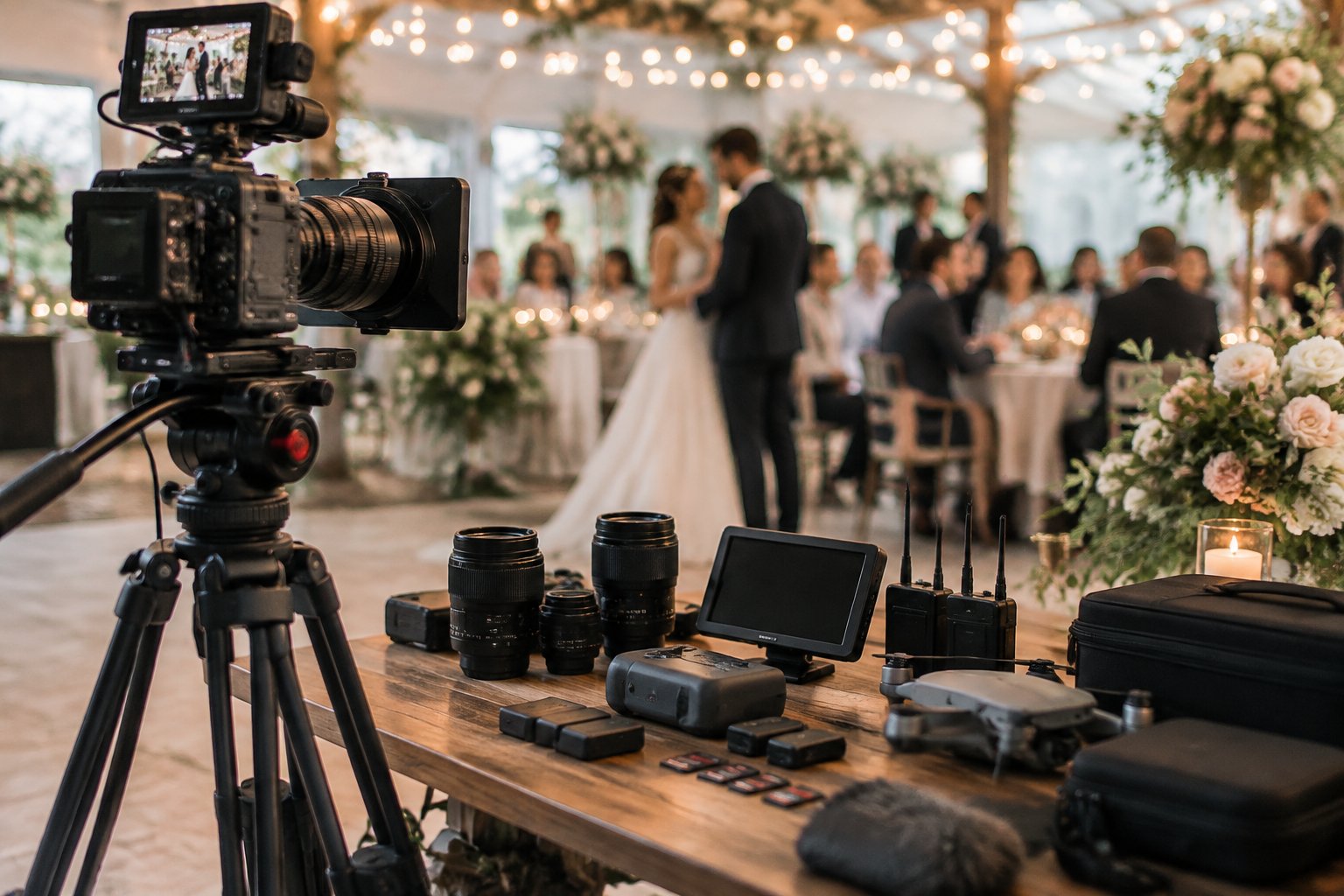
Drone footage suits venues with striking grounds, mountains, beaches, vineyards, or large outdoor layouts. Your videographer must follow local regulations, venue rules, and weather limits, so confirm that aerial filming is permitted.
Guest interviews add personal messages from friends and family. They work well when you want candid memories beyond the formal ceremony and reception footage.
Ask how interviews are planned, where they are recorded, and whether the videographer provides clean audio. A small interview setup with a quiet location produces more useful clips than rushed questions during a loud reception.
Content Creators and Social-Ready Clips
A wedding content creator focuses on quick vertical clips for social platforms, often captured on a phone or compact camera. This service gives you short moments soon after the wedding, while traditional wedding videography focuses on a carefully edited wedding film delivered later.
A content creator may also prepare behind-the-scenes clips, same-day posts, or short reception highlights. Confirm the delivery schedule, file format, music rights, and whether the creator works alongside your videographer.
You might also request a save-the-date video for engagement announcements or invitations. Include it in the contract with a clear filming date, editing style, delivery deadline, and revision policy.
How to Compare Videographers and Control Costs
Compare videographers by the quality of their sample films, the exact deliverables in the contract, and the way they capture sound, then reduce costs by trimming low-priority extras. A low quote becomes expensive when key services appear later as add-on fees.
Questions to Ask Before You Sign a Contract
Ask each professional these questions before booking:
- How many hours and videographers does the package include?
- Who will film and edit your wedding?
- Which parts of the day receive continuous coverage?
- How are vows and speeches recorded?
- What finished films and file types will you receive?
- Is raw footage included?
- How many revision rounds are included?
- What is the delivery timeline?
- Are travel, overtime, meals, and lodging included?
- What happens if the assigned videographer becomes unavailable?
- How much is the deposit, and when is the balance due?
- What cancellation and postponement terms apply?
Watch complete samples when possible, including ceremony audio and speeches. A short highlight reel shows editing style, while longer examples reveal pacing, sound quality, and coverage choices.
Bundling Wedding Photography and Videography
A wedding photographer and videographer from the same studio may offer a combined package. Bundling wedding photography and videography can simplify communication, scheduling, contracts, and venue coordination.
Compare the bundle with separate quotes for the same number of coverage hours and deliverables. Ask how the teams share space during key moments, since photographers and videographers need a coordinated plan for the ceremony, portraits, and reception.
Review the wedding photographer cost separately from the video price. A combined total may look attractive while including fewer edited photos, shorter video coverage, or limited delivery options.
Ways to Save Without Sacrificing Sound or Storytelling
Protect audio, coverage of your key events, and the editing style you want. Reduce costs by choosing fewer hours, booking one videographer for a smaller wedding, selecting a shorter highlight film, or skipping extras that do not fit your priorities.
Consider a weekday, Sunday, or off-season date if your venue and guest list allow it. Ask about a custom package built around the ceremony, speeches, first dance, and family moments.
You can also compare how many cameras you need for a wedding video before paying for extra camera coverage. Once you have two or three detailed quotes, select the package that matches your timeline and preserves the moments you plan to revisit most.