
How Many Cameras Do You Need for a Wedding Video? Essential Tips for Capturing Your Special Day
When planning your wedding video, one of the most important decisions you’ll make is about the number of cameras to use. We highly recommend having at least two cameras for capturing those special moments from different angles. This ensures that you don’t miss any key moments during your big day, allowing you to relive all the emotions and excitement later on.
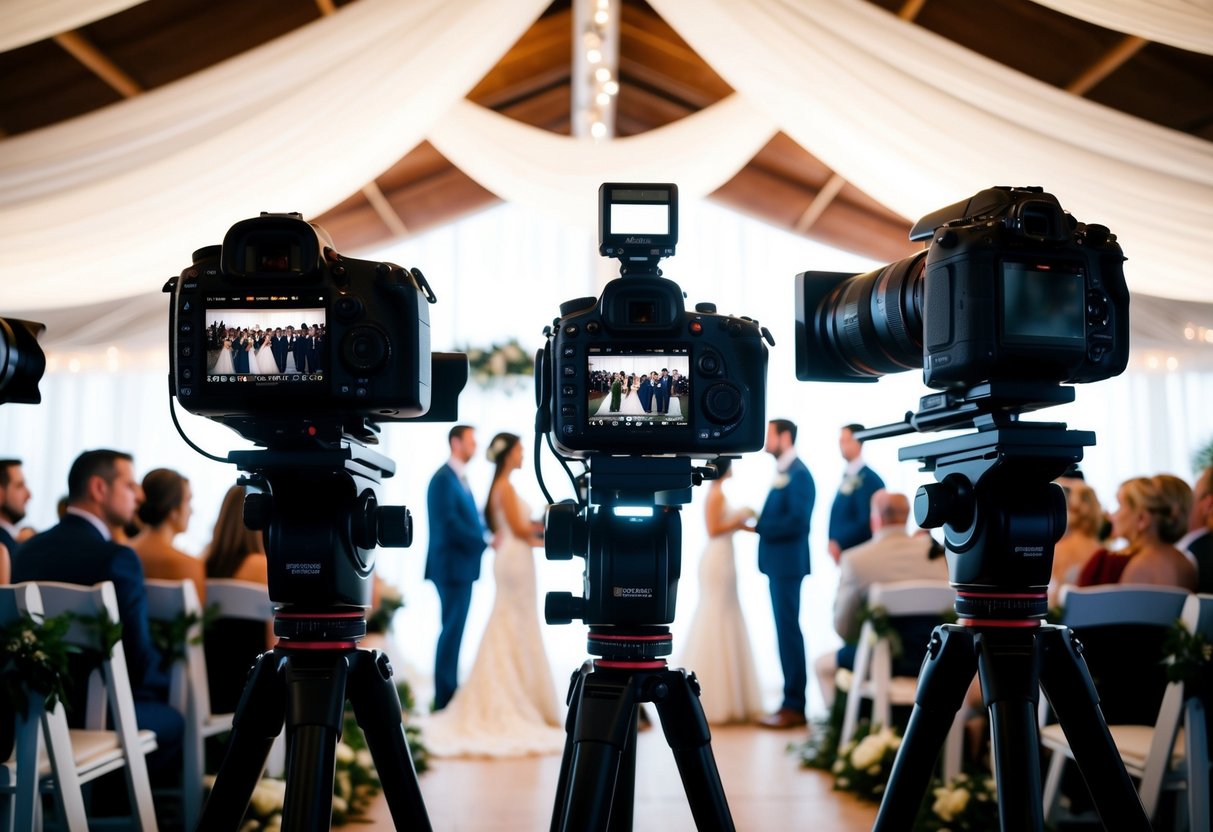
Using multiple cameras can enhance the overall quality of your wedding video. With different perspectives, you’ll get a richer story told through your footage. If you have the option, consider adding a third camera for even more coverage, which can really make a difference in how your memories are captured.
As you think through your videography needs, remember that the right equipment can turn your wedding video into a cherished keepsake. From the vows to the dance floor fun, you’ll want every detail captured beautifully for you and your loved ones to enjoy for years to come.
Determining Your Wedding Video Needs
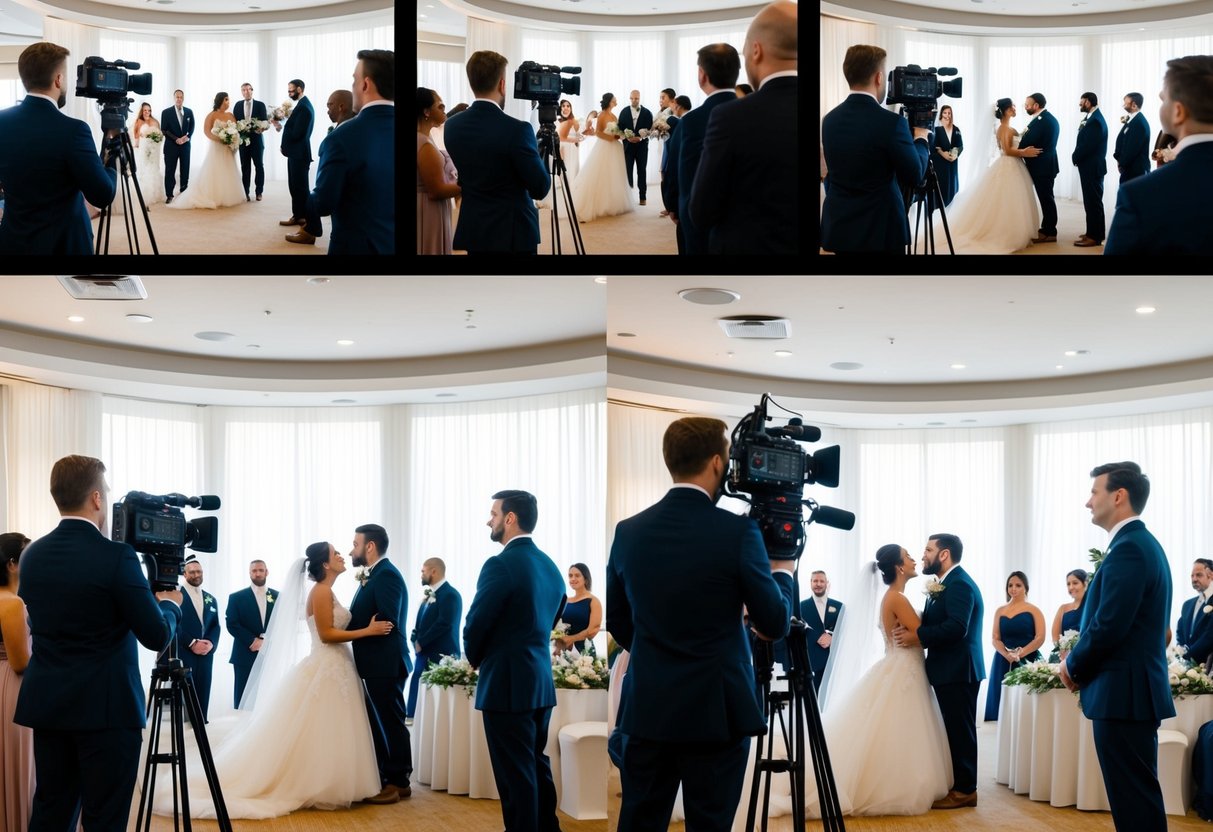
Choosing the right number of cameras for your wedding video depends on several factors. You should think about the ceremony’s size and scope, and how important different camera angles will be for capturing special moments.
Assessing the Size and Scope of the Ceremony
Think about how many guests you’ll have and where the event will take place. A larger wedding venue often means a more complex setup for filming.
If you have a big guest list, consider hiring at least two cameras. This way, you can capture different perspectives. Your videographer can focus on key moments, like the exchange of vows, while another camera captures reactions from guests.
Make sure to discuss your venue layout with your videographer. They can suggest the best spots to place cameras for maximum coverage. This will help ensure that no important moment is missed.
Understanding the Importance of Camera Angles and Coverage
Camera angles play a huge role in telling your wedding story. Different angles can highlight emotions and special interactions during the ceremony.
Having two or more cameras allows for a richer video experience. One camera can focus on the couple, while another captures the audience’s reactions.
Consider key moments you want to highlight. For example, zooming in on your first kiss or capturing laughter during speeches. Discuss these details with your videographer. They can help plan angles to make your video engaging and memorable. The right coverage will give you a beautiful keepsake of your special day.
Essential Camera Equipment for Wedding Videography
When planning for wedding videography, having the right camera equipment is crucial for capturing every special moment. You’ll want to choose a primary camera that meets your needs and consider the benefits of adding a second camera to enhance your coverage.
Choice of Primary Video Camera
Your primary video camera is key to capturing the main events of the wedding. A popular choice is the Canon 5D Mark IV. This camera offers excellent image quality and low-light performance, making it great for various lighting situations.
Consider features like 4K video capability and a reliable autofocus system. You’ll want a camera that allows you to shoot in different settings, from outdoor ceremonies to indoor receptions. The Sony A7SIII is another strong option, offering impressive dynamic range and frame rates to ensure you don’t miss a moment.
The Role of a Second Camera
Using a second camera can make a big difference in your videography. It allows you to capture different angles and perspectives simultaneously. This is especially useful during key moments, like vows or the first dance.
You might choose a camera similar to your primary option, like another Canon 5D Mark IV, or go for something more compact. Having an extra camera means you can film close-ups while the main camera captures broader shots. This approach gives your final video a richer, more dynamic feel, making every memory count.
The Wedding Videography Team
Your wedding videography team plays a crucial role in capturing your special day. Understanding their roles and how they collaborate can help ensure you get the best video possible.
Videographer vs. Camera Operator Responsibilities
A videographer is typically in charge of the overall video production. They plan, direct, and make creative decisions to ensure your wedding video tells the right story. Meanwhile, a camera operator focuses on operating the video camera. This person captures specific moments, working closely with the videographer to follow instructions and frame shots beautifully.
The videographer coordinates the team and monitors the equipment, while the camera operator handles the technical side of filming. Depending on the size of your wedding, there could be multiple camera operators, each covering different angles and scenes throughout your day. This teamwork is essential for capturing every moment.
Collaboration Between the Video and Photography Teams
Collaboration between your video and photography teams is vital for a seamless experience. Both teams should communicate openly about schedules and key moments, like the ceremony and reception. This helps avoid missing important shots.
Creating a shared timeline can help keep everyone on the same page. For example, if the photographer is getting ready for the first look, the videographer can be setting up to capture it. When both teams work together, they can ensure beautiful visuals from both wedding videography and wedding photography. This teamwork enhances the overall experience and gives you more memorable footage.
Post-Production and Editing
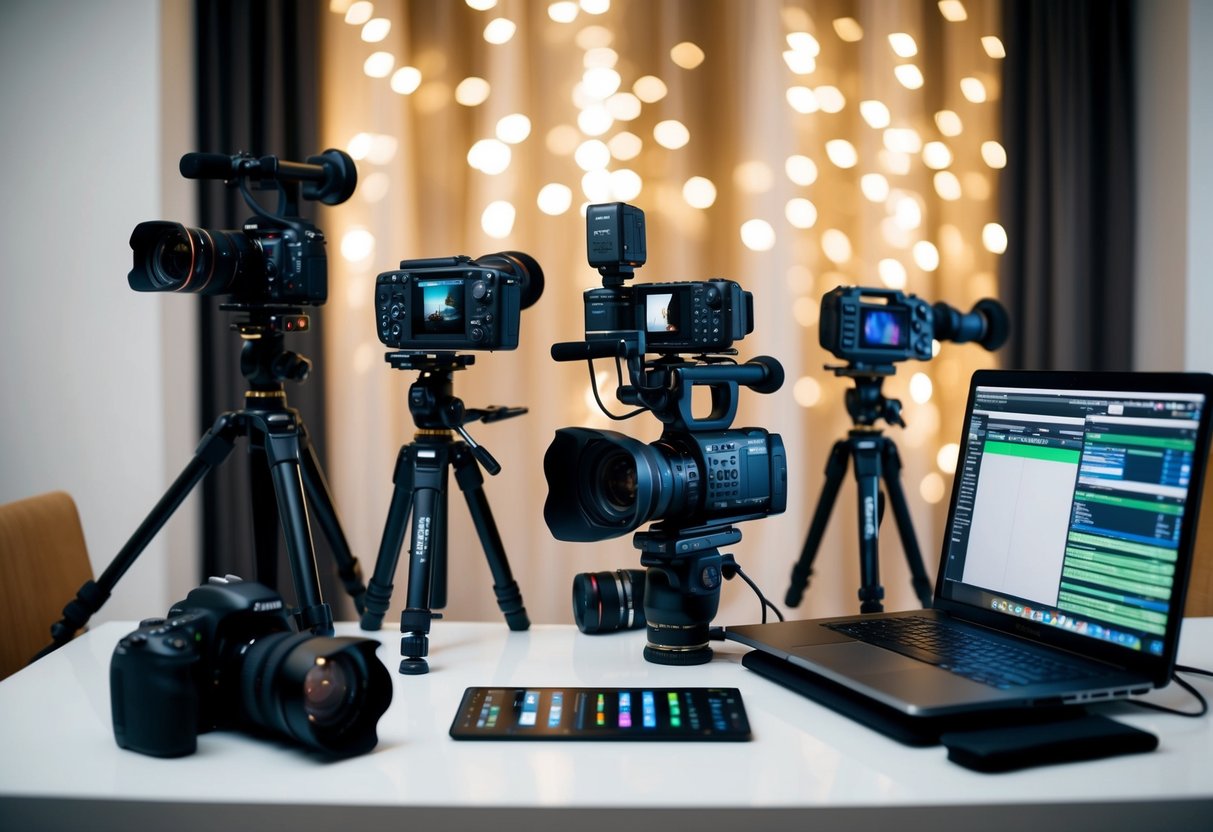
After filming your wedding, the next step is post-production. This is where all your creative shots come together.
Start by organizing your footage. You can sort clips by moments, like the ceremony, speeches, and dancing. This will make it easier to find what you need.
Next, focus on editing. You might want to use software like Adobe Premiere Pro or Final Cut Pro for this. Cutting unwanted parts and arranging the clips will help tell your story.
Lighting greatly affects the look of your video. If some shots are too dark, consider using brightening tools. Adjusting the colors can also enhance the mood.
Don’t forget about adding music or voiceovers. The right audio can bring your video to life and make it feel more personal.
Lastly, make sure to review your final edits. Watch your video multiple times to catch any mistakes or spots that could be improved. This attention to detail will ensure your wedding video looks fantastic!