
Barn and Farm Wedding Venues: How to Choose Yours
Your venue sets the mood, guest experience, and many of your planning costs, so choosing the right property deserves careful attention. For most couples, the best barn and farm wedding venues combine a character-filled barn, a dependable weather plan, comfortable guest facilities, and enough space for your ceremony and reception to flow smoothly.
A rustic setting gives you natural beauty, flexible spaces, and a warm atmosphere. You can host an outdoor ceremony, move into a restored barn for dinner, and use the surrounding fields, trees, or water for wedding photography.
The right property also supports your guest count, budget, vendor plans, and preferred wedding style.
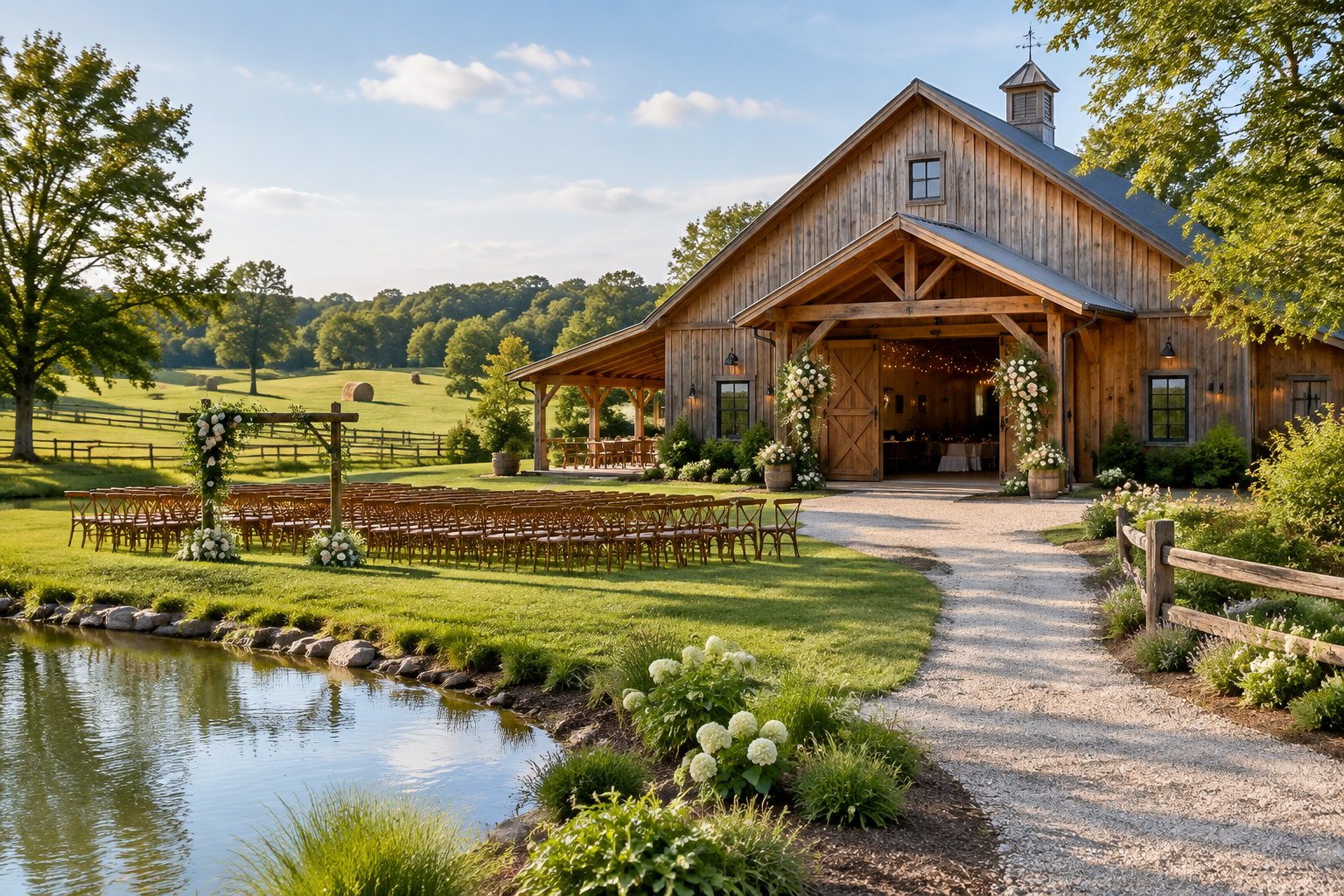
As you compare barn & farm weddings, focus on the details that shape the day after the venue tour: weather protection, access, included rentals, sound rules, parking, and the distance between event spaces. Use the questions below to narrow your choices, then explore venues that fit your celebration and contact the property for current availability.
What Makes a Great Barn or Farm Setting?
A great barn or farm setting gives you a strong sense of place while supporting every practical part of your wedding day. Exposed beams, open fields, mature trees, and natural light create a beautiful foundation, while comfortable facilities keep guests relaxed.
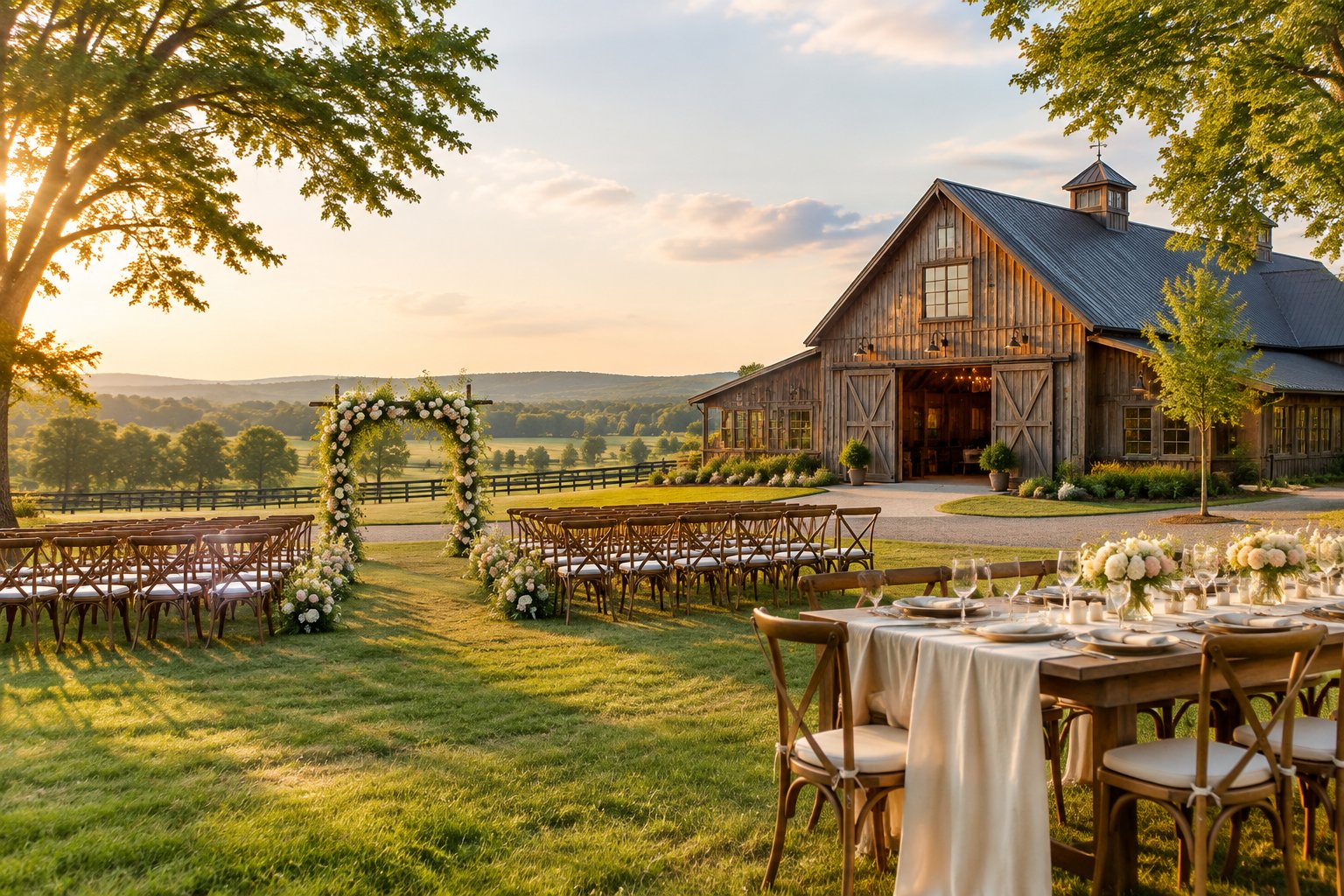
The most appealing rustic wedding venues pair scenery with a clear layout. Look for a farm wedding venue with a ceremony site, cocktail area, reception space, parking, restrooms, and photo locations that work together without long or difficult walks.
Barn, Farm, Vineyard, and Ranch: What Is the Difference?
A rustic barn places the building at the center of the celebration. You get timber, stone, wide doors, and a cozy indoor setting for dinner and dancing. Restored barns suit couples who want architectural character with room for refined décor.
A farm wedding venue includes working land, gardens, orchards, meadows, or historic buildings. The property may feature a barn, though the landscape carries much of the visual appeal. Farm wedding venues work well for outdoor ceremonies and relaxed receptions.
A vineyard offers rows of vines, tasting rooms, and a wine-country atmosphere. Many vineyard venues include a covered or enclosed event space, along with scenic paths for portraits.
A ranch brings wider views, open pasture, rugged details, and a casual Western feel. Ask about walking distances, terrain, livestock areas, and transportation between locations.
How Guest Count Shapes the Right Property
Start with your seated dinner capacity, then confirm the number for the ceremony, cocktail hour, dance floor, buffet, band or DJ, cake table, and guest book. A venue may hold more people for a ceremony than for a reception with tables and dancing.
Ask for a floor plan at your expected guest count. Check whether the layout leaves enough room for servers to move between tables and for guests to reach restrooms, bars, exits, and outdoor areas.
Smaller properties often suit intimate weddings because guests stay connected throughout the day. Larger venues give you more room for separate ceremony and reception zones, larger entertainment setups, and weather backup plans.
Indoor-Outdoor Flow for the Ceremony and Reception
Choose a property where guests can move easily from the wedding ceremony to cocktails and dinner. A short, well-lit path helps the day feel organized, especially for older guests and anyone using mobility aids.
Look for an outdoor ceremony site with a nearby indoor reception area. Confirm where guests go during a room reset, whether chairs are moved between spaces, and who handles that work. Ask to walk the route during the same season and time of day as your wedding.
How to Evaluate a Venue Before You Book
Evaluate a venue by comparing its weather plan, guest comfort, package inclusions, vendor policies, and event rules in writing. A beautiful property becomes easier to book with confidence when every cost and responsibility is clear.
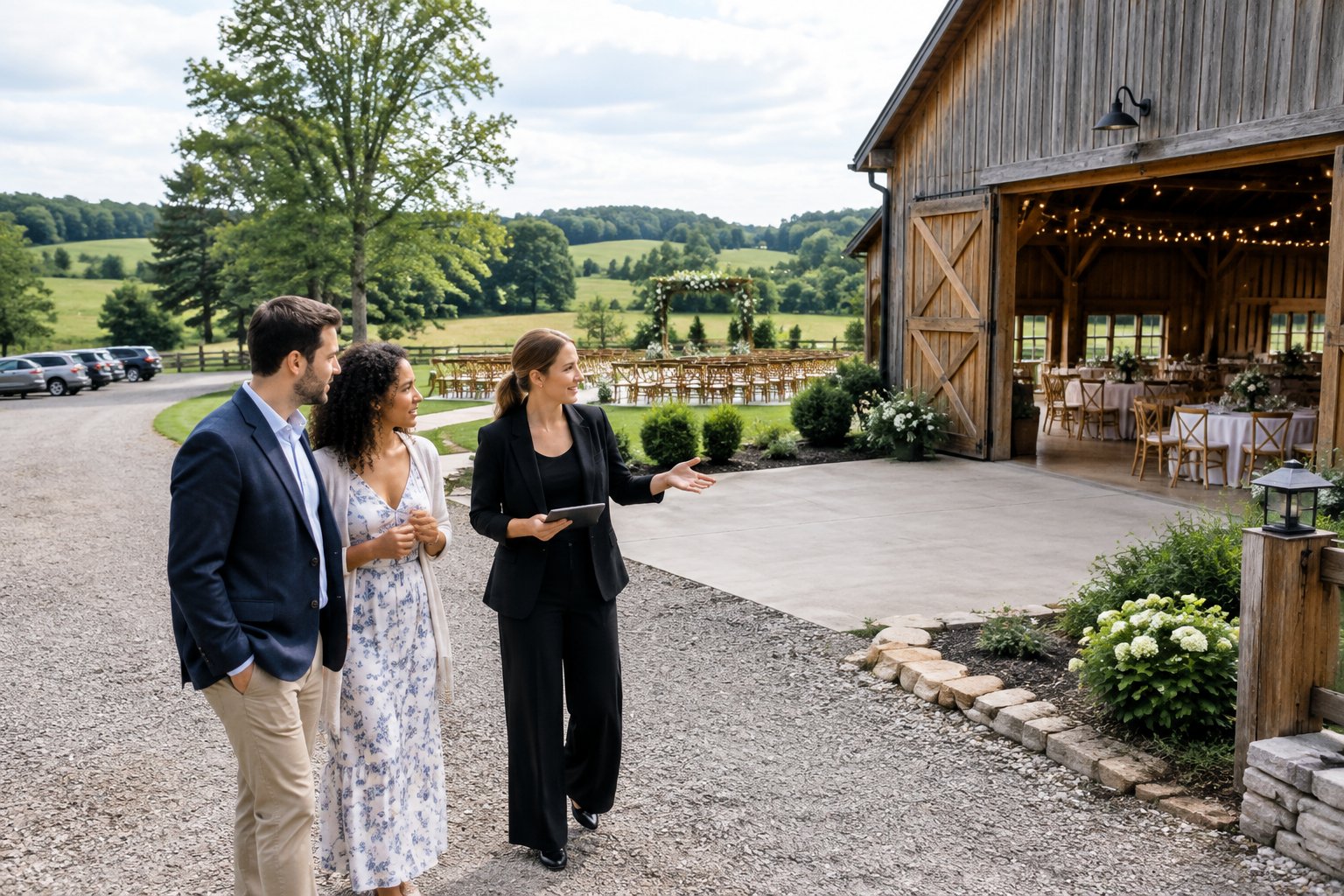
Tour the space during the season you prefer when possible. Ask to see real wedding galleries, including daytime and evening examples, so you can judge lighting, layouts, and seasonal conditions.
Is There a Reliable Weather Backup Plan?
A reliable plan gives every guest a comfortable place for the ceremony and reception if rain, wind, heat, or cold changes your schedule. Ask whether the barn itself holds your full reception layout and whether the ceremony can move indoors without removing tables.
Confirm who makes the weather call, how much notice vendors receive, and whether a tent, flooring, fans, heaters, or extra lighting costs more. A backup plan that requires a rushed rental order creates extra stress and expense.
Do Climate Control and Accessibility Meet Guest Needs?
Ask how the barn is heated, cooled, and ventilated during your wedding season. Historic buildings may use fans, portable heaters, air conditioning, or a combination of systems. Request details about noise, power, and placement.
Check accessible parking, paths, entrances, restrooms, seating areas, and transportation options. Walk the property to identify gravel, steep slopes, uneven ground, and poorly lit routes. Guests should reach the ceremony, reception, and restrooms with ease.
What Is Included in Wedding Packages?
Request an itemized list of every inclusion. Depending on the venue, wedding packages may include tables, chairs, linens, lighting, setup, cleanup, catering, bar service, getting-ready rooms, and a venue manager.
Ask whether the coordinator handles your timeline or only manages the building. Confirm access hours for setup and breakdown, storage rules, ceremony chairs, and next-day pickup.
Clarify whether rehearsal dinners and bridal showers use separate spaces or require an additional booking.
Which Vendor, Décor, and Curfew Rules Matter Most?
Ask whether you can select your own caterer, bar team, florist, rental company, DJ, and wedding photography team. Preferred vendor lists may offer convenience, while outside-vendor policies affect your choices and budget.
Confirm rules for candles, hanging décor, open flames, confetti, pets, food trucks, generators, and amplified music. Review the event end time, cleanup deadline, overtime rate, alcohol policy, insurance requirements, and cancellation terms before paying a deposit.
Where Can You Find the Right Regional Style?
Choose your region by matching the landscape and travel experience to the atmosphere you want for your wedding. The Catskill Mountains and Hudson Valley offer wooded estates and rolling farmland, while New Jersey, New England, and mountain regions bring their own architecture, terrain, and seasonal character.
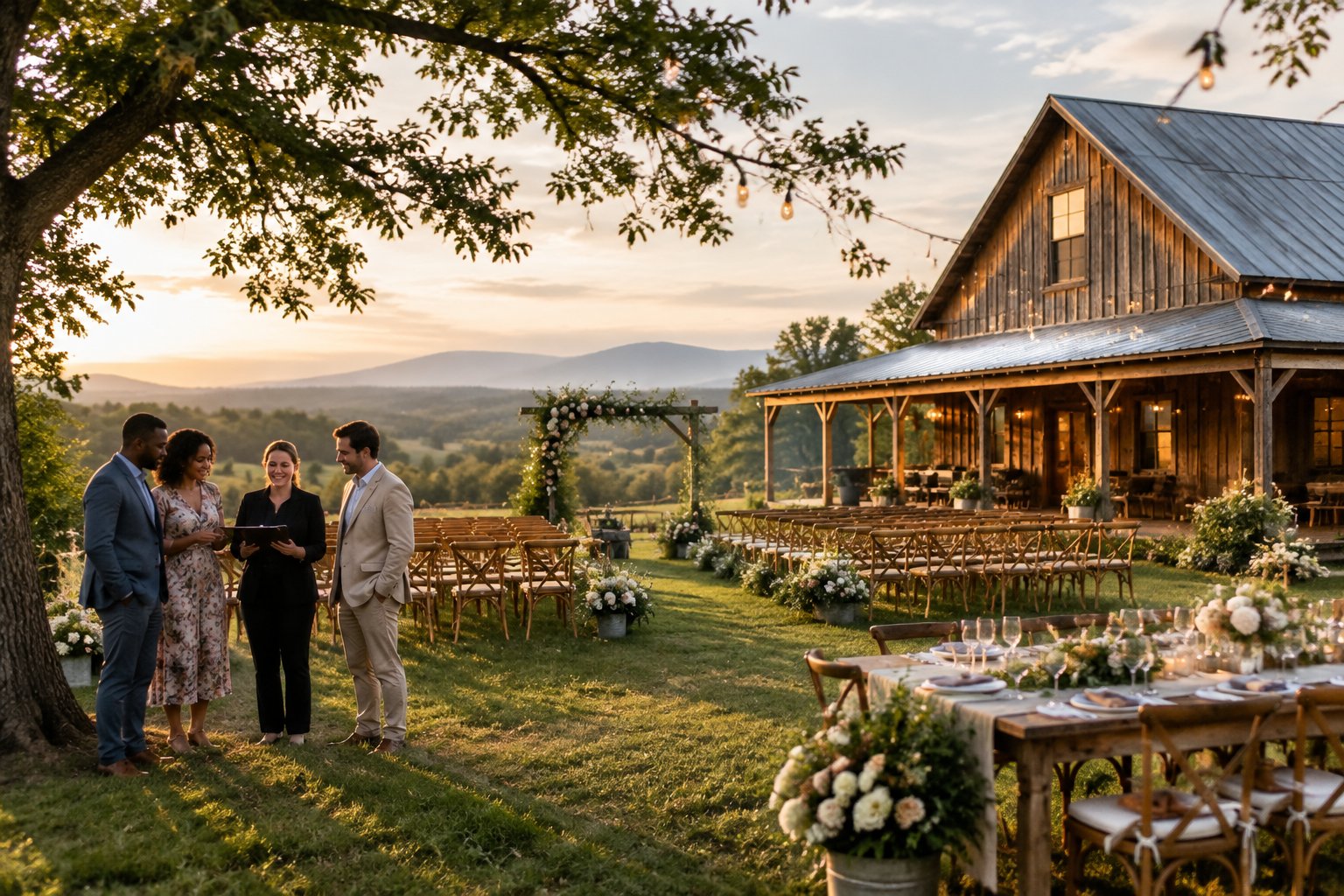
Consider guest travel, nearby hotels, weather patterns, local vendor access, and the type of scenery you want in your ceremony and wedding photography. A regional search becomes more useful when you pair location with guest count and venue style.
Catskill and Hudson Valley Escapes
The Catskill Mountains and Hudson Valley suit couples who want rolling fields, forest edges, water views, and historic farm properties. Areas near Camptown, Leeds, and other Hudson Valley communities offer a countryside feel within reach of larger New York markets.
Properties in this region may support weekend celebrations with lodging, rehearsal dinners, and several outdoor photo locations. Ask about steep paths, shuttle needs, nearby accommodations, and fall weather if colorful foliage is part of your plan.
New Jersey Countryside Celebrations
Barn wedding venues in New Jersey give you access to farms, orchards, vineyards, and restored estates across a range of landscapes. The countryside can feel remote while remaining accessible for guests traveling from New York City, Philadelphia, and nearby towns.
Ask about traffic, parking, noise restrictions, and guest lodging. Properties in Sussex and Oxford offer different rural settings, so compare the landscape, building style, and travel time before choosing.
New England Barn Character
New England barns often feature weathered siding, stone foundations, timber frames, and fields bordered by trees. The architecture creates a strong backdrop for candlelit receptions, seasonal flowers, and classic wedding photography.
Check heating, access roads, and indoor capacity for spring and late-fall dates. Older properties may have charming details that require careful planning for restrooms, power, accessibility, and guest transportation.
Mountain and Vineyard Backdrops
The Pocono Mountains provide wooded slopes, lakes, and open valley views. Mountain venues work well for couples who want a retreat-like wedding, especially when the property includes cabins or nearby lodging.
Vineyard settings create a polished countryside feel through rows of vines, tasting rooms, and sunset views. Compare mountain and vineyard properties by ceremony privacy, reception weather protection, transportation, and the distance between guest lodging and event spaces.
Venue Examples for Different Wedding Visions
The best venue example depends on the experience you want, from a full-service estate to a nature-focused weekend or a refined vineyard celebration. Compare the property’s setting, service model, architecture, and guest experience before comparing photos alone.
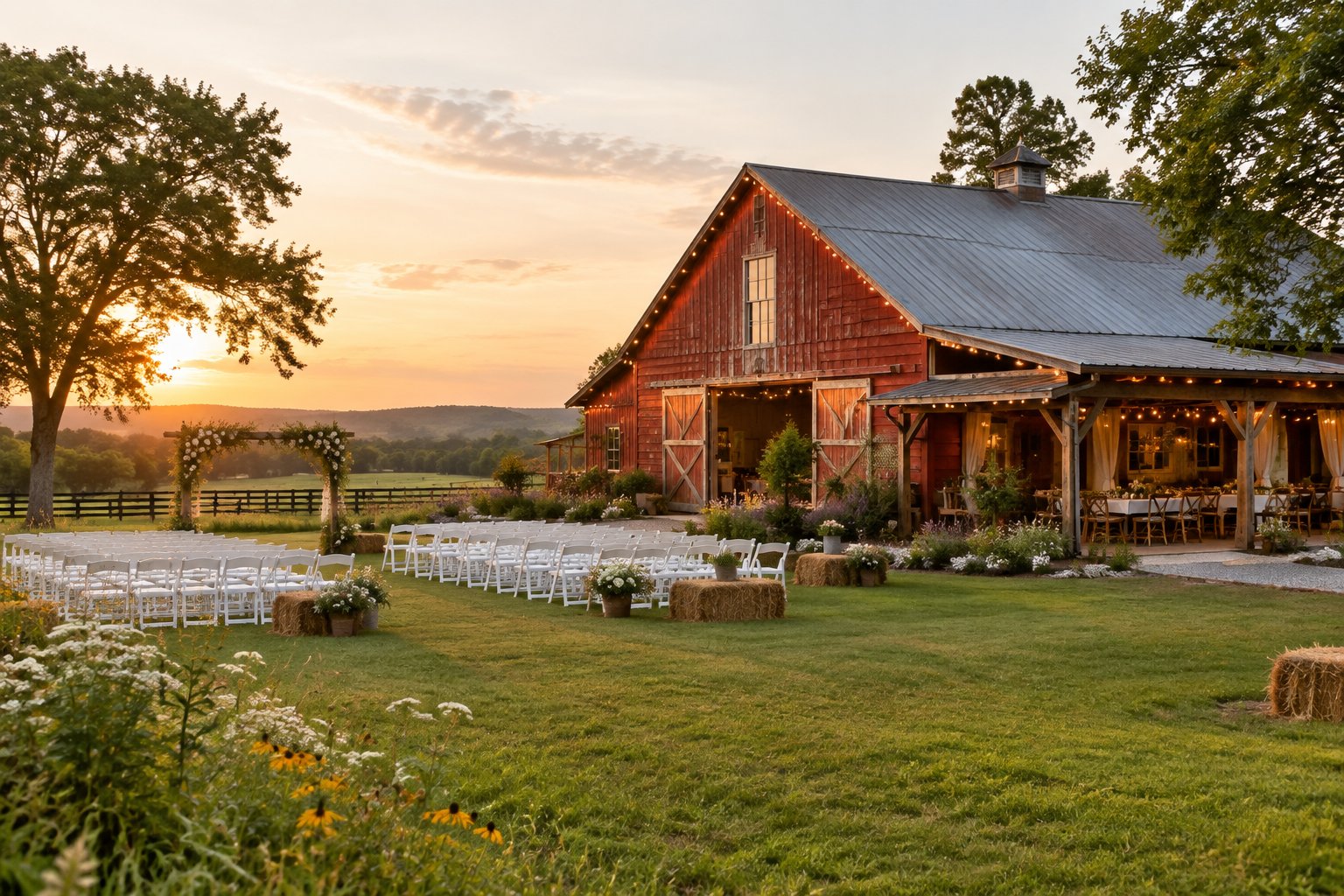
Named venues can help you clarify your priorities. Use them as style references, then confirm current capacity, pricing, inclusions, and availability directly with each property.
For a Full-Service Historic Estate
Perona Farms fits a couple who wants a well-established estate setting with a strong service structure. Its identity combines historic farm character with dedicated event spaces, making it a useful reference for couples who value a guided planning experience.
Ask about the exact reception room, package tiers, cocktail spaces, ceremony options, and included services. A full-service estate can reduce vendor coordination, though you should still review the package line by line.
For a Scenic, Nature-Forward Weekend
Tyler Hill Camp suits a wedding vision centered on time together, outdoor scenery, and a weekend retreat. A camp-style property can support lodging, group activities, rehearsal events, and a relaxed celebration across several days.
Confirm lodging assignments, meal service, weather plans, transportation, quiet hours, and which spaces your group can use. Weekend properties require a clear schedule for guests, vendors, and shared amenities.
For an Elegant Restored Barn
The Barn at Wesleyan Hills offers a useful model for couples who want rustic architecture with an elevated reception style. A restored barn can provide exposed wood, open interior volume, and a flexible backdrop for polished florals, linens, and lighting.
Ask about indoor capacity, climate control, ceremony locations, getting-ready rooms, and the venue’s preferred vendor structure. Review evening photos to see how the space feels after sunset.
For a Vineyard-Inspired Celebration
Zenith Vineyard suits couples who want a wine-country atmosphere with vineyard scenery and a refined countryside tone. Rows of vines can shape the ceremony backdrop, cocktail-hour setting, and portrait locations.
Ask whether the celebration takes place in a barn, tasting room, covered terrace, or separate event building. Confirm rain coverage, wine service, menu options, transportation, and the seasonal appearance of the vines.
How Much Do Barn and Farm Weddings Cost?
Barn and farm weddings cost anywhere from a few thousand dollars for a basic rental to $15,000 or more for a package, before you add every wedding expense. Your date, region, guest count, access time, infrastructure, catering model, and included services drive the final number.
For context, venue-only pricing often falls around $2,000 to $15,000, while a full wedding with food, drinks, rentals, coordination, décor, and transportation can reach $15,000 to $40,000 or more. Treat these as planning ranges and request a current proposal from each property.
What Drives the Venue Fee?
Peak Saturday dates in September and October command higher rates in many markets. Friday, Sunday, winter, and selected midsummer dates may reduce the rental fee, with weather and climate control still requiring careful review.
Location, guest capacity, exclusive use, lodging, event hours, and building quality also affect price. A restored, climate-controlled barn with paved parking and a catering kitchen carries different costs from a basic farm rental.
Which Rentals and Upgrades Are Easy to Miss?
Add these items to your first budget draft:
- Tables, ceremony chairs, linens, glassware, and place settings
- Restroom trailers, if permanent facilities do not fit your guest count
- Heating, cooling, fans, patio heaters, or tent flooring
- Lighting, power, generators, and sound equipment
- Setup, teardown, cleaning, trash removal, and damage deposits
- Event insurance, liquor liability coverage, and corkage fees
- A day-of coordinator and guest shuttles
- Catering kitchen access, cake service, and vendor meals
Review whether the venue supplies one set of chairs for both ceremony and reception. If staff must move them during cocktail hour, confirm that labor is included.
How to Compare Proposals Fairly
Create a total for each venue by adding the rental fee to every service the proposal excludes. Place package prices beside rental-only prices after you price catering, bar service, rentals, restrooms, transportation, coordination, insurance, and cleanup.
Ask each venue to state taxes, service charges, deposits, payment dates, overtime, cancellation terms, and rescheduling rules. A lower starting price may require more planning and rentals, while a higher package may include services that reduce your workload.
For additional budgeting ideas, compare affordable wedding venues and what most wedding venues cost as you set your planning range.
How to Make a Rustic Celebration Feel Personal
Make a rustic celebration personal by using the property as a foundation, then adding details tied to your story, taste, and guest experience. Exposed wood and open fields provide atmosphere, so your design can focus on meaningful colors, textures, food, music, and moments.
The strongest barn wedding ideas feel connected to the setting and your relationship. Choose details that support the day’s flow, comfort, and memories.
Choosing a Design Direction Beyond Mason Jars
Start with a palette drawn from the landscape, such as cream, sage, terracotta, warm wood, or deep green. Layer in linen, stone, glass, ceramic, candlelight, and seasonal flowers for a polished rustic look.
Let the barn’s beams, doors, floors, and windows remain visible. Use focused floral installations, refined tableware, tailored linens, or a statement bar to add personality without covering every surface.
For more styling inspiration, browse rustic wedding décor ideas and barn wedding table decoration ideas.
Planning Photo Moments Without Disrupting the Day
Share a property map with your photographer and identify portraits near the ceremony site, barn exterior, fields, water, gardens, or tree lines. Schedule portraits around travel time, sunset, guest transitions, and meal service.
Ask whether any areas have restrictions or active farm operations. Plan a few meaningful locations, then leave room for candid images during cocktails, dinner, dancing, and the evening send-off.
Creating a Comfortable Guest Experience
Offer practical support for uneven paths, changing weather, and rural travel. Clear signs, well-lit walkways, accessible seating, comfortable restrooms, parking help, and shuttle service reduce confusion.
Prepare for the season with fans, heaters, blankets, water stations, insect protection, and indoor lounge space where needed. Add personal touches through family recipes, handwritten notes, local food, meaningful songs, or a display of photographs from your life together.