
Beach Location for Wedding: How to Choose the Right Setting
A beach location for wedding celebrations works best when its beauty, access, privacy, and backup plans fit the way you want to spend your day. A resort suits couples who want guest rooms, catering, and event support close by. A private shoreline or public beach suits a smaller gathering that puts the setting first.
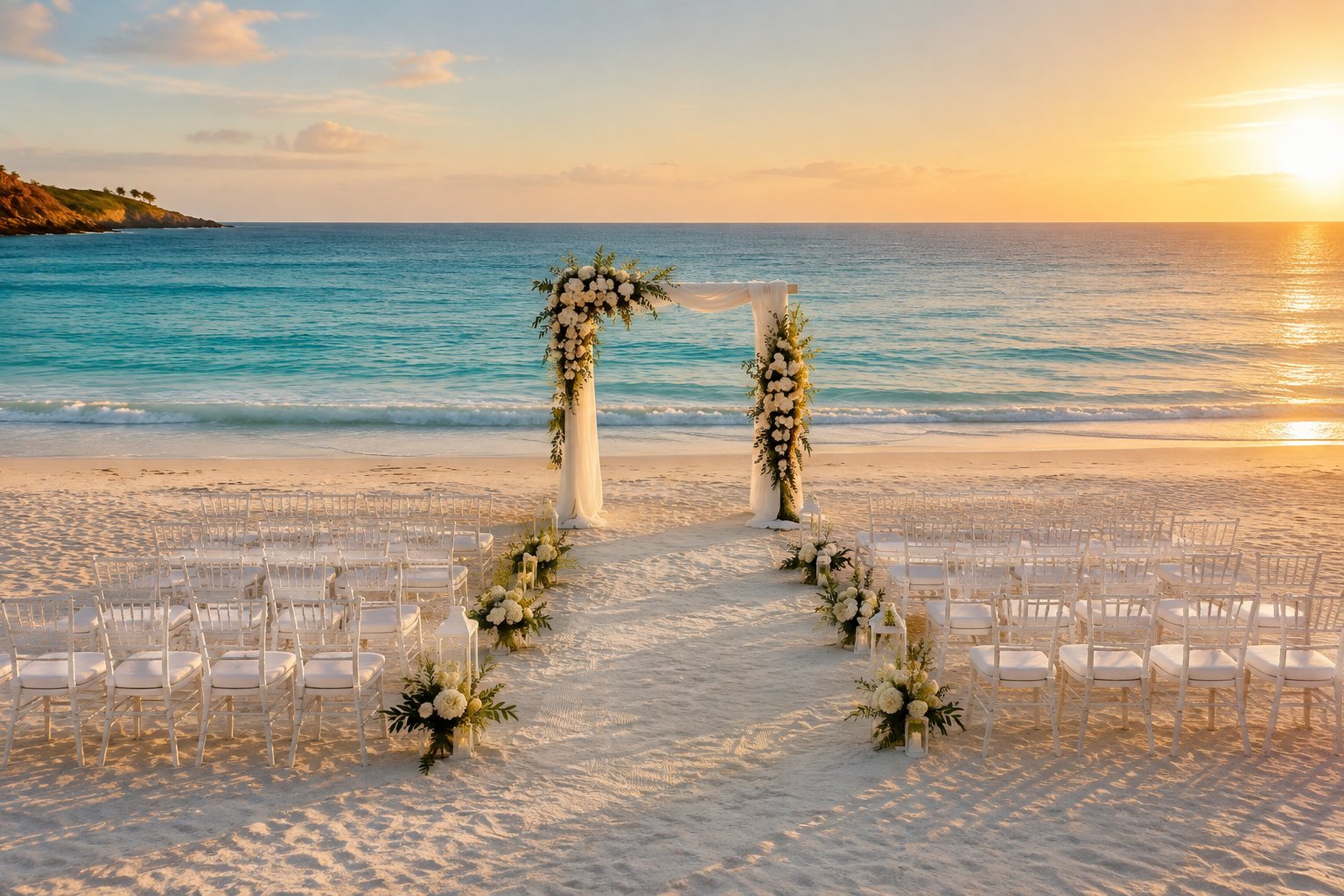
Start by choosing the feeling you want your beach wedding to create. Wide sand and calm water support a relaxed ceremony, while rocky shores, dunes, or dramatic cliffs bring a more natural coastal wedding style. Your choice also shapes guest comfort, vendor access, photography, and the cost of every rental.
A beautiful shoreline becomes much easier to enjoy when the details are handled early. If Clearwater Beach or Sand Key fits your guest list and style, the local planning team can manage the required permits and ceremony coordination, with Clearwater Beach permits listed at $250 and Sand Key permits ranging from $350 to $500 by guest count.
How to Choose the Right Coastal Setting
Choose a coastal setting that matches your wedding style first, then confirm travel, access, privacy, weather, and local rules before you book. A private beach may create a calm ceremony, while a resort offers services that reduce planning work. Public beaches can provide a memorable setting with more permit and setup details to manage.
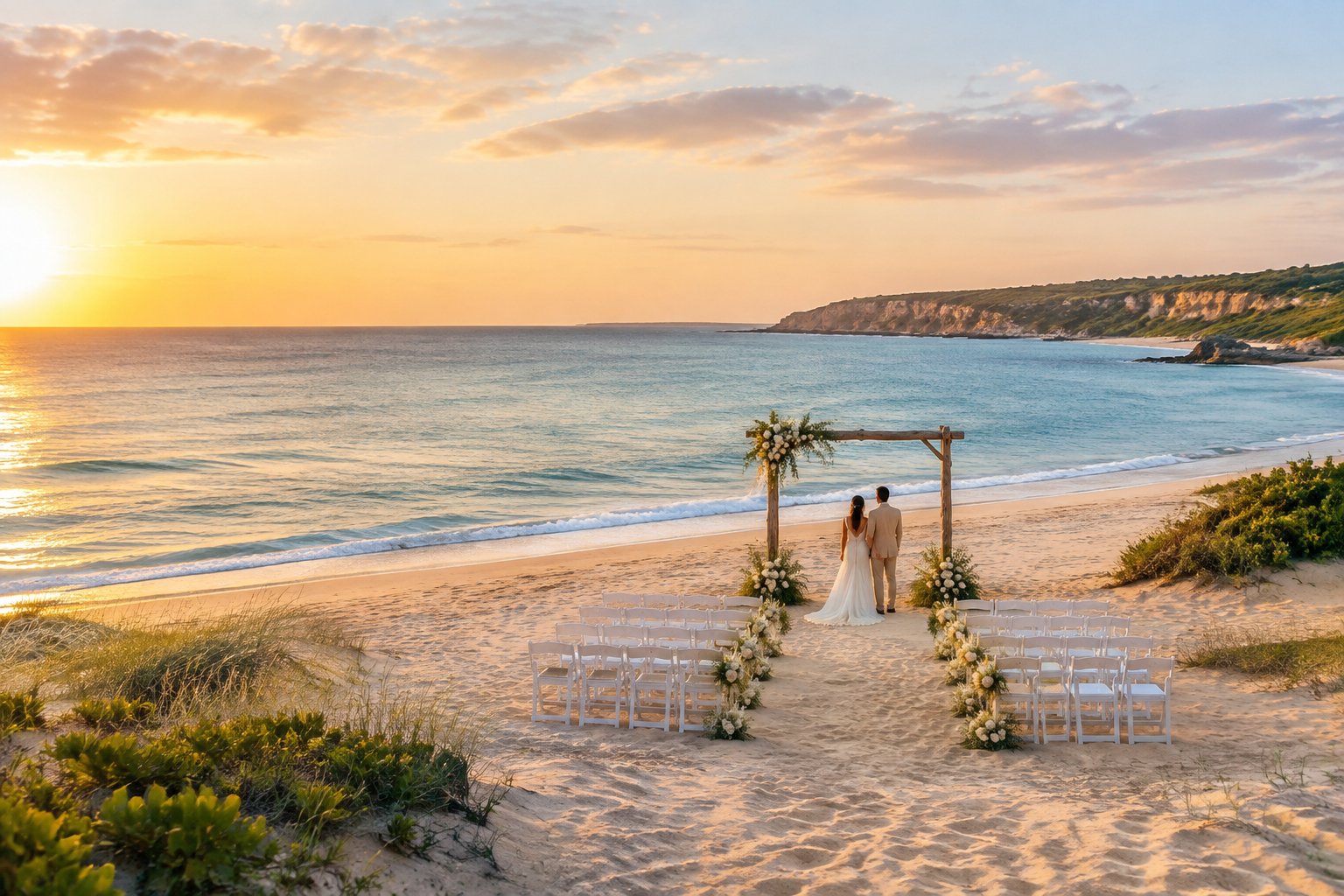
Your ideal spot should support the full guest experience, from arrival through the reception. Check the shoreline, nearby lodging, restroom access, shade, parking, and a protected space for changing clothes or moving indoors.
Match the Shoreline to Your Wedding Style
A broad, level beach works well for a casual outdoor wedding with rows of chairs, a ceremony arch, and space for photographs. Calm water creates a softer setting for beach ceremonies, while dunes and native grasses add texture and privacy.
For an elegant oceanfront wedding, look for a property with a terrace, lawn, or covered dining area near the sand. This lets you hold the wedding ceremony beside the water and move guests to a stable surface for dinner and dancing.
Think about the time of day as well. Morning offers cooler temperatures and softer activity on many beaches. Late afternoon brings warm light and sunset views, while a midday ceremony needs shade, water stations, and a shorter guest wait.
Decide Between a Local Celebration and a Destination Wedding
A local wedding keeps travel simple and gives you more chances to visit the site, meet vendors, and check the shoreline in person. It also helps guests avoid flights and extended hotel stays.
A destination wedding turns the event into a shared trip. Choose a destination wedding location with nearby airports, lodging in several price ranges, dining, and activities for guests who stay beyond the ceremony. Resorts in popular beach wedding destinations may offer wedding packages that combine the ceremony, reception, food, and coordination.
Use a written guest budget before selecting the coast. Include transportation, rooms, meals, and time away from work. For more help weighing both formats, compare how to decide between a local or destination wedding.
Prioritize Guest Access, Privacy, and Amenities
Walk the route from parking or drop-off to the ceremony area. Soft sand, steep paths, and long distances create problems for wheelchairs, older guests, young children, and anyone wearing formal shoes. Ask about beach wheelchairs, boardwalks, shuttles, and vendor loading access.
Privacy also needs a clear definition. A private beach may still have nearby homes, hotel guests, or public paths. Ask who can enter the ceremony area and whether another event can take place nearby.
Confirm restrooms, changing rooms, shade, seating, power, lighting, and a secure place for gifts. If the reception remains outdoors, ask how the venue protects food, music equipment, and guests from wind and moisture.
Compare Beach Venue Types Before You Book
A full-service beach resort is the easiest choice for couples who want lodging, food, and event support in one place. Private properties offer control and privacy, while beach clubs, hotels, and distinctive waterfront sites give you more structure and shelter.
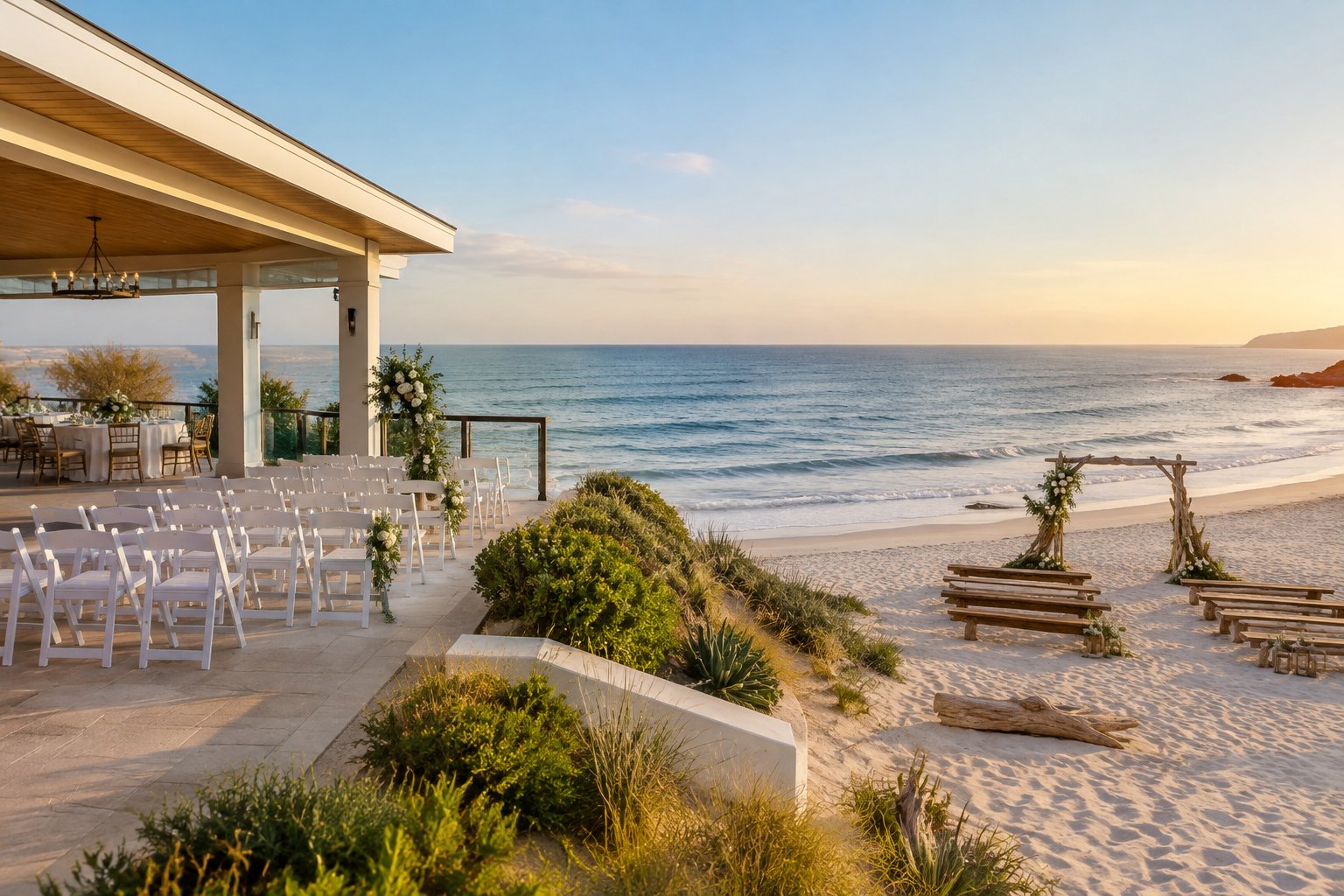
Compare each venue by guest capacity, ceremony location, reception surface, lodging, catering rules, setup time, and rain plan. A lower rental fee can require more outside rentals and coordination, so review the complete event cost.
Full-Service Beach Resorts
A beach resort packages many moving parts into one property. You may find ceremony spaces, reception rooms, guest lodging, catering, staff, and luxurious accommodations within a short walk.
Ask whether the package includes chairs, an arch, linens, flowers, photography time, a coordinator, and a private reception area. Some resorts use the same beach for several events, so confirm the exact ceremony site and your reserved hours.
Resorts work well for destination weddings with guests arriving from several states. Group room blocks and on-site dining reduce travel between events. Review service charges, resort fees, outside-vendor rules, and minimum food and beverage spending before signing.
Private Homes, Estates, and Ranches
A private home or estate gives you a personal setting with more control over décor, music, and the daily schedule. A coastal ranch can add open land, gardens, or covered structures for a relaxed celebration.
Confirm the property’s event license, guest limit, parking, restrooms, power, noise rules, and cleanup requirements. Ask whether the owner permits tents, outside catering, amplified music, and overnight stays. A home with a scenic beach view still needs a practical space for dinner and a weather backup.
This venue type suits smaller celebrations where you want guests to gather in one shared setting. Plan for extra rentals and a coordinator if the owner provides only the property.
Beach Clubs, Hotels, and Banquet Halls
A surf club, hotel, or banquet hall near the beach gives you a ceremony location close to a reliable reception space. Guests can enjoy ocean views during the vows and move to air-conditioned dining, restrooms, and a dance floor afterward.
Ask whether the beach is public or controlled by the property. Confirm the walking distance, ceremony sound rules, guest seating, meal service, bar setup, and end time.
A hotel may offer guest rooms and meeting space, while a conference center can handle a larger group with organized parking and indoor capacity. Compare the room rental, catering minimum, service fee, and overtime charge as one package.
Historic Sites and Unexpected Waterfront Spaces
A national historic landmark, aquarium, waterfront museum, or marina can give your wedding a strong sense of place. These venues often provide distinctive architecture, exhibits, decks, or indoor rooms that support creative photographs and weather protection.
Ask about preservation rules, open flames, decorations, music, guest movement, and vendor access. An aquarium or museum may restrict food, flowers, photography areas, and setup times.
A waterfront restaurant, bed and breakfast, or renovated coastal property can create a more intimate experience. Use wedding venue ideas to compare these settings with traditional beach properties.
Top U.S. Coastlines for a Seaside Celebration
The best U.S. coastline comes down to the atmosphere you want: Atlantic beaches offer historic coastal towns, the Gulf of Mexico brings calm water and warm sunsets, and the Pacific Ocean delivers dramatic scenery. Hawaii and the Florida Keys add an island-style setting within the United States.
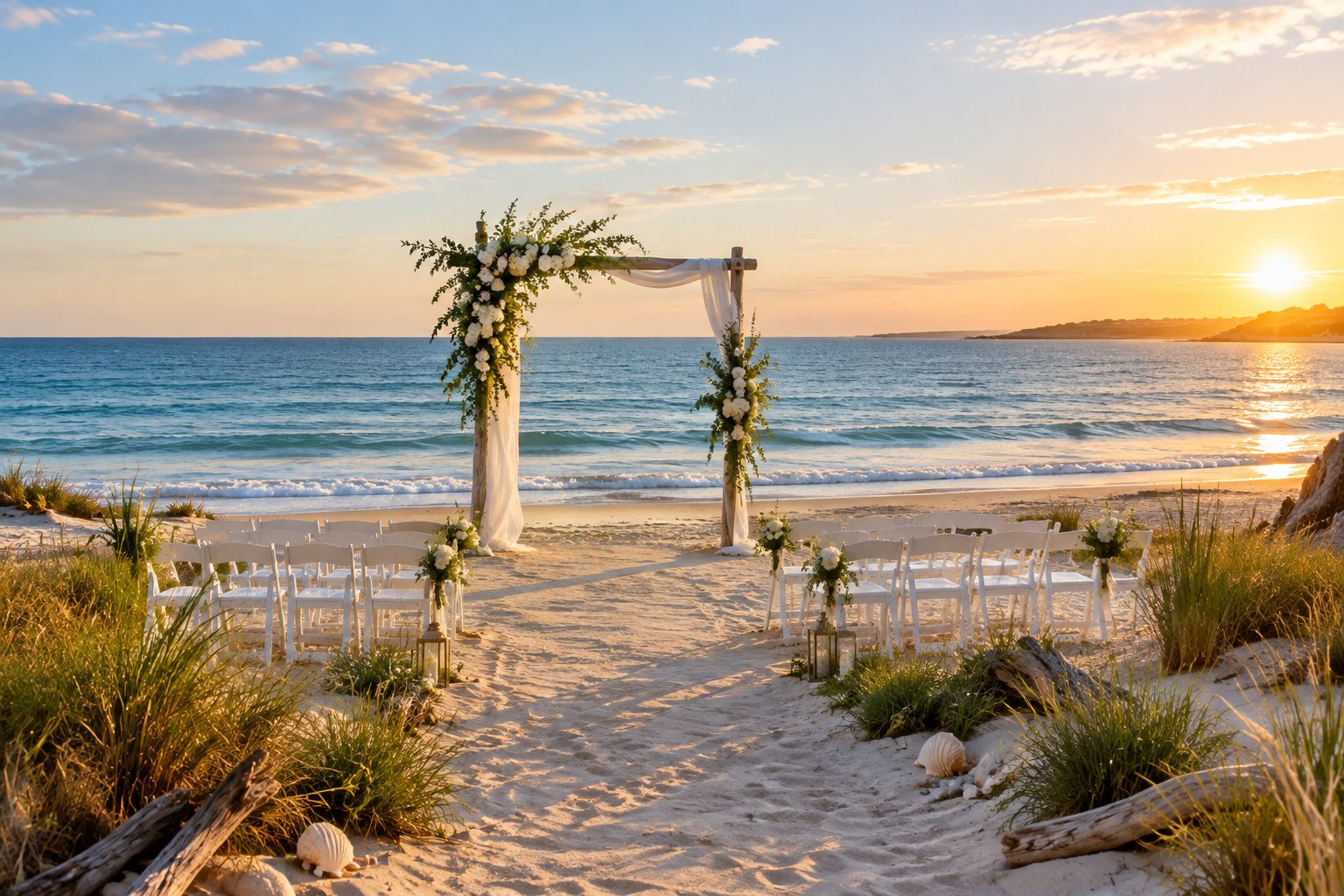
Research each area’s wedding permits, storm season, travel routes, lodging, beach access, and local event rules. A famous shoreline may have more vendor choices and guest amenities, while a quieter town may offer a calmer ceremony.
Atlantic Ocean Venues From New England to the Carolinas
The Atlantic coast gives you a wide range of settings, from New England harbors to Southern barrier islands. The Outer Banks and Nags Head offer dunes, broad beaches, and relaxed vacation homes. Westbrook, Connecticut, brings Long Island Sound views and a classic New England feel.
Long Island Sound beaches can suit an intimate ceremony with calmer water and nearby historic towns. Bridgehampton, New York, adds a polished Hamptons setting with estates, hotels, and restaurants close to the shore.
Atlantic weather changes by season, so ask about wind, water temperature, hurricane risks, and the venue’s indoor plan. Dune protection rules can also affect where guests, arches, and rental equipment may stand.
Gulf of Mexico Venues in Florida
The Gulf of Mexico is known for soft sand, warm water, and sunset ceremonies. Clearwater, Florida, offers a lively beachfront district with restaurants, hotels, entertainment, and nearby airport access. Sand Key provides a quieter park-like setting near Clearwater.
A Gulf venue can support a destination wedding weekend with boat trips, waterfront dining, and beach activities. Ask about summer heat, storm dates, beach permits, parking, and the distance between the ceremony and reception.
Plan guest comfort with shaded seating, cold water, fans, and a short path across the sand. Sunset timing also affects the ceremony schedule, cocktail hour, and photography.
Pacific Ocean Settings in California and Hawaii
The Pacific Ocean offers striking scenery from California’s cliffs and coves to Hawaii’s tropical beaches. Malibu and Laguna Beach, California, suit couples who want dramatic coastal views, polished venues, and strong photography locations.
Haleiwa, Hawaii, brings a North Shore atmosphere with lush landscapes and a slower island feel. Hawaii weddings require careful travel planning, local vendor coordination, and attention to seasonal surf and rain.
Pacific beaches can have stronger waves, rocky access, cool evenings, or limited flat sand. Visit the ceremony site at the same tide and time of day you plan to marry, then confirm how guests reach the water.
Island-Style Escapes in the Florida Keys
The Florida Keys give you an island-style celebration without leaving the United States. You can choose a resort pier, a private waterfront property, a small beach, or a sunset ceremony near the water.
The Keys work well for intimate destination weddings with a relaxed guest schedule. Check lodging capacity, transportation between islands, parking, marina access, and backup space during tropical weather.
A waterfront property may show beautiful views while offering little usable sand. Ask where chairs, an aisle, and a ceremony arch can stand, and confirm whether the reception remains on-site.
Notable Venue Ideas by Wedding Experience
Choose the venue experience before choosing a name: resorts suit full wedding weekends, small waterfront properties suit intimate vows, and decks or terraces make indoor-outdoor receptions easier. The best match gives you the setting, guest flow, and event support your plans require.
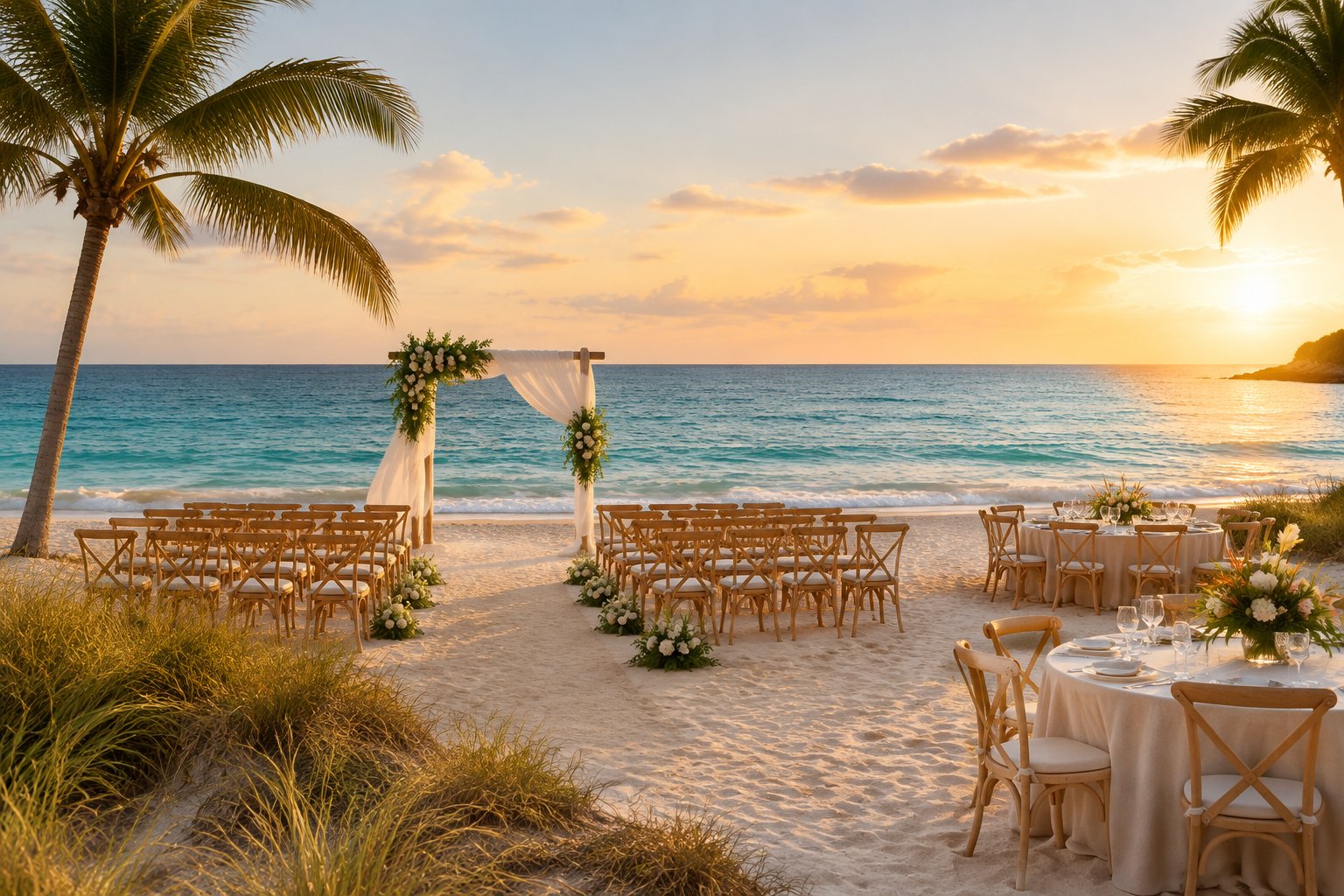
Use these examples as planning directions, then verify current availability, capacity, packages, and rules with each property. A venue’s setting can change by season, construction, beach access, or local regulations.
For a Resort Wedding Weekend
Wild Dunes Resort on Isle of Palms offers the type of setting that suits a multi-day coastal celebration. Resort properties can place guest rooms, ceremony areas, reception spaces, dining, and activities within one destination.
The Sanderling Resort in the Outer Banks also represents a full-service experience for couples who want an oceanfront ceremony with nearby lodging and event support. Ask about room blocks, welcome events, rehearsal dinners, ceremony locations, rain rooms, and transportation for guests.
Compare the full weekend cost, including resort fees, food and beverage minimums, service charges, and extra event hours.
For an Intimate Ceremony With Ocean Views
Loulu Palm Weddings in Haleiwa, Hawaii, fits an intimate island-style ceremony with tropical surroundings and ocean views. Smaller venues let you focus on the ceremony, vows, and time with close guests.
Confirm the maximum guest count, parking, restroom access, accessibility, photography rules, and wet-weather location. Ask whether the property includes chairs, an arch, floral design, a coordinator, and cleanup.
A smaller guest list also gives you more flexibility with weekday dates and private dining after the ceremony.
For an Indoor-Outdoor Reception
Monterey Beach Station offers the kind of flexible waterfront concept that works for couples who want oceanfront ceremonies paired with protected reception space. Look for a property with a deck, terrace, patio, or indoor room that connects naturally to the shoreline.
Ask how guests move between spaces and whether the reception room has windows, doors, or a covered outdoor area. Confirm floor plans, power, restrooms, sound limits, catering access, and the time needed to reset the room after the ceremony.
This layout keeps the coastal setting present while giving dinner, dancing, and décor a stable surface.
For a Destination Feel Without International Travel
A U.S. destination can give you a vacation atmosphere with easier travel documents and familiar services. The Florida Keys, Hawaii, California, and the Outer Banks each offer distinctive scenery and wedding infrastructure.
Choose a location with direct or manageable flights, lodging for different budgets, and activities that suit your guests. Share travel times, local transportation, weather notes, and dress guidance well before invitations go out.
For guest-friendly planning, pair the wedding site with a short itinerary that leaves room for rest and personal time.
What to Confirm Before Signing a Venue Contract
Before you sign, confirm the weather plan, legal permissions, guest logistics, vendor terms, payment schedule, cancellation policy, and every item included in the package. A contract should match the experience you were promised, including the ceremony area, reception space, access hours, staffing, and cleanup.
Bring a written question list to the site visit and request answers in the contract or an attached addendum. Venue listings on WeddingWire can help you compare properties, but the venue’s signed agreement controls your event details.
Weather, Wind, Tides, and a Rain Backup
Ask how the venue handles rain, high wind, extreme heat, lightning, and unsafe surf. Confirm the decision deadline for moving indoors, who makes that call, and whether the backup room is included in your fee.
Check tide charts for the ceremony date and time. A beach area that looks wide during a site visit may have much less usable sand at high tide. Ask where the arch, chairs, aisle, musicians, and photographer stand when water reaches the planned setup.
Review tent rules, flooring options, fans, heaters, umbrellas, and backup power. Put the rain plan, added costs, and setup timeline in writing.
Permits, Curfews, and Public-Beach Rules
Public beach weddings often require approval from a city, county, park service, or shoreline authority. Ask who applies for the permit, when it must be filed, what the fee covers, and whether the permit limits guest count, décor, alcohol, amplified music, or ceremony hours.
Confirm beach access rules for chairs, arches, runners, flowers, candles, confetti, drones, and food. Curfews can affect music, cleanup, photography, and the end of the reception.
Keep the permit and all approvals with your planning documents. A venue representative or wedding planner should identify the authority responsible for each rule.
Capacity, Accessibility, and Guest Comfort
Verify the legal guest capacity for both the ceremony and reception. Ask whether the count includes vendors, children, musicians, and venue staff.
Walk the route with accessibility in mind. Confirm firm pathways, ramps, beach mats, accessible restrooms, nearby drop-off, parking, and seating for guests who need support. Ask about shade, water, fans, blankets, insect control, and a private changing area.
Share practical details with guests in advance. Tell them whether they will cross sand, recommend suitable footwear, and provide transportation instructions.
What a Wedding Planner and Package Actually Include
A wedding planner may manage permits, timelines, vendors, rentals, setup, ceremony cues, guest movement, and cleanup. Confirm the planner’s role, meeting schedule, event-day hours, assistant coverage, and who handles emergencies.
Review the package line by line. Identify the ceremony arch, chairs, tables, linens, flowers, sound system, officiant, photographer, food, bar, cake, lighting, transportation, taxes, service charges, and overtime.
Ask about outside vendors, required insurance, corkage, delivery fees, damage deposits, cancellation terms, rescheduling, and force majeure events. WeddingWire listings and package brochures help you compare options, while the signed contract should state every promise you plan to rely on.