
How to Decide Between a Local or Destination Wedding: Tips for Planning Your Perfect Day
Choosing between a local or destination wedding can feel overwhelming, but it doesn’t have to be. The key is to consider what best fits your vision, budget, and guest experience.
A local wedding often allows you to celebrate in a familiar venue with easily accessible resources. Meanwhile, a destination wedding can offer a unique backdrop and the chance for a mini-vacation for you and your guests.
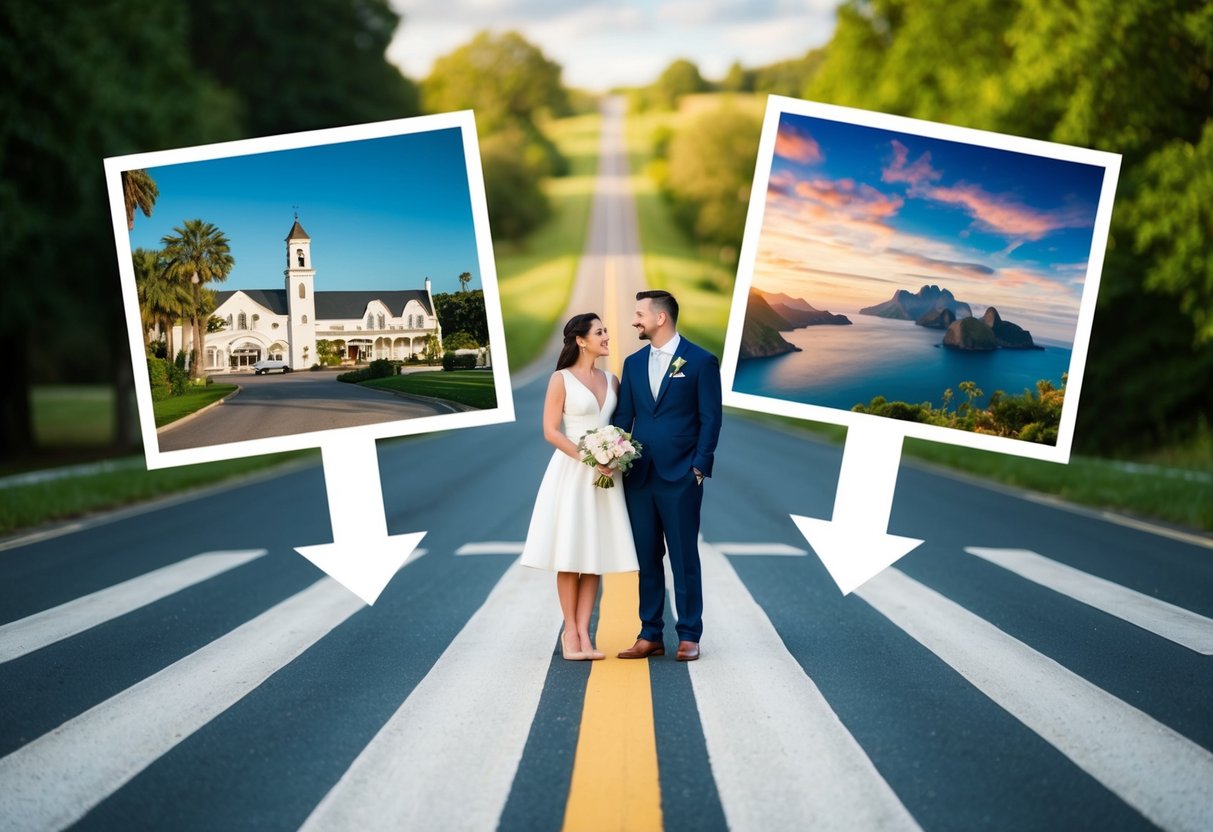
Think about the planning process as well. Local weddings can simplify logistics, making it easier for your loved ones to attend. On the other hand, destination weddings allow you to create a more intimate atmosphere. If you’re looking for a way to keep the guest list small, a destination wedding can naturally filter those who truly want to be there.
Both options have their special perks. By weighing the pros and cons of each—like travel expenses, venue choices, and personal preferences—you can make the best decision for your big day.
Determining Your Vision

When planning your wedding, deciding between a local or destination setting involves thinking deeply about what you want. Your vision shapes your choices. Consider the style and theme you desire and if a wedding package that combines the celebration and honeymoon appeals to you.
Style and Theme
Your wedding’s style and theme are crucial to your decision. Think about what atmosphere you want to create.
A destination wedding often allows you to explore unique experiences, like a beach ceremony or a mountain backdrop. Meanwhile, local weddings can provide the charm of venues that reflect your community or personal tastes.
Consider color schemes, decorations, and the overall vibe you want. Do you picture an elegant affair or a fun, laid-back celebration? Both options can cater to traditional weddings or modern styles, but your setting will influence the details. Being clear about your vision can help streamline your planning and make it more enjoyable.
Wedding and Honeymoon Combination
A destination wedding frequently serves as both your wedding and honeymoon. This can simplify planning as many resorts offer wedding packages that include everything from the ceremony to accommodations. Imagine saying “I do” in a picturesque location and then immediately celebrating in paradise.
Consider how much time and money you have for travel. Destination weddings often lead to a more intimate celebration, inviting only close friends and family. This can help you focus on cherished moments instead of the stress of a larger guest list. Think about if this combined experience fits your dream scenario for a memorable day.
Assessing Your Budget

When planning your wedding, budget is crucial. You need to look at the different wedding packages available and factor in travel costs. Understanding these details can help you make the right choice for your big day.
Comparing Wedding Packages
Start by exploring the types of wedding packages available. Local weddings often have traditional options, while destination weddings may offer all-inclusive packages. These can cover not just the venue, but also catering, decorations, and activities.
You might find that all-inclusive options can be cost-effective, saving you time and stress. When comparing prices, check what each package includes. For example, some may provide extras like a wedding planner or accommodations for guests.
List the pros and cons of each package. Think about what services are must-haves and what you can do without. A detailed comparison can help ensure your wedding budget is well-managed.
Factoring in Travel Costs
Travel expenses can add up quickly when considering a destination wedding. You need to account for not only your travel but also that of your guests. This can include airfare, accommodations, and even food.
Estimate the average cost for your guests so you can discuss it with them. Some destinations have lower travel costs, which might make it more affordable for everyone. Additionally, think about the timing of your wedding; off-season travel can often be cheaper.
Many couples choose to help their guests by providing information on travel deals or group bookings. These small efforts can make a big difference in making your wedding accessible for everyone.
Understanding Logistical Considerations
When deciding between a local and a destination wedding, you must consider important logistical elements. These include managing your guest list and ensuring you meet all legal requirements for your celebration.
Handling Guest List and Experience
Planning your guest list involves different challenges depending on your wedding type. For a local wedding, most guests will likely be nearby, which makes it easy for them to attend. You can easily visit venues and meet with vendors, giving you hands-on control of your planning.
In contrast, a destination wedding might limit your guest list. Travel and accommodation can be costly, and not everyone may be able to make the trip. It’s wise to send out save-the-dates earlier to gauge interest. Also, consider offering various destination wedding packages that include group rates for hotels or activities to enhance your guests’ experience.
Navigating Legal Requirements
Understanding legal requirements is crucial for both wedding types. For a local wedding, you typically need a marriage license from your state or county. Requirements can vary, so it’s important to check specific laws well in advance.
For destination weddings, the rules can be more complex. You’ll need to research the location where you plan to marry. Some countries or venues have specific regulations that you must follow. Have all documents prepared ahead of time to avoid last-minute issues. Local venues may have their own requirements you need to meet as well, so take time to sort through them.
Choosing the Perfect Venue
Selecting the right venue is crucial for your wedding day. Whether you prefer a local spot or a stunning destination, your choice will shape the atmosphere and guest experience. Here’s how to navigate your options effectively.
Exploring Venue Options
Start by listing your must-haves for the venue. Think about the size and style that fit your vision. Popular choices include charming gardens, elegant ballrooms, and beachside settings. If you choose a local venue, it could enhance convenience for most of your guests.
For destination weddings, consider all-inclusive resorts. They often provide packages that cover accommodations, food, and activities, simplifying your planning. Don’t forget to check for unique elements like breathtaking views or historical significance that can make your wedding even more memorable.
Evaluating Venue Costs
Budgeting is essential. Local venues often have set pricing, making it easier to plan. Compare the costs of catering, decor, and rentals. Make a list of your priorities to prevent overspending on extras that don’t align with your vision.
Destination weddings may require additional travel costs for you and your guests. Factor in flights, accommodation, and transportation. Keep in mind, some venues offer discounts for larger parties, so inquire about group rates if you expect a bigger guest list.
Ensuring Memorable Experiences
Your venue should create an intimate and memorable atmosphere. Pay attention to details like lighting, seating arrangements, and decor. These elements help establish the tone of your wedding.
Consider guest experience as well. Look for venues that provide activities for guests to enjoy apart from the ceremony. This could include local tours or recreational options. A venue that offers experiences will leave lasting memories for you and your loved ones, making your celebration truly special.