
How Many People Should Be Invited to a Destination Wedding? Tips for a Perfect Guest List
Planning a destination wedding can be exciting yet overwhelming. One crucial question that often arises is how many people you should invite. A good rule of thumb is to expect around 35% to 75% of your guests to attend a destination wedding. This depends on various factors like location and guest circumstances.
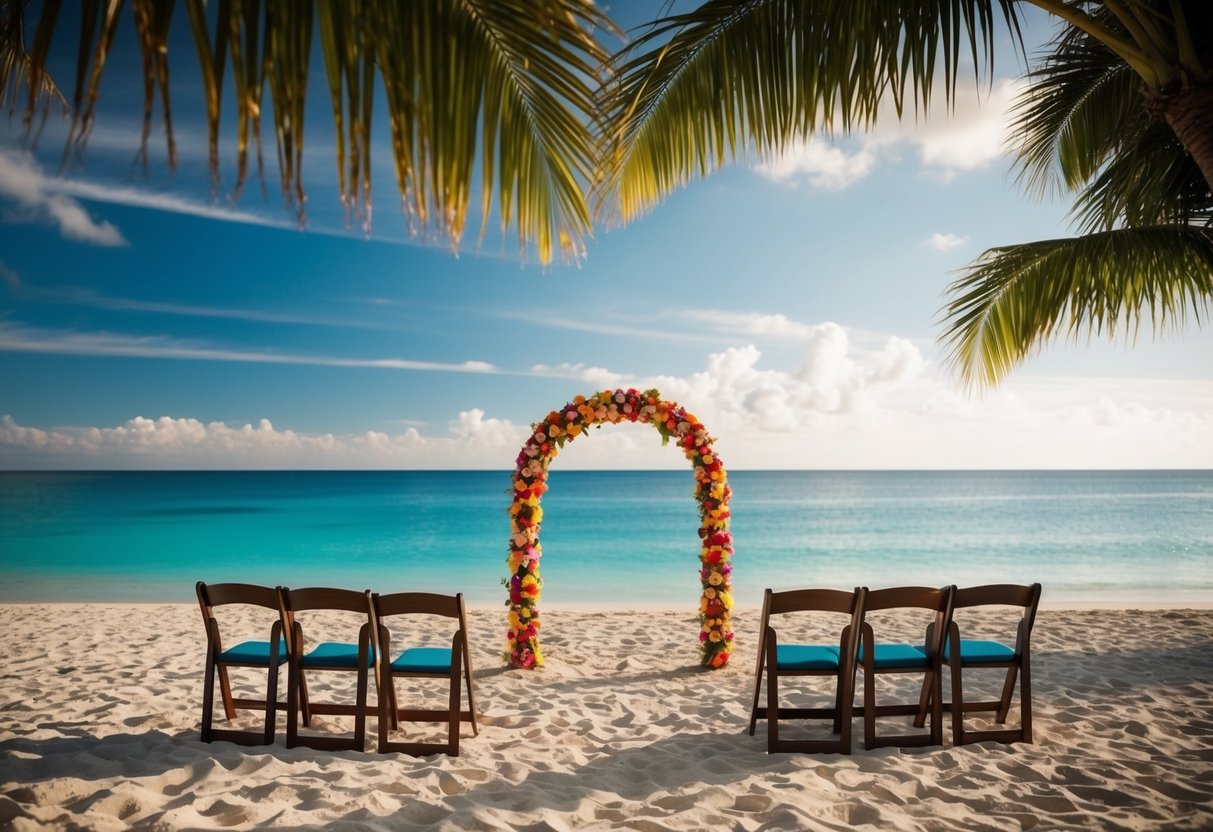
When planning, consider what type of celebration you envision. Do you want an intimate gathering or a lively celebration with friends and family? The average guest list typically ranges from 50 to 100 people for destination weddings. This allows you to create the atmosphere you desire while keeping your budget in check.
Choosing the right number of guests is key to a successful wedding experience. By understanding attendance rates and the dynamics of your guest list, you can make informed decisions that help create lasting memories for you and your loved ones.
Determining Your Wedding Size
Choosing the right size for your destination wedding is important, as it impacts the entire event. You need to think about how many guests you can invite, what your venue can hold, and how many people are likely to attend.
Considering Venue Capacity
Your venue plays a big role in determining your guest list. Most places will have a maximum capacity limit. This means you need to know how many people can comfortably fit inside.
When choosing a destination, consider how intimate or spacious you want it to be. A smaller venue can create a cozy atmosphere, while a larger space can accommodate more people. Make sure to confirm the venue’s specific guest count guidelines.
Calculating Guest Attendance
Estimating how many guests will actually attend can be tricky. Studies show that about 75-85% of those invited usually show up. Attendance can vary based on where guests live.
For example, around 85% of local guests are likely to attend compared to 35% of those coming for a destination wedding. A useful tool is a guest attendance calculator. This can help you estimate who will realistically be there.
Balancing Guest List Expectations
While it may be tempting to invite as many people as possible, balancing your guest list with your expectations and budget matters. Spend some time considering who truly matters to you and your partner.
An average wedding size can fall between 50 and 100 guests, depending on your vision. Carefully curating your list can help ensure a relaxed and memorable day. Remember, it’s your special moment, so invite those who support you and will celebrate with you!
Crafting Your Guest List
Creating your guest list for a destination wedding can feel like a big task. You want to include everyone who matters to you while considering who may be able to make the trip. Here’s how to get started.
Segmenting Guests by Relationship
Start by breaking down your guest list into categories based on your relationship with each person. This helps you identify who is most important to invite.
Key Categories:
- Immediate Family: Always prioritize your parents, siblings, and their kids.
- Closest Friends: These are the friends who have been there through thick and thin.
- Extended Family: Consider inviting at least one or two relatives to keep family ties strong.
- Coworkers: If you share a close bond, include a couple of coworkers.
This method allows you to see how many people you have and helps you make thoughtful choices. Remember, it’s your wedding, so choose guests who mean the most to you.
Including Plus-Ones and Family
Deciding on plus-ones is another important aspect of your guest list. Generally, think about if your friends or plus-ones are in serious relationships.
Consider These Tips:
- Couples and Long-Term Partners: Always invite significant others.
- Single Friends: You might want to allow them a plus-one to make it easier to attend alone.
Also, think about family dynamics. Some guests may feel more comfortable bringing a partner. Always check if it feels right for your situation. This can enhance the experience for everyone.
Managing Out-of-Town Guests
A destination wedding often means many guests will travel from afar. It’s essential to plan for them to ensure they feel welcomed.
Helpful Strategies:
- Accommodation Info: Share details about nearby hotels or group rates.
- Transportation: Make arrangements for those who may need rides from the airport or between venues.
Consider hosting a welcome dinner for out-of-town guests to help them connect. This can create a sense of community and ease any travel stress. It shows that you appreciate their effort to celebrate your special day.
Sending Invitations and Tracking RSVPs

When planning a destination wedding, sending invitations and tracking RSVPs can feel overwhelming. It’s crucial to stay organized to ensure that your guests can attend and enjoy the celebration. Here’s how to make the process smoother.
Design and Timing of Save-the-Dates
Start with your save-the-dates. Make them engaging and clear, so guests know they are invited to a special event. Use fun visuals that reflect your wedding theme or location.
Send these out 6-8 months in advance. This gives your guests enough time to make travel plans. Include essential details like the wedding date, location, and a link to your wedding website for more information.
Your wedding website can be a great resource. It can provide updates, travel tips, and links for booking accommodations. Tailor your save-the-dates to fit your style, whether digital or printed, to create excitement.
Utilizing Digital RSVPs
Digital RSVPs have become a popular and efficient way to track responses. They are convenient for you and your guests. Consider creating a section on your wedding website dedicated to RSVPs.
This method allows guests to respond quickly, and you can easily see who is attending. You could include a deadline for RSVPs to encourage timely responses. For added organization, categorize guests as “attending” or “not attending.”
Make sure to offer an option for guests to include additional information, like dietary restrictions. This helps you plan the reception and cater to everyone’s needs.
Following Up with Non-Responsive Guests
Sometimes, people forget to RSVP. It’s helpful to follow up with those who haven’t responded. After the RSVP deadline, send a friendly reminder via text or email.
Keep it light and casual. You might say, “We’d love to know if you can join us for our wedding in [Destination]!” This shows you care and are genuinely interested in their presence.
If you still don’t hear back, consider reaching out again a week later. Having an accurate headcount is essential for catering and seating arrangements, so gentle persistence here pays off.
Finalizing the Details
When planning your destination wedding, attention to detail is essential. This section covers important aspects of seating arrangements, communication with vendors, and creating memorable experiences for your guests.
Seating Arrangements
Seating arrangements are key to making everyone comfortable. Start by creating a seating chart that includes family and friends. Think about relationships and how guests may interact.
Consider these tips for your seating chart:
- Group Similar Guests: Place friends who know each other together.
- Include Family Dynamics: Be mindful of any sensitive family situations.
- Comfort is Key: Ensure everyone has enough space to enjoy the ceremony.
Remember, a well-organized seating arrangement helps guests feel relaxed and included.
Communicating with Vendors
Effective communication with vendors is crucial for a seamless wedding day. From catering to travel arrangements, keep everyone in the loop.
Here are some ways to enhance communication:
- Set Clear Expectations: Be specific about what you want. This can include details about the wedding ceremony, food preferences, and décor.
- Regular Check-ins: Schedule updates with vendors to address any questions.
- Written Agreements: Always put key arrangements in writing, like catering menus and payment terms.
This helps ensure everyone is aligned, making your day go smoothly.
Creating Memorable Experiences
Make your destination wedding unforgettable for your guests. Focus on unique touches that showcase your personality.
Consider these ideas:
- Welcome Packages: Create thoughtful wedding favors that reflect the locale.
- Group Activities: Plan excursions or gatherings to bond with guests beyond the ceremony.
- Custom Stationery: Use beautiful wedding stationery that captures the theme of your day.
These elements will help your family and friends feel appreciated and cherished throughout the celebration.