
Beach Venues for Weddings: How to Choose the Right One
A successful beach wedding starts with a venue that fits your guest list, style, budget, and comfort needs. For most couples, an oceanfront resort with a ceremony site and indoor reception space is the best choice because it combines a scenic shoreline with lodging, catering, restrooms, and a weather backup. Public beaches, private estates, marinas, and boutique stays suit couples who want a more personal setting or a smaller celebration.
The right beach wedding venues make the setting feel effortless while handling the practical details behind the scenes. Check permits, access, tides, wind, parking, vendor rules, and reception plans before you fall in love with a view. If you are ready to compare coastal options, explore wedding venue ideas and begin building a shortlist that matches your celebration.
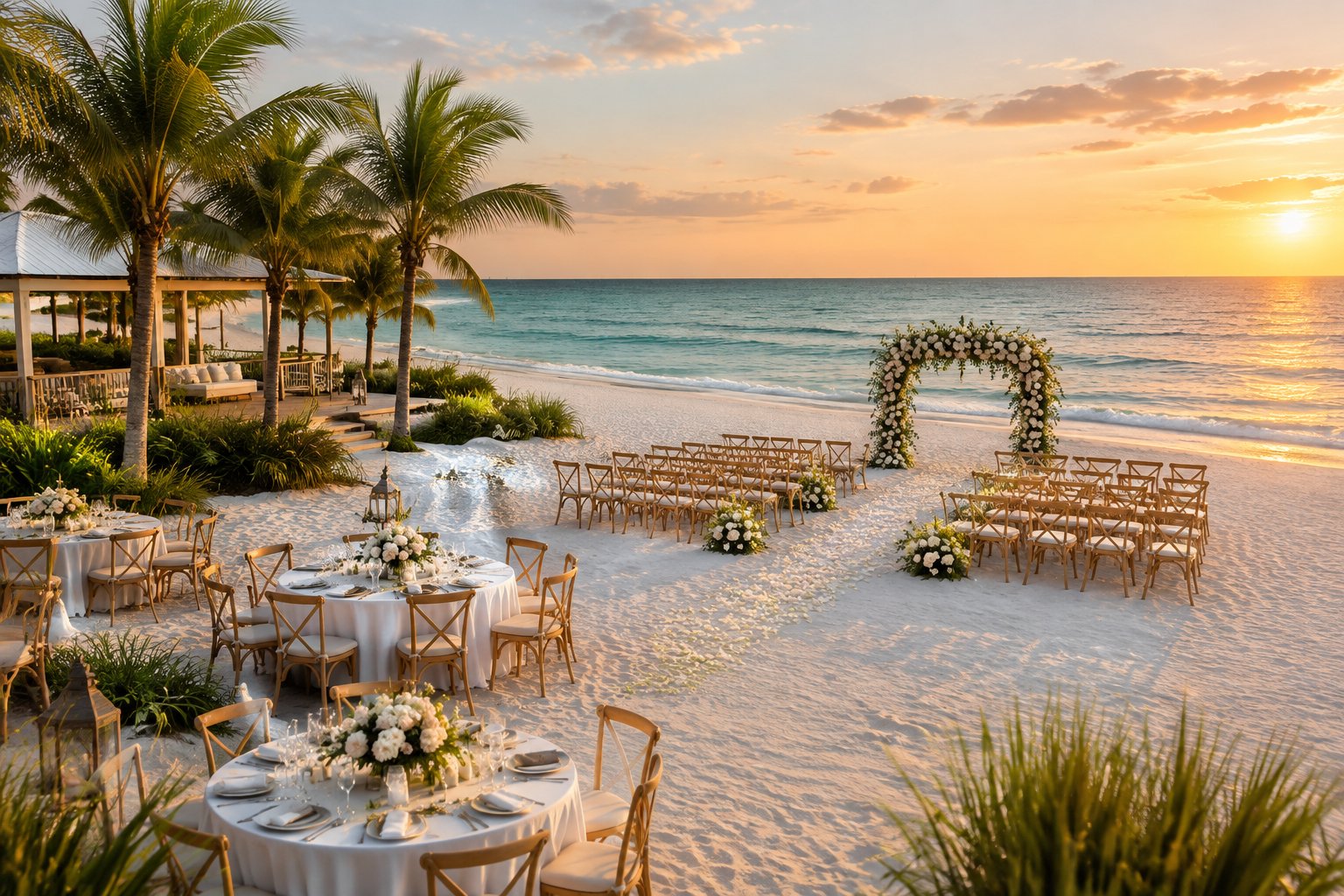
A beach wedding can feel relaxed and intimate, or polished enough for a full destination wedding weekend. Your venue sets the pace for the day, affects the guest experience, and shapes how much help you need from planners and vendors. Start with the kind of coast you want, then confirm that the property can support the event you have in mind.
What Type of Coastal Setting Fits Your Celebration?
Choose a coastal setting by matching the space to your guest count, formality, and appetite for logistics. A public shoreline creates a natural beach wedding ceremony, while an oceanfront resort or private property gives you more control over meals, timing, and guest comfort.

On-the-Sand Ceremony Sites
A public or private beach gives you the clearest connection to the water. White sand beaches create a classic backdrop, while quieter local beach weddings can feel personal and easier for nearby guests.
Ask who controls the shoreline, whether ceremonies need permits, and how vendors reach the ceremony area. Confirm rules for chairs, arches, amplified music, candles, pets, and cleanup. A beach elopement or micro-wedding may work well with minimal equipment, while larger gatherings need firm plans for seating, shade, transportation, and restrooms.
Oceanfront Resorts With Full-Service Reception Space
An oceanfront resort suits couples who want a coordinated wedding with lodging close to the ceremony. Many resorts offer event staff, catering, bar service, getting-ready rooms, and reception areas that remain available if rain or wind changes the plan.
Review the ceremony and reception locations separately. A resort might advertise ocean views while placing the meal in a ballroom or terrace. Ask about room blocks, food-and-beverage minimums, service charges, outside vendors, and the time available for setup.
Waterfront Venues, Marinas, and Beach-Adjacent Properties
A waterfront wedding at a marina or harbor offers boats, docks, and calmer water views. These venues suit nautical celebrations and guests who prefer firm walkways to deep sand. A beach-adjacent property can provide the coastal atmosphere while keeping the reception on a lawn, terrace, or covered patio.
Check noise rules, boat traffic, parking, dock access, and sunset restrictions. Ask whether the water view is private and whether another event could share the same space.
Private Estates and Boutique Stays for Smaller Events
A private estate or boutique inn works well for a smaller guest list, a destination beach wedding, or a weekend centered on close friends and family. You gain privacy and a more personal setting, though the property may require you to arrange rentals, catering, bathrooms, transportation, and event staffing.
Confirm occupancy limits, event hours, music rules, guest access, cleanup duties, and liability coverage. For intimate celebrations, tips for choosing the perfect venue for a small wedding can help you compare comfort and logistics with visual appeal.
Where Are the Best U.S. Coastal Regions to Consider?
The best U.S. coastal regions depend on the atmosphere you want, from calm Gulf waters and white sand to dramatic cliffs along the Pacific Ocean. Compare travel access, seasonal weather, local rules, and nearby lodging before choosing a destination.
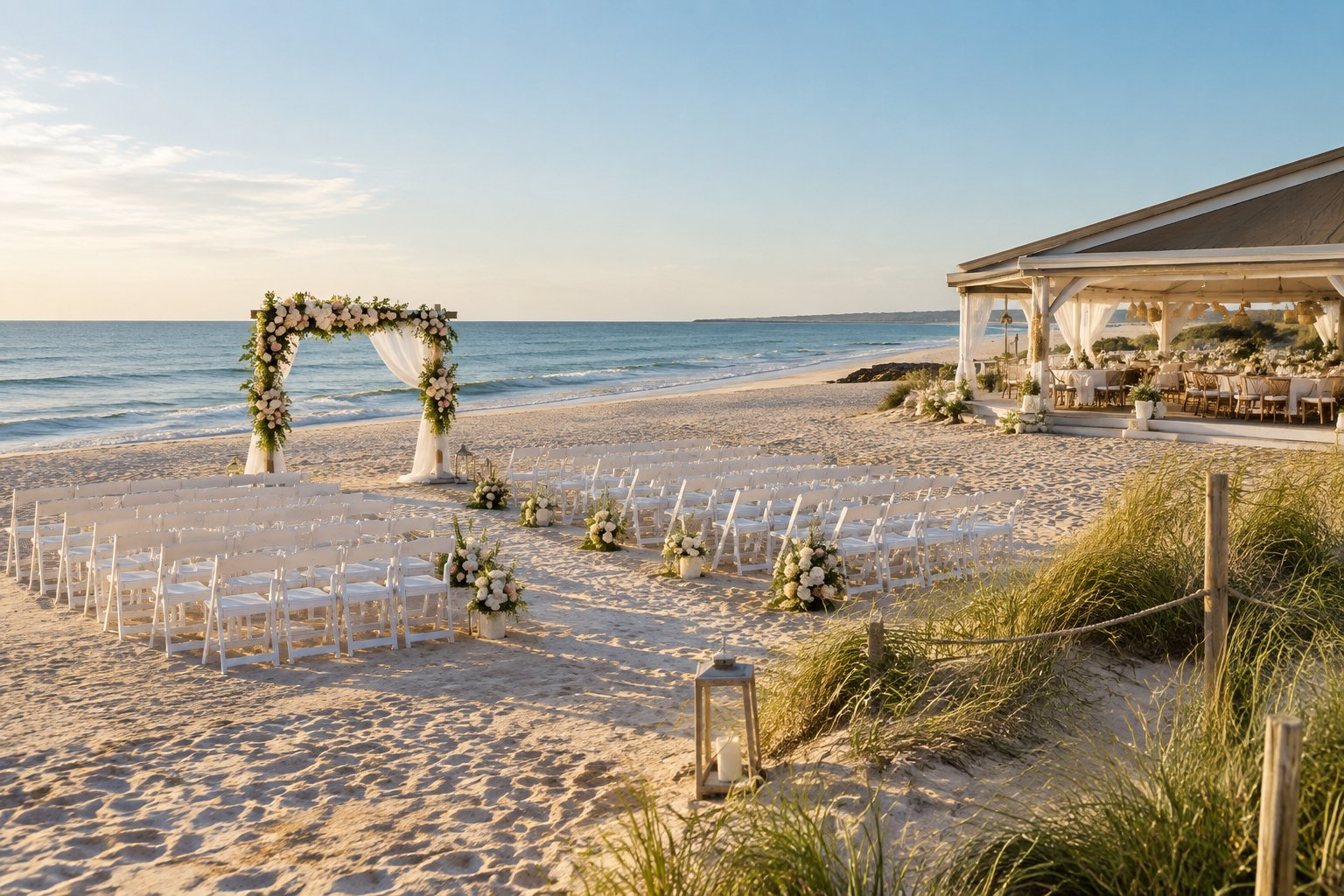
Florida and the Emerald Coast
Florida offers a wide range of beach weddings, from resort celebrations to relaxed ceremonies near smaller coastal towns. Destin and the Emerald Coast are known for pale sand and calm Gulf views. Clearwater Beach, St. Pete Beach, Daytona Beach, the Florida Keys, and Islamorada offer different mixes of nightlife, resort lodging, boating, and sunset scenery.
Gulf Shores, Panama City Beach, and nearby Florida communities work well for group getaways. Check beach permit rules, seasonal crowds, hurricane-season policies, and the distance between lodging and the ceremony site.
The Atlantic Coast From Cape Cod to the Outer Banks
Cape Cod brings New England charm, historic inns, dunes, and cooler coastal weather. The Outer Banks offers wide beaches, vacation homes, and a relaxed setting for larger family groups. Tybee Island and Folly Beach add Southern character near Savannah and Charleston.
Daytona Beach provides broad Atlantic shoreline and easy access to hotels and activities. When comparing Atlantic locations, ask about water temperatures, wind, public beach access, parking, and restrictions on tents or amplified music.
California and Oregon Along the Pacific Ocean
Malibu, Santa Barbara, Carmel-by-the-Sea, and Newport Beach offer distinct California settings. You can choose cliffside views, harbor scenery, resort beaches, or a refined coastal town. Northern California and Cannon Beach bring cooler weather, rugged landscapes, and a more dramatic Pacific Ocean backdrop.
Pacific beaches often have stronger surf, cooler evenings, and different sunset direction depending on the coastline. Ask whether the ceremony site sits directly on sand, above the beach, or on a private terrace with a view.
Hawaii for a Tropical Wedding Weekend
Oahu, Maui, and Kauai suit couples who want a destination wedding with warm weather, island activities, and scenic beaches. Waikiki offers easy access to hotels, restaurants, and transportation. Wailea and Ka’anapali Beach provide resort-centered experiences, while Hanalei Bay and the Na Pali Coast create a more nature-focused setting.
Island celebrations require careful planning for guest travel, vendor delivery, permits, and weather. Confirm whether your preferred beach allows organized events and whether the resort manages the required approvals.
Mexico and Greece for an International Escape
Mexico and Greece offer strong choices for couples who want an international celebration with a distinct local setting. Mexico provides many resort-based packages and direct beach access in popular coastal areas. Greece offers bright water, historic scenery, island venues, and cliffside views.
International planning adds passport requirements, travel insurance, currency questions, local contracts, and guest transportation. Confirm legal marriage rules before assuming a symbolic ceremony and legal ceremony will follow the same process.
How Do You Evaluate a Venue Before Booking?
Evaluate a venue by checking the guest experience, legal requirements, weather plan, and operating details in writing. A beautiful beach wedding location needs reliable access, safe facilities, a clear contract, and a workable plan for changing conditions.
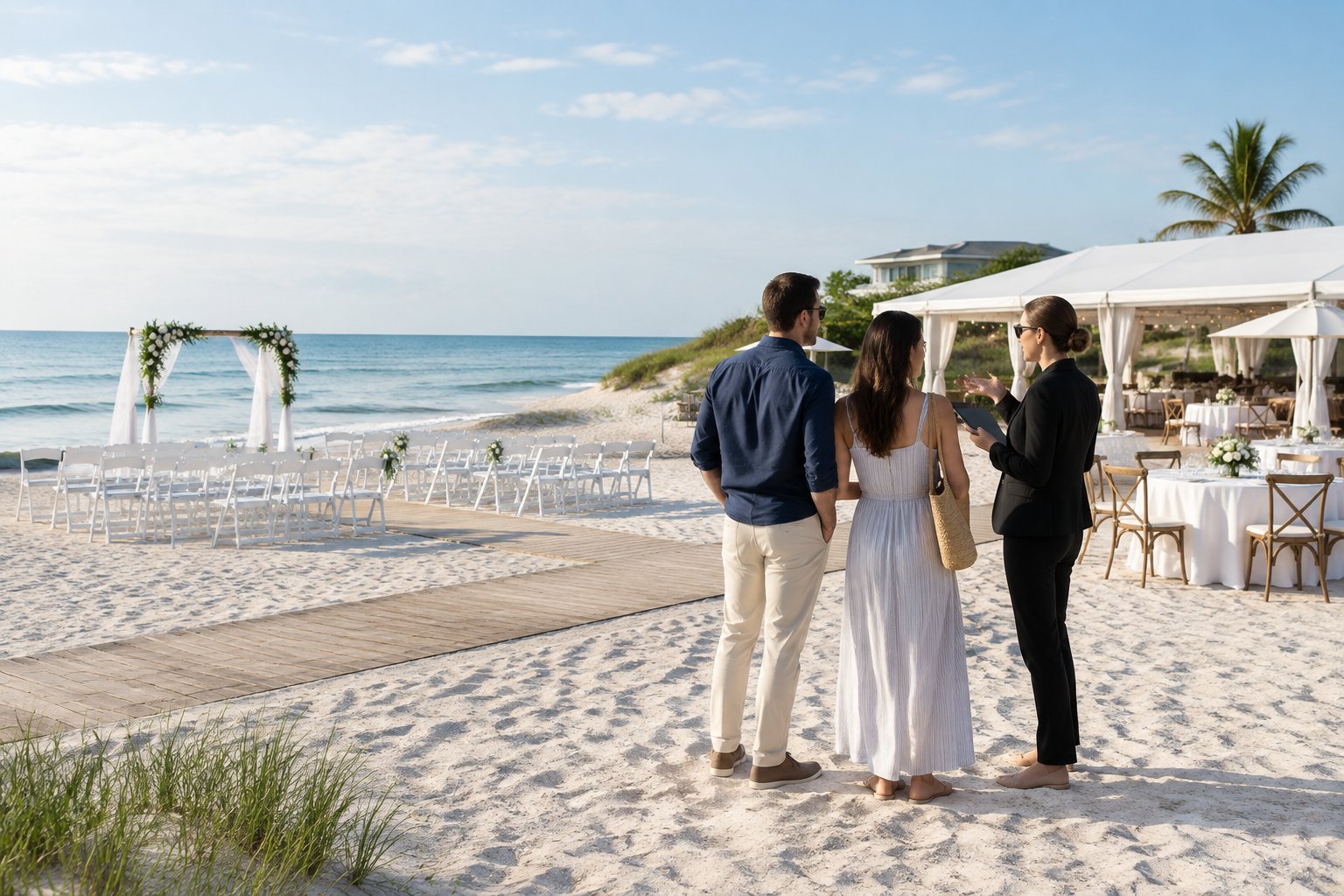
Guest Capacity, Lodging, and Transportation
Ask for the comfortable guest count with dinner tables, a dance floor, bar service, musicians, and circulation space included. A posted maximum may not reflect the layout you want.
Review nearby hotels, room blocks, parking, shuttle routes, rideshare access, and vendor loading zones. For a Maui destination wedding, for example, guests may need more planning time for flights, rental cars, and island transfers. Share walking distances and footwear guidance before invitations go out.
Ceremony Permits and Local Rules
Confirm which person or organization applies for the permit and whether the fee is included. Ask about guest limits, ceremony hours, beach closures, amplified sound, alcohol, structures, photography, fire, and cleanup.
A Gulf beach wedding may involve municipal rules that differ from a nearby private resort. Your contract should identify the ceremony area, approved setup, permit responsibility, and cancellation terms if the location becomes unavailable.
Weather, Tide, Wind, and Seasonal Timing
Choose the ceremony time with heat, shade, tide movement, wind, and sunset light in mind. Ask the venue to show you historical weather guidance for your planned month and explain how tides affect the usable shoreline.
Wind-resistant decor includes weighted signs, low centerpieces, secure linens, and sturdy arches. In California beach wedding locations, fog and cool evening air may shape attire and reception timing. Tropical sites such as Wailea, Ka’anapali Beach, and Waikiki require heat and sun planning.
Rain Plans, Power, Restrooms, and Accessibility
A rain plan should name the backup location, guest capacity, decision deadline, setup time, and added cost. Ask who makes the weather call and how guests receive the change.
Confirm restroom access, electricity, lighting, sound equipment, catering space, trash service, and accessible routes across sand or boardwalks. Provide firm flooring, ramps, or beach wheelchairs where needed, and check whether emergency vehicles can reach the event area.
Notable Resort and Venue Options by Wedding Style
Named resorts and coastal properties fit different wedding styles, from full-service celebrations to intimate stays. Compare their setting, event support, guest lodging, and reception options before treating any property as the right match.
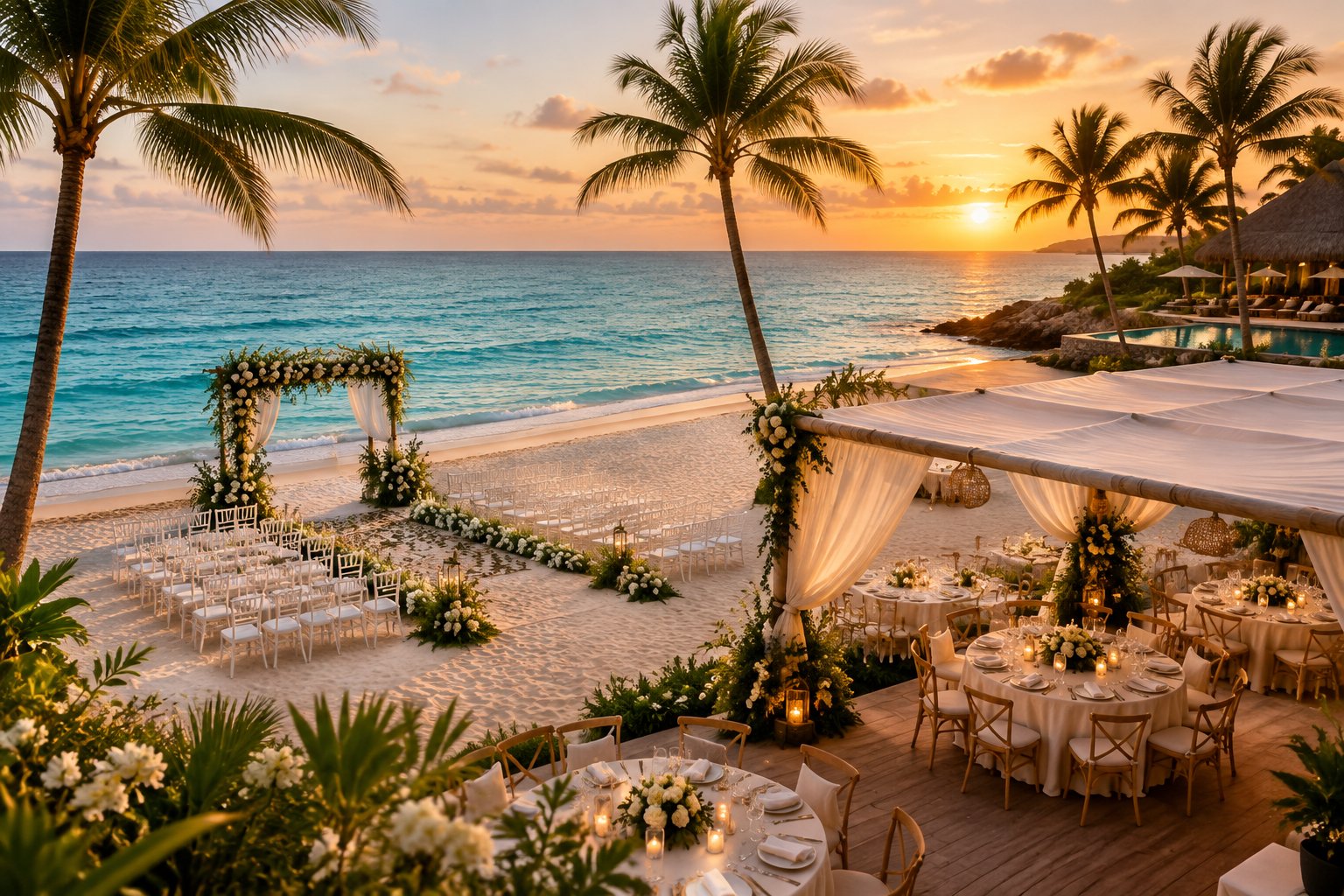
Florida Resorts for White-Sand Celebrations
Florida properties offer a broad range of settings for white-sand celebrations. Daytona Grande Oceanfront Resort suits couples drawn to a modern oceanfront hotel experience. Perdido Beach Resort and DiamondHead Beach Resort provide Gulf Coast settings with lodging close to the water.
The Don CeSar, also called The Don Cesar, brings historic glamour to St. Pete Beach. Ask each property about ceremony privacy, reception rooms, beach access, food-and-beverage minimums, and room-block terms. A resort’s public beach setting and its private event areas may follow different rules.
Gulf Coast Stays for Easy Group Getaways
Holiday Inn Resort Fort Walton Beach Hotel and The Island Resort offer Gulf Coast lodging that can simplify a group celebration. Sea Breeze Manor Bed and Breakfast Inn suits couples seeking a smaller, more intimate coastal stay. Palm Island Resort creates a more secluded feel for couples who want guests to share a destination experience.
Ask about transportation between guest rooms and event spaces, accessibility, welcome events, and checkout timing. The Beach Picnic Co. can inspire a casual beach reception style, such as a styled picnic or relaxed gathering, when the venue permits outside event services.
Stylish South Florida and Miami Beach Settings
Bella Villa and properties near Sunny Isles Beach or Miami Beach work well for couples who want polished styling, nightlife, and easy access to restaurants. The area supports glamorous receptions, intimate ceremonies, and extended wedding weekends.
Check the exact shoreline access, traffic, parking, noise limits, and privacy level. Ask whether the property hosts multiple events on the same date and whether your reception has a dedicated indoor backup.
California Coastal Venues With Distinctive Scenery
California coastal venues bring variety through cliffs, harbors, broad beaches, and elegant resort spaces. Look for properties near Malibu, Santa Barbara, Carmel-by-the-Sea, or Newport Beach if scenery and nearby dining are central to your plans.
Confirm local beach access, sunset restrictions, fog patterns, parking, and sound rules. A venue with a beautiful ocean view still needs a level ceremony surface, nearby restrooms, vendor access, and a reception plan that works after dark.
How Can You Make the Setting Feel Intentional?
Make the setting feel intentional by choosing decor, attire, and reception details that support the coast and solve practical guest needs. A focused palette, durable materials, and clear communication create a polished celebration without covering up the natural scenery.
Beach Wedding Decor That Holds Up Outdoors
Build your beach wedding decor around weighted pieces, low arrangements, and materials that tolerate sun, salt, and wind. Driftwood, sea glass, woven textures, sturdy greenery, and lanterns work well when secured correctly.
Choose a low floral arch or a structure anchored by the venue’s approved method. Use shorter centerpieces, clip table linens, and protect paper goods from moisture. You can find more beach wedding ideas for palettes, ceremony details, and reception styling.
Comfortable Attire and Guest-Friendly Details
Tell guests what surface and dress code to expect. “Beach formal,” “coastal cocktail,” and “casual on the sand” give different guidance, so pair the wording with notes about block heels, flats, lightweight fabrics, layers, and sun protection.
Offer water, fans, sunscreen, insect repellent, wraps, and a place to leave shoes. If you need outfit inspiration, beach wedding dress ideas can help you compare fabrics, silhouettes, and footwear for sand and heat.
Reception Choices After the Ceremony
Move the reception to a covered terrace, pavilion, lawn, ballroom, or tent when the sand creates challenges for dining and dancing. A raised platform supports tables, chairs, wheelchairs, and a stable dance floor.
A seafood station, coastal cocktail, sunset dinner, lounge seating, or small dessert display can reflect the location without making every detail nautical. If you want a more casual format, a picnic-style meal works when the venue provides stable seating, food safety support, lighting, and restroom access.
Questions to Ask Before Signing a Contract
Get written answers to these questions:
- What does the site fee include?
- Who handles permits and cleanup?
- What is the comfortable guest capacity for dinner and dancing?
- Which ceremony and reception spaces are private?
- What happens if rain, wind, heat, or unsafe tides affect the event?
- What are the vendor, catering, bar, music, and decor rules?
- Are there service charges, overtime fees, corkage costs, or required gratuities?
- Where can vendors load in, park, set up, and break down?
- Are restrooms, power, lighting, seating, and flooring included?
- What cancellation, postponement, and date-change terms apply?
Keep the signed contract, floor plan, permit details, vendor list, and weather procedure together. Those documents give you a clear plan for your beach wedding day and a specific record of what the venue has promised.