
Beach Wedding Venues Australia: Top Picks for 2026
Australia gives you an exceptional range of coastal wedding settings, from Sydney’s famous beaches to tropical islands and rugged southern shores. For a destination wedding with ocean views and built-in guest accommodation, Daydream Island Resort is a standout choice because its island setting, ceremony spaces, and reception services simplify the planning process.
Couples seeking a more local celebration can find beautiful beachfront wedding venues near major cities, while private beaches and boutique retreats suit smaller guest lists.
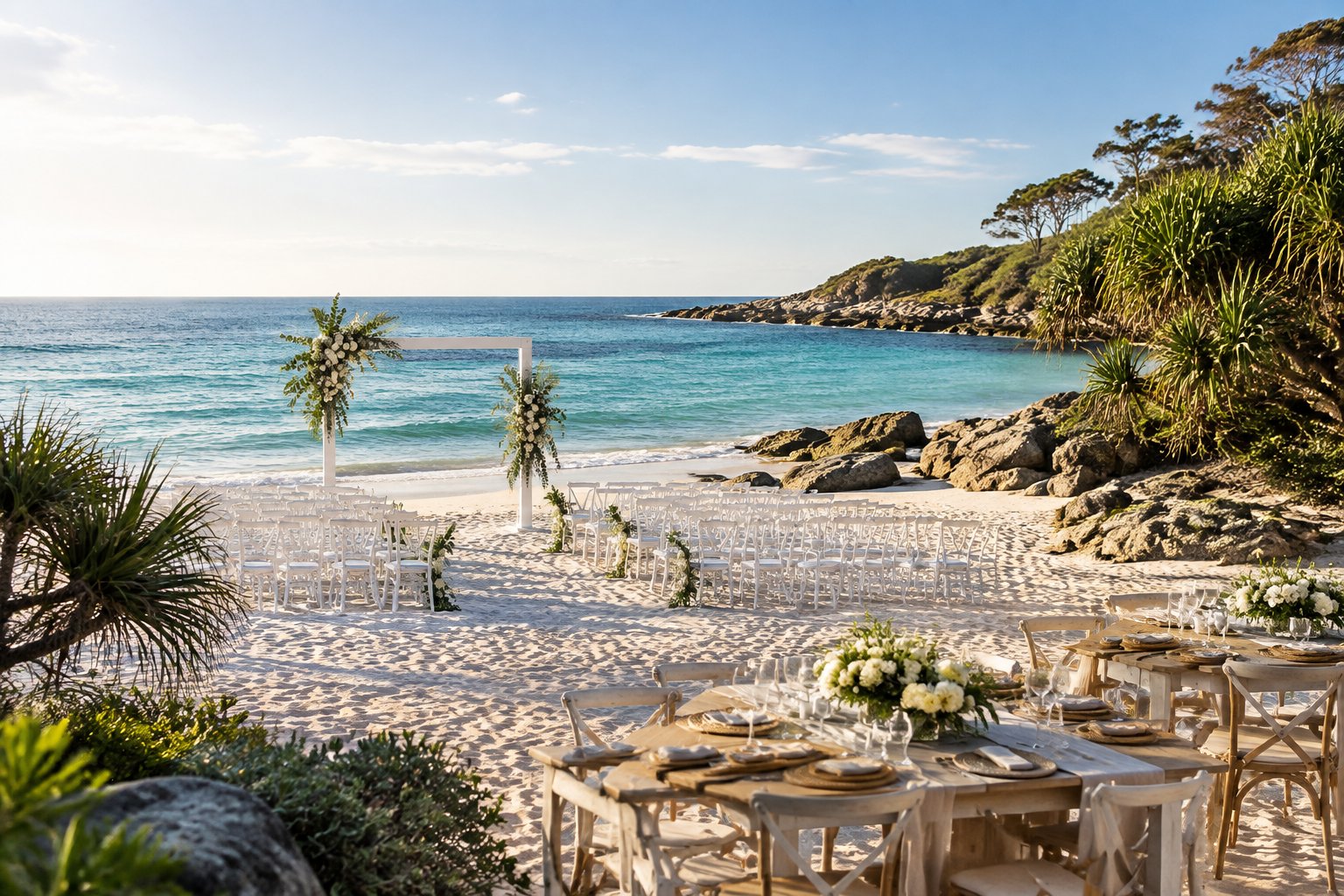
Your choice will shape the ceremony, reception, travel plans, budget, and guest experience. Start by deciding whether you want a relaxed beach wedding, a polished coastal wedding, or a full seaside wedding weekend.
For more inspiration, explore these beach wedding ideas before you request venue packages and date options.
How to Choose the Right Coastal Setting
The right coastal setting balances scenery with access, comfort, weather protection, and the size of your guest list. A beachfront wedding venue gives you direct sand access, while waterfront and clifftop locations offer different views and practical layouts.
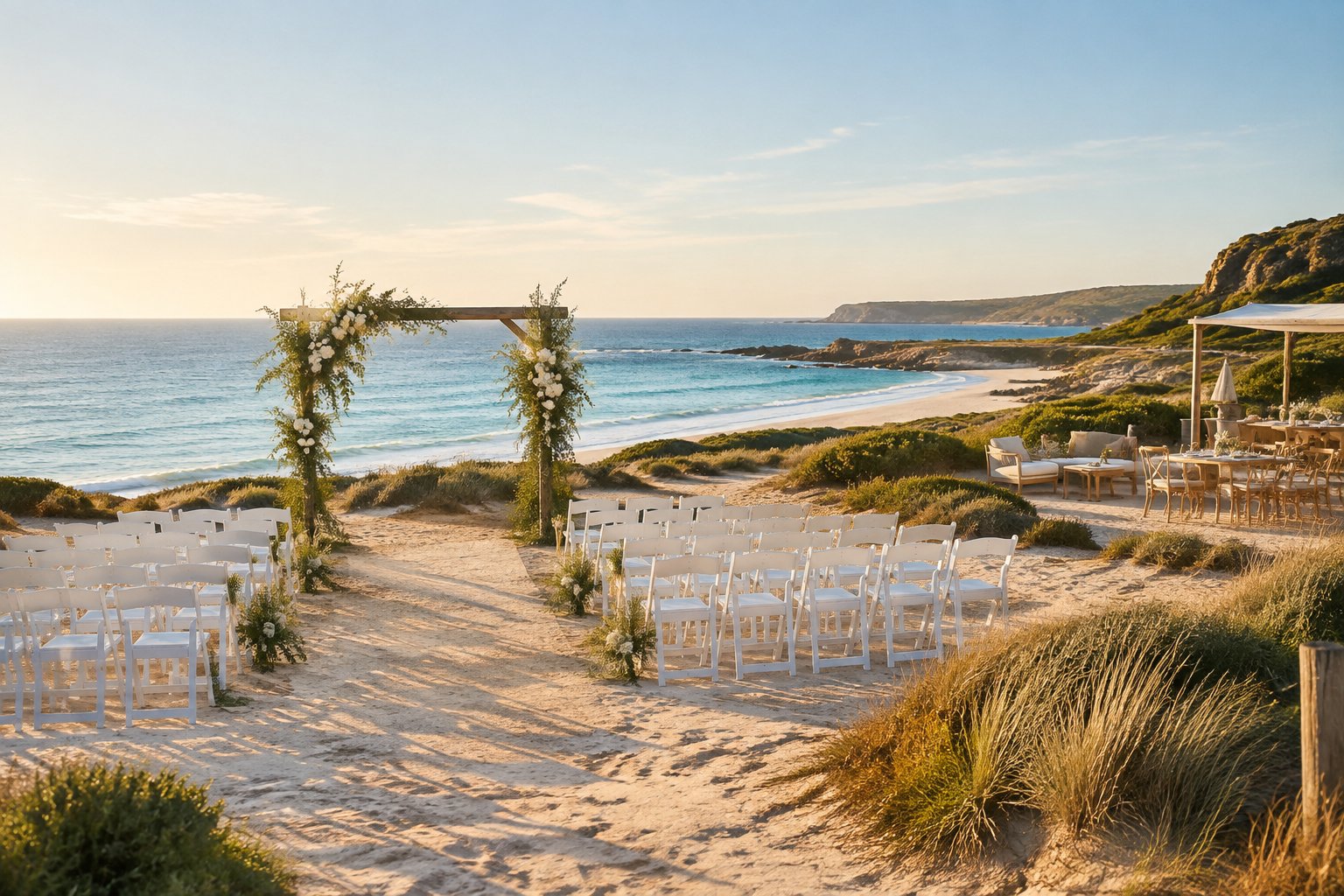
Beachfront, Waterfront, or Clifftop: What Is the Difference?
A beachfront wedding venue places your ceremony beside the sand, giving you a classic beachside wedding atmosphere and direct access to the water. Ask about public access, tides, wind, nearby restrooms, and the surface underfoot before you book.
A waterfront wedding venue sits beside a harbor, bay, river, or marina. The setting feels coastal while providing firmer ground, easier seating, and stronger links to restaurants or hotels.
Waterfront locations work well when you want ocean views with a formal reception nearby.
Clifftop venues frame the ceremony with a wide horizon and dramatic wedding photos. They suit an outdoor wedding with a defined venue footprint, though steep paths, wind exposure, and accessibility require careful planning.
Compare each option by ceremony access, reception distance, guest comfort, and your preferred photography locations.
When Does a Private Island Wedding Make Sense?
A private island wedding suits you when you want a destination experience, on-site accommodation, and a guest list willing to travel together. Private island resorts can coordinate rooms, transfers, meals, activities, and ceremony details through one events team.
The format works especially well for intimate celebrations or multi-day weddings. Confirm boat or flight schedules, weather-related transport policies, meal inclusions, accessibility, and the cost of bringing suppliers to the island.
Give guests clear travel details before they confirm attendance.
What Guest Count Can Your Venue Comfortably Host?
Choose a venue by its practical capacity for both the ceremony and reception. A beach may look spacious, while the usable area narrows because of tides, dunes, public foot traffic, or protected vegetation.
Ask each venue for its seated dinner capacity, cocktail capacity, wet-weather capacity, parking limit, restroom ratio, and accessible route. A 40-person celebration may fit beautifully at a small cove, while 150 guests need a private reception space, structured transport, and a reliable Plan B.
Review tips for choosing the perfect venue for a small wedding if your guest list is intimate.
Where Are the Best Coastal Destinations?
The best coastal destinations range from convenient city beaches to remote island and wilderness settings. Your ideal location comes down to travel time, climate, scenery, guest access, and the type of reception you want after the ceremony.
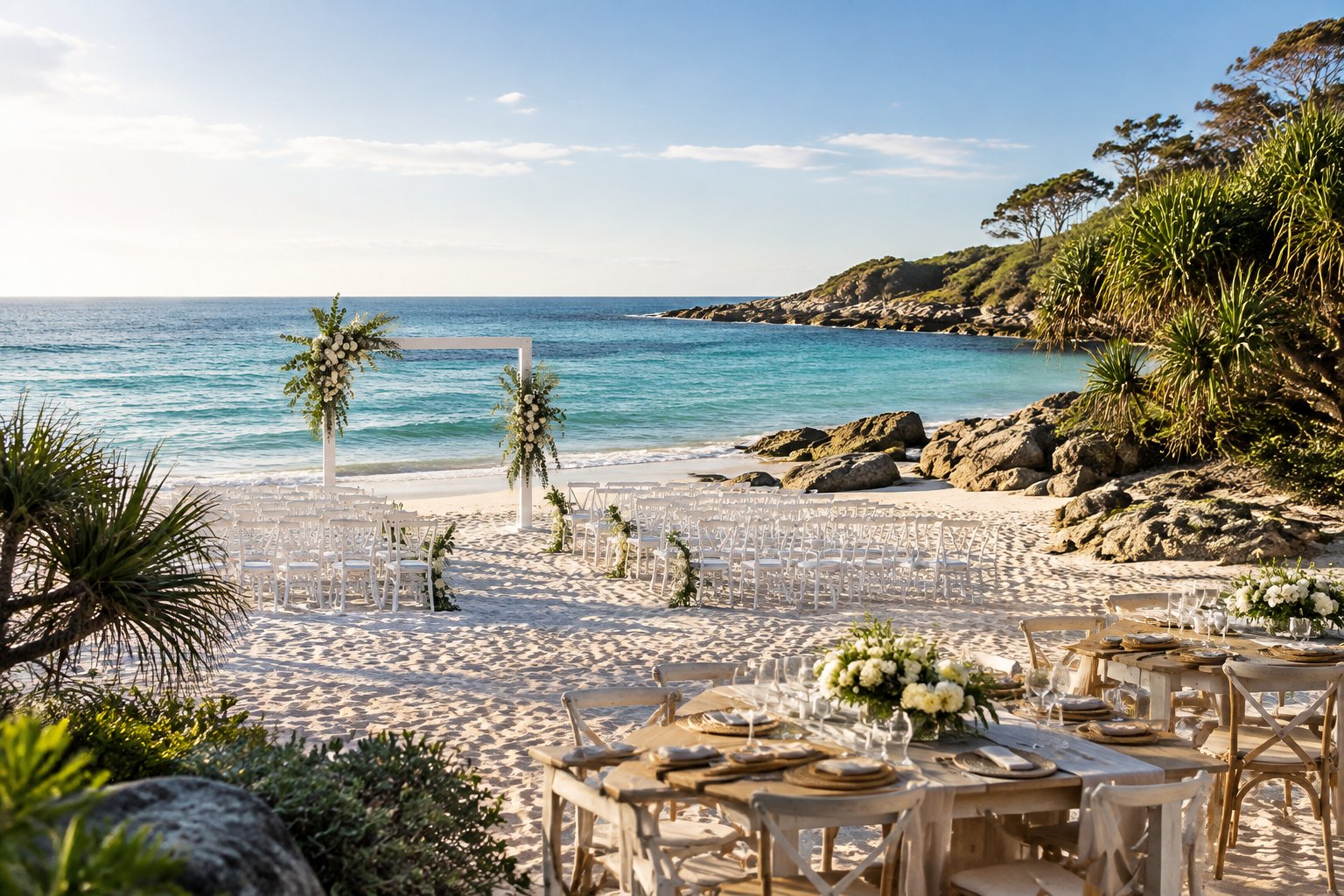
Sydney, the Northern Beaches, and the New South Wales Coast
Sydney gives you recognizable coastal scenery with strong airport access and a deep network of wedding suppliers. Whale Beach and Palm Beach offer a more relaxed Northern Beaches feel, while Manly and Bondi Beach create an urban seaside backdrop with dining and accommodation close by.
Beyond Sydney, Byron Bay suits a relaxed coastal wedding with creative vendors and a holiday atmosphere. Shoalhaven and Jervis Bay bring calm water, pale sand, and a quieter destination setting.
Check council rules early for public ceremonies, structures, guest numbers, and amplified sound.
Queensland, the Whitsundays, and the Great Barrier Reef
Queensland offers warm-weather beach celebrations from Brisbane and the Gold Coast to the Whitsundays and Port Douglas. The Whitsundays place you among island scenery and the Coral Sea, with resort teams prepared for destination wedding logistics.
The Great Barrier Reef region adds tropical water, reef excursions, and memorable guest activities. Port Douglas works well when you want a mainland base with resort accommodation and access to rainforest and reef experiences.
Plan around wet-season conditions, heat, humidity, and transfer times.
Victoria and the Dramatic Great Ocean Road
Victoria’s coast suits couples who want cooler weather, bold landscapes, and a more editorial feel. The Great Ocean Road delivers cliffs, surf, forest, and wide ocean views, with Lorne offering a strong base for a wedding weekend.
Sorrento and the Mornington Peninsula combine beaches with restaurants, wineries, and boutique accommodation. The Southern Ocean brings striking scenery, though wind and changing temperatures call for a covered reception option and warm guest amenities.
Western Australia’s Indian Ocean Coast
Western Australia’s Indian Ocean coast gives you expansive beaches, clear light, and sunset views. Perth-area celebrations can use accessible coastal venues, while Margaret River and surrounding towns pair beach ceremonies with vineyards and food-focused receptions.
Choose this region when you want dramatic space and a destination atmosphere. Build extra travel time into the schedule for remote venues, supplier access, guest transfers, and accommodation between ceremony and reception locations.
Tasmania’s Wild East Coast
Tasmania’s east coast offers a rugged, intimate setting with clear water, native landscapes, and distinctive rock formations. Great Oyster Bay near Freycinet provides a memorable backdrop for smaller celebrations and elopements.
The region suits couples who value scenery, food, and a slower wedding weekend. Check national park permissions, walking distances, seasonal temperatures, and accommodation availability before setting a date.
Standout Venues for Every Wedding Style
Australia’s standout venues cover resort weddings, relaxed beach escapes, city-adjacent receptions, and boutique retreats. Match the venue’s planning support and accommodation setup to the experience you want your guests to have.
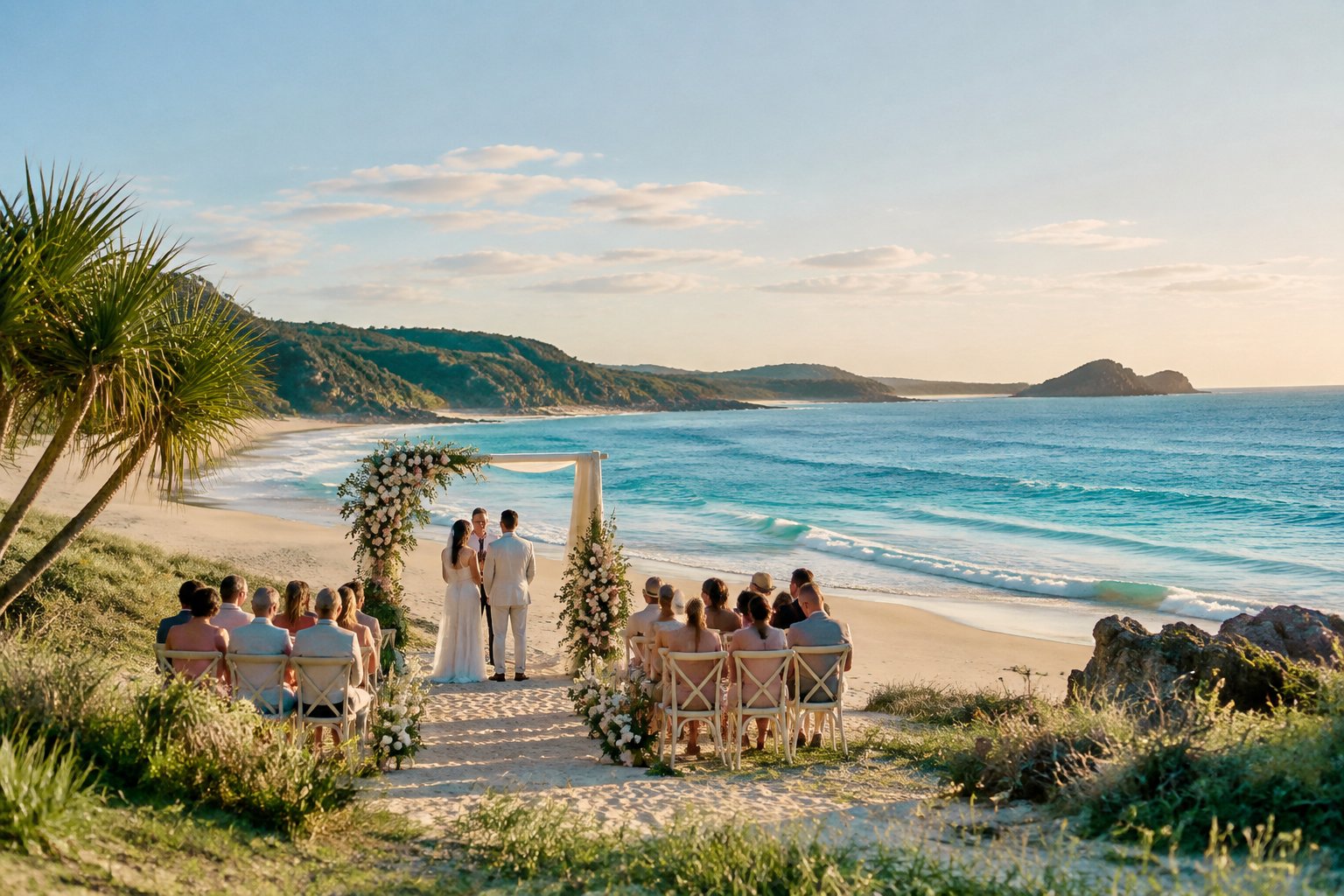
Resort Celebrations in the Whitsundays
Daydream Island Resort, also known as Daydream Island Resort & Living Reef, suits couples who want a complete island celebration with accommodation and activities on site. Lovers Cove offers a private-feeling ceremony setting, while resort spaces support receptions for a range of group sizes.
Hamilton Island brings more dining, accommodation, and activity choices for guests. Hayman Island Resort, also called InterContinental Hayman Island Resort, offers a high-end private-island atmosphere with tailored event support.
Elysian Retreat provides a smaller, more secluded option for couples planning an intimate island wedding.
Relaxed New South Wales Escapes
The Cove Jervis Bay suits couples who want a relaxed South Coast setting with water views and a destination feel. Elements of Byron brings a resort experience near Byron Bay, with lush surroundings and access to the region’s dining and creative wedding network.
Beachside Dojo offers a casual coastal mood for couples who want a less formal celebration. These venues work well for welcome drinks, ceremony-to-reception flow, and guest stays that extend across a full weekend.
Polished City-Adjacent Coastal Receptions
Dunbar House in Watsons Bay gives you a refined Sydney setting close to harbor and beach scenery. Villa Botanica in the Whitsundays suits a polished tropical celebration with dedicated event spaces.
In Queensland, Sugar Wharf and InterContinental Sanctuary Cove Resort offer structured reception options with strong service support. Stradbroke Island Beach Hotel creates a more relaxed island atmosphere on Stradbroke Island, with beach access and a holiday feel.
Intimate Retreats and Boutique Stays
Moby Dicks at Whale Beach works for a stylish Northern Beaches celebration with a strong seaside identity. West Beach Bathers Pavilion in Sydney offers an elegant beachside setting, while Main Beach and Currumbin provide Gold Coast options with easy access to coastal activities.
Sunset Beach venues suit smaller guest lists and sunset-focused schedules. When you compare boutique stays, check exclusive-use rules, room blocks, noise limits, ceremony access, and the distance between guest accommodation and the reception.
What Will a Beachside Celebration Cost?
A beachside celebration can range from a modest public ceremony with a separate reception to a premium destination wedding with accommodation, transfers, and full venue service. Venue hire, guest count, season, travel, and catering style drive the final price.
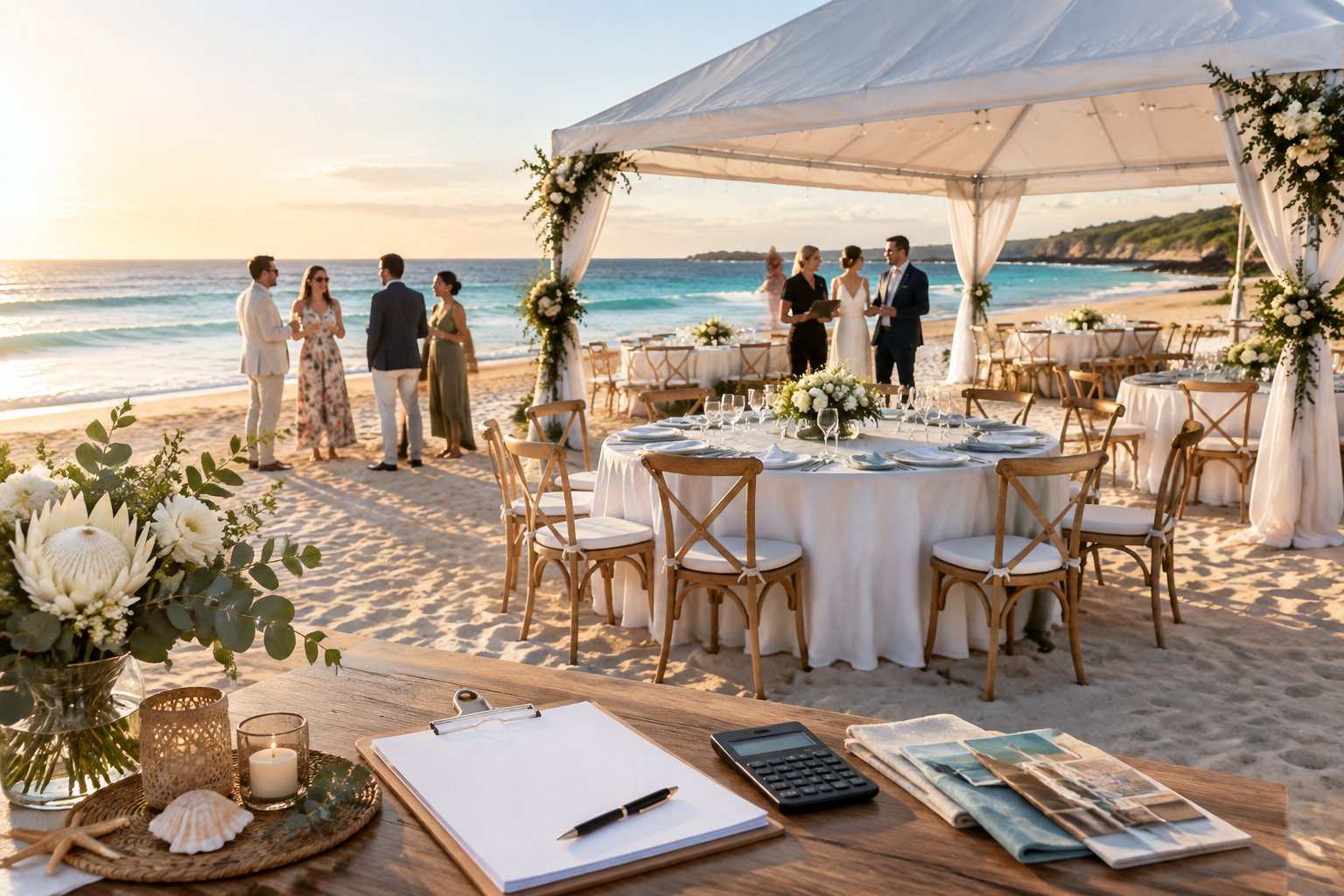
Venue Hire, Food, and Beverage Inclusions
Ask whether your quote includes ceremony setup, chairs, signing table, reception furniture, linens, staffing, menu service, beverages, cake cutting, cleaning, and a wet-weather space. Australian venue and catering packages commonly sit around AUD $170 to $220 per guest, with premium packages reaching AUD $250 to $300 per guest.
Public beach ceremonies can cost less in venue fees, while private beachfront wedding venues add site hire, minimum spends, and service charges. Daydream Island Resort and InterContinental Sanctuary Cove Resort may package multiple services together, so compare the complete inclusions instead of the room-hire figure alone.
For budget ideas, review affordable wedding venues near the beach and affordable all inclusive wedding venues.
Accommodation, Transfers, and Island Transport
Destination wedding budgets need room rates, ferry or boat transfers, airport travel, guest shuttles, luggage handling, and supplier transport. Island venues add transport schedules and weather policies to the planning checklist.
Request a group accommodation rate and ask whether ceremony transfers, welcome events, and day-after activities are included. Give guests a clear estimate for travel and lodging before you send invitations.
Permits and Costs for Public Beach Ceremonies
Public beaches require approval from the relevant council, reserve manager, or parks authority. Permit fees often fall between AUD $50 and $800, depending on the location, guest count, structures, and event conditions.
Your application may need the date, ceremony layout, equipment list, insurance, waste plan, and restoration details. Confirm rules for arches, chairs, amplified music, photography, parking, alcohol, and receptions.
A registered celebrant, a Notice of Intended Marriage, and two adult witnesses are also required for a legal marriage in Australia.
Plan for Weather, Comfort, and Smooth Logistics
A successful beach wedding uses a clear weather plan, guest comfort measures, and a detailed movement schedule. Coastal conditions shift across the Coral Sea, Indian Ocean, and Southern Ocean, so your venue should provide a practical backup space.
When Is the Best Time of Year for Each Coast?
Queensland’s dry season from May through October offers warm weather with lower humidity in tropical areas. New South Wales works well during March through May and September through November, when temperatures are comfortable for outdoor ceremonies.
Victoria’s warmer period runs from November through April, while Western Australia’s southern coast suits spring through autumn. Tasmania’s east coast is most comfortable during the warmer months, with extra layers useful even in summer.
Ask your venue about local wind patterns, rainfall, daylight, and popular date surcharges.
How to Handle Wind, Rain, Heat, and Tides
Set a decision time for activating your wet-weather plan, then share it with every supplier. Use weighted structures, secure floral designs, battery-powered microphones, and a covered reception space.
Check tide charts when the ceremony takes place on sand, especially at a narrow beach or cove.
For warm locations, provide shade, cold water, sunscreen, fans, and a shorter ceremony. For cooler coasts, add blankets, heaters, sheltered seating, and a guest area protected from gusts.
Your photographer and celebrant should also know where the backup ceremony will take place.
Creating a Comfortable Guest Experience by the Water
Give guests clear attire guidance that mentions sand, grass, stairs, wind, and temperature. Provide accessible paths, nearby restrooms, transport between venues, and a private place for anyone who needs a break from the sun.
Schedule the ceremony away from the harshest heat and allow extra time for parking and transfers. Place water at arrival points, keep food covered, and confirm lighting for paths and outdoor amenities before evening celebrations begin.