
Beach Wedding Venues Europe: Top Coastal Locations
You can find some of Europe’s most memorable beach wedding venues along the Mediterranean Sea, from private coves in Sicily to polished beach clubs in Spain. For couples who want a beautiful setting, strong guest services, and plenty of style choices, Mallorca, Spain is the best all-around starting point because it combines beaches, villas, hotels, and reliable destination-wedding infrastructure.
Your choice will shape more than your ceremony backdrop. Coastline, travel time, legal rules, weather, guest comfort, and reception costs all affect the experience. A cliffside villa suits an intimate celebration, while a full-service resort works well for a larger group that needs rooms, meals, and transportation in one place.
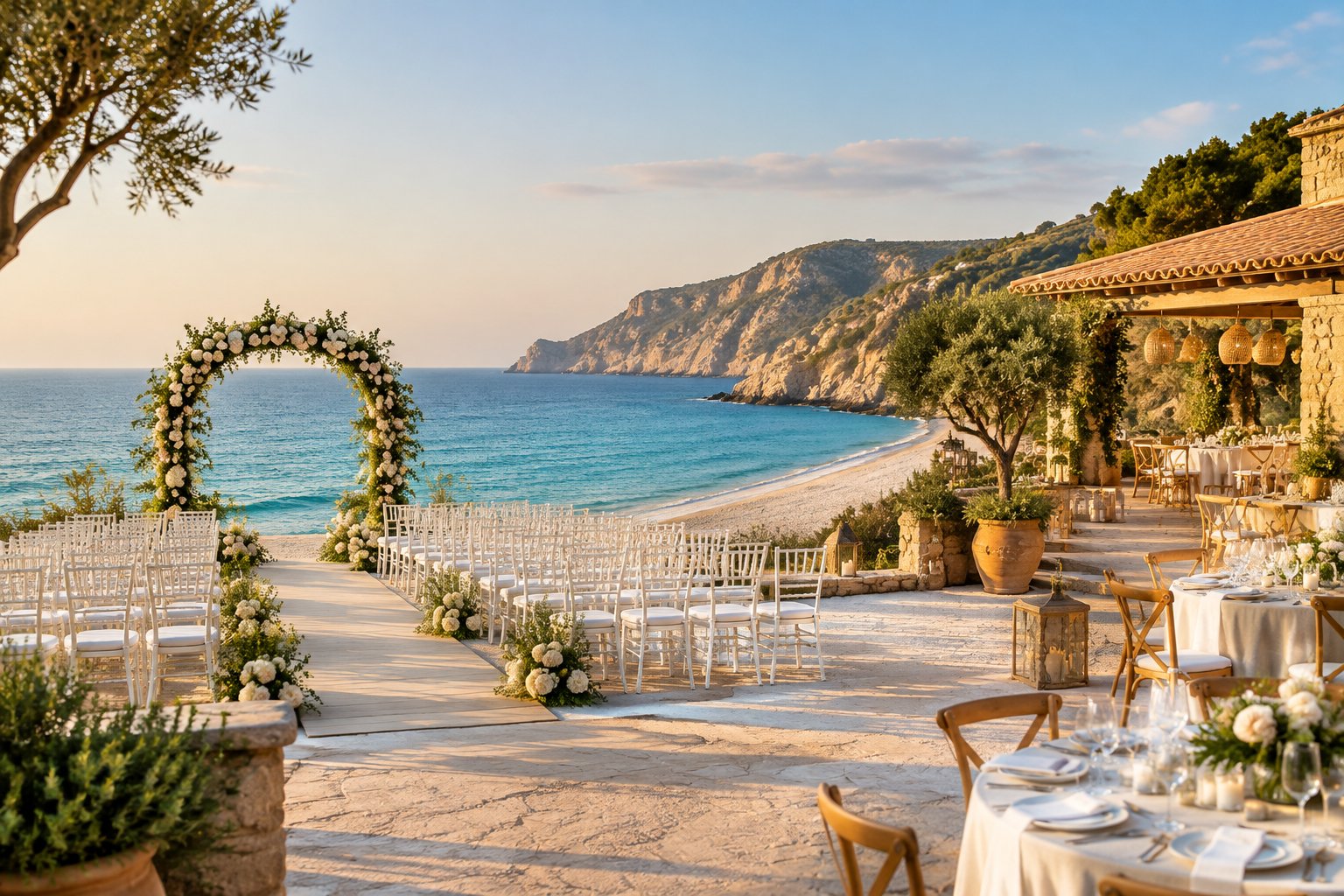
Start by matching the venue to your guest list and wedding style, then confirm the ceremony rules, backup plan, and full cost before you sign. If you want expert help creating a relaxed coastal celebration in Mallorca or another European destination, connect with Wedding Is a Beach for venue scouting, vendor planning, guest logistics, and wedding-day support.
How to Choose the Right Coastal Setting
The right beach wedding venue gives you a beautiful shoreline plus practical space for guests, vendors, dining, and weather changes. Compare the coastline, access, capacity, privacy, and services before you fall in love with the view.
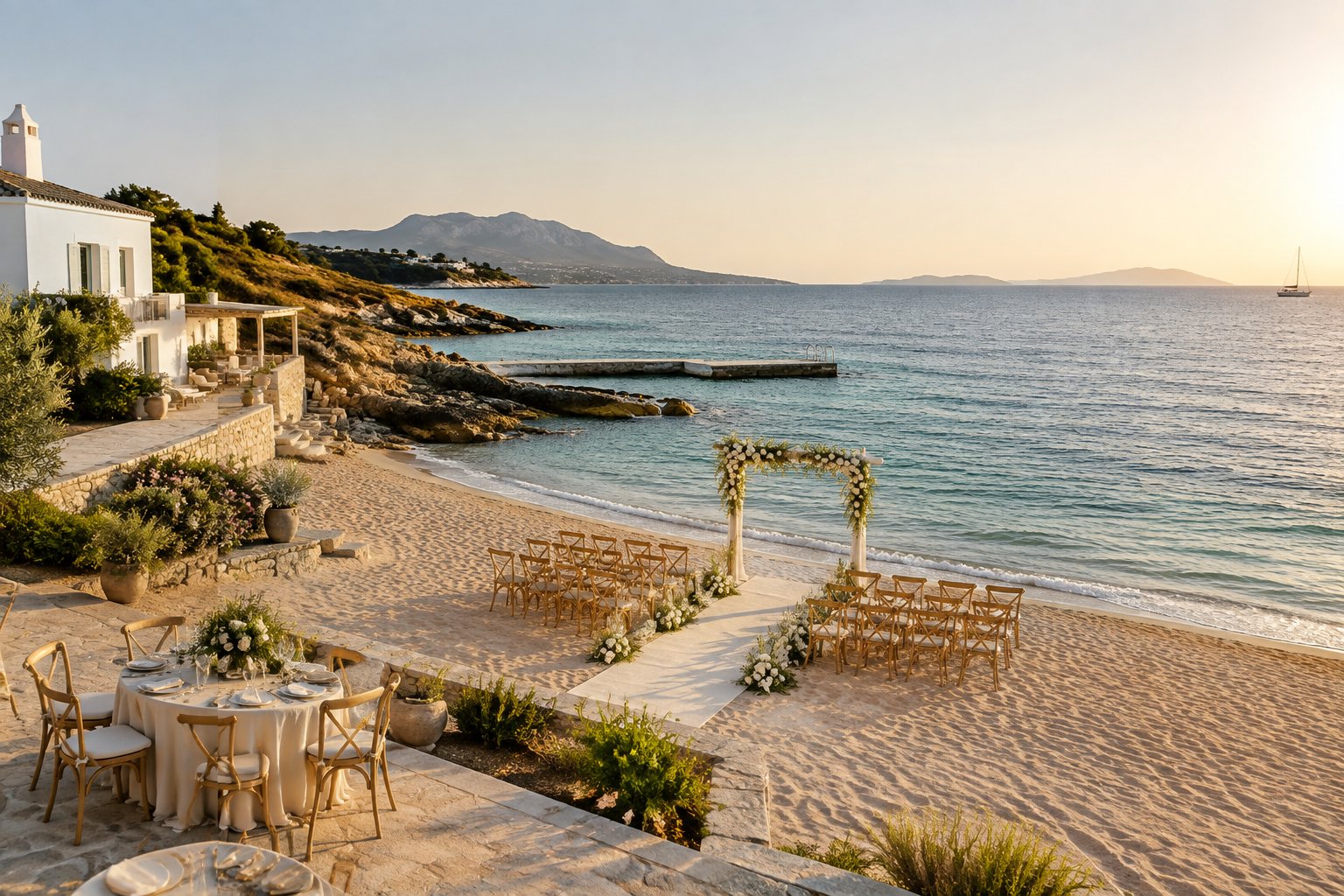
Beach, Cliffside, or Seafront Terrace?
A beach venue places your ceremony close to the water and creates a relaxed setting for barefoot vows. Check the sand quality, public access, tides, shade, restroom access, and distance between the ceremony and reception.
A cliffside venue gives you wide sea views, dramatic photographs, and more privacy. Ask about stairs, elevator access, railings, parking, and transfer times for older guests or anyone with mobility needs.
A seafront terrace offers a strong coastal view with firmer flooring, easier seating, and better control over dining layouts. It suits couples who want the beach atmosphere while keeping guests close to a bar, kitchen, and indoor rooms.
What Makes a Venue Work for Your Guest List?
Match the venue’s capacity to your confirmed guest count, not your hoped-for maximum. Ask whether the listed capacity includes a dance floor, buffet, band, bar, children, and service areas.
Review the full guest journey:
- Airport distance and transfer time
- Nearby hotels in several price ranges
- Parking and accessible entrances
- Restrooms close to the ceremony
- Quiet spaces for children or older guests
- Ferry or boat schedules for island locations
- Late-night transportation options
A venue that handles 120 guests at dinner may feel crowded during a ceremony with wide aisle spacing and a large floral installation. Request a floor plan with your preferred layout before booking.
Why a Covered Backup Plan Matters
A covered backup plan protects your wedding from rain, strong wind, heat, and sudden changes in temperature. Confirm that the alternative space holds the full ceremony and reception setup, including your guest count, band, dance floor, and catering stations.
Ask when the venue makes the weather call, who moves the furniture, and whether the backup plan costs extra. Check for shade during the warmest part of the day, wind protection for candles and paper goods, and safe power access for sound equipment.
Best European Coastlines for Every Wedding Style
Spain and Italy suit polished celebrations with strong food and hotel options, while Greece and Croatia offer island scenery and historic waterfronts. France brings refined resort style, and Portugal combines relaxed coastal views with useful value in areas such as the Algarve.
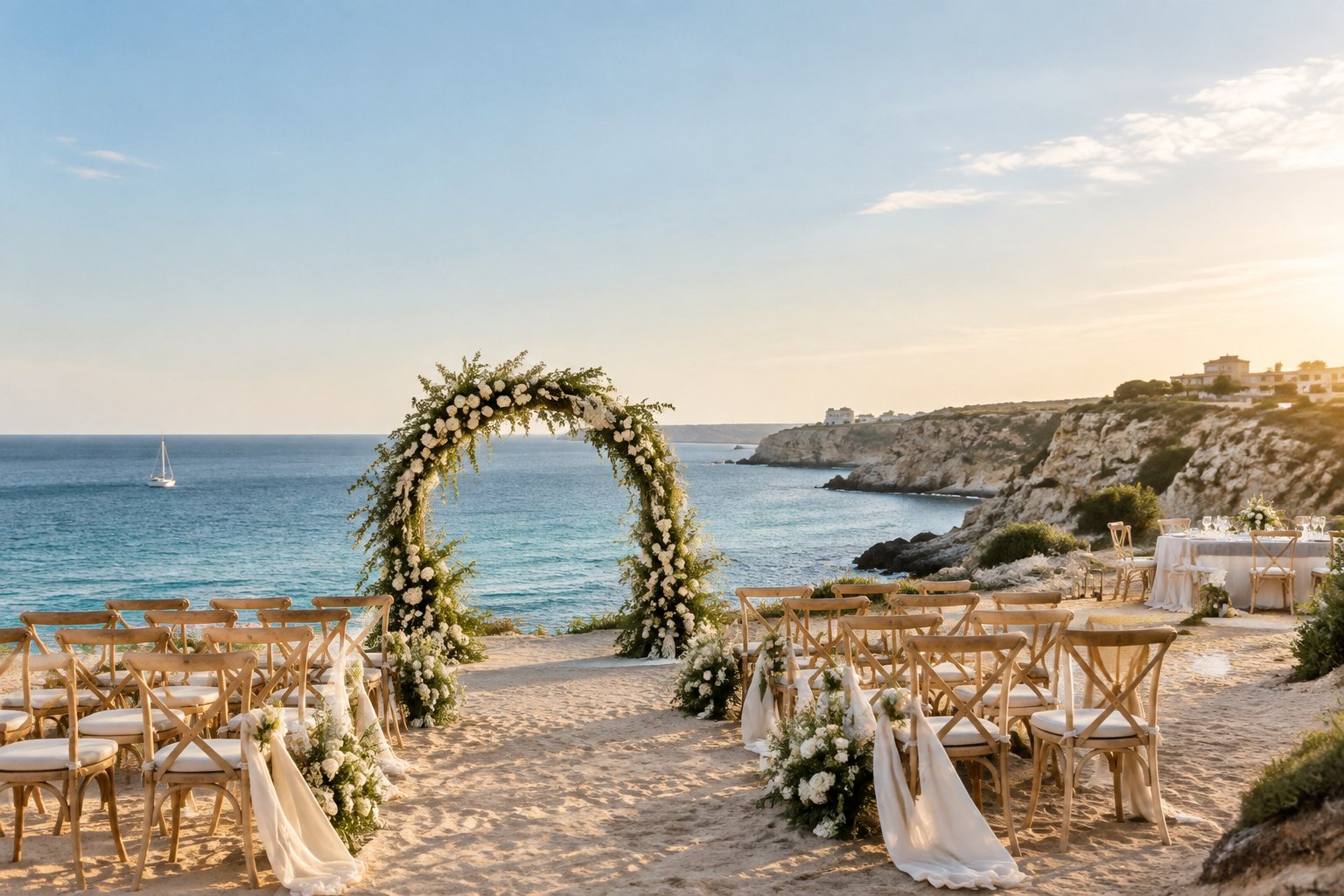
Glamorous Beach Clubs in Spain
Spain works well when you want lively hospitality, late dinners, and a wide range of venue styles. Ibiza brings stylish beach clubs and music-led receptions, while Marbella offers luxury hotels, private event spaces, and polished service in Andalusia.
The Costa Brava suits smaller weddings with rocky coves, fishing villages, and boutique hotels. Mallorca gives you the broadest mix of beach resorts, private fincas, terraces, and villa venues. The Canary Islands extend the beach season and offer volcanic landscapes, resort infrastructure, and direct connections from several European cities.
Romantic Coastal Escapes in Italy
Italy gives you historic architecture, regional cuisine, and coastlines with strong visual character. The Amalfi Coast brings cliffside villages and terraces above the sea, while Puglia offers masserie, sandy beaches, and open countryside.
Sicily suits couples who want dramatic coves, ancient stone, and a more varied landscape. Include transport time in your planning because winding roads, narrow streets, and busy summer routes affect guest movement. A villa with rooms onsite can reduce transfers and simplify the wedding weekend.
Whitewashed Island Celebrations in Greece
Mykonos fits high-energy celebrations with beach clubs, design-led hotels, and late-night receptions. Santorini is known for caldera views and sunset ceremonies, with terraces that work well for intimate guest counts.
For more space and a slower pace, consider Crete or the Peloponnese. These regions offer beaches, private estates, resort venues, and cultural sites. Confirm wind conditions and sunset timing before choosing a ceremony hour, especially on exposed terraces.
Historic Seaside Settings in Croatia
Croatia pairs clear Adriatic water with stone towns, islands, and waterfront dining. Hvar works for stylish island weddings, while Split offers historic architecture and easier mainland access.
Dubrovnik brings fortified walls, polished hotels, and strong visual appeal for smaller or luxury celebrations. Island venues need a detailed ferry or boat plan, including luggage handling, weather backup, and late-night return options. Mainland venues can make guest travel easier when your invitation list includes people arriving from different airports.
Refined Riviera Weddings in France
The Côte d’Azur, also called the French Riviera, offers elegant hotels, private beaches, harbor views, and fine dining. Locations near Nice, Cannes, and Saint-Tropez suit couples who want a polished celebration with strong accommodation choices.
French Riviera venues can carry premium rates during peak summer dates. A weekday or shoulder-season celebration gives you more flexibility with guest rooms, restaurants, and vendor availability. Ask whether the venue’s beach area is private, reserved for your group, or shared with hotel guests.
Relaxed Cliffs and Coves in Portugal
Portugal’s Algarve combines golden cliffs, sheltered coves, golf resorts, villas, and ocean-view restaurants. It suits relaxed weddings with natural textures, local seafood, and an easy holiday feel.
Check wind exposure at cliffside venues and confirm the walking route from parking to the ceremony. Smaller towns can offer a quieter setting, while resort areas provide more lodging and transfer choices. Lisbon and Porto also give you useful arrival options for guests extending the trip.
Standout Seaside Venues to Put on Your Shortlist
The strongest venue shortlist balances visual impact with access, privacy, weather protection, and guest comfort. These properties and settings cover several styles, from a historic Sicilian cove to polished resorts on the Amalfi Coast, Mykonos, Marbella, and the French Riviera.
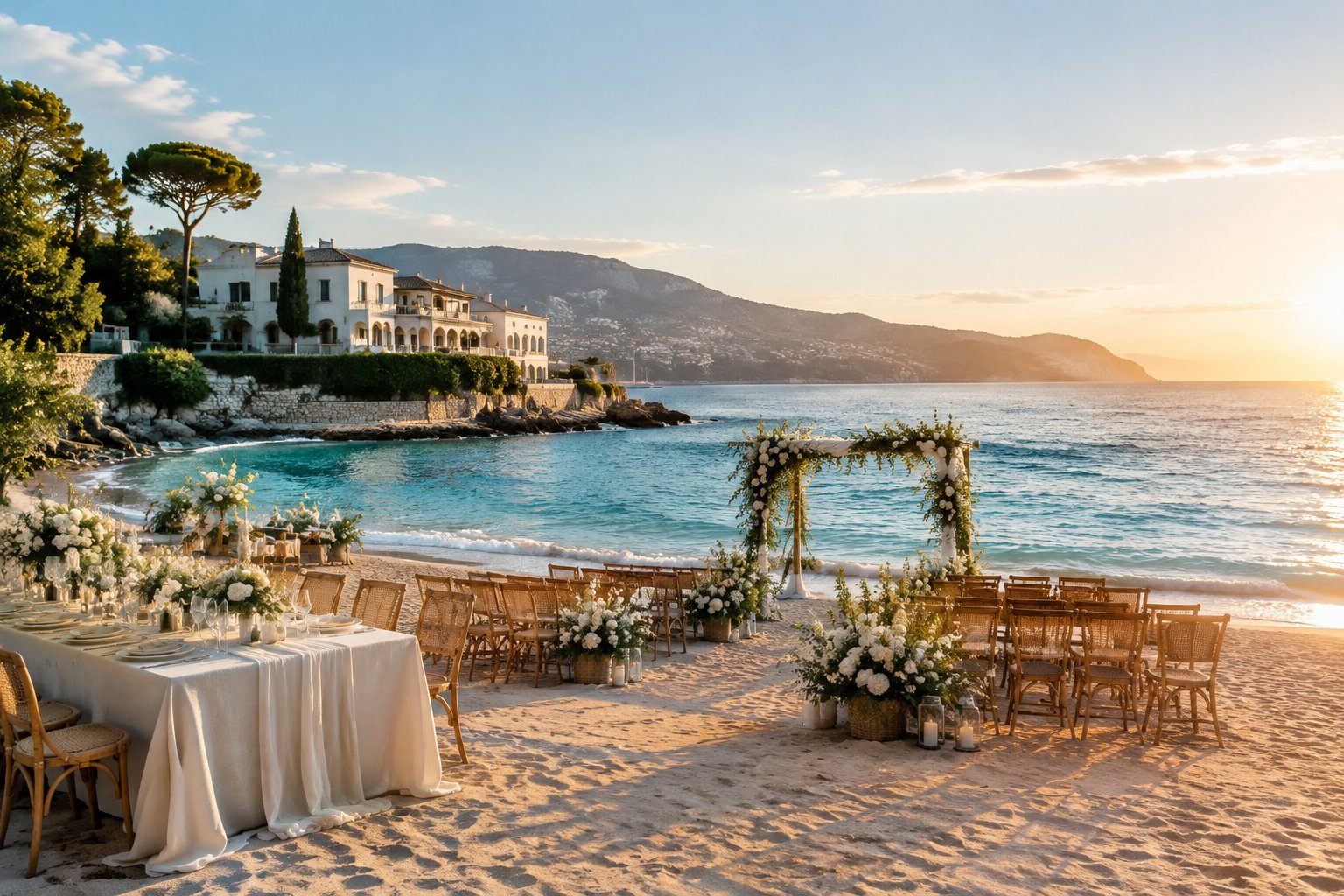
Tonnara di Scopello, Sicily
Tonnara di Scopello sits in Scopello on Sicily’s northwest coast, overlooking the Tyrrhenian Sea. The historic tuna fishery, stone buildings, and rugged shoreline create a distinctive setting for intimate ceremonies and editorial-style photographs.
The venue suits a smaller guest list that values character and scenery. Ask about ceremony locations, reception capacity, lighting, sound limits, catering arrangements, guest parking, and the walking route across the site. A nearby hotel plan and private transfers help guests move comfortably through the area.
Villa Treville on the Amalfi Coast
Villa Treville offers gardens, terraces, and sea views above the Amalfi Coast. Its layered outdoor spaces work well for a wedding weekend with a welcome drink, ceremony, dinner, and sunset portraits in separate areas.
The setting favors intimate celebrations with a luxury feel. Confirm exclusive-use terms, room allocations, vendor access, music rules, and the plan for guests arriving along the coast. A boat transfer can create a memorable arrival, while road transfers need extra time during busy months.
Belmond Villa Sant’Andrea in Taormina
Belmond Villa Sant’Andrea in Taormina offers a hotel setting close to the water, with resort services and access to the dramatic Sicilian coastline. It suits couples who want guest rooms, dining, beach access, and event support in one property.
Ask how the venue separates hotel guests from your wedding group, where the ceremony and reception take place, and what happens if weather changes. Taormina’s hills and roads make a transfer schedule useful for airport arrivals, rehearsal events, and late-night returns.
Cali Mykonos and Mykonos Beach Clubs
Cali Mykonos and other Mykonos beach clubs suit couples who want a modern island celebration with strong design, music, and food. Beach clubs create an energetic atmosphere and can support a reception that continues into the evening.
Review sound rules, exclusivity, minimum spend, guest transport, and the distance from nearby hotels. Mykonos wind can affect arches, menus, seating, and hair styling, so ask for wind-rated décor and a sheltered dining option.
Marbella Club Hotel in Andalusia
The Marbella Club Hotel in Andalusia brings resort service, gardens, beach access, and a polished setting for a larger destination wedding. Guests can stay onsite or nearby, which helps simplify transportation and group activities.
Ask about private beach use, indoor rooms, reception layouts, menu minimums, and noise limits. Marbella also offers golf, wellness, restaurants, and boat activities for a multi-day wedding itinerary.
Cap Estel on the Côte d’Azur
Cap Estel sits on a private peninsula on the Côte d’Azur, offering sea views, terraces, gardens, and a secluded hotel atmosphere. The property suits an intimate luxury wedding with a strong sense of privacy.
Confirm the maximum guest count, buyout terms, ceremony access, dining spaces, and backup rooms. Its position near the French Riviera makes Nice a useful arrival point, with private transfers connecting guests to the property.
When Should You Plan a European Beach Wedding?
May, early June, September, and early October offer the best balance of warm weather, manageable heat, lighter crowds, and stronger venue availability across much of coastal Europe. Your exact date should follow the local wind pattern, water temperature, travel calendar, and venue operating season.
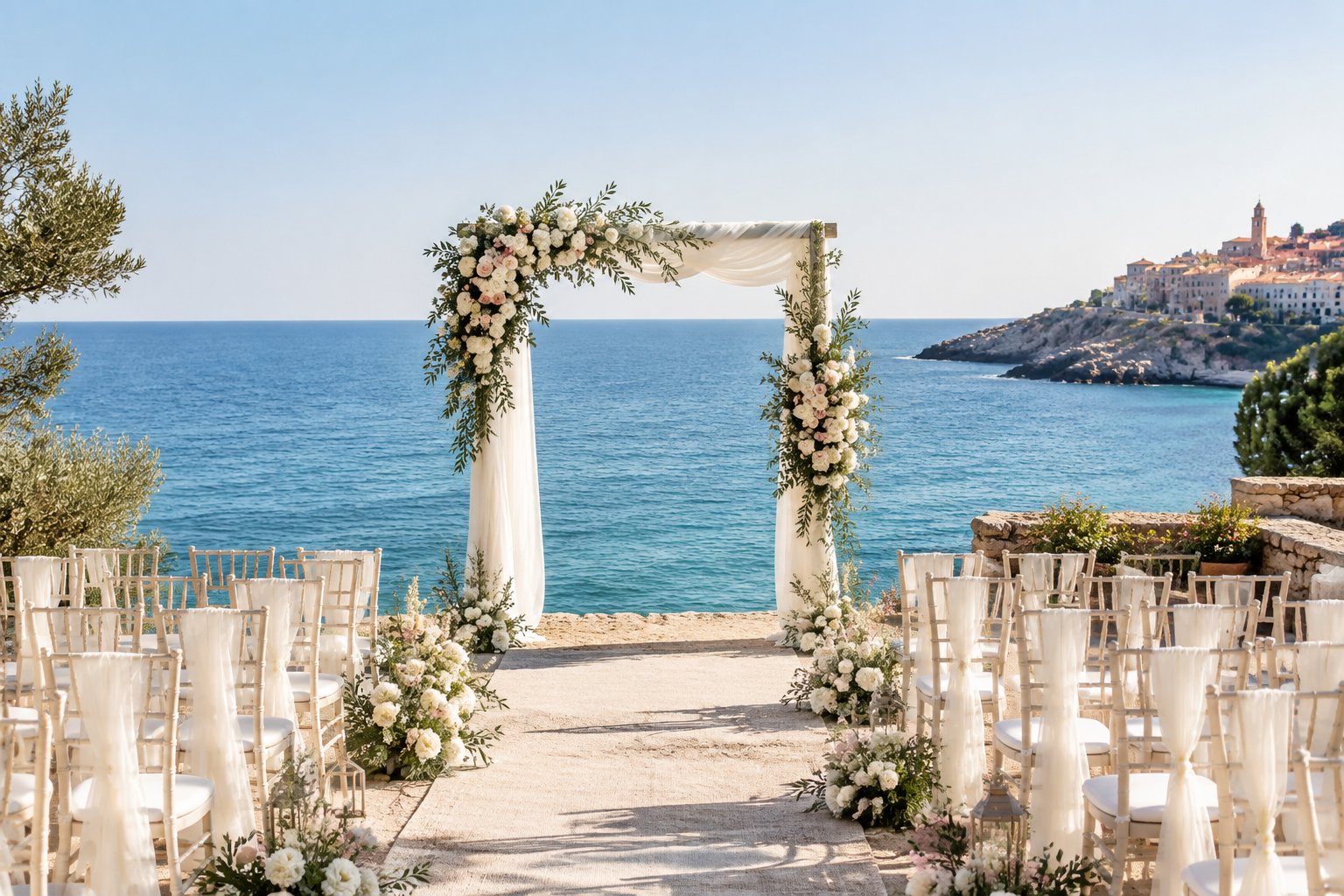
The Best Months for Sun Without Peak-Season Crowds
May and June bring long days and comfortable temperatures to many Mediterranean locations. September keeps the sea warm after summer, while October can work well in southern Portugal, the Canary Islands, and parts of Greece.
Fig Tree Bay in Cyprus offers a beach setting with a long warm season. The Algarve and Canary Islands suit couples seeking mild coastal weather outside the busiest summer period. Crete can remain warm into October, though island services and ferry schedules become more limited later in the season.
July and August bring long daylight hours, yet midday heat, higher travel prices, and crowded resorts require careful planning. Schedule outdoor ceremonies later in the day and provide shade, water, fans, and comfortable seating.
Weather and Wind Risks by Coastline
The Mediterranean Sea brings different weather patterns to each coastline. Exposed Greek islands and open beaches in Croatia can be windy, while cliffside venues in Portugal and Spain need shade and wind checks.
Ask the venue for past weather guidance and an hour-by-hour ceremony plan. Confirm how wind affects umbrellas, floral arches, candles, menus, sound systems, and sailcloth structures. Your plan should include a covered ceremony space, a sheltered dining area, and a clear decision time for moving indoors.
How Far Ahead Should You Book?
Book popular beach wedding venues 12 to 18 months ahead, with more time for a Saturday in July, a private buyout, or a guest list above 80 people. Start earlier if you need a specific photographer, planner, hotel block, or legal ceremony date.
A practical order is:
- Set your guest range and total budget.
- Choose two or three coastal regions.
- Request full proposals and backup-plan details.
- Confirm the venue before booking major travel.
- Reserve rooms, transfers, and key vendors.
- Begin legal paperwork as soon as the destination office provides its timeline.
What Do Beach Wedding Venues Cost in Europe?
A European beach wedding can range from a modest celebration at a local venue to a luxury weekend costing tens of thousands of dollars. Italy, France, Spain, and high-demand Greek islands often sit at the premium end, while Portugal, Croatia, and selected areas of Mallorca can offer more control over the budget.
Venue Hire, Food and Beverage Minimums, and Buyouts
Venue hire may cover the ceremony area, reception space, furniture, staffing, and basic cleaning. Food and beverage charges can follow a per-person rate, a minimum spend, or a package with set menus and drinks.
A private buyout reserves the property or event area for your group. It may include guest rooms, exclusive beach or terrace use, and extra event spaces. Ask whether the quote includes service charges, taxes, rentals, corkage, overtime, sound equipment, setup, breakdown, and vendor meals.
When comparing wedding venues in Italy, wedding venues in Spain, wedding venues in France, and wedding venues in Greece, place each proposal into the same budget sheet. A lower venue fee can carry higher catering, staffing, or transportation costs.
Where Your Budget Goes Furthest
Portugal and Croatia often provide strong value for coastal celebrations, especially outside peak summer. Puglia can offer excellent food and distinctive masseria settings, while Mallorca gives you a broad choice of villas, hotels, and beach venues at different price levels.
Reduce costs by choosing:
- A weekday or Sunday date
- May, early June, late September, or October
- A venue with tables, chairs, lighting, and catering included
- A guest list that fits the venue without extra spaces
- Local flowers and seasonal menus
- One main reception instead of several catered events
Review affordable destination options with a clear guest budget, since flights and lodging affect attendance even when guests pay their own travel.
Costs That Couples Often Miss
Add a separate line for expenses that sit outside the headline venue price:
- VAT or local taxes
- Service charges and gratuities
- Ceremony permits and municipal fees
- Translations, legal certificates, and an apostille
- Airport transfers, ferries, boats, and late-night cars
- Vendor travel, lodging, meals, and equipment shipping
- Weather backup rentals
- Generator, power, lighting, and sound needs
- Welcome dinner, rehearsal meal, and farewell brunch
- Hotel room blocks and hospitality gifts
Request a final estimate with tax, staffing, rentals, and overtime shown as separate lines. That format lets you compare proposals accurately before paying a deposit.
Permits, Legal Ceremonies, and Guest Logistics
Treat legal paperwork, beach access, and guest transport as core venue requirements from the first inquiry. A symbolic ceremony offers more location freedom, while a legal marriage abroad requires destination-specific documents, translations, deadlines, and local appointments.
Do You Need a Permit for a Beach Ceremony?
A permit may be required when your ceremony uses a public beach, chairs, an arch, amplified sound, catering, or other equipment. Private hotels and resorts often coordinate approvals for their own event areas, while public beaches may involve a municipality, coastal authority, or park office.
Ask who applies for the permit, what activities it covers, and when approval arrives. Confirm rules for confetti, candles, drones, music, alcohol, fires, floral installations, and guest numbers. Fig Tree Bay, Hvar, Split, and Dubrovnik can each have different local procedures, so use the venue’s municipality as your starting point.
Legal Marriage Abroad vs. a Symbolic Ceremony
A legal ceremony creates a marriage recognized under the destination’s rules and requires compliance with its civil process. A symbolic ceremony lets you complete the legal marriage at home and hold your personalized vows at the beach venue.
Couples choose a symbolic ceremony when local paperwork, translation requirements, residency rules, or appointment schedules make a destination legal ceremony difficult. You can still include rings, readings, vows, music, and a celebrant-led ceremony at Santorini, Mykonos, or another coastal destination.
Confirm recognition requirements with the destination authorities and your home jurisdiction before choosing the ceremony type.
Translations, Apostille Documents, and Local Rules
Common documents include passports, birth certificates, proof of address, divorce decrees when relevant, and a certificate showing no legal barrier to marriage. Some authorities require certified translations and an apostille, which authenticates a public document for use in another participating country.
Document names, validity periods, appointment rules, and translation standards vary by destination. Request the current checklist from the local civil office or consulate, then give your planner copies with enough time for review. Keep original documents in your carry-on and store secure digital copies separately.
Airport, Ferry, and Transfer Planning for Guests
Build transfers around the venue’s real travel route, not the distance shown on a map. Hvar may require a ferry or private boat after arrival in Split, while Dubrovnik and mainland venues can involve airport transfers through busy coastal roads.
Give guests:
- The closest airport and backup airport
- Recommended arrival windows
- Ferry, boat, or shuttle instructions
- Hotel addresses and check-in details
- Transfer prices and payment rules
- Emergency contact information
- A plan for late arrivals and delayed luggage
Reserve group transportation early for island weddings and provide a welcome point at the airport or port. Guests should know how to reach the venue after dark, especially when the final route includes a narrow road, boat crossing, or limited taxi service.