
Bed and Breakfast Wedding Venues: A Planning Guide
A bed and breakfast gives you a wedding setting with guest rooms, shared spaces, and a more personal feel in one property. Bed and breakfast wedding venues suit couples planning intimate celebrations because they combine ceremony space, overnight lodging, and a relaxed weekend experience. You can exchange vows in a garden, host dinner on a patio, and start the next morning with breakfast close to the people you love.
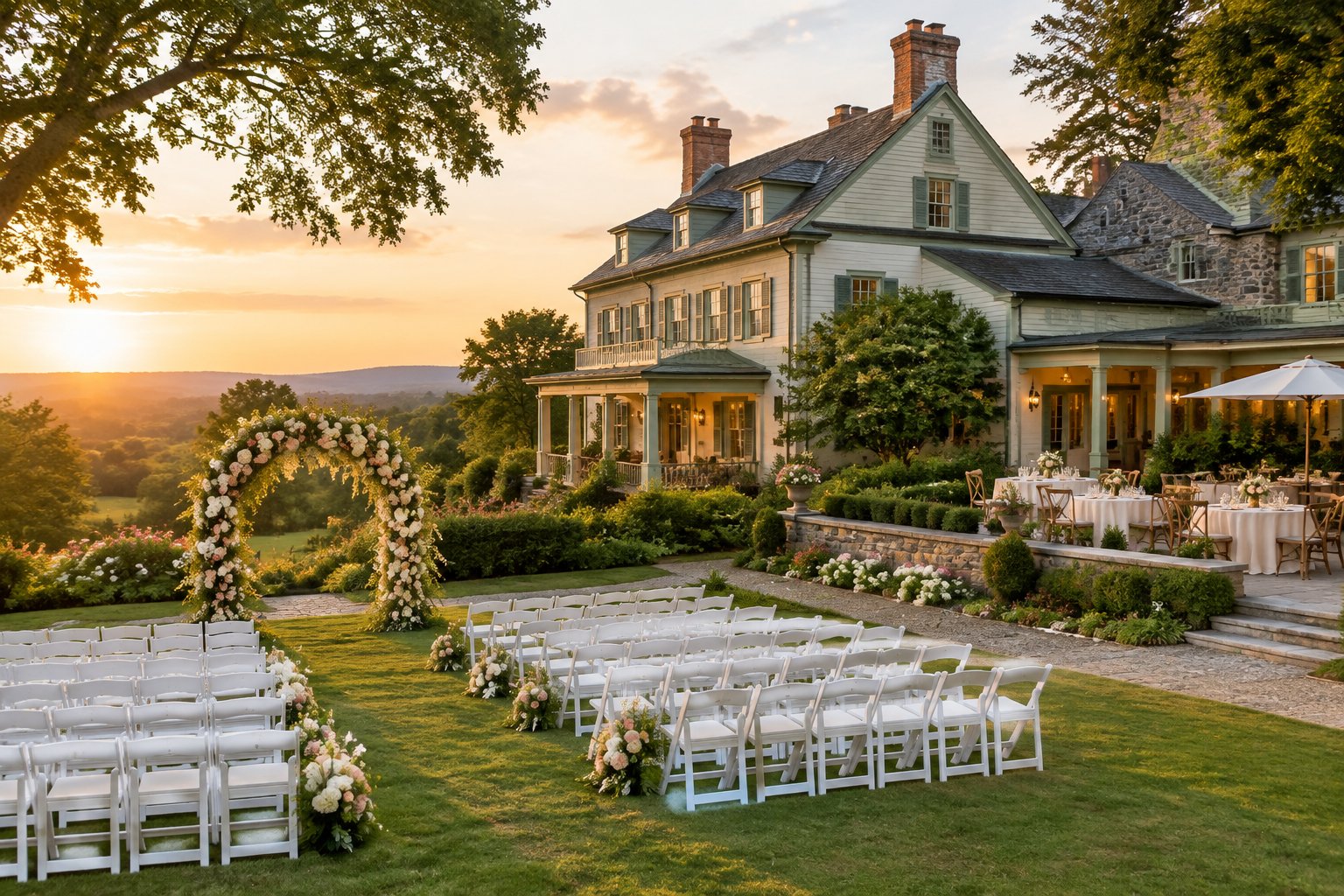
The right inn should fit your guest count, wedding budget, style, and plans for food, music, and lodging. As you compare properties, look closely at exclusive-use policies, accessibility, vendor rules, weather plans, and the contract. If you want more ideas for intimate celebrations, browse these tips for choosing the perfect venue for a small wedding.
Why Choose an Inn for Your Wedding?
An inn works well when you want your wedding day to feel connected, personal, and easy for guests to navigate. The property’s rooms, gathering areas, grounds, and hospitality shape the celebration from arrival through breakfast the next morning.
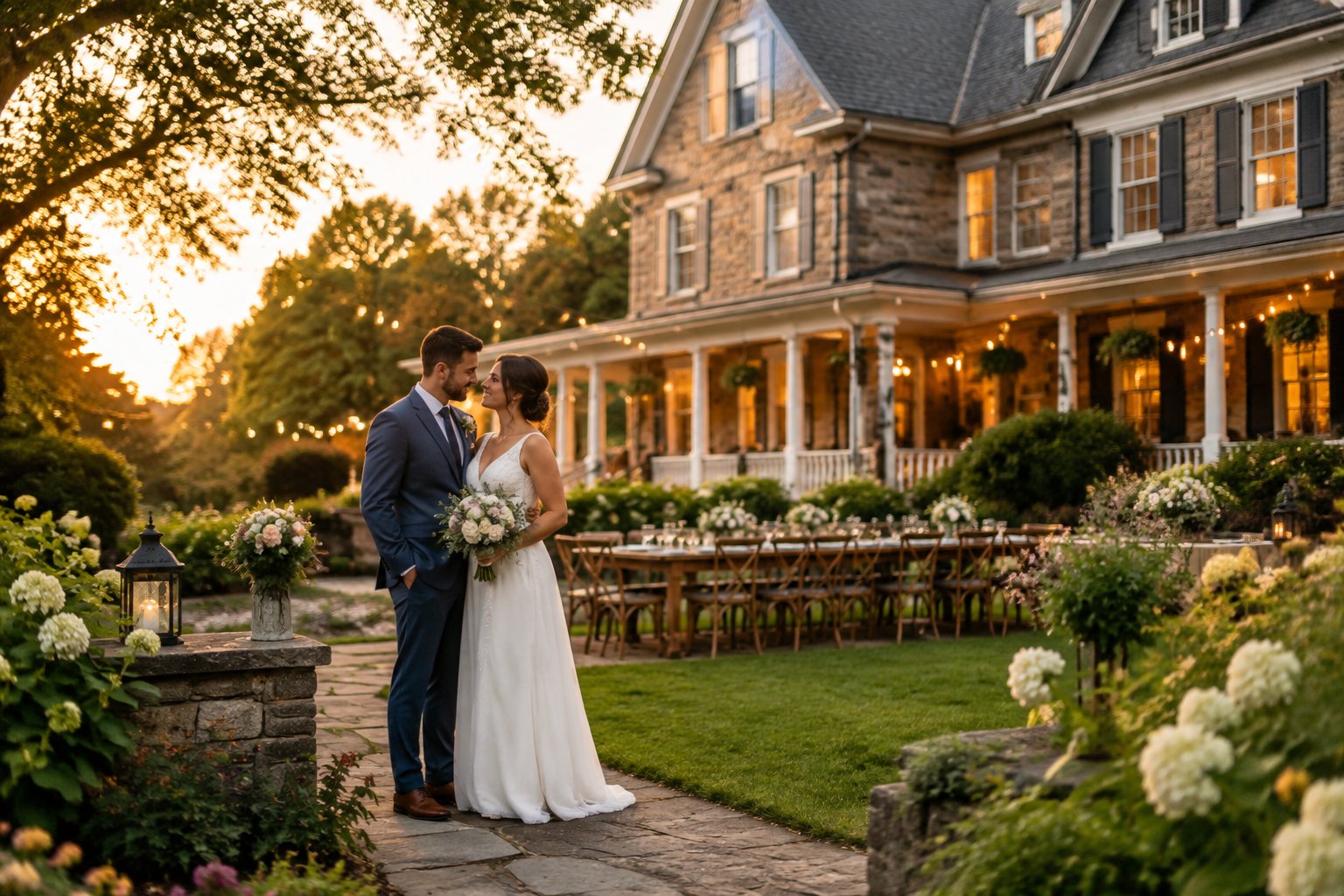
The Appeal of a Private, Personal Celebration
A small inn creates a close setting where guests spend meaningful time together. Historic details, landscaped grounds, fireplaces, porches, and gardens often provide built-in character for your ceremony and wedding photos.
Personal service is another draw. An innkeeper or venue coordinator may help you plan room assignments, recommend local vendors, arrange welcome details, and manage property logistics. Ask exactly what support comes with your package so you know whether you need a full-service wedding planner.
Exclusive use gives your group control of the shared spaces and helps the celebration feel private. Confirm whether exclusive use includes every guest room, the grounds, dining areas, and preparation suites.
How Overnight Stays Simplify the Guest Experience
On-site lodging keeps guests near the ceremony and reception. They can settle in without arranging a hotel block, driving between locations, or leaving early to find transportation after the reception.
A stay also turns a wedding into a weekend gathering. Guests can arrive for a welcome meal, spend time together before the ceremony, and share breakfast after the celebration. Provide room rates, check-in details, parking instructions, and nearby hotel options for guests who cannot stay on the property.
When a Small Property Is the Right Fit
An inn fits a micro-wedding, elopement, or intimate ceremony when your guest list matches the property’s capacity. A smaller setting works well for couples who value conversation, shared meals, relaxed timing, and a strong sense of place.
Review the maximum guest count for each part of the day. A property might sleep 20 guests but host 60 for an outdoor ceremony, while its dining room supports only 35 for dinner. Request floor plans and sample layouts before you finalize your invitation list.
Potential Limitations to Consider
Small properties bring practical limits that affect the event plan. Room counts, kitchen size, restroom access, parking, dance space, and noise rules all deserve a close review.
A bed and breakfast may also have a limited staff, so setup, bartending, cleanup, and transportation could remain your responsibility. Ask who handles each task and when vendors can enter the property. Check local requirements for permits, liability insurance, alcohol service, amplified music, and outdoor events.
How to Find the Right Property
The right property matches your guest count and wedding style while supporting the movement of people, vendors, food, and equipment. Tour in person when possible, and request current pricing, floor plans, policies, and photos of the spaces included in your date.
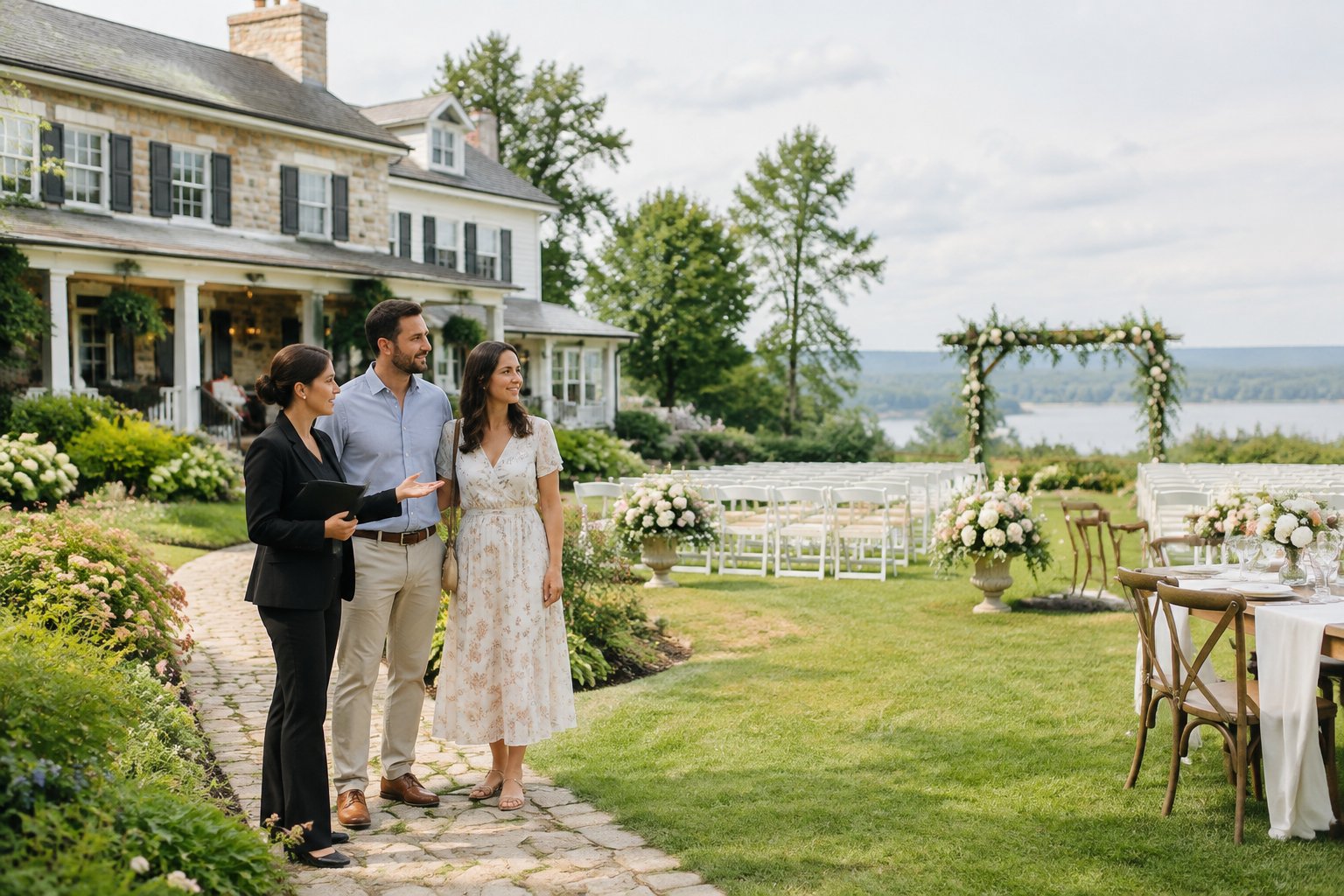
Matching Guest Capacity to Your Wedding Size
Start with three numbers: overnight guests, ceremony guests, and reception guests. Compare those figures with the property’s sleeping capacity, legal event limit, dining layout, restroom count, and rain-plan capacity.
Ask how the venue handles different seating styles. A seated dinner requires more room than a cocktail reception, and a dance floor takes space away from tables. Request layouts for your expected guest count and for a full-capacity event before you sign.
Choosing Between Historic, Rural, Coastal, and Urban Settings
Your setting influences travel, photos, seasonal comfort, and the guest experience. A historic inn offers architecture and period details, while a rural property may provide open land, gardens, or farm views. A coastal inn brings water scenery and beach access, while an urban bed and breakfast can place guests near restaurants, museums, and public transportation.
Check the surroundings at the time of year you plan to marry. Ask about heat, cold, insects, wind, sunset timing, and seasonal road conditions. Review nearby attractions and lodging options for guests who need a different room type or price point.
Evaluating Ceremony and Reception Spaces
Walk through the full event path from getting-ready rooms to ceremony space, cocktail hour, dinner, dancing, and restrooms. Look for shade, lighting, power access, sound limits, rain cover, and a smooth route for older guests or anyone using mobility equipment.
Ask which furniture, linens, tableware, lighting, and décor items come with the venue rental. Confirm the setup and breakdown windows, storage areas, vendor load-in route, and cleanup expectations.
Checking Accessibility, Parking, and Transportation
Review accessibility in every space your guests will use. Ask about step-free entrances, accessible restrooms, paths across lawns, elevator access, room features, and seating arrangements for guests with disabilities.
Count parking spaces for guests, vendors, and staff. Identify overflow parking and confirm whether cars can remain overnight. If the property sits outside town, collect shuttle, rideshare, taxi, and airport information for your wedding website and invitations.
What Do Bed and Breakfast Weddings Cost?
A bed and breakfast wedding cost includes more than the venue fee, so build your budget from the complete event plan. Price the property, rooms, food, drinks, rentals, staffing, transportation, photography, entertainment, attire, flowers, and taxes before comparing packages.
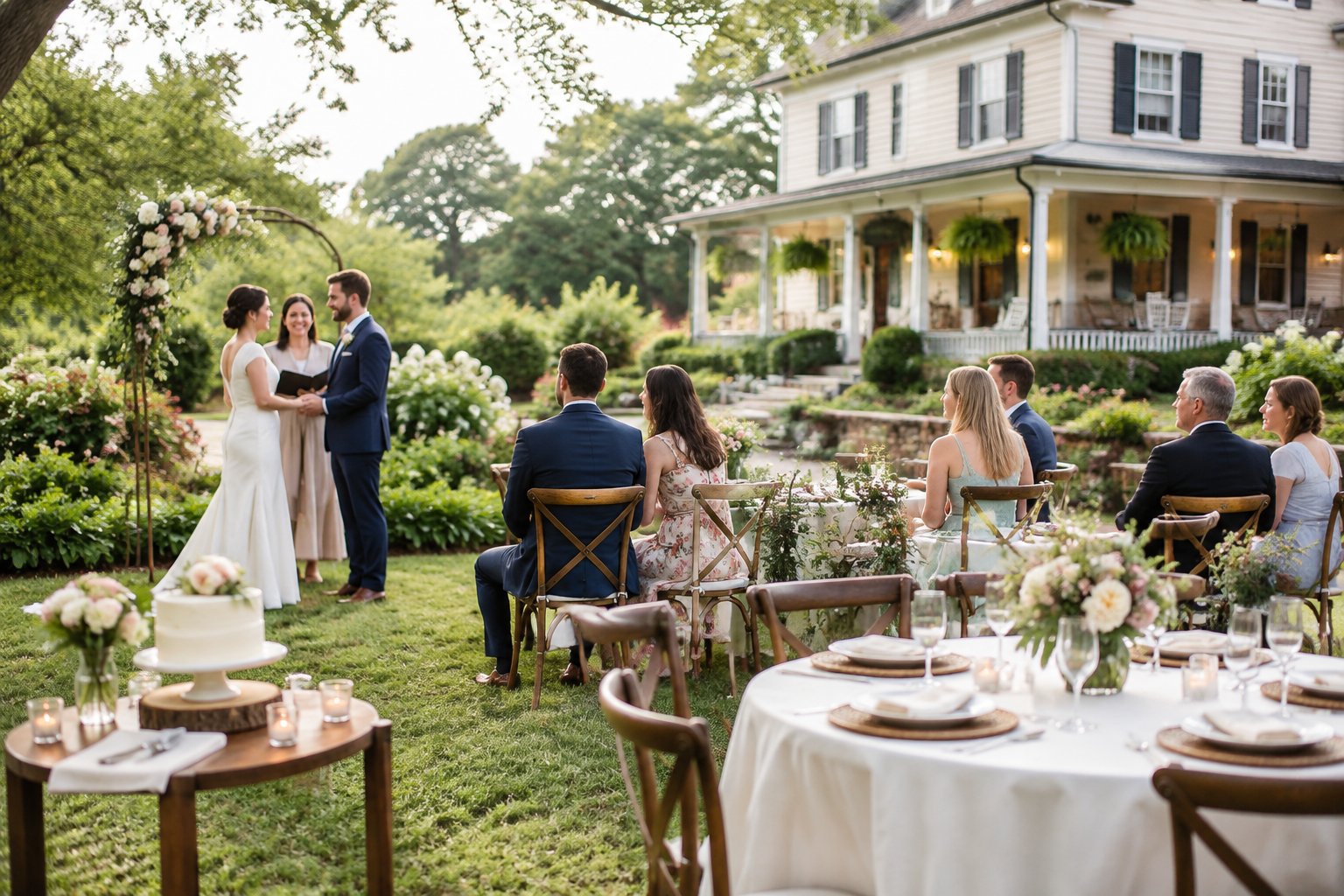
Typical Venue Fees and Accommodation Packages
Pricing varies by location, season, day of the week, guest count, and exclusive-use terms. A venue might charge a site rental, a weekend buyout, a per-person package, room fees, or a combination of these costs.
Ask for a written estimate based on your date and guest count. Compare the total for a weekday, off-season date, or shorter rental period if your schedule allows. An accommodation package might cover some rooms while other guests pay separately, so clarify who is responsible for each reservation.
For broader context on venue pricing, review what do most wedding venues cost.
What Is Usually Included in the Booking
A venue package may include ceremony and reception access, tables, chairs, basic linens, guest rooms, a getting-ready suite, breakfast, parking, and venue coordination. Each property defines its package differently.
Request an itemized list that states quantities and service times. Confirm whether the package includes setup, cleanup, bartenders, servers, security, sound equipment, heating or cooling, and an outdoor backup space.
Extra Costs for Catering, Rentals, and Staffing
Food and beverage charges can include a per-person menu price, service fees, gratuity, tax, bar packages, cake cutting, corkage, and catering equipment. Outside caterers may charge delivery, staffing, kitchen, or cleanup fees.
Rental costs can cover tents, chairs, tables, dance floors, glassware, dinnerware, lighting, heaters, and restrooms. Staffing expenses might include a planner, day-of coordinator, bartenders, servers, parking attendants, and security. Ask for a full estimate that includes required vendors and venue fees.
Ways to Keep a Micro-Wedding Budget on Track
Set a total budget before touring, then reserve a separate amount for unexpected costs. Keep the guest list aligned with the room capacity and menu price, since each additional guest affects food, drinks, rentals, seating, and lodging.
Choose a naturally attractive property that needs less décor. Consider a weekday or off-season date, a brunch reception, a beer-and-wine bar, digital stationery, and shared transportation. Compare package details with affordable wedding venues before you commit.
Questions to Ask Before You Book
Ask every policy and pricing question before paying a deposit. Clear answers about access, vendors, alcohol, weather, and cancellation terms help you compare properties on the same basis.

Is the Property Available for Exclusive Use?
Ask whether you receive the entire property, selected rooms, event spaces, or only the grounds. Confirm the arrival and departure times, access for vendors, use of common areas, and privacy for overnight guests.
Find out whether another wedding, private event, or regular lodging guest could share the property during your stay. Ask who has access to the grounds and whether the venue locks or limits areas during the event.
What Are the Noise, Curfew, and Alcohol Rules?
Request exact times for amplified music, live bands, outdoor speakers, dancing, and bar service. Ask whether quiet hours apply to indoor spaces, outdoor areas, guest rooms, or the whole property.
Confirm the alcohol policy, including approved bartenders, liquor licensing, insurance, corkage, open flames, glassware, and last call. Ask whether guests can bring drinks to their rooms or outdoor areas.
Which Vendors Are Required or Recommended?
Ask whether the venue requires an approved caterer, bar team, planner, rental company, florist, or DJ. If outside vendors are welcome, confirm insurance requirements, kitchen access, arrival times, load-in rules, and cleanup duties.
Request the preferred vendor list and ask whether those vendors pay referral fees. Review menus, pricing, service areas, and contract terms before making a choice.
What Is the Weather Backup Plan?
A weather plan should name the exact indoor space, seating layout, transition time, and vendor responsibilities. Ask whether the backup room holds your full guest count with dinner tables, a bar, a dance floor, and accessible pathways.
Discuss rain, high heat, wind, cold, smoke, and power outages. Confirm when the final weather decision is made and who communicates the change to guests and vendors.
What Do the Contract and Cancellation Terms Say?
Read the agreement for the deposit, payment schedule, taxes, service charges, overtime, damage fees, cleanup duties, room cancellation rules, force majeure terms, and date-change policy. Check whether your deposit is refundable and what happens if the venue closes or becomes unusable.
Ask how guest-room reservations connect to the event contract. Save the signed agreement, payment receipts, vendor rules, floor plans, and all written updates in one place.
Planning a Seamless Overnight Celebration
A smooth overnight wedding needs a clear rooming plan, a practical weekend schedule, and guest information that explains how the small property works. Assign responsibilities early so the inn team can focus on hospitality and your wedding party can enjoy the celebration.
Creating a Comfortable Rooming Plan
List the rooms, bed sizes, accessibility features, rates, occupancy limits, and check-in times. Prioritize the couple, immediate family, wedding party, older guests, and anyone who needs a specific room feature.
Create a private rooming document for the venue and a simpler guest version with arrival instructions. Explain whether guests book and pay for rooms directly, whether the couple covers any rooms, and how cancellations work.
Building a Weekend Wedding Timeline
Give guests a schedule with arrival, check-in, welcome gathering, rehearsal, ceremony, reception, quiet hours, breakfast, checkout, and departure. Leave space between events for travel, rest, photography, and vendor setup.
Assign one point person for questions during the weekend. Your coordinator, planner, or trusted attendant can handle room issues, transportation updates, misplaced items, and vendor calls while you stay present with your guests.
Coordinating Breakfast, Welcome Events, and Farewells
Ask the inn about breakfast timing, menu choices, dietary needs, coffee service, and seating capacity. A staggered breakfast time may work better when the property has a small dining room.
A welcome gathering could include a casual meal, local treats, or a short property orientation. Keep the farewell simple with coffee, pastries, a shared brunch, or a note thanking guests for staying.
Helping Guests Prepare for a Smaller Property
Tell guests what to expect before they arrive. Include parking details, stairs, room layouts, quiet hours, dress guidance for outdoor areas, weather needs, nearby restaurants, and transportation options.
Explain that room availability and shared spaces follow the property’s size. Encourage guests to pack light, label personal items, respect quiet hours, and contact the designated weekend host with questions.