
Can a Bride Wear Off White? Exploring Modern Wedding Trends
Weddings are deeply rooted in tradition, and the choice of dress color is one of the most significant decisions you’ll make as a bride. Yes, you can absolutely wear off-white on your wedding day. This option allows you to embrace both tradition and your unique style.
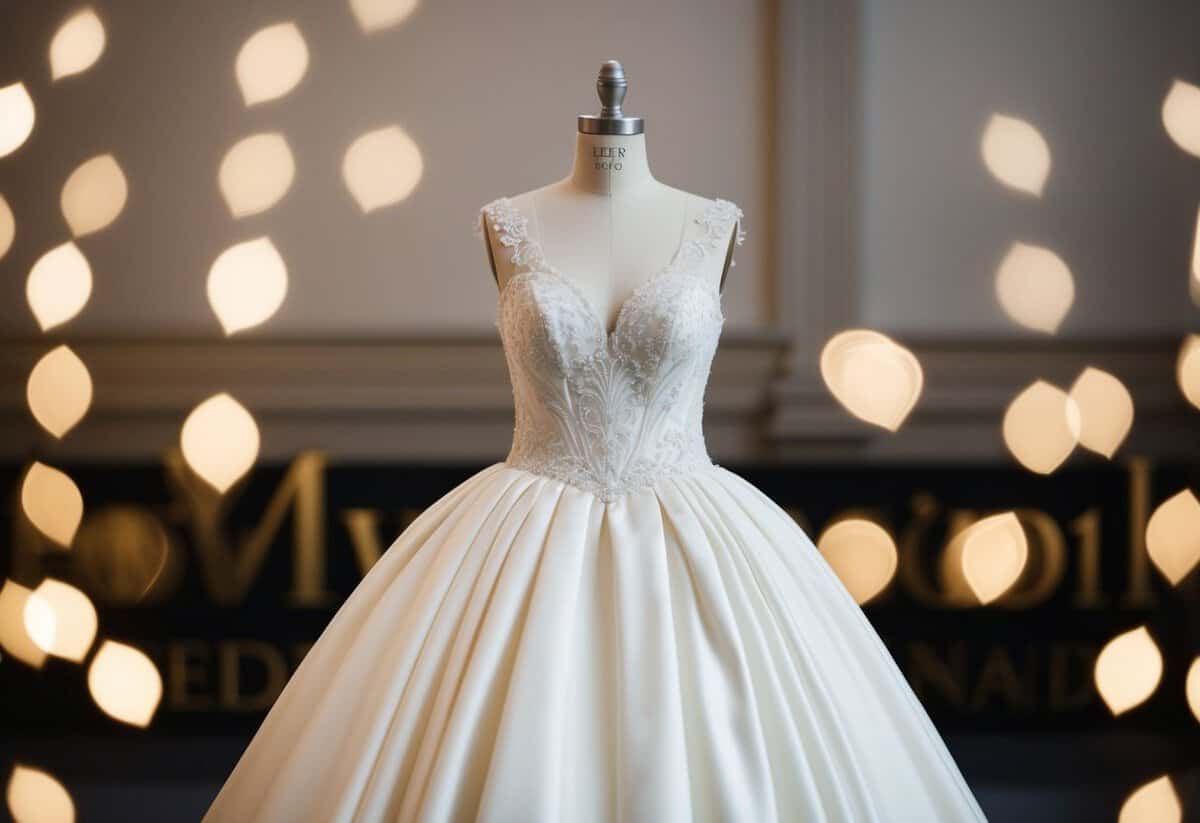
Many brides choose off-white shades like ivory or cream to symbolize elegance and sophistication while still nodding to the classic white gown. Queen Victoria popularized white wedding dresses in the 19th century, but modern brides have the freedom to explore a variety of colors that reflect their personality, including off-white variations.
By choosing off-white, you can create a stunning look that sets you apart from traditional expectations while still feeling connected to wedding traditions. Your special day is about celebrating you, so don’t hesitate to choose a color that resonates with your style!
Cultural Significance of White Attire in Weddings
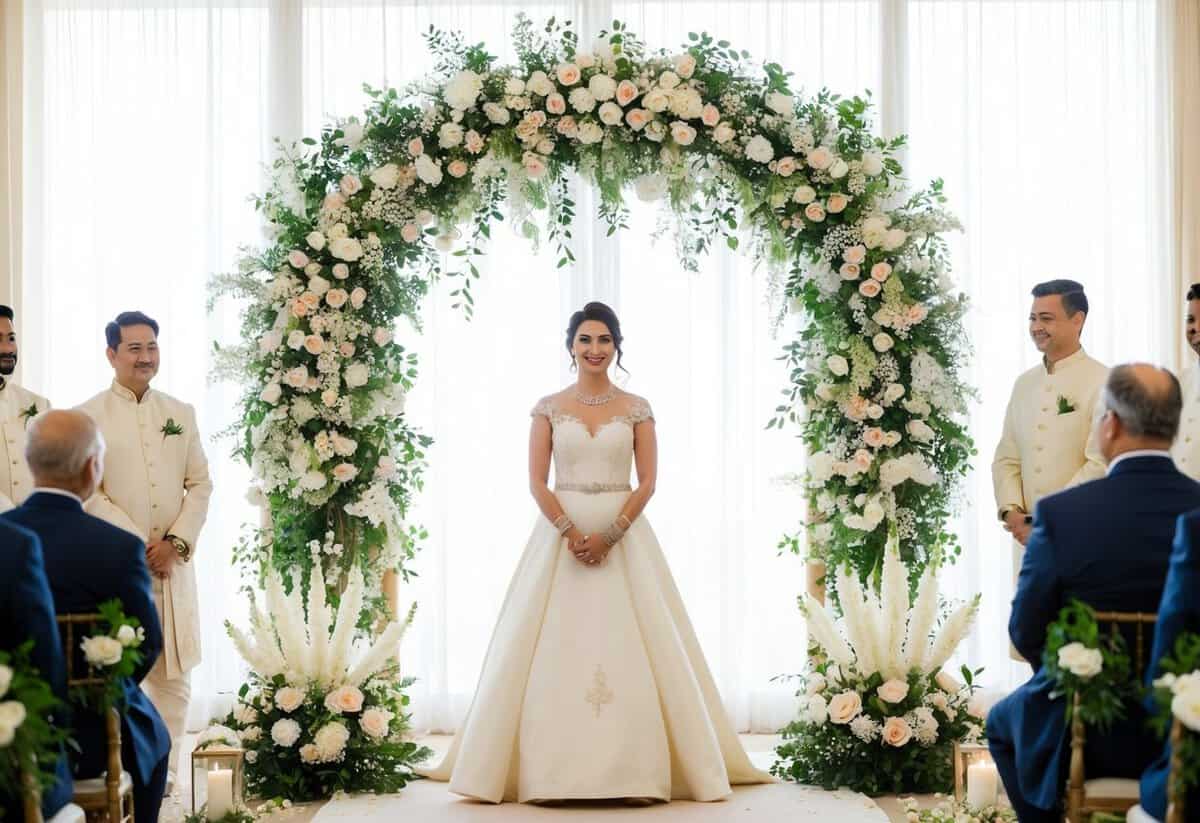
Wedding attire, especially the color white, carries rich meanings and traditions across cultures. The choice of a white dress symbolizes purity and virtue, but its interpretations can vary over time and between communities.
Historical Perspective on White Weddings
The tradition of brides wearing white began with Queen Victoria in 1840. She chose a white gown for her marriage to Prince Albert, which set a trend that impacted bridal fashion for generations. Before this, brides wore a variety of colors, reflecting personal style and cultural context.
In Victorian England, white became synonymous with the ideal of purity. This notion quickly spread, especially in Western cultures, making the white wedding dress a staple in wedding traditions. Notably, variations like ivory, cream, and champagne have emerged, offering brides different options while still holding onto that traditional elegance.
Modern Interpretations and Variations
Today, many brides choose to wear white or off-white shades like ivory or cream, making the tradition adaptable. This flexibility allows you to express your style while still honoring cultural values.
Bridal fashion now embraces diverse colors, reflecting individual preferences and cultural backgrounds. Some brides opt for gold or unique colors that symbolize personal beliefs or family heritage.
This change highlights that weddings are about love and personal choice, rather than solely adhering to traditions.
Choosing the Right Shade for Your Wedding Gown
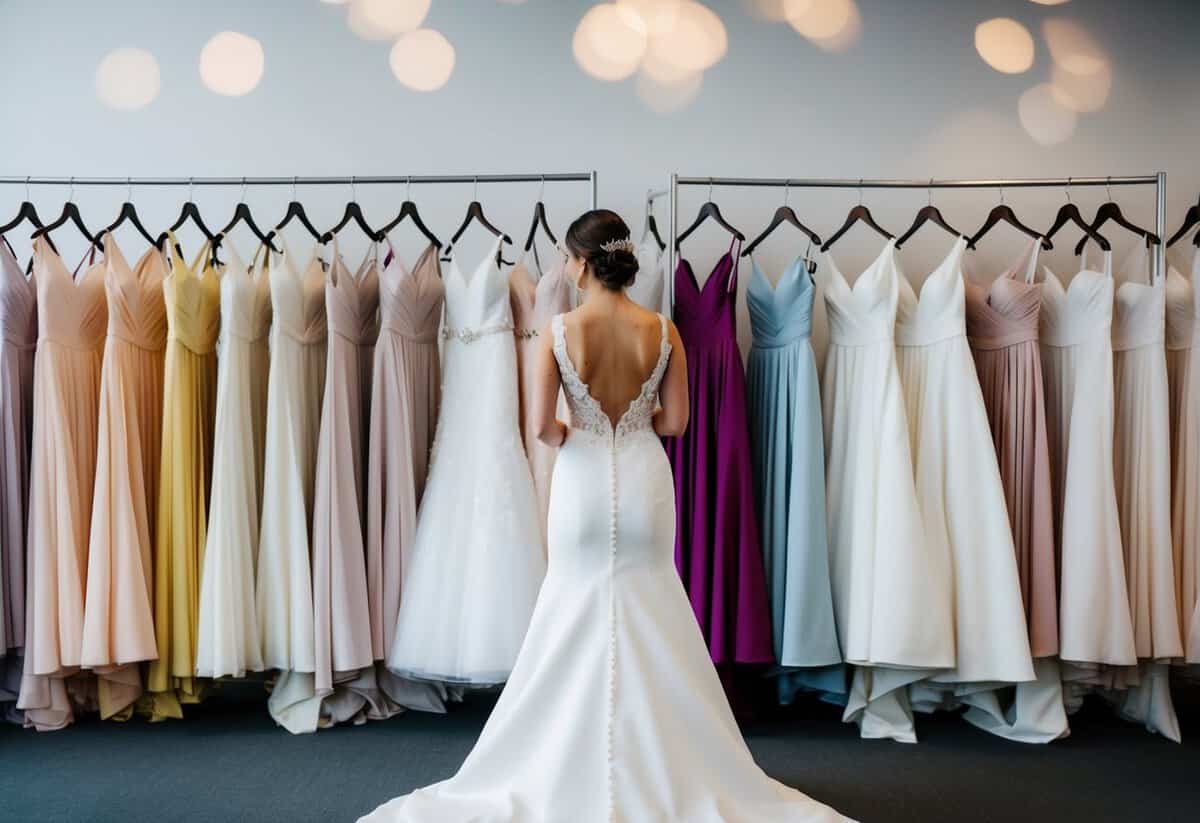
Picking the perfect shade for your wedding gown is crucial for your overall look. Your gown’s color can enhance your features and set the tone for your big day. Let’s explore some beautiful options that can complement your personal style.
From Ivory to Champagne: A Spectrum of White
When choosing a wedding dress, you’ll find a wide range of white shades. Ivory is a popular choice that offers warmth and suits many skin tones. It can appear creamy and soft, giving a delicate look. If you prefer something lighter, consider champagne. This shade has a subtle hint of gold, adding warmth and sophistication. Other options include cream, which leans towards pale yellow, and soft light blush, giving a fresh and romantic touch. Each shade offers its unique beauty, so think about what resonates with you.
Off-White: An Elegant Alternative
Off-white is a fantastic choice if you want something different from traditional white. This color leans towards grays and browns, creating a beautiful, understated elegance. An off-white dress can look stunning against various skin tones and gives a softer contrast compared to bright white. Many brides feel that off-white captures a more modern vibe, making it a great option for non-traditional weddings. Consider how this elegant color will work with your wedding theme and accessories, including your bouquet and even your bridal jewelry.
Bridal Consultations for Perfect Palette
Visiting a bridal consultant can be invaluable in your search for the right gown color. They have experience helping brides choose shades that complement their features and wedding themes.
During your consultation, discuss the colors you’re drawn to, like ivory, cream, or off-white. They can provide insights on how specific colors might change depending on the fabric and lighting. A wedding dress designer may also help you visualize how different shades will look on you. Bringing along inspiration photos can help guide these discussions to ensure you find your perfect wedding gown shade.
Wedding Guest Attire Dos and Don’ts
When attending a wedding, it’s important to choose your outfit carefully. There are specific guidelines you should follow to ensure you respect the couple and fit in with the celebration. Here’s a closer look at understanding dress codes and the colors to avoid.
Understanding Wedding Dress Codes
Wedding dress codes can vary widely, so it’s key to pay close attention to the invitation. Common dress codes include Casual, Semi-Formal, and Formal.
For a Casual wedding, think comfortable yet polished, like a sundress or smart casual pants for men.
Semi-Formal attire calls for nicer dresses or suits. A cocktail dress or dressy separates are good choices. For Formal occasions, go for floor-length gowns or tuxedos.
Additionally, always consider the season and venue. Outdoor summer weddings may call for lighter fabrics and colors, while winter or evening events often lean towards richer, darker hues.
Colors Not to Wear to a Wedding
One of the biggest fashion faux pas at a wedding is wearing white. This color is traditionally reserved for the bride, and wearing it might be seen as disrespectful. Stick to other beautiful options that suit the event.
Avoid neon colors or overly bright shades as these can draw attention away from the couple. Instead, neutrals or soft pastels are great alternatives. Colors like light pink, lavender, or mint green work well without clashing.
Stay clear of all-white attire or white floral prints, as they can be too close to bridal wear. Checking the couple’s wedding theme can also help you choose a color palette that fits well with the celebration.
Pre-Wedding Events and Dress Selection
Choosing the right outfit for pre-wedding events can be exciting yet challenging. It’s important to balance personal style with event etiquette. Below are specific guidelines for two key occasions: the rehearsal dinner and the bachelorette party or bridal shower.
Rehearsal Dinner Ensemble Choices
For the rehearsal dinner, you can opt for a stylish yet comfortable outfit. This event often sets the tone for the wedding weekend.
Consider a dress that complements the wedding color scheme. You might choose something with white floral prints or go for a chic colored dress.
If your wedding has an all-white theme, avoid wearing white to the rehearsal dinner unless the bride agrees. The right dress can reflect your personality and blend well with the formality of the dinner. Paired with stylish shoes and accessories, your outfit can stand out while respecting the occasion.
Bachelorette and Bridal Shower Etiquette
At your bachelorette party, you can have more fun with your outfit choices. This is your time to express your personality, whether with a vibrant dress or trendy bridal styling. A playful ensemble will help celebrate your upcoming marriage with friends.
For the bridal shower, consider slightly less casual options than the bachelorette party. A lovely dress that suits spring or summer weddings is ideal.
Think about elegant details that show your style without overshadowing the bride. Consult resources like the Emily Post Institute for manners and suggestions on what to wear, ensuring a balance of fun and appropriateness at these events.