
Can a Celebrant Be Religious? Understanding the Role of Celebrants in Various Ceremonies
When planning a special ceremony, you might wonder about the role of a celebrant, especially concerning their religious beliefs. Yes, celebrants can indeed be religious. Depending on your preferences, you can choose a celebrant who aligns with your faith or one who can incorporate spiritual elements into a service without adhering to a specific religion.
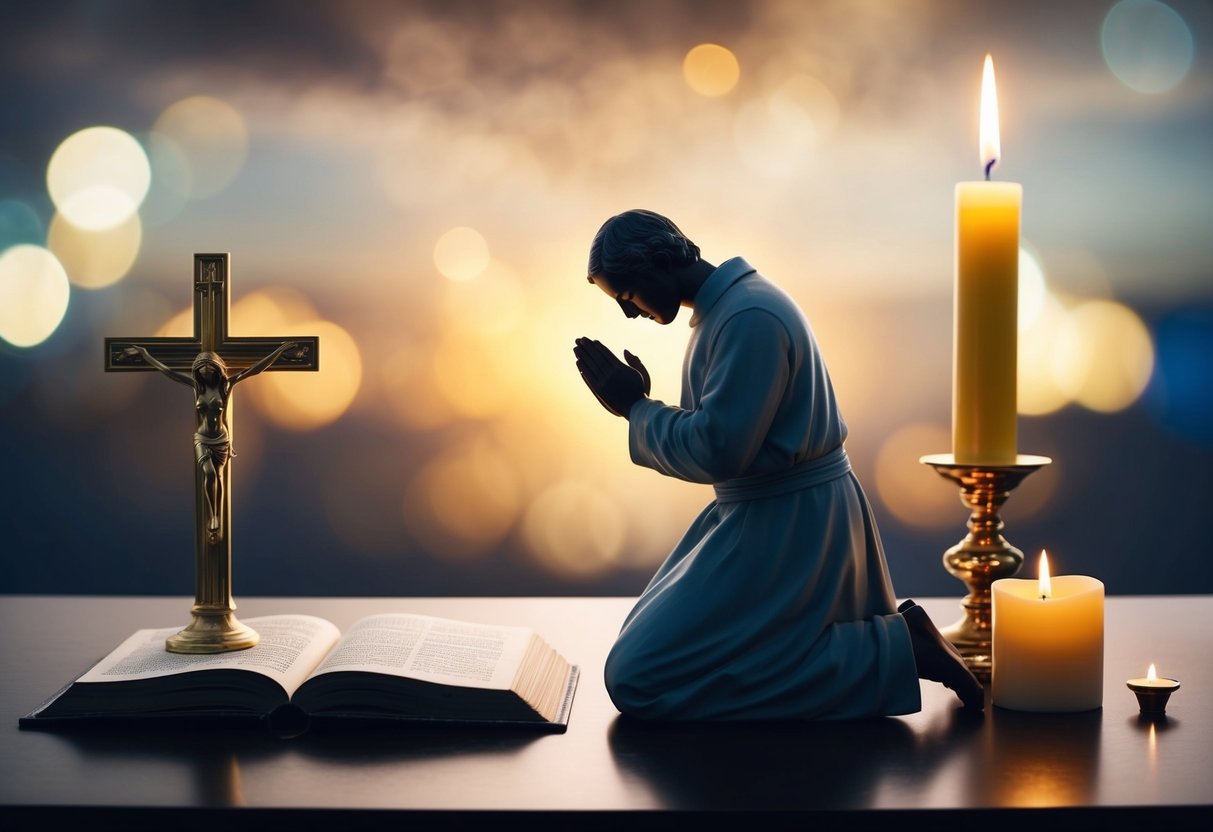
Civil celebrants often provide a more personalized and flexible approach to ceremonies. They can assist you in crafting a meaningful event that respects your wishes, regardless of the religious aspects you want to include.
Whether you desire a traditional religious ceremony or a modern, non-religious celebration, a skilled celebrant can help make your vision come to life.
Understanding the different types of celebrants available is key to your planning. Religious celebrants can share prayers and blessings, while civil celebrants can blend cultural elements into your ceremony. This variety allows you to create a memorable and heartfelt experience tailored to your needs.
Understanding the Role of a Celebrant
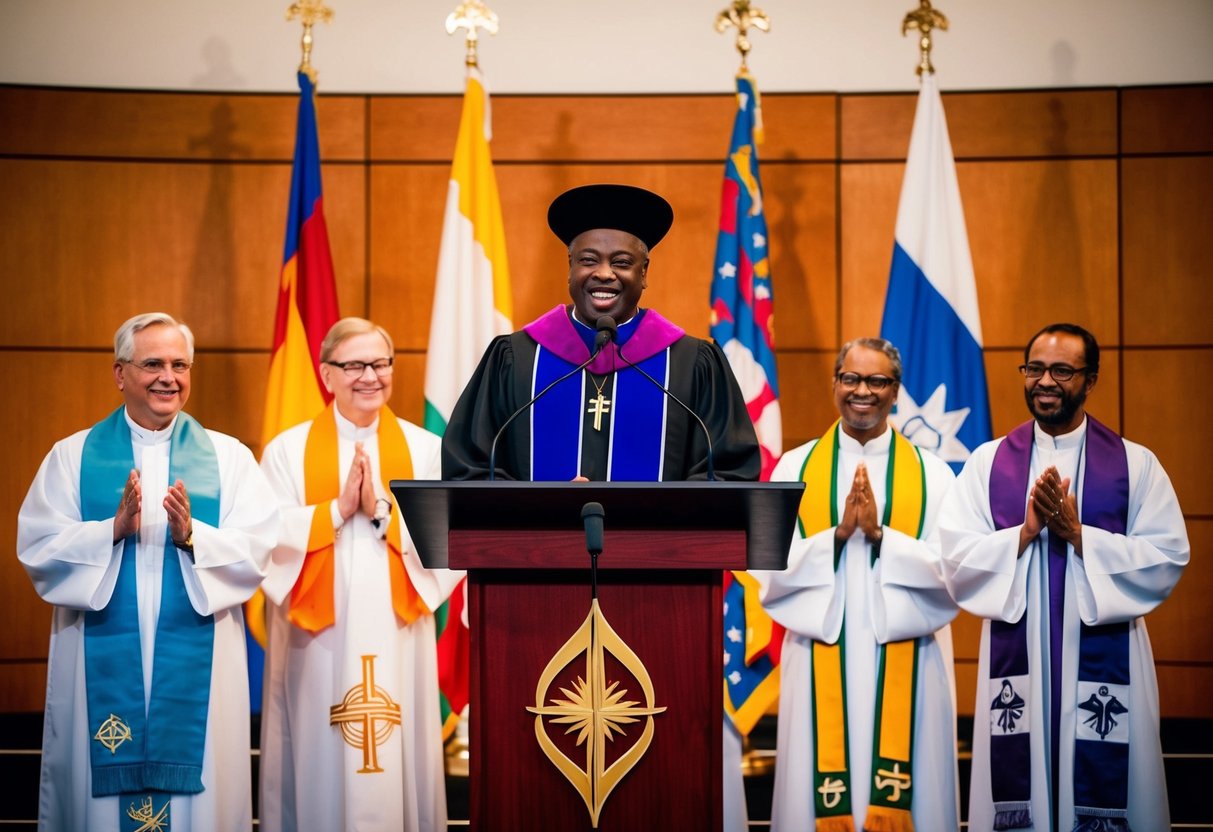
Celebrants play an important role in marking significant life events. They help create personalized ceremonies that reflect the beliefs and values of the individuals involved. This section explores the types of celebrants you may encounter and how the role has evolved over time.
Types of Celebrants
There are several types of celebrants, each serving different purposes. A wedding celebrant focuses on crafting personalized marriage ceremonies, often incorporating unique vows and rituals.
Funeral celebrants specialize in memorial services, ensuring the ceremony honors the deceased’s life and values. They work closely with families to create meaningful tributes.
Civil celebrants conduct events without religious elements, making them suitable for various occasions.
Non-religious celebrants and humanist celebrants focus on secular services, emphasizing personal beliefs rather than religious traditions.
Independent celebrants have the freedom to customize ceremonies based on individual needs, while those affiliated with the Fellowship of Professional Celebrants adhere to specific professional standards.
The Evolution of Celebrancy
The role of celebrants has changed significantly over the years. Traditionally, officiants were often limited to religious figures. However, many people now seek independent celebrants who can cater to diverse needs and backgrounds.
Celebrants have gained recognition for their ability to offer creative, personalized experiences. As society’s views on religion and spirituality evolve, celebrants accommodate a variety of beliefs, whether secular or faith-based.
This growth has led to training programs and certifications designed to enhance celebrants’ skills in ceremony creation and public speaking. This evolution reflects a broader understanding of personal values, allowing you to have a ceremony that truly resonates.
The Intersection of Celebrancy and Religion
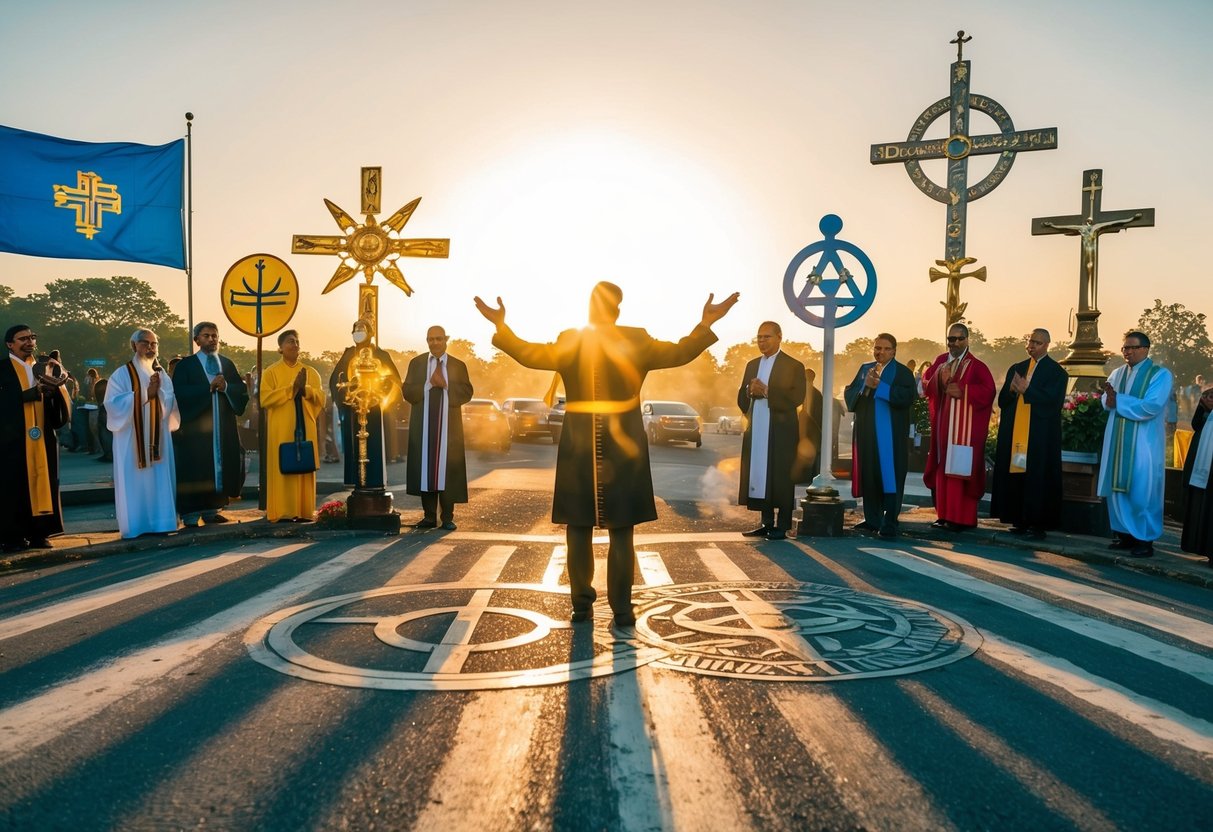
Celebrancy can take many forms, and it often overlaps with religious practices. This section explores how celebrants can incorporate religious elements into ceremonies while also addressing the differences between religious and civil celebrants.
Religious Versus Civil Celebrants
Religious celebrants, often affiliated with specific faiths, lead ceremonies that align closely with their religious teachings. This can include weddings, funerals, and memorial services that are rich in spiritual content, such as prayers and hymns.
Civil celebrants, on the other hand, provide a more secular service. They focus on personalizing ceremonies without a strict religious framework. While they can include some spiritual aspects, their approach is usually more flexible. Both types of celebrants can create meaningful experiences, depending on your needs.
Incorporating Religious Elements
If you wish to include religious content in your ceremony, many celebrants can accommodate this. This can involve integrating elements like a Bible reading, a prayer, or the singing of a hymn.
Celebrants may work with you to determine how much religion you want in your event. You could choose specific rituals that have personal significance, blending them with other non-religious elements. This balance can foster a warm environment while respecting your beliefs.
Celebrants with a Religious Affiliation
Some celebrants have a religious affiliation but still offer flexible services. They understand different belief systems and can welcome various traditions. For instance, you might find celebrants who are also clergy, allowing them to perform religious rites and ceremonies.
These celebrants can tailor services to fit your preferences. They can navigate the complexities of faith-based requirements while ensuring your ceremony feels personal and significant. This can be especially valuable during pivotal moments like weddings or funerals.
Legal and Ceremonial Aspects of Celebrancy
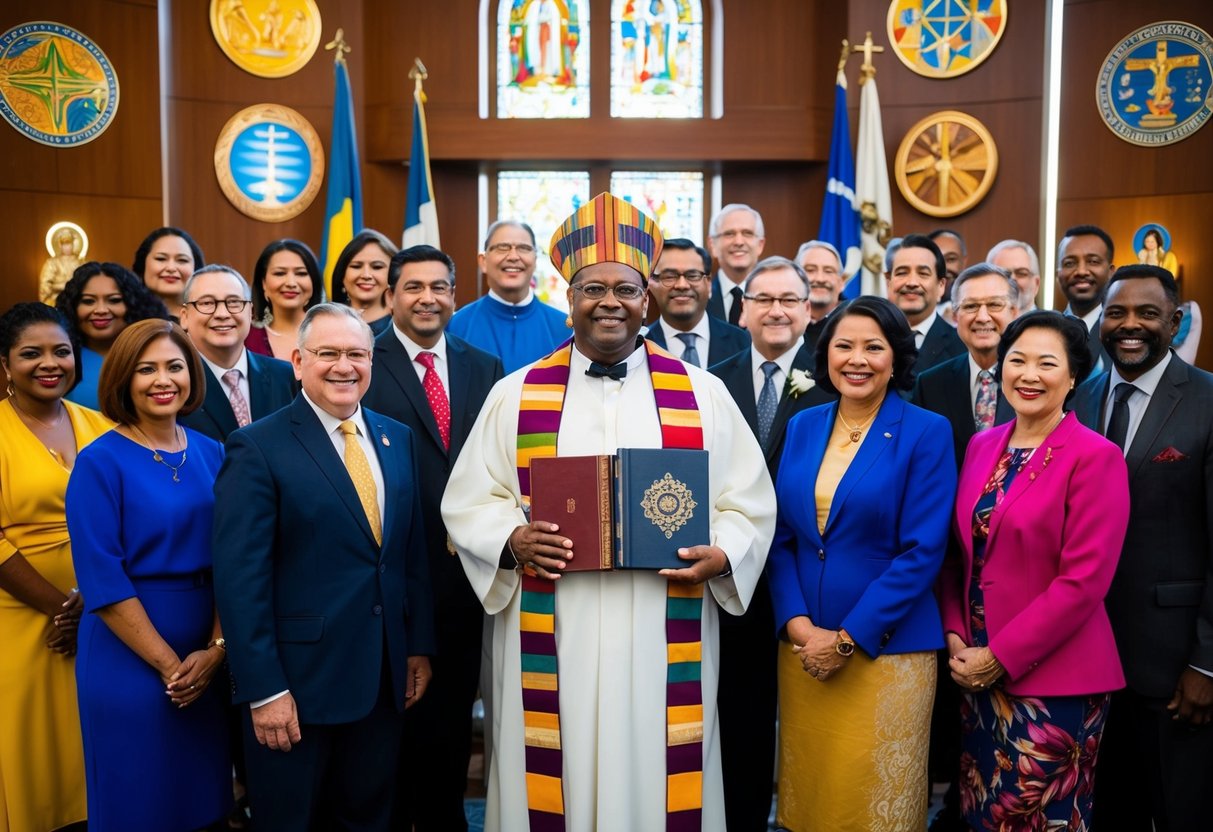
When thinking about celebrants, it’s important to understand both the legal and ceremonial sides. Celebrants can bring meaning to your special day while also making sure you comply with legal requirements.
Compliance with Legal Requirements
Before engaging a celebrant, check the local marriage laws. Some places require a registrar or an authorized officiant to conduct civil ceremonies. This may include filing paperwork or securing a marriage license.
In many areas, marriage celebrants can legally solemnize marriages. They must follow specific legal steps to ensure that ceremonies are recognized. For example, couples often need to inform their local registry office of their intent to marry.
If you’re considering vow renewal, the process may be different but still important. Make sure your celebrant understands the legal requirements for such ceremonies to ensure everything runs smoothly.
Creating Meaningful Ceremonies
A celebrant plays a key role in crafting personal and meaningful ceremonies. They take the time to learn about you, your love story, and what makes your relationship special.
With a celebrant, you can customize your ceremony. This can include special readings, rituals, or personal vows. You have the freedom to mix traditional elements with modern touches.
Whether you prefer a religious or secular approach, a celebrant can adapt to your needs. This flexibility allows you to create a unique event that truly reflects your values. By working closely with you, your celebrant ensures that the ceremony is not only legal but also heartfelt and memorable.
Personalizing Special Occasions
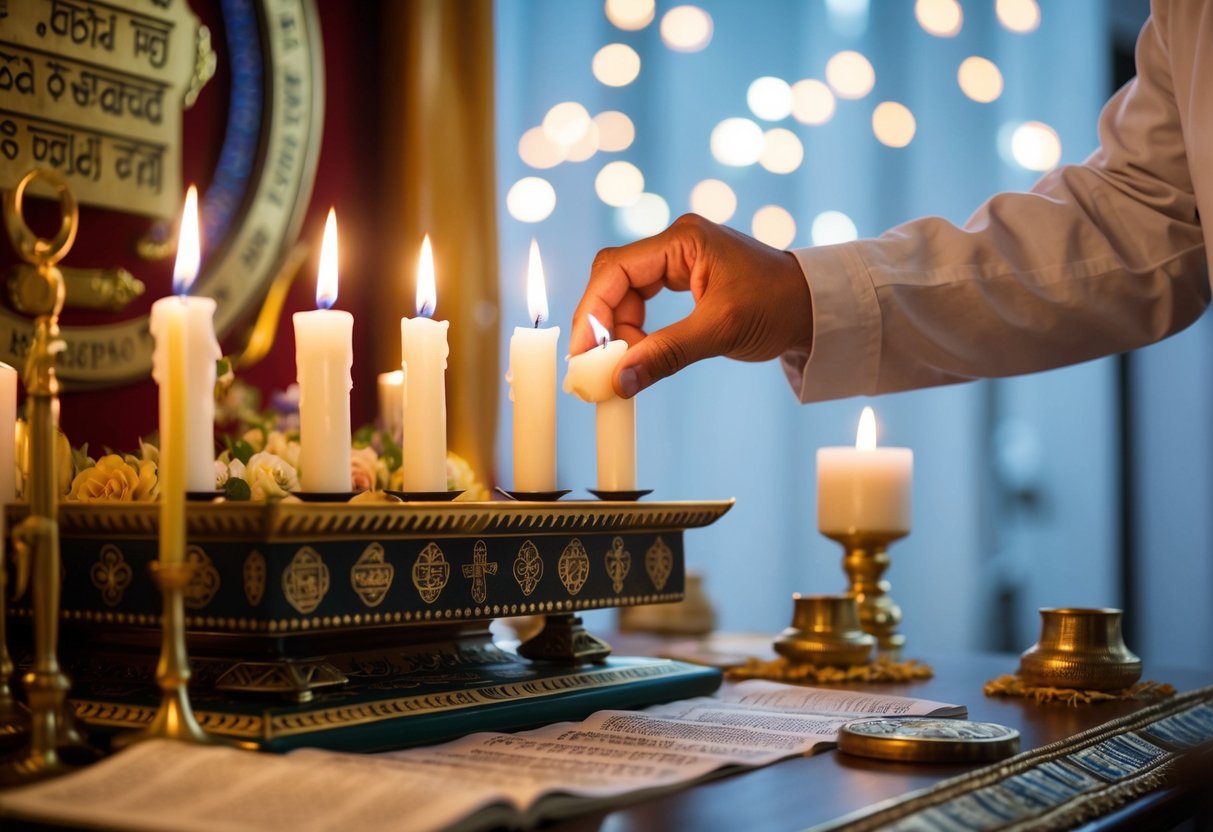
Creating meaningful ceremonies allows you to express your unique love story or the heartfelt moments of a goodbye. Personalization ensures that each event feels special and reflects your wishes and values.
Tailoring Services to Client Needs
Every ceremony is a reflection of you. A celebrant works closely with you to understand your vision. Whether it’s your wedding, a personalized funeral, or a celebration of life, the details matter.
Your celebrant can blend cultural elements, personal stories, and even your own words into the ceremony.
You can choose specific readings or poems that resonate with your journey. For weddings, you might select vows that truly express your feelings. For funerals, a touching eulogy can honor the departed with love and respect. The key is to make each moment feel authentic and personal to you.
Memorable Elements in Ceremonies
Memorable ceremonies include elements that touch the heart. Activities like sharing blessings or personal anecdotes can enrich your occasion.
Consider incorporating rituals that hold significance for you. For example, you can have a unity candle during your wedding or a special song during a farewell.
Creating a visual display of photos or mementos can draw everyone into your unique story. You can also invite guests to share their own memories or thoughts during the event.
These elements enhance the experience, making it unforgettable for everyone involved.