
Can a Celebrant Legally Marry You? Understanding Your Options for a Personal Ceremony
When planning your special day, you might wonder about the role of a celebrant. In many places, a celebrant can indeed legally marry you if they meet the necessary requirements set by local laws. This option can offer a personalized touch to your wedding, making the ceremony uniquely yours.
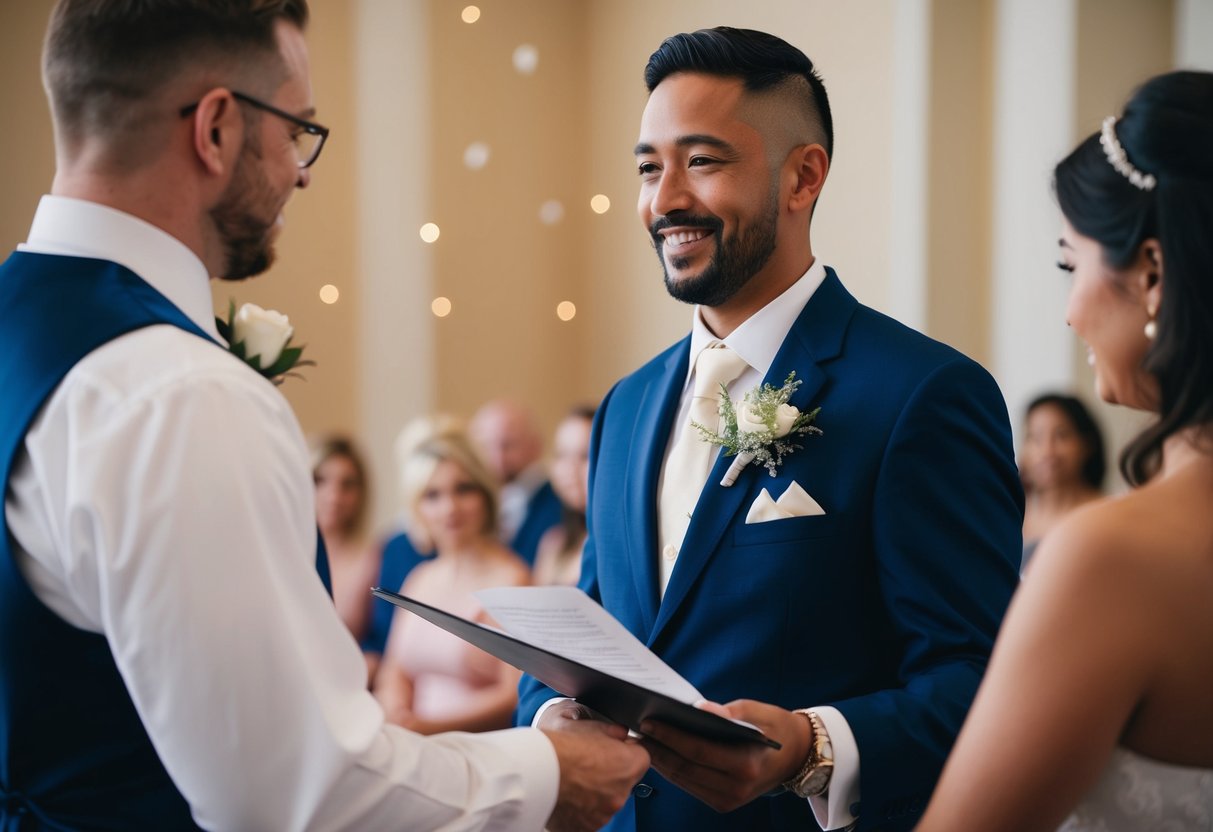
Celebrants are often chosen for their ability to craft meaningful ceremonies that reflect your beliefs and values. On your wedding day, they can make the experience special and tailored to you. However, it’s important to verify that your celebrant is properly authorized to conduct legal marriages in your area.
Understanding the legalities around marriage can help you avoid any surprises. Make sure to ask your celebrant about their qualifications and confirm what is needed to ensure your wedding day is both memorable and official.
Understanding Marriage Celebrants

Marriage celebrants are professionals who help create special wedding ceremonies. They play a vital role in making your big day meaningful. Whether you want a civil ceremony or something more unique, knowing about celebrants can help you choose the right person for your needs.
What Is a Marriage Celebrant?
A marriage celebrant is a person authorized to conduct weddings. They can be found in many places, including civil ceremonies and personal celebrations. Celebrants often complete special training and register with the government to ensure they meet legal requirements.
This means they understand both the emotional and legal aspects of marriage. Wedding celebrants can help personalize your ceremony, making it as unique as you are. Whether it’s a simple gathering or an elaborate event, they know how to tailor the experience to fit your vision.
The Role of a Celebrant in Legal Weddings
In legal weddings, the role of a celebrant is essential. They ensure that the ceremony meets all legal requirements. This includes preparing and submitting necessary documents after the wedding.
Celebrants also act as officiants during the ceremony. They guide you through the vows and any rituals you choose to include. Their presence adds a personal touch, making the event both memorable and legally binding.
It’s important to ask your celebrant about their experience and qualifications. Knowing their background can help you feel more comfortable on your wedding day.
Varieties of Celebrants
There are different types of celebrants, each with unique approaches. You can choose from religious officiants, civil celebrants, and more.
-
Religious Officiants: These celebrants often belong to a specific faith. They can incorporate spiritual elements into the ceremony.
-
Civil Celebrants: These officiants focus on non-religious ceremonies. They often emphasize personal vows and stories, making your ceremony feel special to you.
-
Professional Officiants: Many professional officiants offer tailored services. They work with you to create a ceremony that reflects your style and values.
Understanding these options helps you pick a celebrant who can best meet your needs on your wedding day.
The Legalities of Getting Married

Getting married involves several important legal aspects. You need to understand what makes a marriage legally binding, the necessary legal paperwork, and how to obtain a marriage license.
What Makes a Marriage Legally Binding?
For a marriage to be legally binding, it must meet specific requirements. First, both partners must have the legal capacity to marry. This means you must be of legal age, often 18, and mentally competent.
Secondly, your marriage must involve mutual consent. Both partners need to agree to the union without any force or fraud.
Finally, the marriage ceremony must be conducted by a recognized officiant. This could be a judge, priest, or a licensed celebrant. They need to comply with local laws to ensure your marriage is valid.
Legal Paperwork and Requirements
Before getting married, you will need to complete some essential legal paperwork. This often includes a marriage license application that both partners must fill out.
Additionally, you might need to provide documents such as proof of identity, like a driver’s license or passport. Some jurisdictions may also require a birth certificate or proof of residency.
Don’t forget that different states may have unique legal requirements. Check with your local government authorities to ensure you have everything you need. Missing paperwork could delay your marriage plans.
Obtaining a Marriage License
To start the marriage process, you will need to obtain a marriage license, which is key to legally formalizing your union. This license is usually issued by a county clerk or relevant government office.
To get the license, you may need to pay a fee and submit the required paperwork. Some places even require a waiting period between receiving the license and the wedding date.
Make sure to know the expiration date of your license. It typically lasts for a few months. If you don’t get married within that time frame, you will have to apply for a new one.
Planning Your Wedding Ceremony
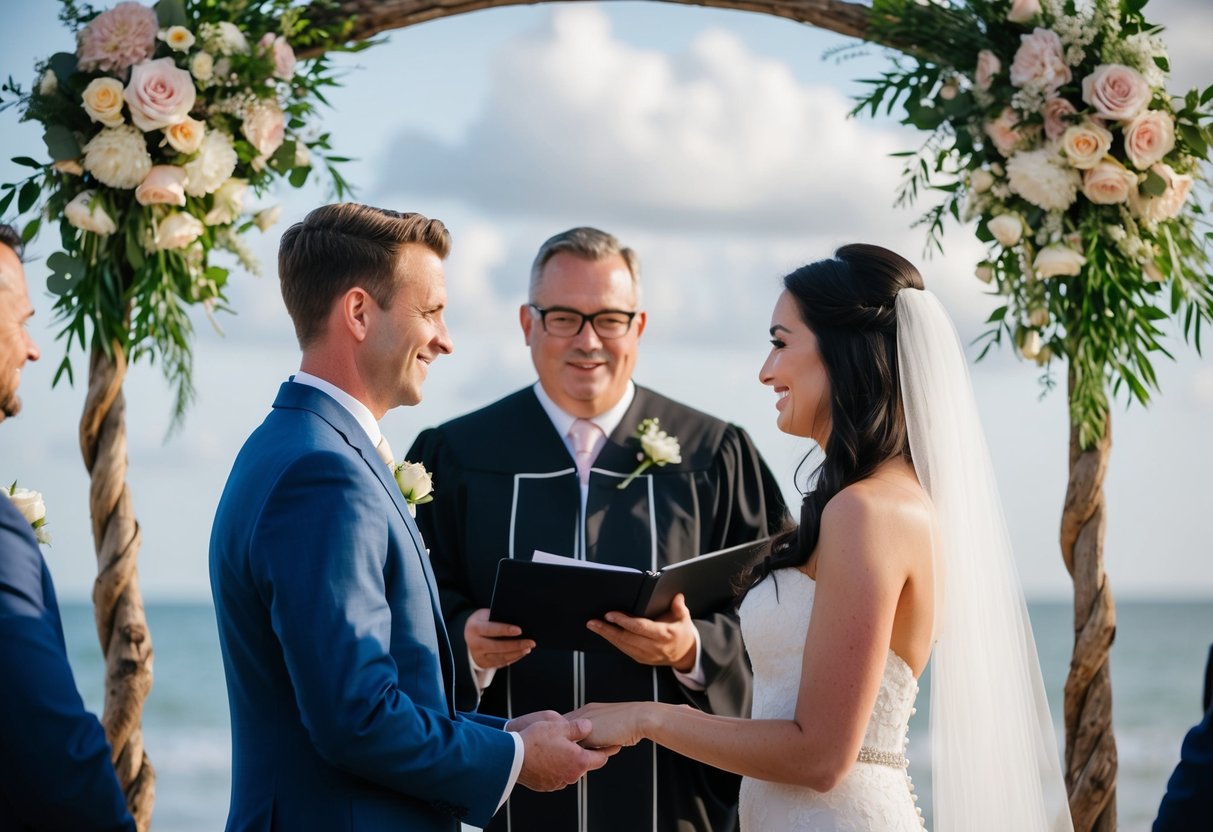
Planning your wedding ceremony involves key decisions about your officiant, how to personalize the event, and incorporating meaningful traditions. Each element plays a significant role in making your special day memorable.
Choosing Your Wedding Officiant
Selecting the right wedding officiant is essential for your ceremony. You can choose from various options: a friend, a civil celebrant, or a religious leader. Make sure your officiant is legally allowed to perform the marriage in your state. Check if they are ordained or licensed.
Meet with potential officiants to discuss your vision. Ask about their experience with personalized ceremonies. A good officiant will help you feel comfortable and guide you through the process. Read reviews to ensure they have positive feedback.
Personalizing Your Ceremony
Your wedding ceremony should reflect your love story. Personalization can make your event unique and memorable. Consider including personal vows that express your feelings and commitments. Sharing these vows can create a deeper emotional connection during the ceremony.
You can also personalize the ceremony with special rituals, such as the unity candle or a sand ceremony. These symbolize your joining together as a couple. Think about including family or friends in meaningful ways, like readings or music selections that are significant to both of you.
Incorporating Traditions and Personal Vows
Including traditions in your ceremony can add depth and significance. Talk with your partner about family customs or cultural practices you want to honor. For example, incorporating the exchanging of rings is a common tradition that symbolizes your commitment to each other.
Personal vows are another way to make your ceremony special. These can be handwritten and shared during the ceremony, expressing your love and promises. This personal touch often resonates deeply with your guests, making your wedding even more special.
After the Wedding
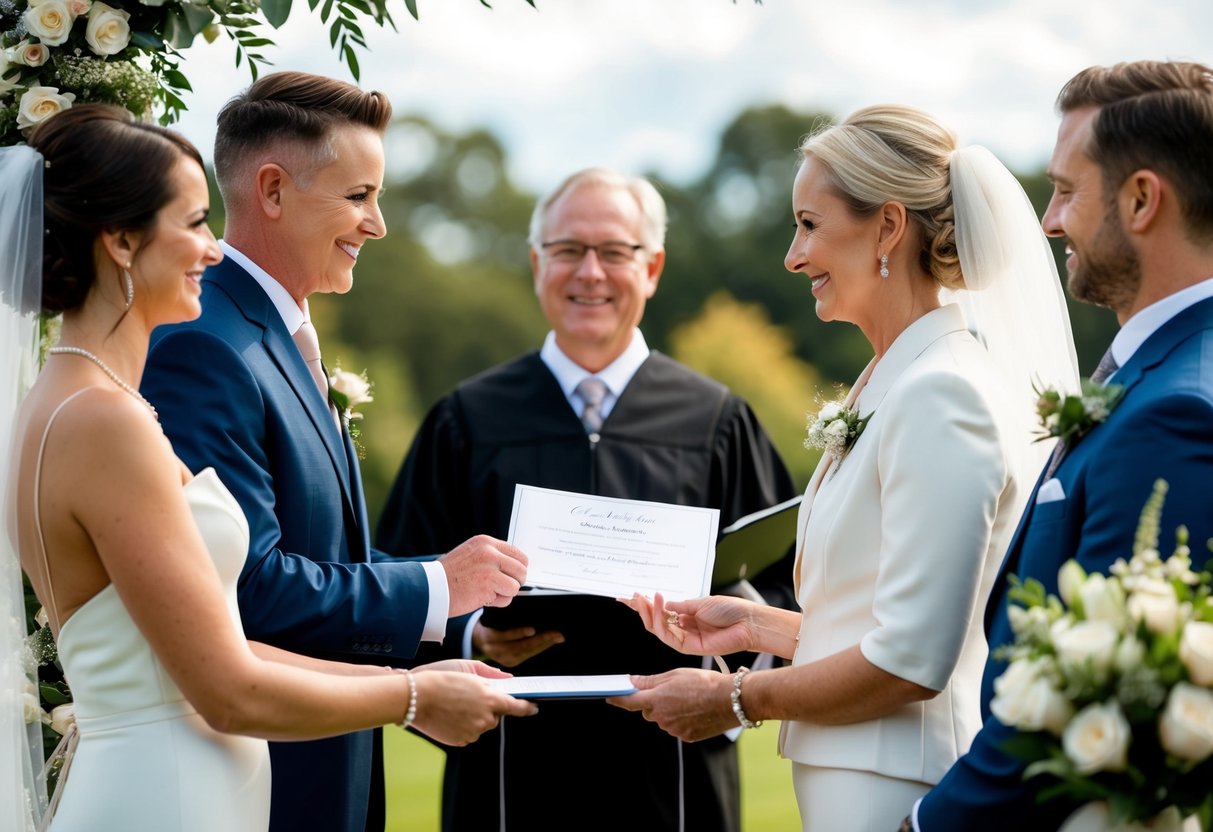
Once you’re married, there are important steps to ensure your union is recognized legally. This includes registering your marriage and obtaining a marriage certificate. Celebrating your new legal status is also a big part of this exciting time.
Registering Your Marriage
After your celebrant-led ceremony, you typically need to register your marriage with your local registry office. This process may vary based on where you live. In many places, the celebrant will help you with this step.
You’ll need to provide certain documents, such as proof of identity and residency. Make sure to do this soon after your wedding to avoid any legal complications. Your marriage officially becomes recognized once registered, giving you the rights and benefits that come with it.
Certificates and Legal Recognition
After registering your marriage, you should receive your marriage certificate. This document is vital as it serves as legal proof of your marriage. You may need it for various reasons, like updating your name or applying for joint benefits.
In some areas, you can request multiple copies of your certificate for a small fee. This can be helpful if you need to present it in different places. Remember, without this certificate, your legal marriage status might not be recognized.
Celebrating Your Legal Union
Now that your marriage is official, it’s time to celebrate! You can plan a gathering with family and friends or enjoy a quiet moment as a couple.
Sharing your joy with loved ones can make it even more special.
Consider hosting a party or a casual get-together to mark this new chapter. Whether you choose a big celebration or a simple outing, it’s about recognizing your commitment.
Keep the spirit of your ceremony alive as you embrace your future together.