
Can a Celebrant Legally Marry You? Understanding Your Options for a Personal Ceremony
When planning your wedding, you might be wondering about who can legally officiate your marriage. Can a celebrant legally marry you? The answer depends on local laws and whether the celebrant is properly licensed. Celebrants can offer a personal touch to your marriage ceremony, making it special and unique.
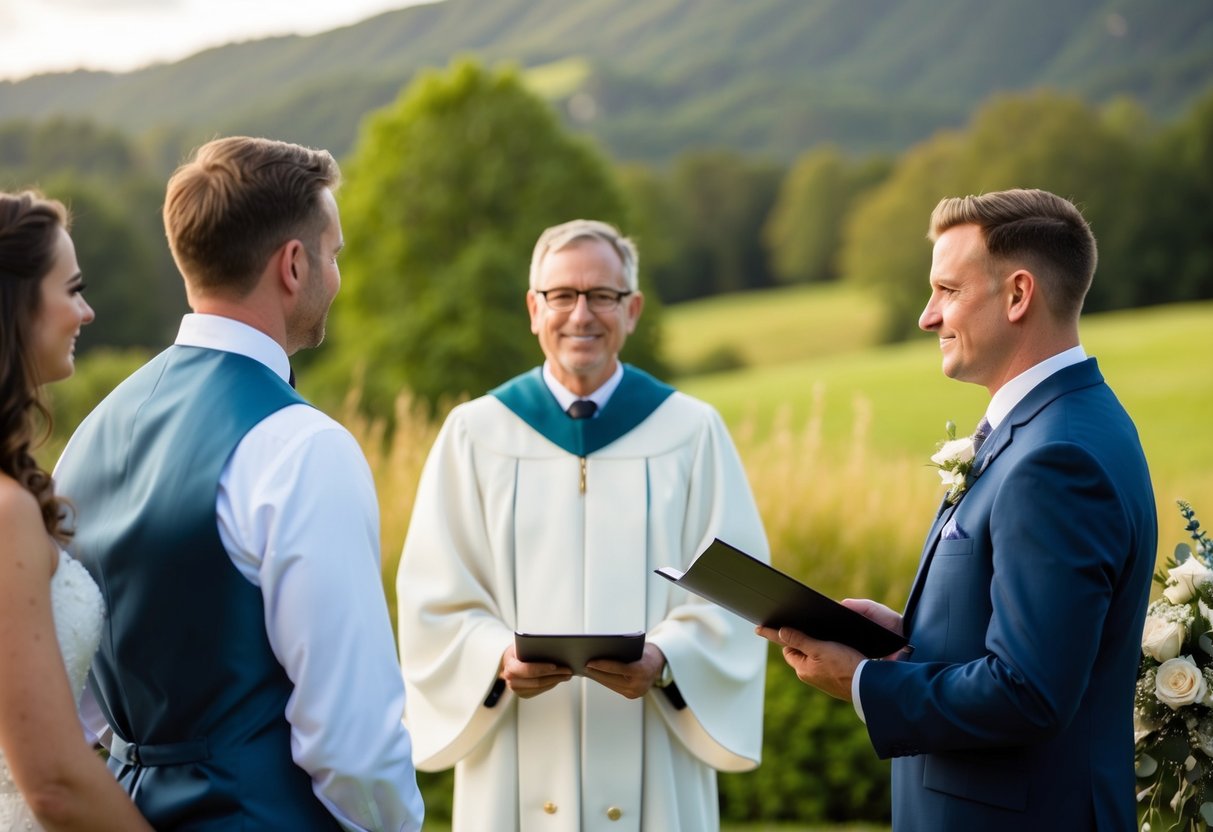
Many couples choose celebrants for their ceremonies because they bring warmth and creativity to the event. However, not all celebrants have the legal authority to perform a binding marriage. It’s essential to do your research and ensure that your chosen celebrant meets the legal requirements in your area. This way, you can enjoy a meaningful ceremony without worrying about the legalities after the fact.
Understanding the legal aspects of using a celebrant can help you navigate your wedding plans more smoothly. As you explore your options, remember that the joy of your special day can be enhanced by choosing someone who aligns with your vision and meets the necessary legal criteria.
Understanding the Role of Celebrants
Celebrants play an important role in conducting wedding ceremonies. They can be a personal and meaningful choice for couples. Different types of celebrants have varying responsibilities and legal authority.
Different Types of Celebrants
There are several types of celebrants, including wedding celebrants, civil officiants, and religious officiants.
-
Wedding Celebrants: These are professionals who specialize in creating personalized ceremonies. They focus on making your day unique.
-
Civil Officiants: Often work for local governments. They are trained to handle legal aspects and ensure everything meets local regulations.
-
Religious Officiants: These celebrants perform ceremonies based on spiritual beliefs. They usually work within specific faiths.
Each type has its own approach to ceremonies. They can help you design a moment that reflects your personality and values.
Legal Authority of Celebrants
Not all celebrants have the legal authority to solemnize marriages.
-
Marriage Celebrants: In many places, they are registered and recognized by the government. This allows them to legally marry couples.
-
Civil Officiants: They are often part of the court system and can perform marriages without any special licensing.
-
Notary Public and Judges: These individuals can also officiate weddings, but they do so under different legal circumstances.
To ensure your chosen celebrant has the proper authority, it’s important to check their credentials. This way, you can enjoy your day knowing you’re legally married.
Legal Requirements for a Valid Marriage
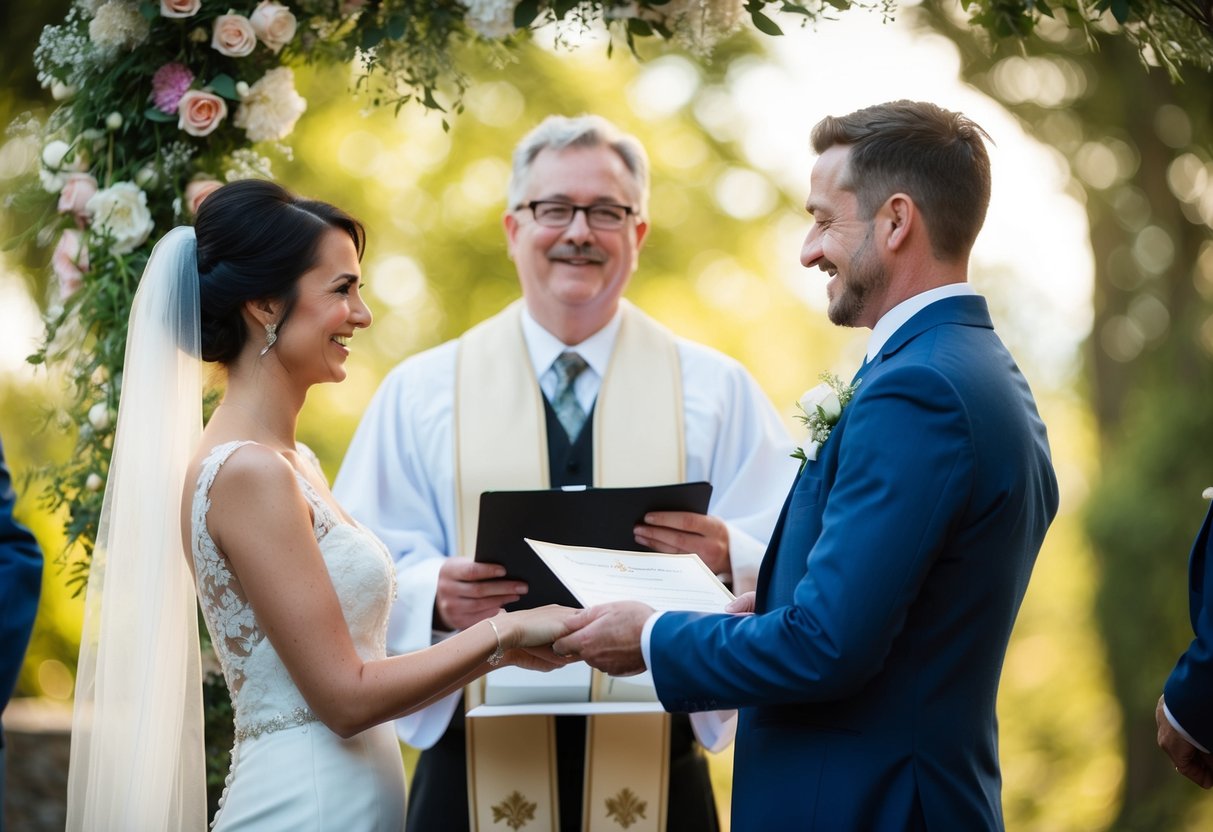
When planning your wedding, understanding the legal requirements for a valid marriage is key. This includes knowing about marriage licenses, the type of ceremony you choose, and how you can personalize your special day.
Marriage License and Certificate
Before you can become legally married, you need to obtain a marriage license. This license is a legal document issued by government authorities that allows you to solemnize your marriage.
Each state has specific laws regarding how to apply for this license. Typically, you will need to provide identification and maybe even proof of residency.
Once the ceremony takes place, the officiant must sign the marriage license. This turns your license into a marriage certificate, which is the official record of your marriage. Without this certificate, your marriage may not be legally recognized.
Civil and Religious Ceremonies
You can choose between a civil or religious ceremony to formalize your marriage. A civil ceremony is conducted by a government official, such as a judge or a licensed celebrant. This option focuses on the legal aspects without religious elements.
In contrast, a religious ceremony may involve a clergy member and include spiritual traditions. Regardless of the type of ceremony you choose, both must adhere to state marriage laws to be recognized legally.
Make sure that your officiant is authorized to perform marriages in your state. This ensures that everything is in compliance with legal requirements.
Personalizing Your Ceremony
Personalizing your ceremony is a wonderful way to make your wedding special. You can include personal vows, readings, or unity rituals like a unity candle.
These elements can reflect your relationship and values, making your day unique. While personal touches are important, remember that you still need to follow legal procedures.
You must ensure that your officiant is aware of your wishes and complies with legal requirements during the ceremony. This way, you can enjoy a beautiful and meaningful moment while also having a valid marriage.
Planning Your Wedding Ceremony
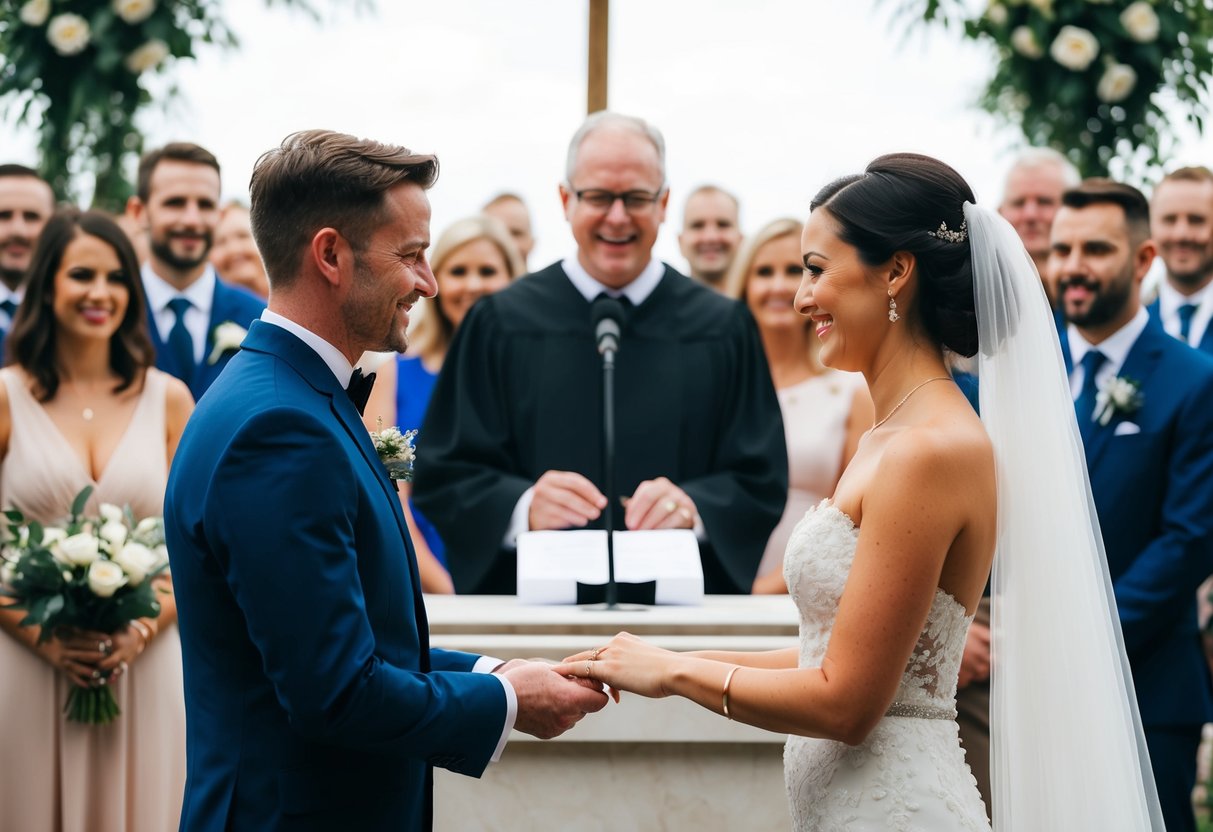
Planning your wedding ceremony is an exciting time to express your love. You’ll need to think about your officiant and how to make your ceremony unique and special.
Choosing Your Officiant
When selecting an officiant, you have several options. You can choose a celebrant, an ordained minister, or a religious leader. Each type has different approaches. A celebrant can lead a secular ceremony, while a church wedding might require a religious leader’s presence.
Make sure your choice aligns with your vision. If you’re looking for a personal touch, a celebrant-led ceremony can focus on your love story. Ensure your officiant is legally qualified to perform the marriage in your area. This is vital for your wedding day to be recognized as valid!
Creating a Unique Love Story
Your love story is what makes your wedding ceremony special. Think about how you want to showcase it during the event.
Including personal touches, like a unity candle or special readings, can reflect your shared journey.
Talk with your officiant about ways to weave your story into the ceremony. You might want to share significant moments from your relationship or include favorite quotes.
This connection makes the ceremony more intimate and memorable.
Don’t hesitate to think outside the box for your celebrant wedding. Your day should be a true reflection of you as a couple!