
Can a Celebrant Marry You in a Church? Exploring Your Options for a Unique Ceremony
Planning your wedding and wondering if a celebrant can conduct your ceremony in a church? The answer is yes, but it depends on the church’s policies and the celebrant’s qualifications. Many churches welcome celebrants for non-traditional or personalized ceremonies, making it a unique option for couples.
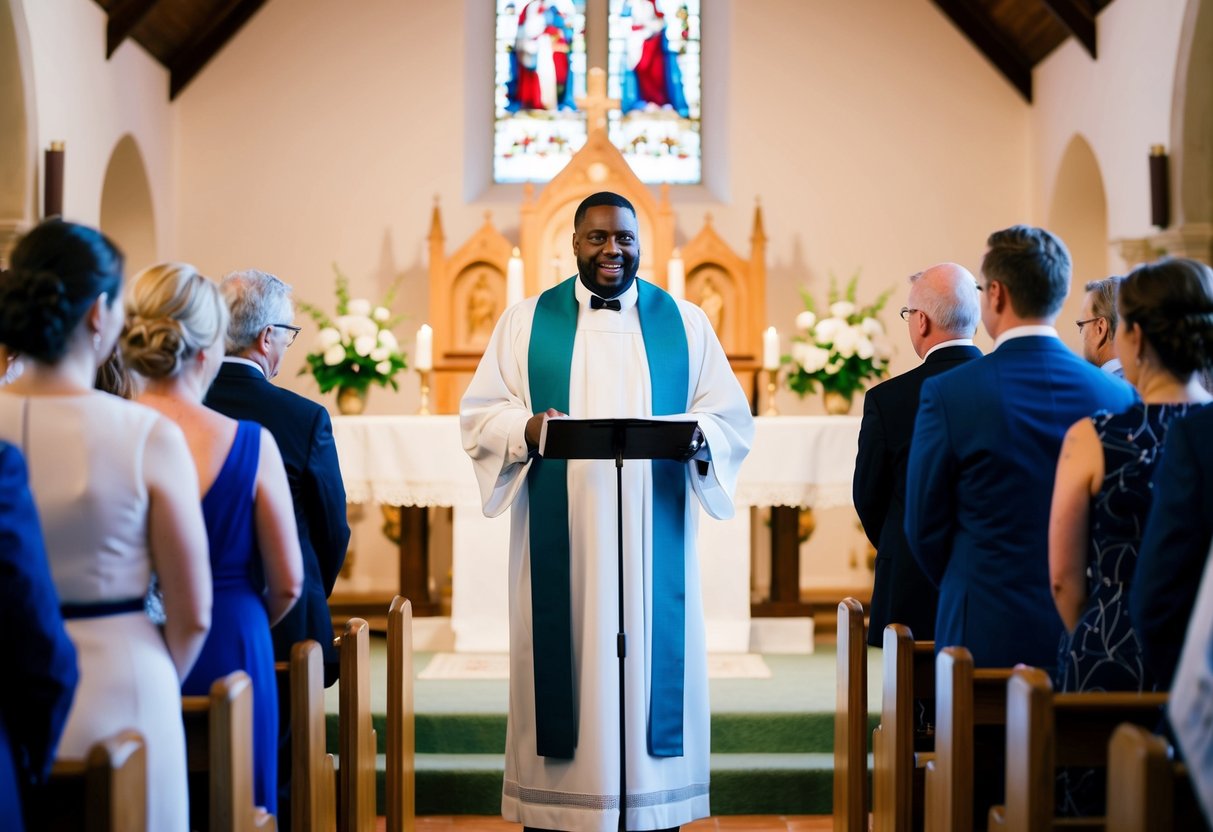
If you are looking for a blend of a religious and civil ceremony, a celebrant can help create a special experience that reflects your beliefs and values. You can still include traditional elements while ensuring that your marriage ceremony feels personal and meaningful to you.
Understanding your options is key as you navigate the wedding planning process. Whether you choose a celebrant or a religious officiant, the most important thing is that your marriage ceremony represents your love story.
Understanding Different Types of Celebrants
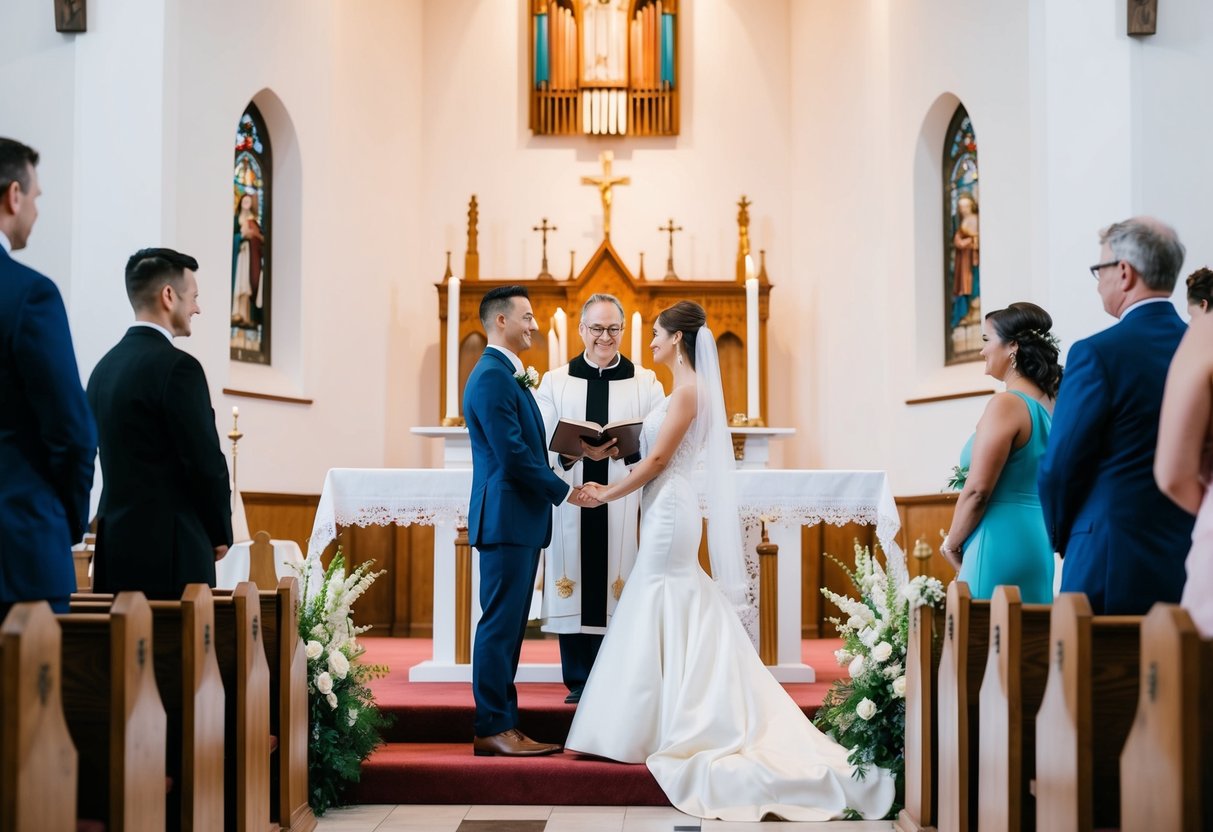
Celebrants play an important role in weddings, providing personalized ceremonies that meet the couple’s needs and beliefs. Different types of celebrants can officiate weddings, from secular to religious settings. Here, you’ll learn about their roles and legal standings in more detail.
Roles of a Celebrant in Matrimony
A celebrant helps you create a personal and unique wedding ceremony. They can write and deliver a script that reflects your love story, values, and traditions.
This role is especially valuable for couples who want something beyond a traditional service. Celebrants often work closely with you to incorporate special elements, such as readings, rituals, or family contributions.
Whether you prefer a secular ceremony or one with religious components, celebrants are skilled at tailoring the experience to fit your vision. They guide you through the process and make your day memorable.
Civil vs. Religious Celebrants
Celebrants generally fall into two categories: civil and religious. Civil celebrants, like a justice of the peace or notary public, focus on the legal aspect of marriage. They can marry you without any religious context.
On the other hand, religious celebrants include ministers, priests, rabbis, and imams. These officiants conduct ceremonies based on the beliefs and practices of their faith.
Choosing between them depends on your personal preferences. If you want a spiritual tone, a religious celebrant may be right for you. If you seek a secular approach, a civil celebrant may better suit your needs.
Ordination and Legal Standing of Celebrants
The ordination of a celebrant determines their legal authority. Some, like ministers from various faiths, have formal training and recognition from religious institutions.
In contrast, celebrants from organizations like the Universal Life Church can be ordained online without extensive training. While they can perform legal weddings, requirements differ by location.
Before booking a celebrant, check local laws to ensure they meet your needs. This is important to avoid any issues on your wedding day and make sure everything is legally binding.
Finding the Right Venue for Your Wedding
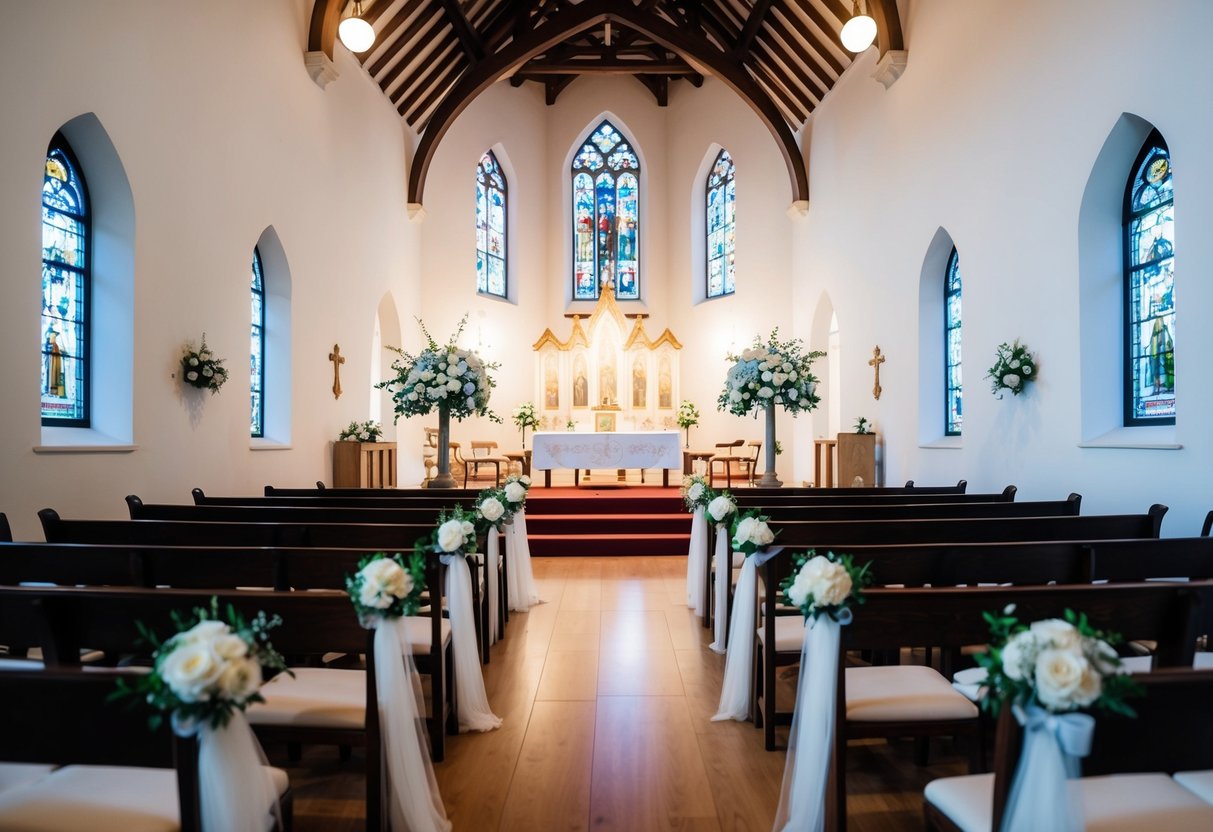
Choosing the right venue for your wedding is essential. It sets the tone for your special day and is where you will share your vows. Whether you are considering a church wedding or an alternative venue, here are some key points to guide you.
Church Weddings with a Celebrant
Many couples wonder if they can have a celebrant officiate their wedding in a church. The answer is yes, but it depends on the church’s policies. Some churches in Byron Bay and surrounding areas like Ballina may allow celebrants to conduct ceremonies.
When selecting a church, check whether they permit civil ceremonies alongside religious ones. You should also consider the church’s size, location, and how it fits into your wedding theme. If you’re getting married in North Coast NSW or the Gold Coast QLD, reach out to local churches for their specific requirements.
Alternative Wedding Venues and Celebrants
If a traditional church setting isn’t your style, many stunning alternative venues are available. From beachfront locations to quaint gardens in Tweed Heads, the options are vast.
When choosing a venue, think about your guest count, accessibility, and how it aligns with your vision. Hiring a celebrant who is experienced in various settings can add a personal touch to your ceremony.
Remember, the location should reflect your personality and love story. Make sure to research venue options and discuss your ideas with your celebrant, making the most of your special day.
The Legal Process of Marrying with a Celebrant
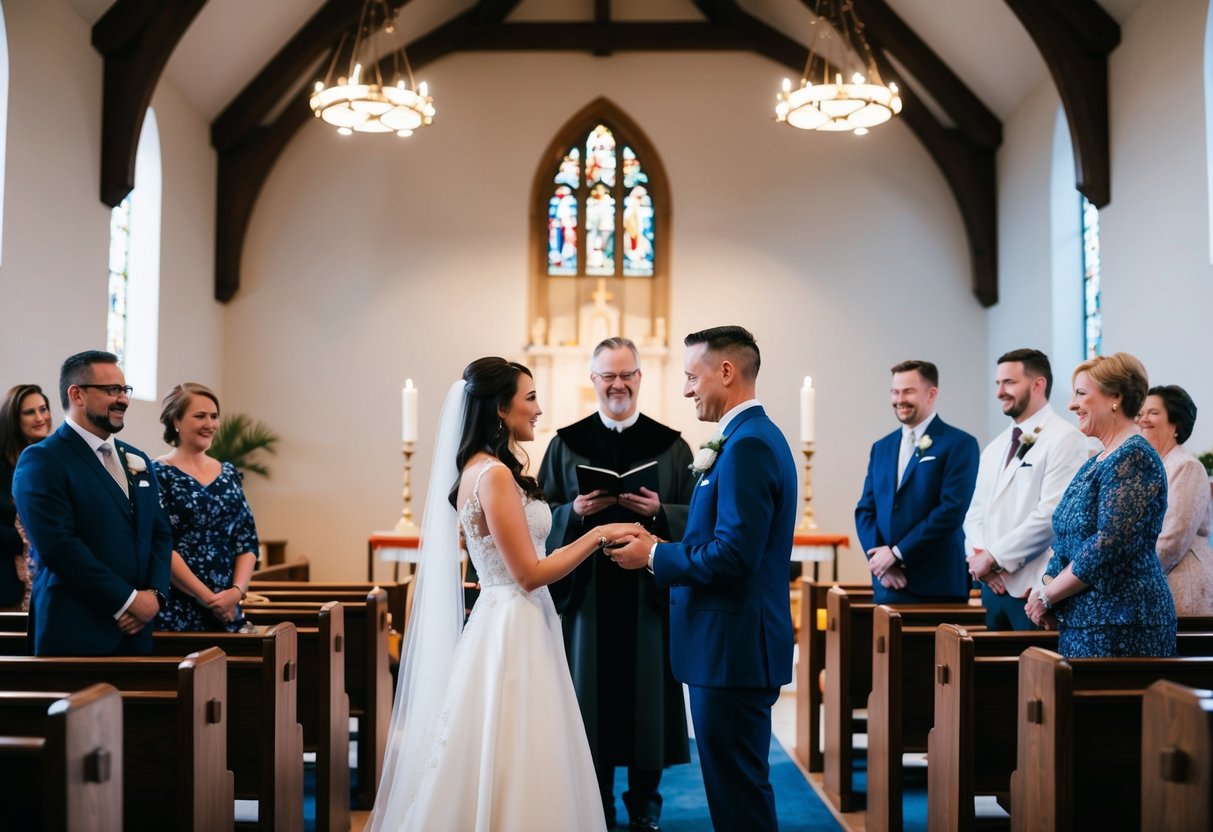
When you choose to marry with a celebrant, there are important legal steps you’ll need to follow. This includes obtaining a marriage license, understanding what is on the marriage certificate, and knowing state and federal marriage laws. Let’s dive into the details.
Acquiring a Marriage License
First, you need to obtain a marriage license. This is a legal document that allows you to marry. To get one, visit your local court clerk or designated office.
You usually need to provide:
- Valid identification (like a driver’s license)
- Details about your marriage celebrant
- Any previous marriage information, if applicable
There may be a small fee. After you’ve applied, there might be a waiting period before you can pick up the license. Make sure to check your state’s specific rules, as they can vary widely.
Marriage Certificates and Official Documentation
Once your marriage ceremony is complete, the celebrant will help you with the marriage certificate. This certificate serves as proof that you are legally married.
The celebrant often completes it on the day of the wedding and submits it to the appropriate government office.
You’ll need this document for various purposes, like changing your name or for tax reasons. Always request a copy after it’s filed to ensure everything is correct. This can typically be done through the same office where you obtained your marriage license.
State and Federal Marriage Laws
Marriage laws differ from state to state, so it’s essential to know your local requirements. Some states allow celebrants to solemnize marriages without being a licensed official.
Ensure your celebrant meets the legal criteria in your state. In many places, they must be registered with the state or ordained by an organization.
Understanding these laws helps avoid any surprises. Always consult legal resources or local officials if you have questions about specific regulations. This will guide you smoothly through the legal process.
Personalizing Your Wedding Ceremony
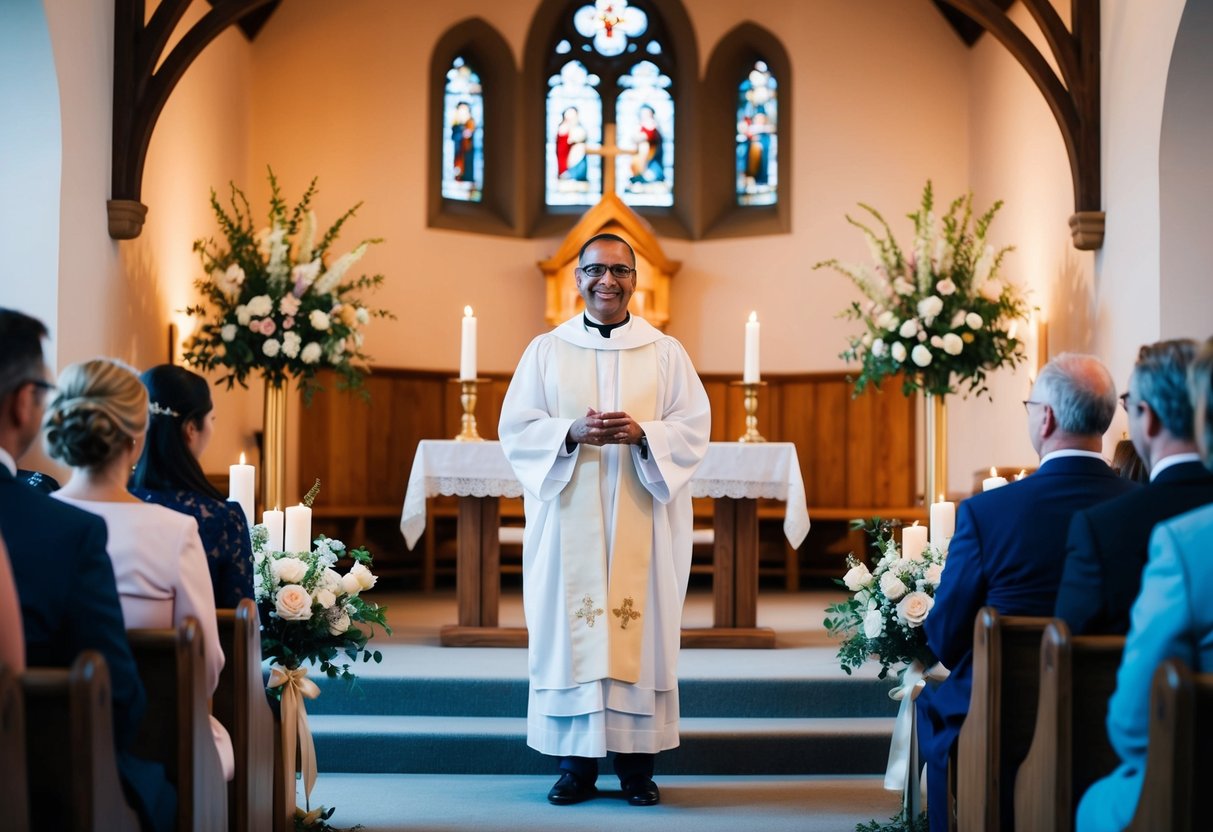
Personalizing your wedding ceremony makes it special and meaningful for you and your partner. With the help of a celebrant, you can create a unique experience that reflects your values and relationships.
Celebrant-Led Ceremonies and Rituals
A celebrant-led ceremony allows you to customize the experience to fit your style and beliefs. You can include various rituals that hold significance for you.
Some popular rituals include:
- Unity Candle: You both light a candle as a symbol of your union.
- Sand Ceremony: You each pour different colored sand into a single container, representing your lives blending together.
- Ring Exchange: Personal vows during the ring exchange can make this moment even more special.
With a professional officiant, you can also incorporate your own prayers or reflections, making the ceremony truly yours.
Incorporating Cultural and Family Traditions
Integrating cultural or family traditions into your wedding ceremony can honor your backgrounds. You might consider practices that are important to you, such as:
- Cultural Blessings: A prayer or blessing from your culture adds depth.
- Family Involvement: Include family readings or have family members participate in rituals, making them feel connected.
- Self-Uniting Marriage: In some traditions, couples may choose to officiate their wedding without an officiant, keeping it intimate.
Discuss these options with your celebrant to blend modern elements with cherished traditions. This will ensure your ceremony is a beautiful reflection of both of you.