
Can a Friend Officiate a Wedding UK? Understanding the Rules and Options
Planning your wedding can be exciting, especially when it comes to choosing who will officiate your ceremony. If you’re considering having a friend take on this special role, it’s essential to know the legalities involved.
In the UK, only registered clergy or registrars can legally officiate a wedding ceremony.
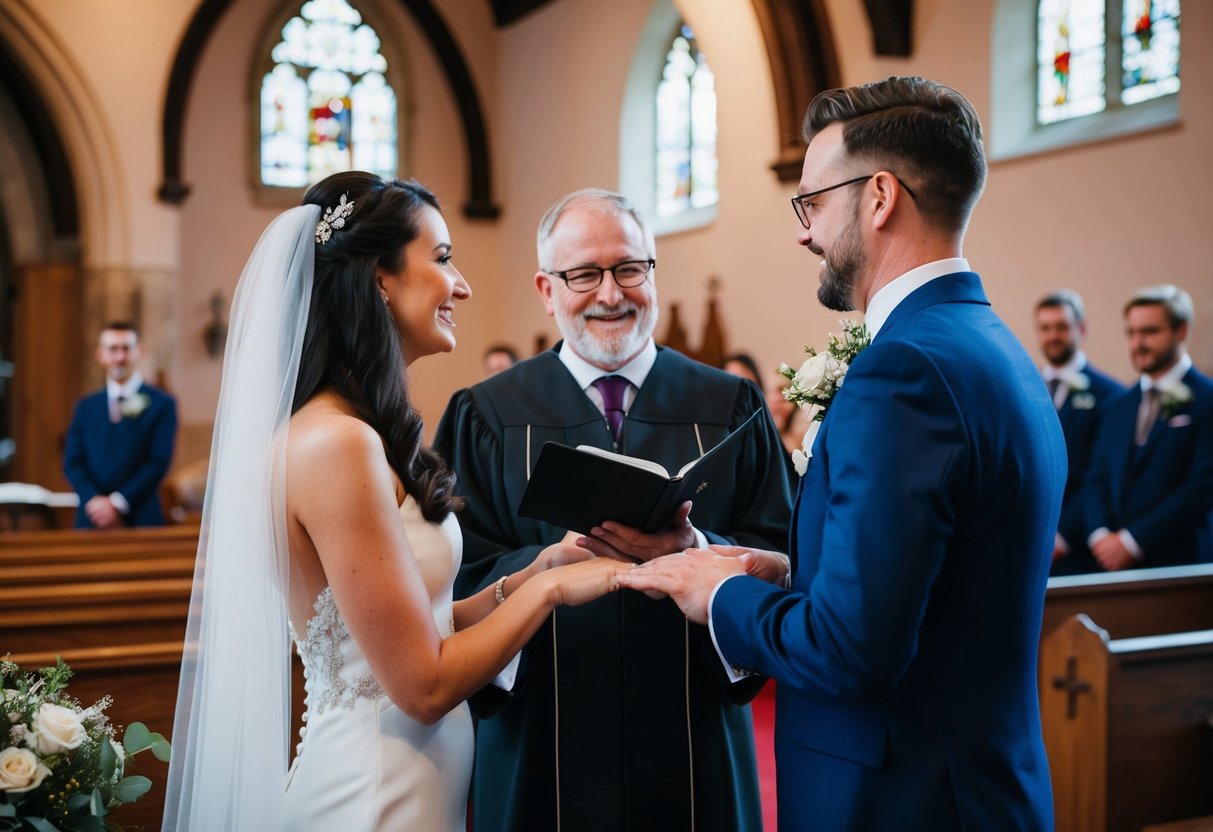
While your friend can’t legally perform the marriage, they can still be part of your special day. You can have a beautiful non-legally binding ceremony led by your friend, followed by a civil ceremony to make it official.
This way, you get to include someone close to you in a meaningful way while still meeting all the necessary legal requirements.
The love and personal touch added by a friend can make your wedding day even more memorable. Understanding the balance between legality and personal wishes will help you create a ceremony that reflects your unique relationship.
Legal Requirements to Officiate a Wedding in the UK
If you want your wedding to be legal in the UK, it’s important to know the rules for officiating. You can choose between civil and religious ceremonies, and there are specific steps to take when it comes to becoming recognized as an officiant. Also, properly obtaining and filing a marriage certificate is crucial for your marriage to be valid.
Civil Ceremonies and Religious Ceremonies
In the UK, you can have either a civil wedding or a religious ceremony. A civil ceremony is officiated by a registrar. This must happen in a registered venue like a town hall or an approved location.
On the other hand, for a religious ceremony, a licensed member of the clergy officiates. This means they must be part of a recognized religion.
Weddings conducted by unordained friends or family are not legally binding unless followed by a civil ceremony.
Becoming a Licensed Member of the Church or an Approved Celebrant
If you want a friend to officiate, they should become a licensed member of a religious organization or an approved celebrant for civil weddings. To do this, they need to undergo proper training and registration.
Religious organizations often have their own procedures for licensing clergy. Approved celebrants can be found through local councils or specific organizations.
Make sure your chosen officiant meets the legal criteria to perform the ceremony, ensuring your wedding is recognized by law.
Obtaining and Filing the Marriage Certificate
After the wedding ceremony, obtaining and filing your marriage certificate is essential. This document proves that your marriage is legal.
For civil ceremonies, the registrar will provide the marriage certificate.
If you have a religious ceremony, you must ensure the officiant files the certificate at a registry office. This usually needs to happen within a few days after the ceremony.
Remember, without this certificate, your marriage won’t be recognized legally.
How to Personalize a Wedding Ceremony
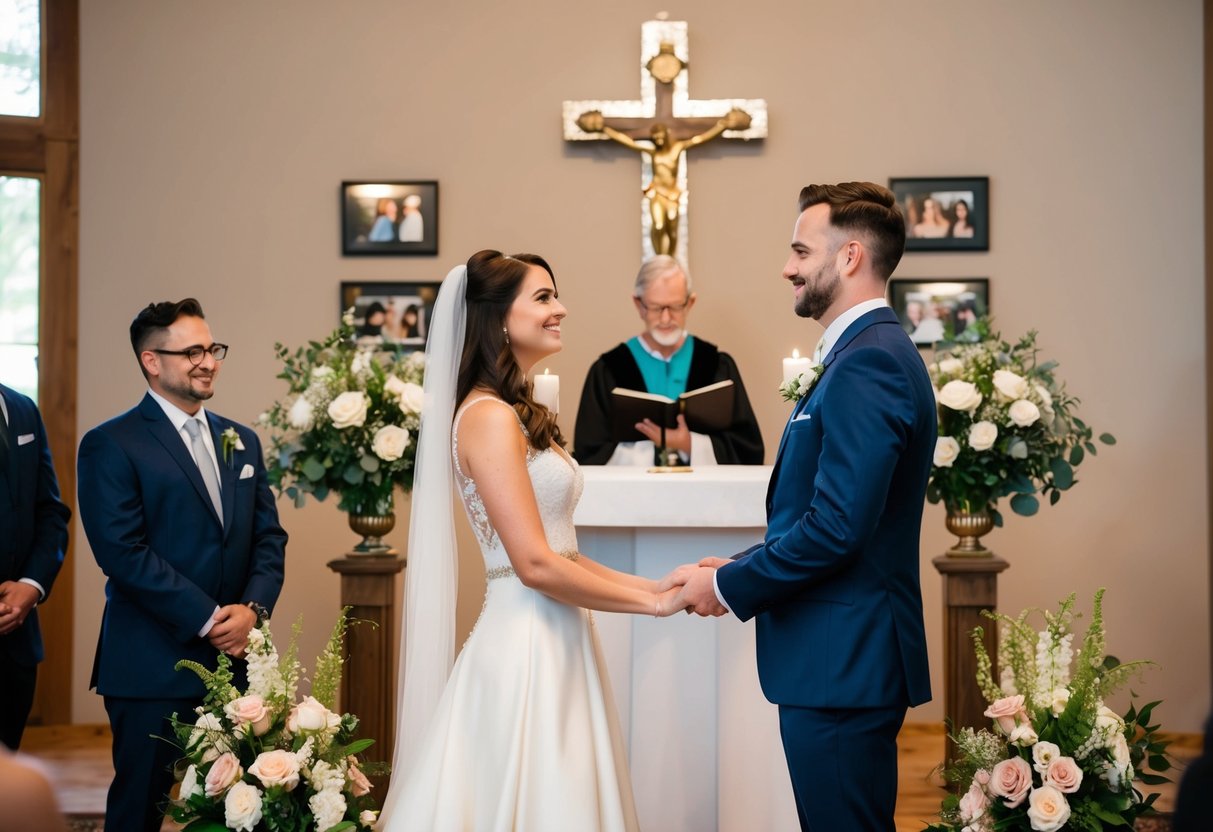
A personalized wedding ceremony can make your big day feel truly unique. By including personal vows, sharing your love story, and choosing the right celebrant, you can create a memorable experience for both you and your guests.
Including Personal Vows
Writing your own personal vows adds a special touch to your ceremony. It gives you the chance to express your feelings in your own words.
Start by reflecting on what your relationship means to you. Then, consider including promises that highlight your commitment and love.
Think about key moments that define your relationship. Are there funny or touching stories you want to share? Aim for vows that are genuine and heartfelt.
Practice reading them aloud to ensure they flow well. This will help calm any nerves on your wedding day.
Incorporating the Couple’s Love Story
Your love story is a beautiful part of your ceremony. Sharing it allows your guests to connect with your relationship.
Think about how you met, memorable dates, and significant milestones.
You might choose to have a friend or your celebrant narrate your story during the ceremony. This can create intimacy and warmth.
Consider using personal anecdotes that illustrate your journey together.
You can also involve your guests by asking them to share their favorite memories of you as a couple. This engagement can bring an added layer of fun and connection to your special day.
Choosing a Celebrant for a Personalised Ceremony
Selecting the right celebrant is essential for a personalized ceremony. Look for someone who resonates with your style and understands your vision.
A celebrant-led ceremony can be tailored to include your preferences.
During the initial meetings, discuss your ideas and how you want to incorporate personal elements.
An experienced celebrant will help you craft a unique ceremony that reflects who you are as a couple.
Don’t hesitate to ask for suggestions on personalizing your ceremony. Whether it’s rituals or readings, they can offer ideas that will enhance the experience.
Make sure to choose a celebrant you feel comfortable with, as this will help create a smooth and enjoyable atmosphere on your wedding day.
Options for Non-Legally Binding Ceremonies
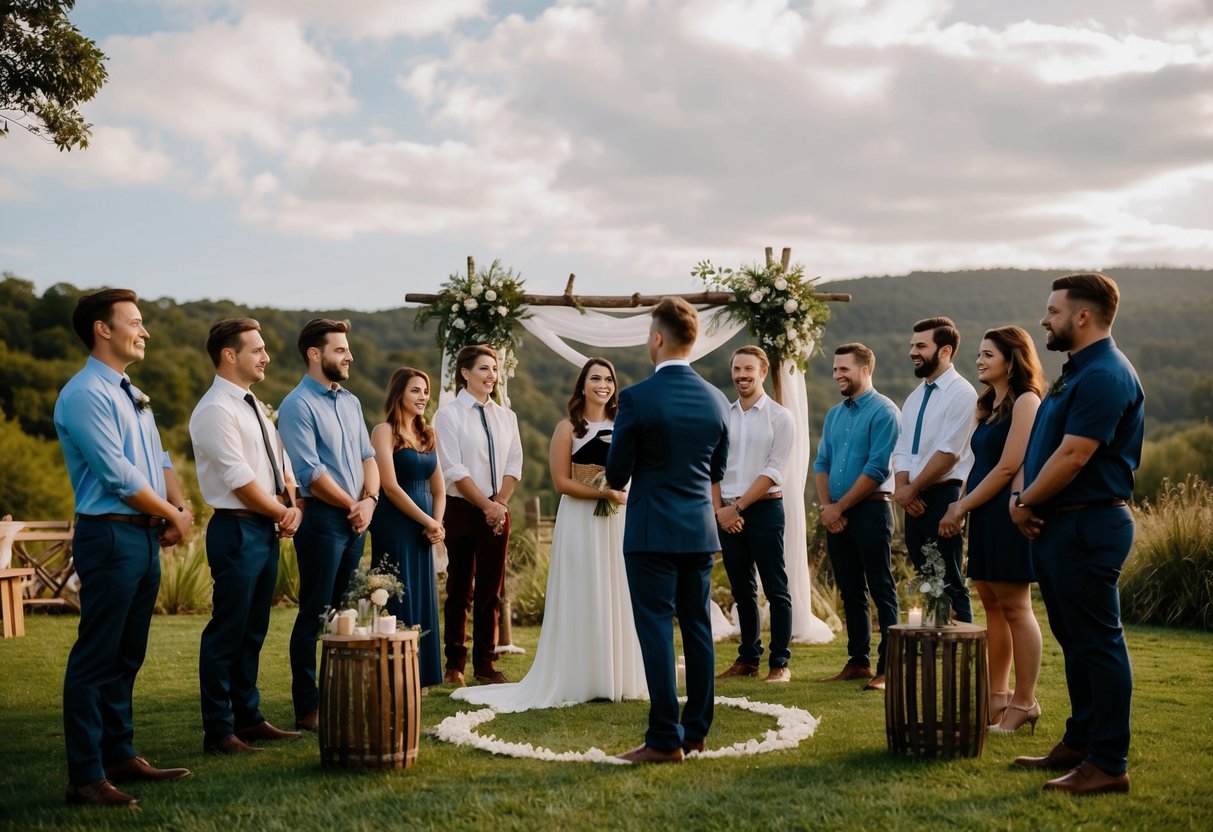
If you’re considering a wedding ceremony that isn’t legally binding, there are a few great options. You can have a friend officiate the ceremony, invite a celebrant, or go for a humanist ceremony. Each option offers a unique experience.
Having a Friend Officiate
You can choose to have a friend officiate your wedding. This is often a personal and heartfelt choice.
Your friend can conduct a ceremony that reflects your relationship. To do this, your friend should get ordained online, which is usually quick and easy.
Make sure your friend is comfortable leading the event. They can include special readings, vows, and unity rituals that resonate with both of you.
Remember, while this ceremony is meaningful, it won’t be legally recognized without a separate official ceremony.
Celebrant-Led Ceremonies
Another option is to hire a professional wedding celebrant.
Celebrants in the UK are skilled at creating ceremonies that match your vision. They can work with you to design a unique ceremony that tells your love story.
In this case, the celebrant will guide you through the whole process, ensuring it fits your preferences.
They can incorporate personal touches, like poems or traditions. This type of ceremony is also non-legally binding, so you can be creative without the legal constraints.
Humanist Ceremonies
Couples seeking a non-religious, non-legally binding option often choose humanist ceremonies. A humanist celebrant focuses on your beliefs and values rather than religious elements. Your ceremony can include meaningful readings, personal vows, and symbolic rituals.
The humanist approach is all about celebrating love and commitment. You have the freedom to design a ceremony that feels right for you. Many people appreciate the flexibility and personal nature of humanist ceremonies, making them a great alternative for couples looking to express their unique bond.