
Can a Girl Be a Captain? Exploring Leadership Opportunities for Women
In today’s world, you might wonder whether a girl can be a ship captain. The answer is a resounding yes! The maritime industry is opening its doors wider than ever for women, breaking the traditional barriers that once kept them from these roles.
With a growing movement toward women empowerment, girls are stepping into what was once considered a male-dominated field.
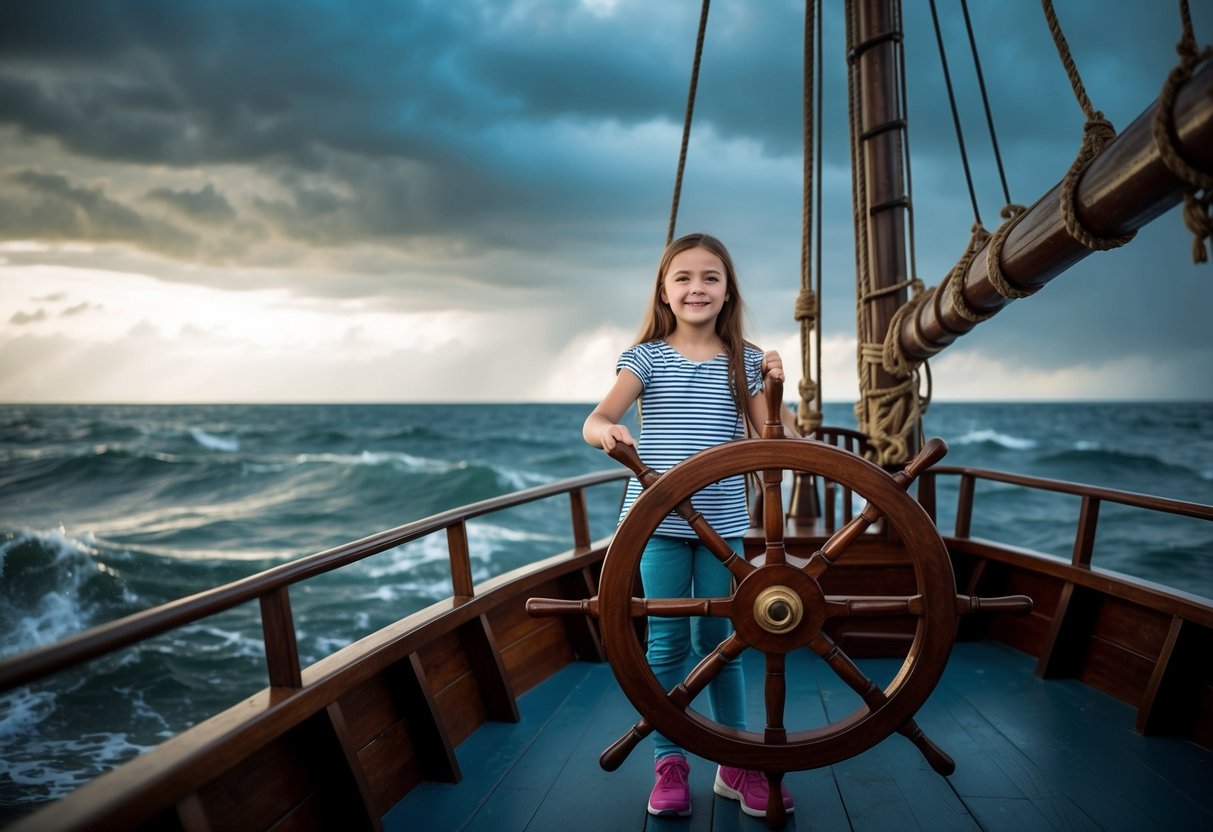
Imagine the stories of female ship captains who have paved the way for others. They are proving that determination and skill know no gender. Whether it’s navigating large vessels or leading a crew, these women are not just captains; they are inspiring role models for upcoming generations.
As you read on, you’ll discover how women are transforming the maritime landscape and what it takes to become a ship captain, regardless of gender. Their journeys challenges stereotypes and showcase the incredible potential for women in this exciting field.
Women in Maritime History and Present
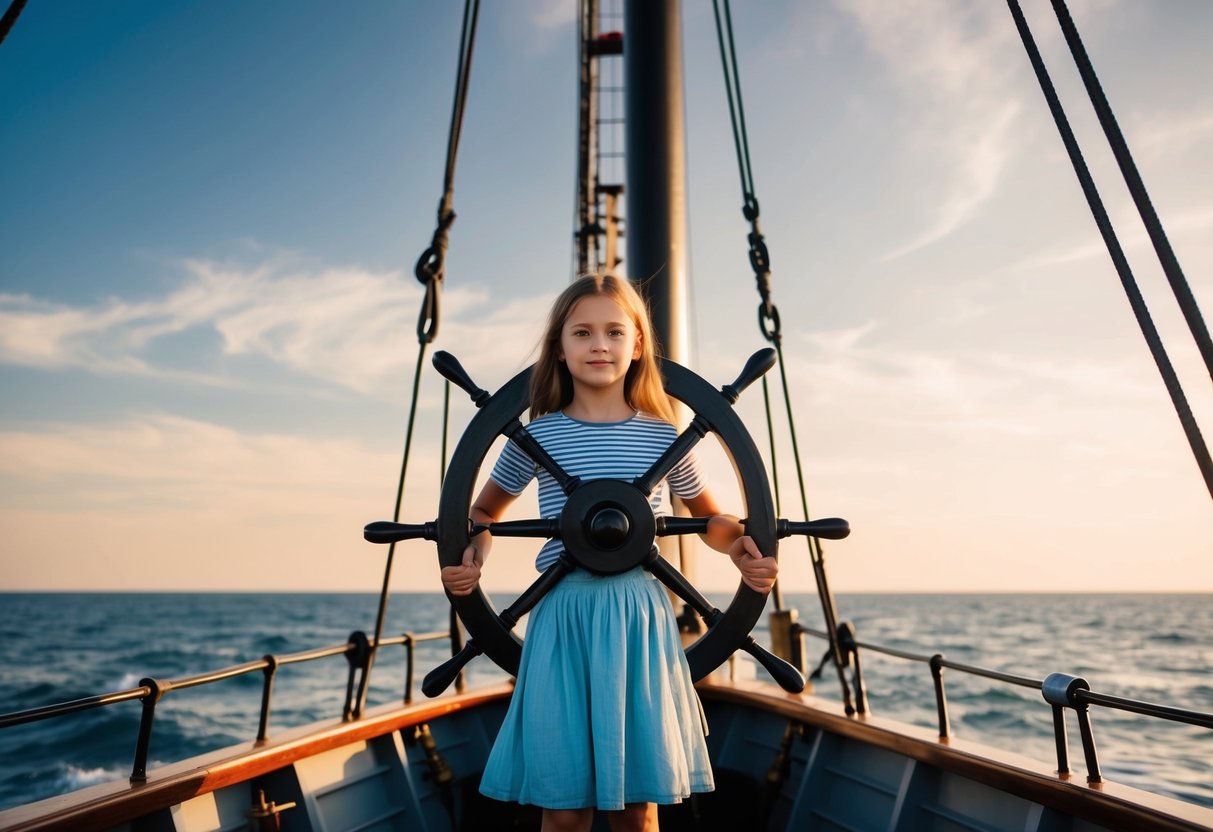
Women have played an important role in maritime history. From pioneers overcoming barriers to current leaders at sea, female seafarers have made significant contributions and continue to reshape the maritime industry.
Pioneering Female Ship Captains
Throughout history, some women have broken through the traditional barriers of the maritime world. For instance, Captain Radhika Menon became the first woman to receive the Anna C. Chennault Award for her bravery during a rescue operation at sea. Another notable figure is Captain Kate McCue, the first American woman to command a mega cruise ship.
These trailblazers not only proved their skills but also inspired future generations. Their achievements show that women can excel in demanding roles, leading to more inclusive opportunities in maritime careers.
Current Landscape for Female Seafarers
Today, the maritime industry is gradually changing to welcome women into leadership roles. Female seafarers now occupy various positions on vessels, from deckhands to captains. Organizations are also focusing on training and mentorship programs for women in maritime careers.
Despite progress, challenges remain. Women still face issues such as discrimination and limited opportunities. Yet, with figures like Captain Menon and Captain McCue leading the way, the future looks promising. Efforts to encourage and support women in maritime continue to grow, making the seas more inclusive for everyone.
Becoming a Ship Captain
Becoming a ship captain is an exciting journey that includes specific education and training. You will also learn about the critical roles and responsibilities that come with this position.
Educational and Professional Pathways
To become a captain, you typically start with a high school diploma. From there, pursuing a specialized degree in maritime studies or a related field is beneficial. Many people attend a maritime academy to gain essential skills.
Internships in the merchant navy provide hands-on experience in both the deck and engine departments. You can also gain valuable insights while working your way up through different ranks.
Generally, aspiring captains start as cadets, then become mates before finally earning their captain’s license through formal examinations.
Key Roles and Responsibilities of a Ship Captain
As a ship captain, your primary duty is to ensure the safety of everyone on board. You oversee daily operations and navigation, making sure that the vessel reaches its destination securely.
Communication is a crucial part of your role, as you coordinate with the deck department and engine department.
Your responsibilities also include managing crew members, monitoring ship maintenance, and ensuring compliance with maritime laws. You need to be ready to respond to emergencies and make quick decisions to protect your crew and cargo.
Effective leadership skills are necessary to create a positive working environment and maintain efficient operations.
Challenges and Triumphs

Being a female captain in a male-dominated industry comes with unique challenges and inspiring triumphs. You can find strength in the stories of women who have paved their way against the odds.
Overcoming the Male-Dominated Industry
You might face various hurdles as a female aspiring captain. The maritime field has traditionally been male-driven, which can lead to feelings of isolation and doubt.
Many women report experiencing skepticism from male colleagues. This might manifest as questioning your abilities or knowledge. Such challenges aren’t just personal; they reflect a larger industry culture.
It’s important to find support through networking. Joining women’s organizations or mentorship programs can provide encouragement. Sharing experiences with others can also help you gain confidence and fight stereotypes effectively.
Success Stories and Role Models
There are remarkable women who have succeeded in the maritime world. For instance, Belinda Bennett made history as the first black female cruise ship captain. Her achievement shows that with determination, barriers can be broken.
Another inspiring figure is Captain Kate McCue, who became the first American woman to lead a mega-cruise ship. Her journey serves as motivation for many aspiring female captains.
By learning about these trailblazers, you can draw strength from their experiences. They remind you that success is possible, and every step forward counts. Their stories can encourage you to pursue your dreams in a field where women are still striving for equality.
Implications for Global Trade and Transportation
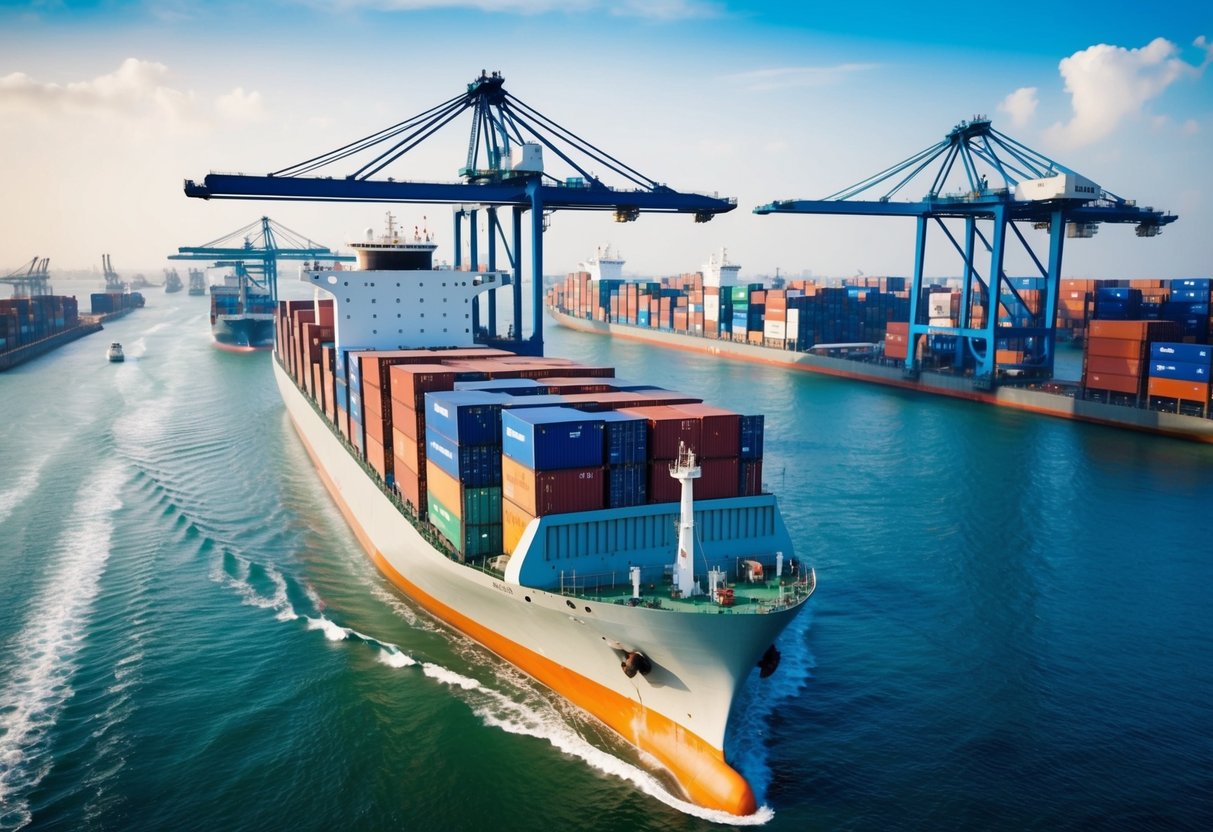
Having women as ship captains can positively impact global trade and transportation. When you empower women to lead, it opens up new perspectives and ideas in the industry.
Diversity in Leadership: Women’s experiences shape decision-making. A mix of male and female leaders can lead to better problem-solving and innovation. This diversity makes a workforce stronger.
Increased Workforce: With women entering maritime roles, more talent is available. This helps to fill the gap in a field where women currently make up only about 2-3% of ship crews. As more women become captains, it can change this statistic over time.
Role Models: Female ship captains inspire the next generation. You might see young girls pursuing careers they once thought were out of reach. For instance, Captain Hettie Geenen and Captain Jasmin Labarda are breaking barriers and encouraging others to follow.
Economic Growth: When you include women in maritime roles, it can boost economic productivity. Their contributions help ship owners and companies thrive, leading to better services in global trade.