
Can a Man Take the Bride’s Last Name? Exploring Tradition and Modern Choices
Choosing a last name after marriage is a personal decision for many couples. Traditionally, brides take their husband’s last name, but a man can also take his bride’s last name if that is what he desires. This decision may reflect changing views on identity and partnership in modern relationships.
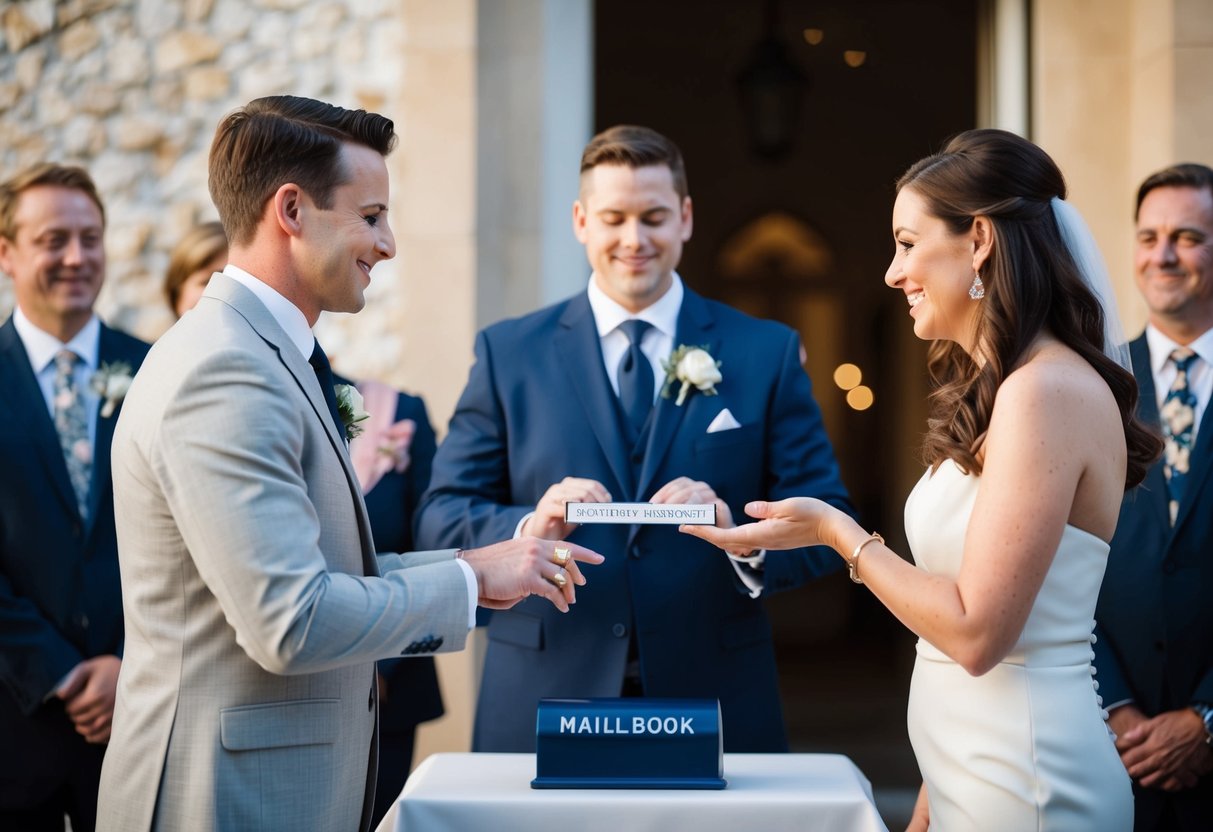
If you’re considering this name change, you should know there’s no right or wrong answer. Both partners can keep their names, combine them, or even create a new last name entirely. This decision can signify unity and can be an important step in defining your shared identity as a married couple.
As societal norms shift, more men are feeling comfortable taking on their wife’s surname. This trend often stems from personal preferences or a desire to break away from traditional gender roles. If you’re curious about the reasons behind this choice and how to navigate the process, you’re in the right place!
Evolving Gender Norms
Changes in how society views names and marriage show how gender norms are evolving. This shift allows for greater freedom in choosing last names, whether you are a man or a woman. Understanding these changes can help you navigate your own decisions regarding names.
Gender Norms in Name Changing
Traditionally, women take their husband’s last name after marriage. Yet today, this is changing as more men consider taking their wife’s last name. Many factors influence this choice, such as personal preference and a desire for equality.
In some cases, men might not feel a strong attachment to their own last name. Additionally, cultural norms are becoming more accepting of this idea. For instance, various states now have legal frameworks allowing a man to take his wife’s name, highlighting this shift toward acceptance.
Famous Cases
You may have noticed some high-profile examples of men who chose to take their wife’s last name. For instance, actor and director Zoe Saldana has openly discussed changing her name when she married. Her choice serves as a public example that challenges traditional norms.
Such examples can inspire others and show that shifting away from traditional naming conventions is becoming more accepted. As more people choose to break these norms, it sends a message about partnership and equality in relationships.
Legal Process and Implications
When considering whether a man can take his bride’s last name, it’s important to understand the legal processes involved. You’ll need to navigate both marriage certificate considerations and the name change process. Each step is essential to ensure everything is done correctly.
Marriage Certificate Considerations
When you get married, the marriage certificate is a key document. It usually reflects the names you choose to use after marriage. If you plan to take your wife’s last name, discuss this before the wedding.
Make sure to check the requirements in your state. Some states allow a name change directly on the marriage certificate. Others may require additional paperwork later. Confirm with your local clerk’s office about what you need to do to include your chosen name.
Name Change Process for Men
If you decide to take your wife’s last name, you’ll need to follow the legal name change process. First, gather necessary documents, like your marriage certificate. This document serves as proof of your new name.
Next, visit your local government office to file for a name change. Depending on your state, you may need to fill out a petition or application. Some states may require you to publish your name change in a local newspaper.
Keep in mind that you’ll have to update your identification and other legal documents afterward, like your driver’s license and Social Security card. It’s a good idea to make a checklist to ensure you don’t miss anything during the process.
Cultural and Family Dynamics
When discussing if a man can take the bride’s last name, cultural and family dynamics play a significant role. These factors can affect personal choices and family traditions.
Family Name Significance
Family names often carry deep meaning and historical ties. They can represent lineage, heritage, and family unity. For some families, keeping the traditional last name is very important.
You might find that in your family, there is a strong connection to the paternal name. This can create pressure to maintain that name after marriage. However, there can be flexibility. Your choice to take your wife’s last name might symbolize a new beginning and shared identity.
Discussing these feelings with your partner and family can help. This open dialogue can lead to a better understanding of each other’s viewpoints and values regarding last names.
Hyphenated and Combined Names
Hyphenated last names have become a popular option as more couples seek compromise. This choice allows both partners to keep their names while blending them.
For example, if your last name is Smith and your partner’s is Johnson, you could choose Smith-Johnson. This option can express equality in the relationship.
Many couples prioritize family values and modern views on gender roles. A hyphenated name not only honors both sides of the family but can reflect a commitment to shared growth and partnership.
It’s important to talk about practical considerations too. Consider how a hyphenated name might affect children or future family dynamics.
Identity and Personal Choice
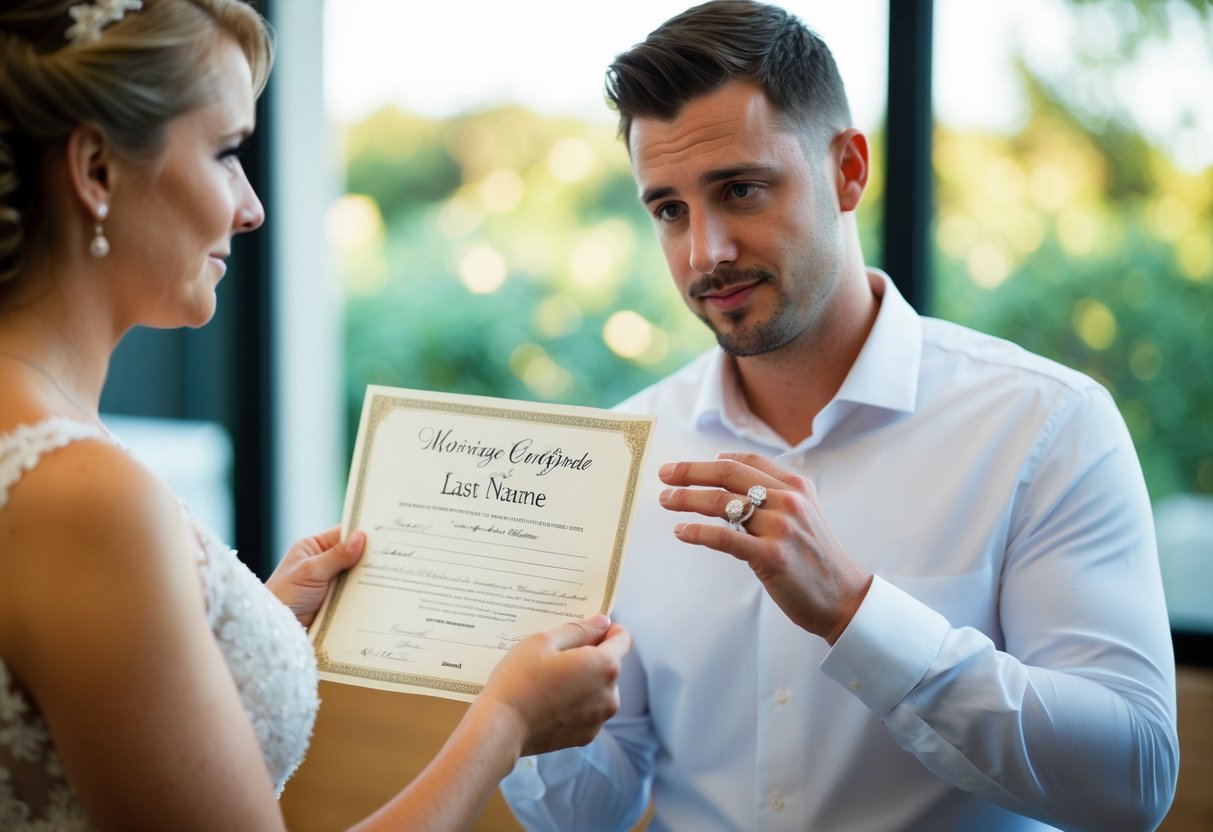
Choosing a last name in a marriage is a significant decision tied to identity and personal values. It reflects your sense of self and can promote equality within a partnership. Here are two key aspects to consider.
Maiden Name Retention
Many people choose to keep their maiden name after marriage. This decision often stems from a desire to maintain a personal identity that has been built over years.
Keeping your maiden name can also impact your professional life. If you have established a career under your maiden name, changing it could interfere with recognition and connections.
You might opt to hyphenate your last name. This allows you to incorporate your family name while respecting your partner’s identity. It reflects a blend of your histories.
Equality and Identity
Taking a partner’s last name can signify an equal partnership. This choice challenges traditional norms and promotes shared values.
When both partners consider last names, it opens up conversations about equality. You may decide to use both names or even create a new one together.
This direction fosters a sense of shared identity. It enhances the connection between partners and highlights a commitment to working together as equals.