
Can a Pastor Officiate a Wedding in the UK? Understanding the Guidelines
If you’re considering a religious wedding in the UK, you might wonder about the role of a pastor in your ceremony. Yes, a pastor can officiate a wedding in the UK as long as they are properly licensed. This means they must be recognized by a religious organization or have the necessary registration to perform legal marriage ceremonies.
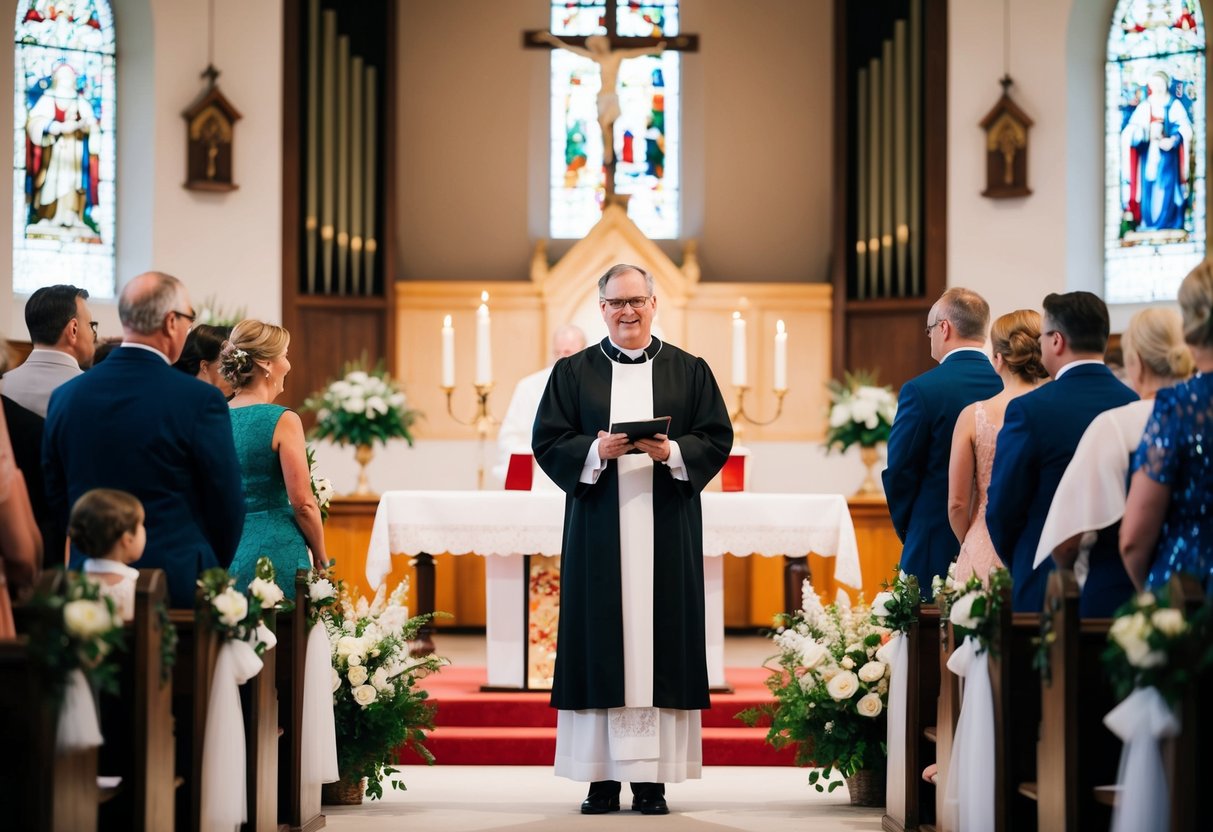
Understanding what makes a wedding legally binding is crucial. A pastor can conduct the spiritual part of the ceremony, but for it to be official, you may need to visit a registry office. This ensures that your marriage is recognized by the law.
By knowing these details ahead of time, you can make your wedding day special and stress-free.
As you plan your big day, keep in mind the important requirements. This will help you create a wedding ceremony that honors your beliefs while also being legally valid. You’ll want a day that combines the personal touch of your faith with the official recognition of your marriage.
Legal Requirements for Officiating Marriages in the UK
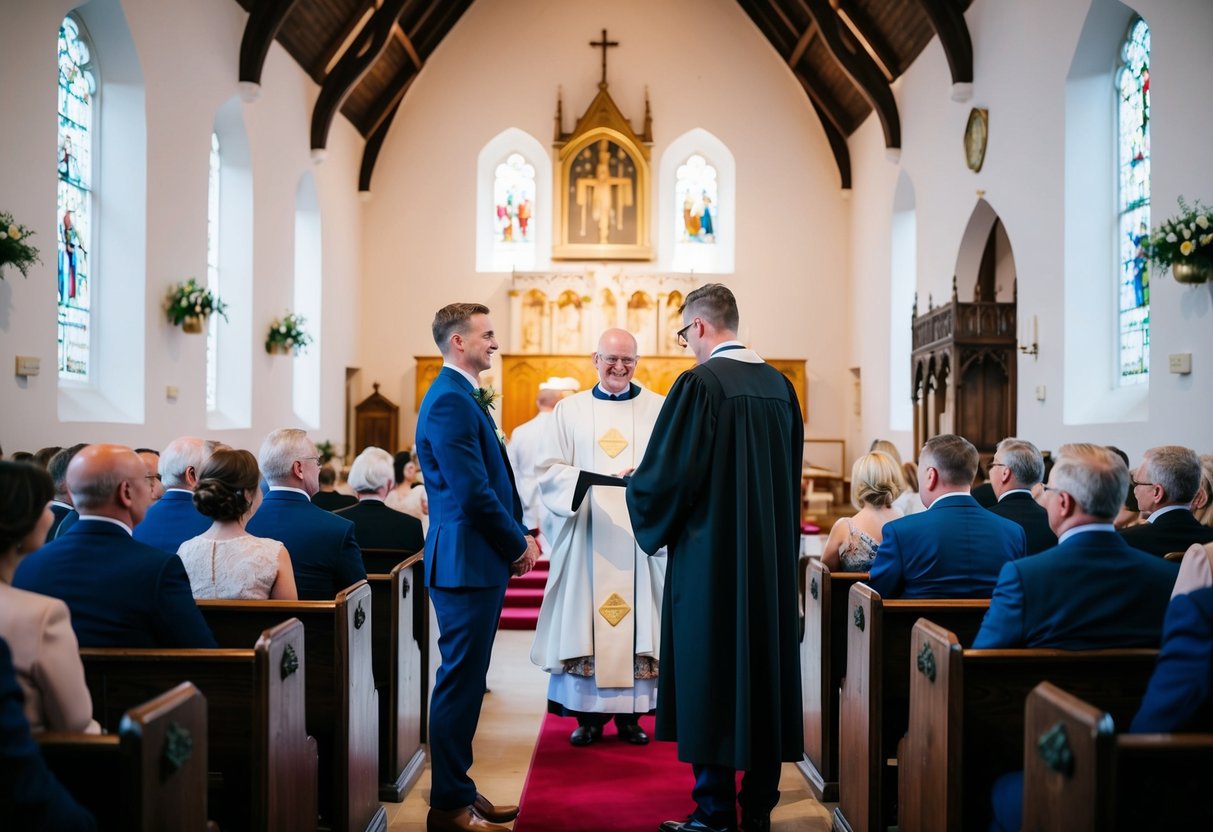
When planning a wedding in the UK, it’s important to know the legal requirements for officiating your ceremony. This involves understanding who can officiate, how to obtain the necessary permissions, and the registration process for celebrants.
Understanding Marriage Authority and Registrar Roles
In the UK, marriages must be officiated by someone with the proper authority. This usually means a registrar, a member of the local authority trained to conduct marriages.
You can also choose someone from the clergy if they are licensed to perform weddings. Make sure that your venue is approved for ceremonies. This could be a licensed venue or a registered religious place. If a friend or family member is not registered, they can still conduct a non-legally binding ceremony, but you’ll need to complete the legal part elsewhere.
Obtaining Legal Capacities to Conduct a Legally Binding Ceremony
To ensure your wedding is legally binding, you need to follow some steps. First, you must give a notice of marriage at your local registry.
This requires both partners to be present and provide personal details, including proof of identity.
The notice is important because it confirms that you’re legally able to marry. After giving notice, you typically wait at least 28 days before the ceremony. Make sure all paperwork is prepared, as any missing documents can delay your plans.
The Role of Religious Officials and Different Types of Ceremonies
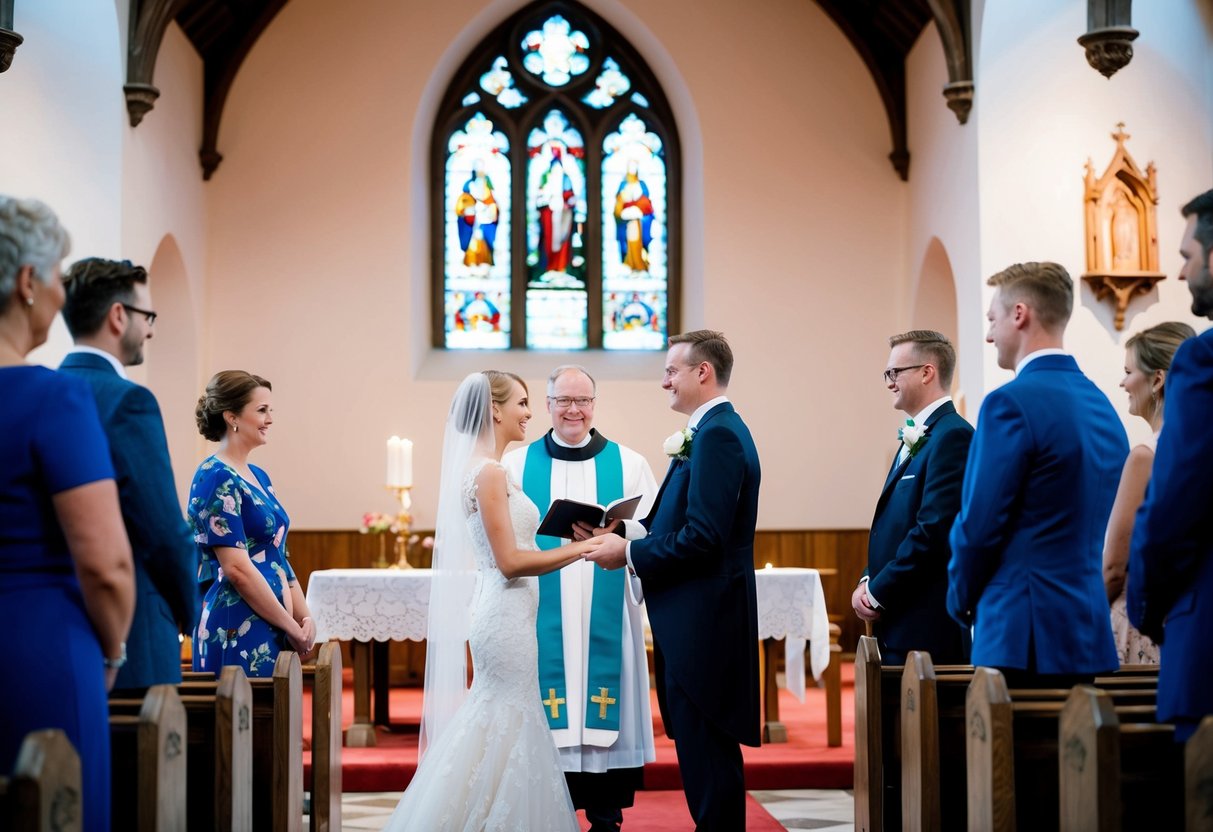
Religious and civil officials each play an important role in officiating weddings. Understanding the differences between these roles and the types of ceremonies available can help you make informed decisions for your special day.
Priests, Deacons, and Celebrants’ Involvement in Ceremonies
In the UK, you might consider a priest or deacon to officiate your wedding. These leaders of the church can hold religious weddings, which often include traditional rituals tied to their faith.
A celebrant is another option. Celebrants can conduct ceremonies that suit your personal beliefs, whether they are religious or not. They work closely with you to craft a ceremony that reflects your values and wishes.
Regardless of whom you choose, these officials ensure that your ceremony is meaningful and adheres to your chosen traditions.
Comparing Religious and Civil Wedding Ceremonies
When thinking about a wedding, you can choose between a religious ceremony and a civil wedding.
In a religious wedding, like those officiated by priests or ministers, the focus is on faith-based rituals that often involve prayers and blessings.
On the other hand, a civil ceremony is non-religious and takes place in places like registries or even outdoors. This type of wedding focuses on the legal aspects of marriage without religious elements. Understanding these differences can help you decide which ceremony resonates with you.
A Look at Humanist Celebrants and Quaker Weddings
Humanist celebrants are another option. They create personalized ceremonies that emphasize love and commitment without religious content. Humanist weddings often focus on the couple’s values and stories, bringing a unique touch to your special day.
Quaker weddings, also known as Friends’ weddings, are unique in their simplicity. There are no set rituals; the couple exchanges vows in the presence of their community, emphasizing equality and mutual commitment. This approach can provide a very personal and meaningful experience.
By exploring these options, you can choose the officiant and ceremony that best suit your values and preferences.
Becoming an Officiant: Online Ordination and Training
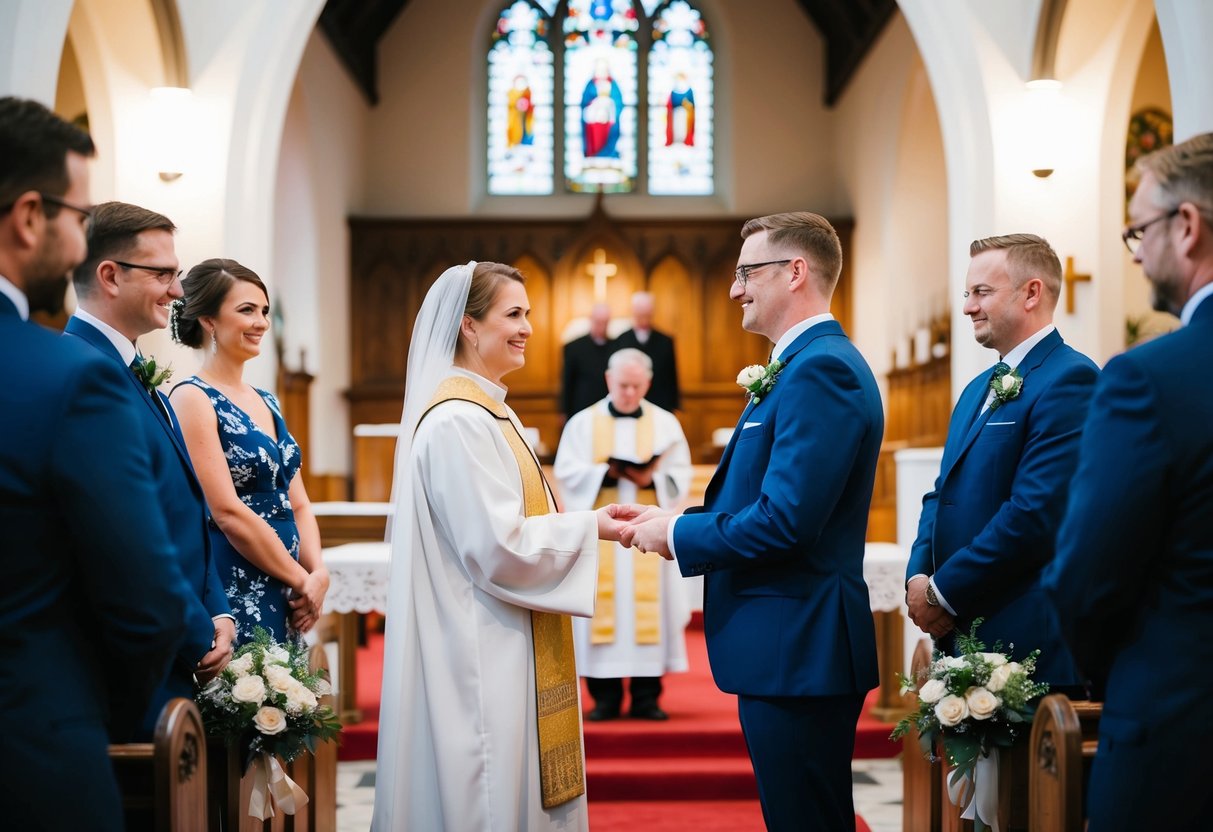
If you’re looking to officiate a wedding in the UK, you have options for becoming ordained online. This section covers how to get started through organizations like the Universal Life Church (ULC) and Open Ministry, and what to expect from the process.
Online Ordination: Universal Life Church and Open Ministry
The Universal Life Church (ULC) offers free online ordination. This makes it easy for you to become a wedding officiant. You just need to fill out an ordination request form on their website.
Open Ministry is another option that allows you to receive online ordination. They focus on religious freedom, similar to ULC.
Both organizations provide resources to help you understand your duties and rights once ordained. You’ll find guidance on conducting ceremonies and the legal requirements in the UK.
Steps to Become Ordained and Start Officiating in the UK
Becoming ordained online involves a few simple steps.
First, choose an organization like ULC or Open Ministry. Complete the online application and submit any required information.
Once your ordination is confirmed, it’s wise to familiarize yourself with the laws regarding weddings in the UK.
Make a checklist of the legal paperwork you need to prepare. This might include confirming that you are allowed to officiate weddings in your area and understanding local regulations.
Lastly, gaining some training can be beneficial. Look for courses or resources provided by your chosen organization to help you conduct celebrant-led weddings effectively. This training can cover important aspects like writing vows and leading the ceremony.
Recognition of Online Ordinations in the UK
In the UK, local authorities may legally recognize online ordinations from organizations like ULC and Open Ministry. However, the acceptance of these ordinations can vary.
It’s essential to check with the local registry office in your area to ensure that they accept online ordination for officiating a wedding. Some regions may have specific requirements or may only accept officiants from certain theological institutions.
Being informed about the recognition of your ordination helps you avoid surprises when it’s time to perform the ceremony. Always keep up-to-date on any changes in legislation or local requirements to successfully officiate a wedding.