
Can Anyone Be a Humanist Celebrant? Exploring the Path to Celebrancy
If you’ve ever wondered, “Can anyone be a humanist celebrant?” you’re not alone. Many people are curious about this role, as it allows for the creation of meaningful, non-religious ceremonies. Yes, anyone with a passion for humanist values and the right training can become a humanist celebrant.
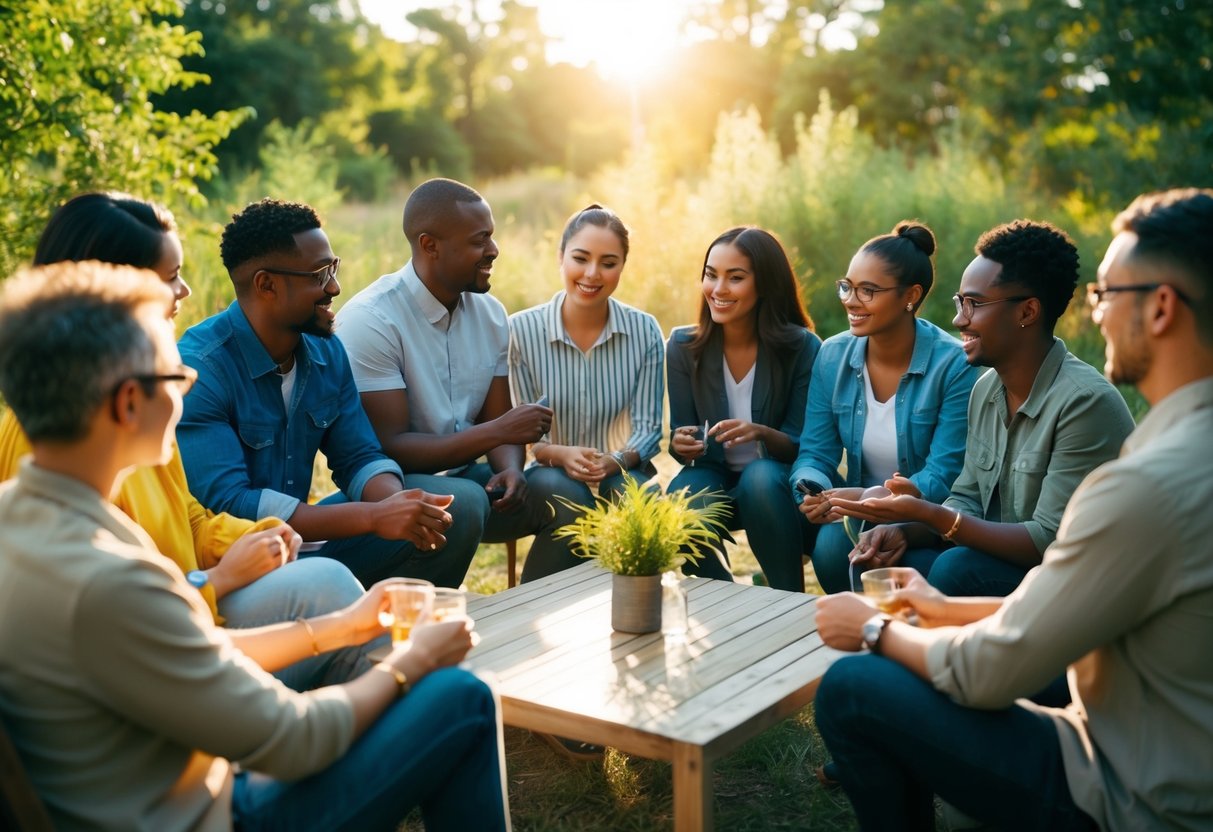
Humanist celebrants serve a vital purpose in today’s diverse society. They conduct ceremonies like weddings, memorial services, and baby namings, all grounded in a non-religious perspective that celebrates human experiences and values.
Whether you come from a creative background or just have a strong belief in humanism, this role can be accessible to you.
The journey to becoming a humanist celebrant involves training and a commitment to understanding humanist principles. It’s a fantastic opportunity to make a positive impact in your community while honoring important life moments for others. If you’re intrigued, learning more about the specifics could be your first step toward this rewarding path!
Becoming a Humanist Celebrant

Becoming a humanist celebrant allows you to officiate meaningful ceremonies without relying on traditional religious beliefs. You will learn about humanist values and how to conduct various life events with personal significance.
Understanding Humanism
Humanism is a nonreligious philosophy that focuses on human values, reason, and ethics. You will explore principles like compassion, social justice, and individual rights.
This understanding helps you connect with people from various backgrounds. By embracing humanist ideals, you promote a sense of community and inclusivity. Plus, it allows you to create personalized ceremonies that reflect true feelings and beliefs. Many organizations, like the American Humanist Association, offer resources to deepen your knowledge of humanism.
The Role of a Humanist Celebrant
As a humanist celebrant, your main duty is to officiate ceremonies such as weddings, memorials, and baby namings. You will use your understanding of humanist ideas to guide families in creating unique and meaningful experiences.
These ceremonies can be nonreligious or interreligious. Your goal is to honor each person’s values and beliefs. By personalizing each event, you help attendees celebrate important life moments in a genuine way. Many humanist celebrants also provide support to families during difficult times, such as grief, by incorporating humanist values into memorial services.
Training and Endorsement Options
To become a humanist celebrant, you typically need to complete a training program. This may include online courses that cover humanist principles, ceremony planning, and effective communication.
After finishing your training, you can pursue an endorsement. This process often involves an application, an interview, and sometimes, a recommendation from an accredited celebrant or organization. Some groups also offer a temporary endorsement for officiating a limited number of ceremonies.
By participating in these training and endorsement options, you will be well equipped to create impactful ceremonies.
Types of Humanist Ceremonies
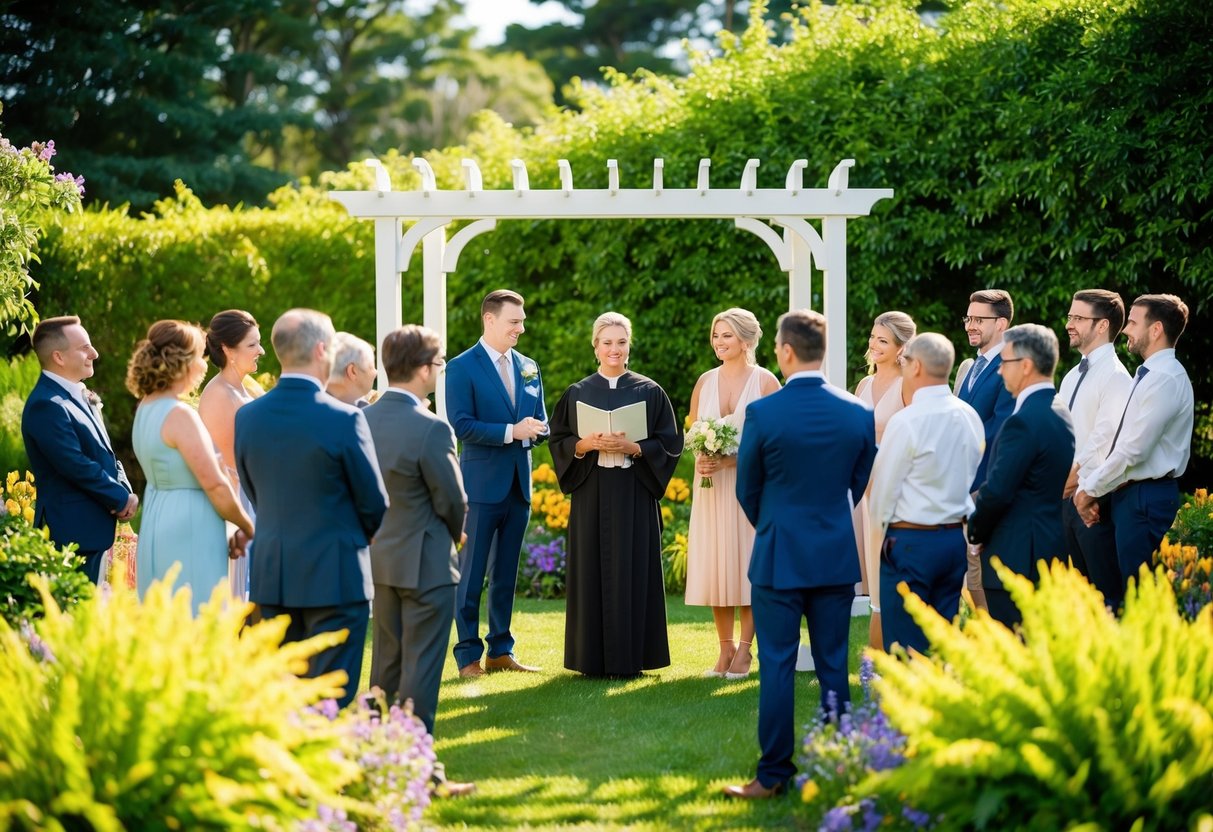
Humanist ceremonies celebrate life’s important moments without religious elements. They offer a personal touch, reflecting your values and beliefs, whether it’s a joyful occasion or a time of remembrance.
Humanist Weddings
Humanist weddings are heartfelt and personal celebrations of love. You can design the ceremony to reflect your relationship, values, and interests.
The ceremony often includes personalized vows, readings, and music that resonates with you both.
Many couples choose to include friends and family in unique ways, like asking them to share anecdotes or perform a reading.
Since these weddings are not tied to any religious tradition, they can be held in various locations like parks, beaches, or gardens.
Humanist weddings symbolize commitment without the constraints of religious customs, making the day truly yours.
Funerals and Memorials
Humanist funerals and memorials focus on celebrating the life of the deceased rather than following religious customs.
These ceremonies allow you to honor the individual’s uniqueness while providing comfort to those who mourn.
You can incorporate personal tributes, stories, and music that held significance in the person’s life.
The celebrant often encourages shared memories, allowing friends and family to contribute during the ceremony.
You might choose to hold the event in a venue that reflects the individual’s personality, such as a favorite park or community center.
This approach allows for a sensitive, respectful farewell that reflects the spirit of the person you’ve lost.
Namings and Coming of Age
Naming ceremonies mark the introduction of a child into the family or community. They celebrate your values and hopes for the child’s future.
During this ceremony, you can invite family and friends to share their wishes or commitments to support the child.
Coming-of-age ceremonies signify important milestones, such as a teenager transitioning to adulthood.
These events allow you to reflect on growth and the journey ahead.
You can incorporate meaningful rituals, like lighting candles or sharing stories, to show support and love.
Both ceremonies are tailored to your preferences, creating memorable experiences that acknowledge significant life stages.
Legal and Cultural Considerations
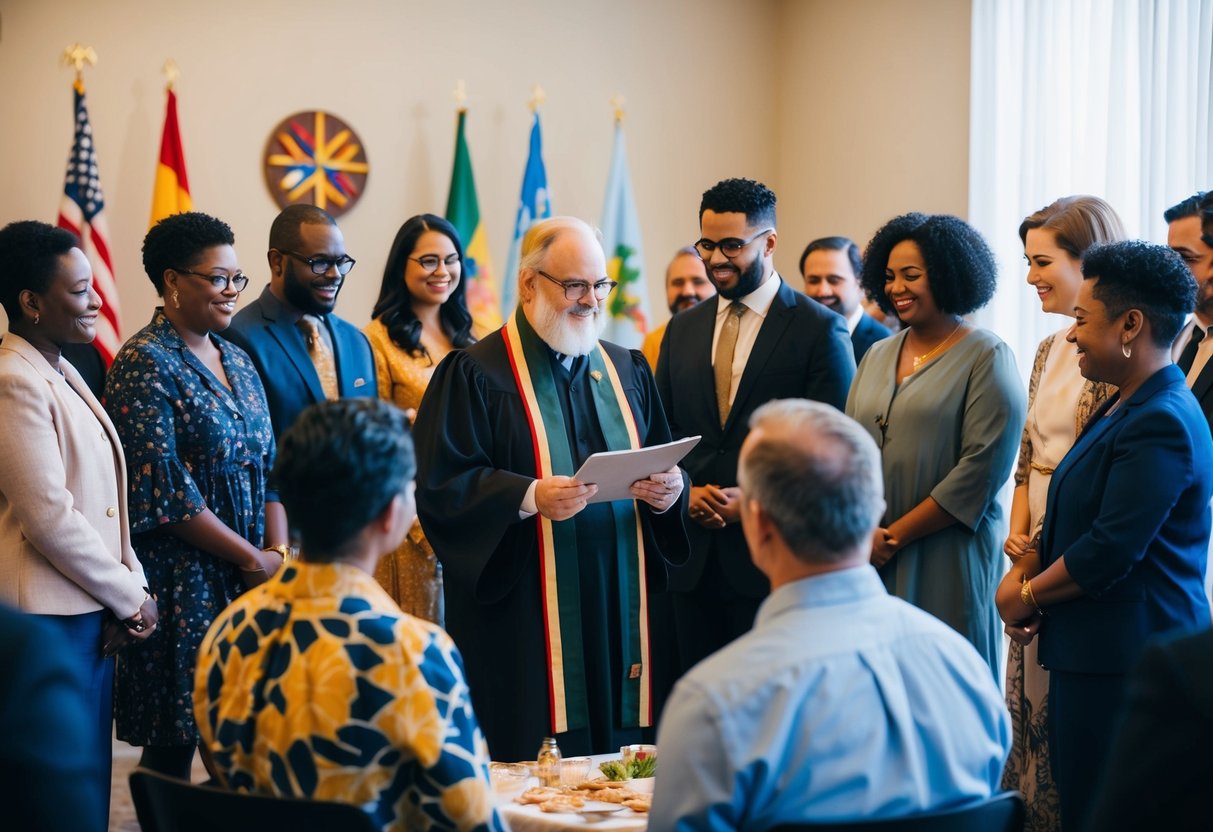
When it comes to becoming a Humanist Celebrant, understanding the legal and cultural aspects is very important. This includes knowing the difference between secular and religious ceremonies, as well as the legal status of humanist rituals.
Secular vs. Religious Ceremonies
Humanist Celebrants focus on secular ceremonies. This means they do not involve traditional religious elements. You can have a personalized, non-religious wedding that reflects your values and beliefs.
This approach is gaining popularity, especially among couples who may not identify with a specific religion. According to the Humanist Society, these ceremonies can symbolize love and commitment without religious connotations.
On the other hand, religious ceremonies often involve specific rituals and doctrines tied to faith. If you seek something unique and tailored, a humanist ceremony allows for greater flexibility and creativity in how you celebrate your union.
Legal Status of Humanist Ceremonies
In many places, Humanist Celebrants can legally perform marriages. This includes states that recognize non-religious officiants under the law. Humanist Celebrants have the same legal rights as religious clergy, which allows them to conduct humanist weddings that adhere to legal requirements.
Organizations like the American Humanist Association support this movement, advocating for equal rights for humanists in various ceremonies. Similarly, the Humanist Society Scotland ensures that humanist ceremonies are legally recognized in Scotland.
You can feel confident knowing that your humanist wedding holds legal validity and reflects your beliefs and values seamlessly.
Skills and Qualities of a Celebrant

To be a successful humanist celebrant, you need a mix of interpersonal skills and the ability to create meaningful ceremonies. These qualities are essential in providing comfort and support during significant life events.
Interpersonal and Ethical Skills
As a celebrant, you must have strong interpersonal skills. You need to connect with people from various backgrounds and perspectives. This connection helps you understand their needs and wishes for a ceremony.
Being a good listener is crucial. It allows you to empathize and gain insight into what families value most.
Ethics also play a significant role in your duties. You need to respect individual differences and avoid any biases. Upholding humanist values means treating everyone with dignity and offering ceremonies that reflect their beliefs and life experiences.
As a lay leader or associate celebrant, your ability to navigate emotions sensitively will be important in creating a supportive atmosphere.
Creating Meaningful Ceremonies
Creating meaningful ceremonies is at the heart of a celebrant’s role. You will develop unique ceremonies that honor important life events. This can include weddings, memorials, and coming-of-age celebrations. Each ceremony should reflect the values and wishes of the people involved.
To achieve this, you should incorporate personal stories and traditions that resonate with families. As an accredited celebrant, you have the training necessary to weave together various elements that make each event special. Drawing from humanist principles, you can craft ceremonies that celebrate love, life, and the individual spirit. Consider asking for input from those involved to ensure everyone feels represented.