
Can Anyone Become a Wedding Registrar? Exploring the Pathway to Celebrating Love
Are you curious about becoming a wedding registrar? Many people wonder if this role is open to anyone. The truth is that while most people can pursue this career, you must meet specific qualifications and requirements.
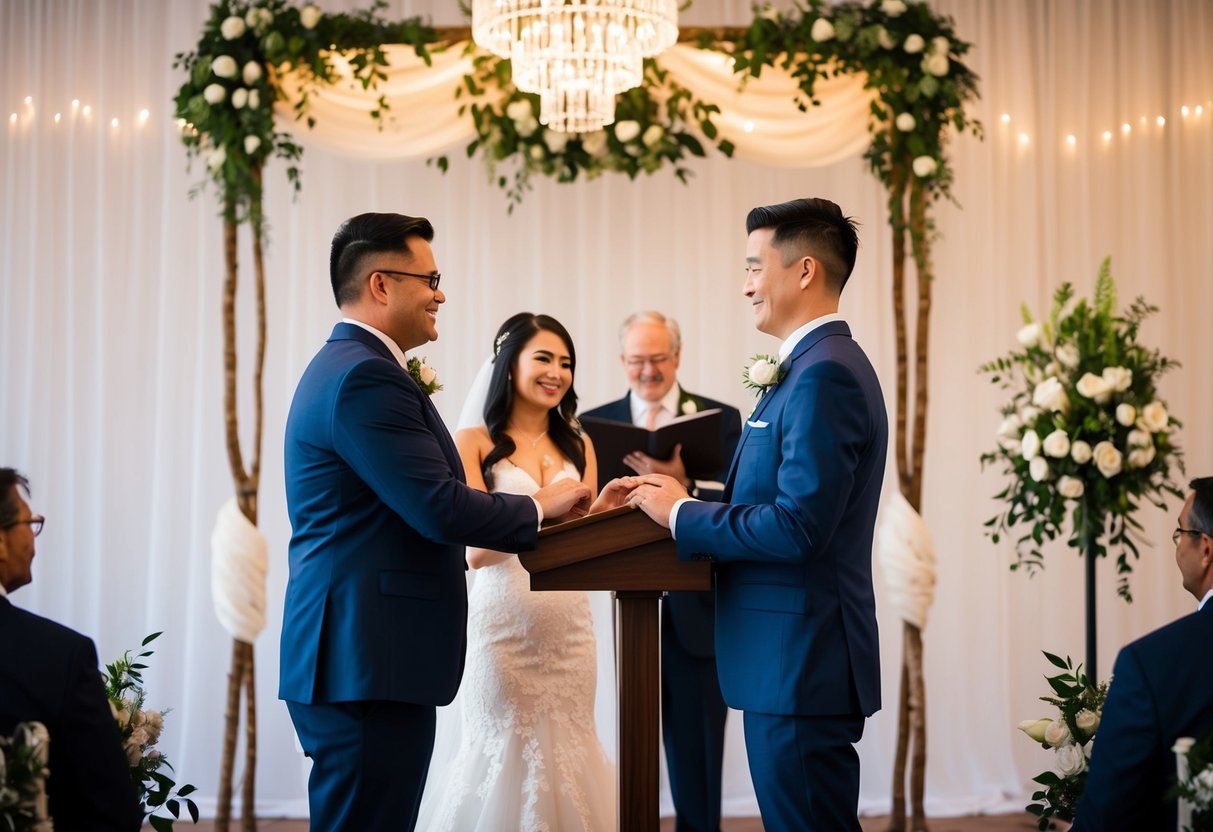
As a wedding registrar, your job involves conducting wedding ceremonies and ensuring that all legal aspects are handled properly. This means you need to be organized, attentive to detail, and comfortable working with couples during their special moments.
If you’re passionate about weddings and helping people celebrate love, this could be a rewarding path for you. Let’s explore what it takes to step into this important role and whether it might be the right fit for you.
Becoming a Wedding Registrar
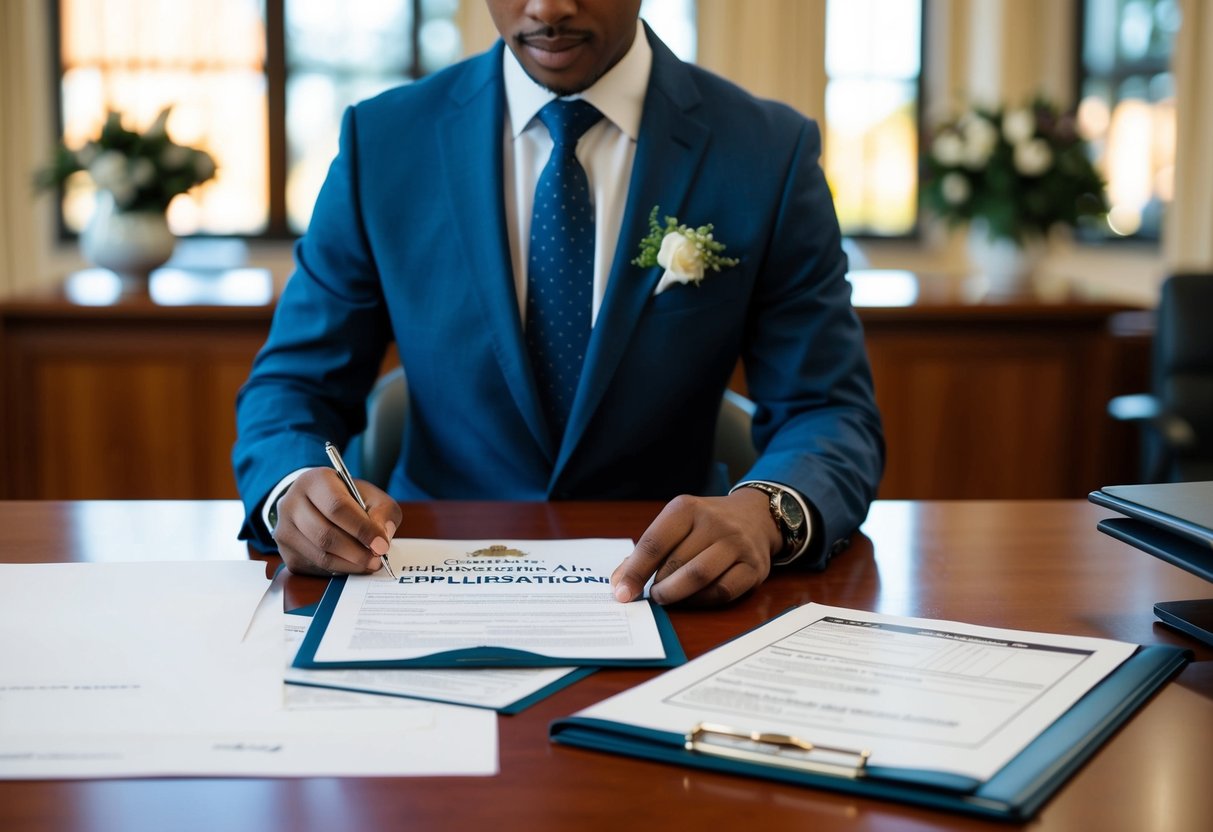
Becoming a wedding registrar involves understanding your role, acquiring the right qualifications, and meeting specific entry requirements. This career allows you to play an important part in significant life events, such as weddings and civil partnerships.
Understanding the Role
As a wedding registrar, you are responsible for officiating weddings and civil partnerships. This means you will conduct ceremonies, ensuring they follow local laws and regulations. You work closely with couples to ensure their special day goes smoothly.
You will also collect and record necessary information, like marriage certificates and paperwork for the local council. Good communication skills are essential, as you’ll need to interact with couples and their families with empathy and professionalism.
Essential Qualifications and Skills
To become a wedding registrar, you typically need a background in public service. Many registrars have experience in customer service or administrative roles. It’s beneficial to have strong verbal communication skills because you will speak in front of groups.
You should also possess empathy and tact, as you will be dealing with emotional moments for many couples. Being organized is crucial since you’ll manage different ceremonies and the required documentation. Interpersonal skills play a key role in creating a welcoming atmosphere for couples.
Entry Requirements and On-the-Job Training
Entry requirements for wedding registrars vary by local council. Generally, you may need a relevant qualification or experience in administration, social work, or another public service field. Some councils may have specific requirements based on local legislation.
On-the-job training is common in this role. You will learn about local regulations and the ceremony process. The training often includes shadowing experienced registrars. This hands-on approach helps you get comfortable with your responsibilities and develop the necessary skills to perform weddings and civil ceremonies effectively.
Registration Law and Career Details
Understanding the legal framework is essential for anyone considering a career as a wedding registrar. This section covers key legislation and what you can expect in your career journey.
Relevant Legislation
In the UK, the Civil Registration Act of 1837 is a fundamental law governing births, deaths, marriages, and civil partnerships. This law mandates that all such events must be officially recorded.
As a registrar, you will need to familiarize yourself with marriage laws and various legal requirements. For instance, you must confirm that both parties meet the legal age and have the right to marry.
Other important legislation includes the Marriage Act 1836, which outlines procedures for ceremonies. This legal framework ensures that registrars adhere to established protocols, maintaining the integrity of civil registration.
Career Progression and Responsibilities
Starting as a registrar usually involves training and working under a more experienced professional, such as an assistant registrar or deputy registrar. Your primary responsibilities will include registering marriages, issuing marriage certificates, and providing guidance on the legal requirements.
In your role, you will engage with couples to ensure they understand the process. Weekend and evening work may be necessary since ceremonies often occur outside standard hours.
Career progression can lead to senior roles, where you may oversee multiple registrars or manage a registration office. The work is meaningful, helping families celebrate significant life events while ensuring compliance with the law.
Administrative and Communication Excellence

Being a wedding registrar requires strong administrative and communication skills. You must efficiently manage your time and organization. Additionally, excellent customer service and the ability to communicate well are essential for success in this role.
Organisational and Time Management Skills
As a wedding registrar, your organisational skills are crucial. You manage schedules for ceremonies and appointments. Keeping accurate records is vital for the smooth operation of your duties.
- Create a filing system to track documents easily.
- Use calendars and reminders to stay on top of important dates.
Effective time management ensures that you meet all deadlines. You will often juggle multiple tasks, so prioritize effectively. Use to-do lists to manage your daily responsibilities. Completing tasks efficiently allows for seamless service to couples on their special day.
Improving Customer Service and Interpersonal Skills
Providing excellent customer service is key. You interact with couples and their families, making them feel comfortable and cared for. Good interpersonal skills help you build rapport and create a positive atmosphere.
- Actively listen to clients and address their concerns.
- Be patient and respectful, especially during emotional moments.
Display a friendly demeanor to help couples feel supported. Training in communication skills can enhance your ability to connect with others. Consider workshops or courses focused on customer service excellence to improve these skills.
Interviewing Parents for Birth Registration
When interviewing parents for birth registration, you’ll rely on communication and empathy. Understand the requirements of registration law to ensure a smooth process.
- Prepare questions beforehand to gather all necessary information.
- Create a welcoming environment to make parents feel at ease.
This helps the parents share their details without feeling rushed. Clarity in your questions is essential. Use concise language to avoid confusion. This creates a trusting relationship and ensures accurate registration of their child.
Certification and Official Documents
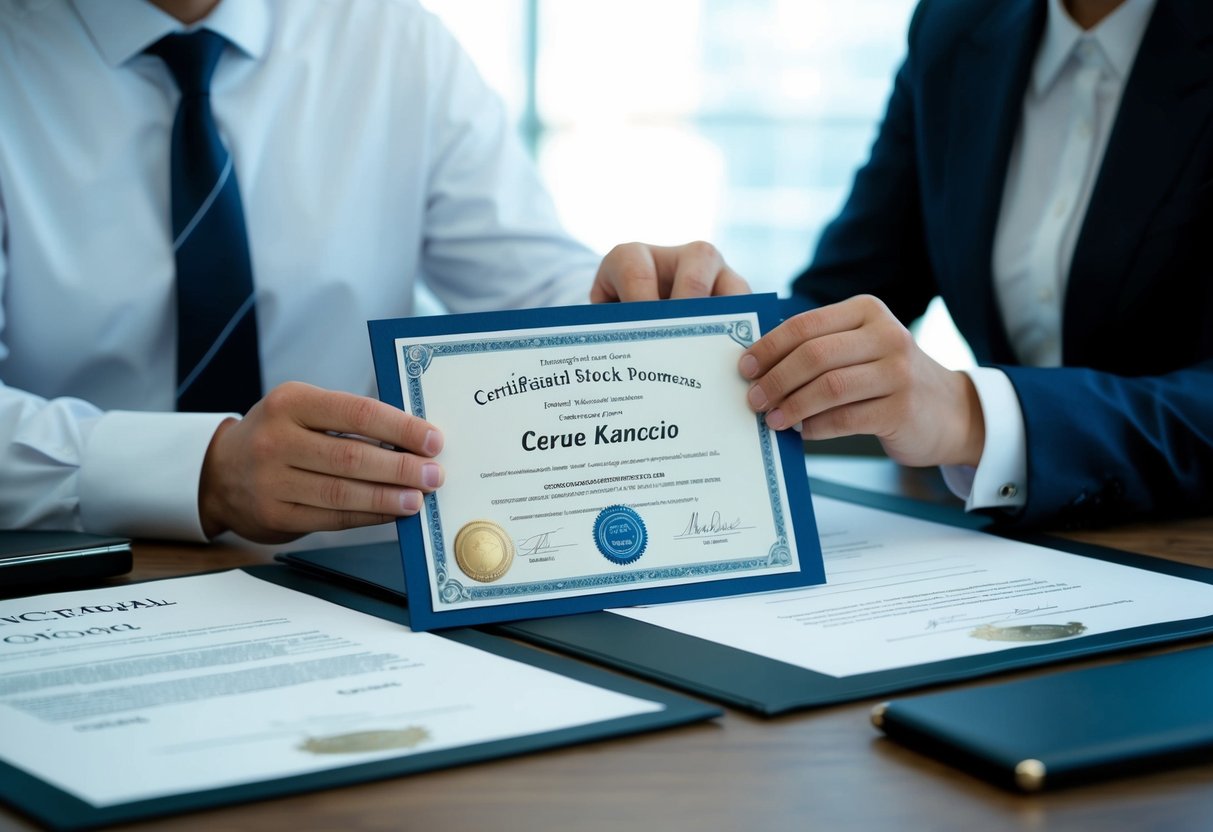
As a wedding registrar, you handle important tasks involving official documents. These include issuing marriage and birth certificates, as well as informing authorities about deaths and citizenship status. Understanding these responsibilities is crucial for your role.
Issuing Marriage and Birth Certificates
When you officiate a wedding, one of your key tasks is to issue the marriage certificate. This document legally recognizes the union between the couple. You will need to ensure that all the necessary information is accurately filled out and submitted to the appropriate local government office.
Birth certificates are also significant. You may be involved in registering births and issuing these certificates. This process requires collecting vital information, such as the baby’s name, date of birth, and parents’ details. Accuracy is crucial, as this document is often required for various legal purposes.
Informing Authorities of Deaths and Citizenship
As a registrar, you play a role in informing authorities about deaths. You must ensure that you notify a coroner in cases that require investigation. This includes providing the necessary documentation and details surrounding the death.
In addition, you may assist with citizenship matters. This can involve verifying birth records or other documents that prove someone’s identity and status.
Your work helps ensure that individuals have the necessary proof of citizenship. This is important for accessing services and rights within the community.