
Can Anyone Get Married in a Church UK? Exploring Eligibility and Requirements
Getting married in a church in the UK can be a dream come true for many couples. Anyone, regardless of their beliefs or church attendance, can marry in a church. The Church of England has certain guidelines, but generally, it focuses on the legal connections you and your partner might have to a specific church.
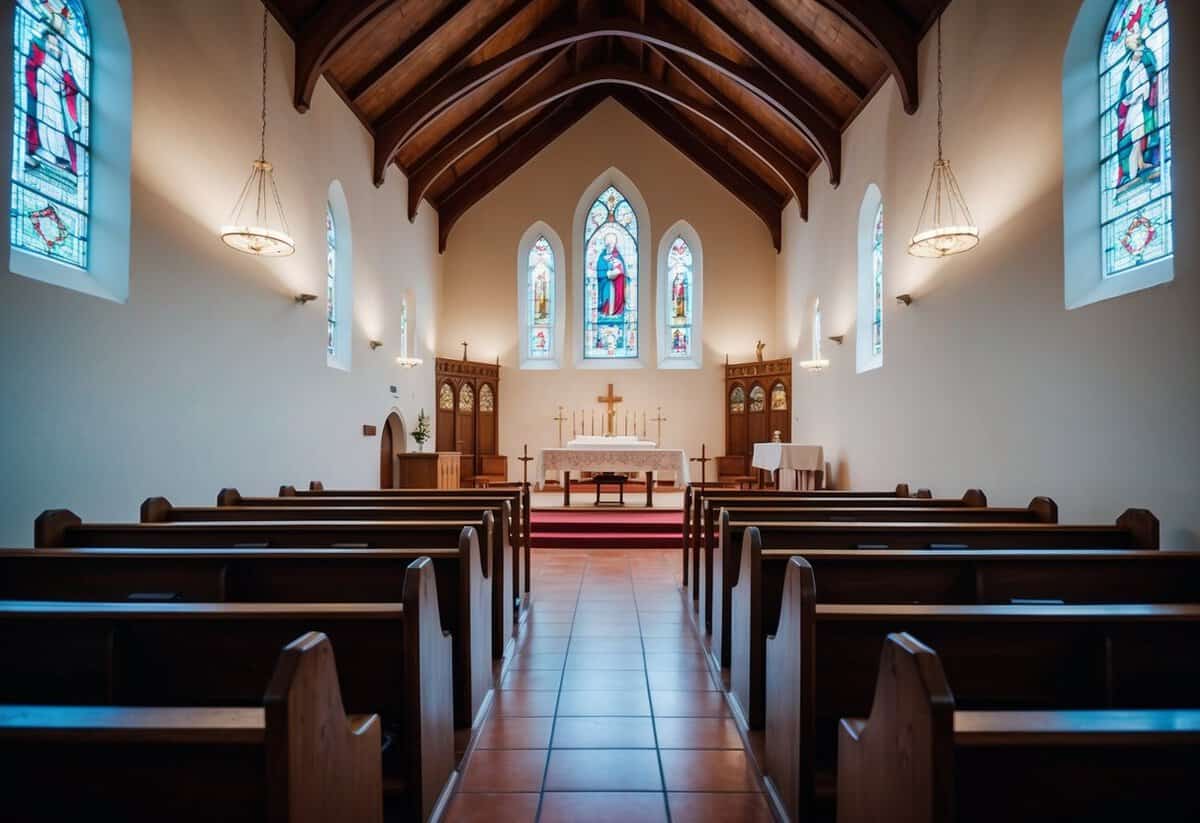
If you’re considering a church wedding, there are a few important factors to keep in mind. Your age and marital status matter, as you both need to be legally able to marry. Also, there are specific requirements that may apply if you wish to marry in a church that isn’t local to you. Understanding these details will help you smoothly navigate the process of securing your marriage and the special legal status that comes with it.
As you explore the options, talking to the vicar at your chosen church is a good step. They can provide guidance and clarify what you need to do to make your church wedding a reality. This journey marks the beginning of a new chapter together, so it’s worth it to learn all you can!
Eligibility for Church Weddings in the UK
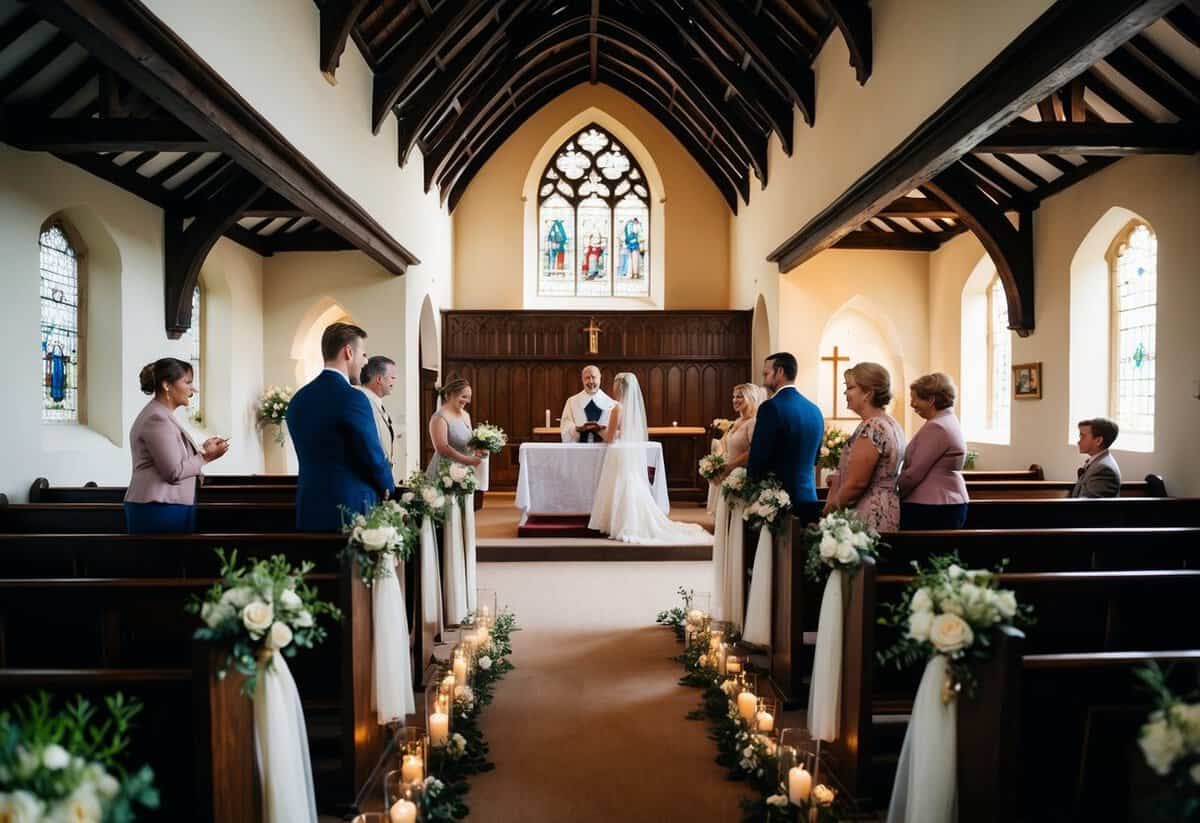
Getting married in a church in the UK involves certain requirements. Your connection to a church, your marital history, and your relationship status all play important roles. Here’s what you need to know.
Qualifying Connections and Parish Membership
To marry in a church, you typically need a qualifying connection to that church or parish. This can mean you live in the parish, were baptized there, or have a parent who was a member.
You can even get married in a church where you don’t live if you meet specific criteria. You must discuss your connection with the vicar, who can guide you based on church law. It’s common for couples to have special ties to their local parish, making the process more personal.
Considerations for Divorced Individuals
If you are divorced, you can still get married in a church, but it might depend on the church’s views. Many churches in the UK allow remarriage after divorce.
However, some conditions may apply. For example, if your previous partner is still living, the vicar will likely need to meet with you to discuss your situation. This conversation will help determine the best path forward for your wedding.
Same-Sex Couples and Church Law
Same-sex couples may face different rules when it comes to getting married in church. Many religious venues can host same-sex weddings if the organization allows it.
However, the Church of England does not currently permit same-sex marriages. It’s essential to speak with your chosen church leaders to confirm their policies. This step is critical for ensuring your marriage aligns with both your beliefs and those of the church.
Requirements for Foreign Nationals
Foreign nationals looking to marry in a UK church should be aware of unique requirements. You will typically need to provide documents like your passport and proof of residence.
It’s also a good idea to check if your home country has specific requirements regarding international marriages. Discussing your plans with the vicar is essential, as they can guide you through any additional regulations needed for your special day.
Legal and Religious Procedures
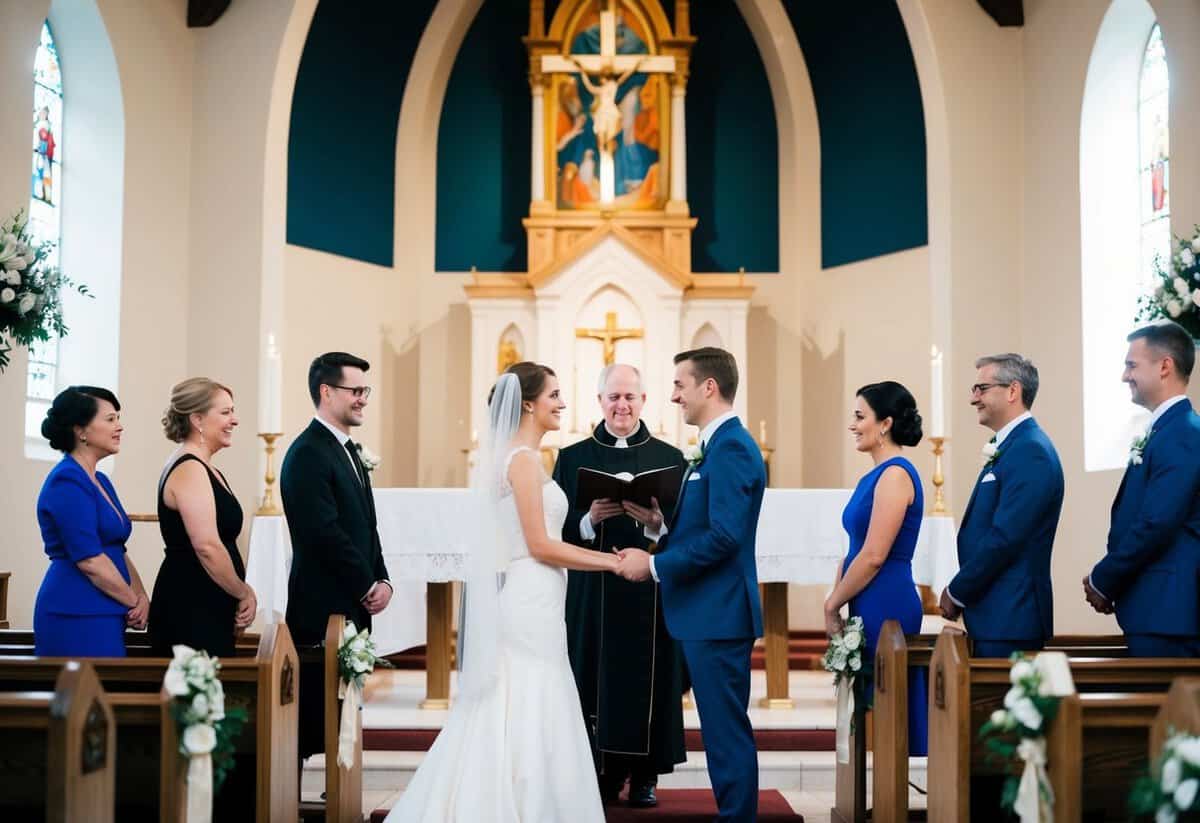
When planning to marry in a church in the UK, it’s important to understand the legal and religious steps needed. You will need to pay attention to specific requirements like banns, licenses, and any rules surrounding marriage after divorce.
Banns of Marriage and Licences
To get married in a church, you often need to confirm your intention through banns. Banns are announcements made in the church for three consecutive Sundays before your wedding. This allows anyone to raise concerns about the marriage.
If you don’t meet the requirements for banns, you may need a marriage license. There are different types: a common license allows more freedom in choosing your wedding date, while a special license can be used for unique circumstances. You can obtain these from a superintendent registrar.
Civil Legal Requirements
Besides religious procedures, you must comply with civil requirements. Regardless of the venue, all couples need to ensure their marriage is legally recognized. For a church wedding, you’ll typically need to give notice at your local registry office.
This notice is part of a marriage schedule that includes details about each partner. You must present valid identification and proof of residency. Be aware that there’s often a waiting period after giving notice before you can marry, so plan accordingly.
Marriage Following Divorce
If you’re planning to marry after a divorce, there are additional steps you must follow. Make sure your previous marriage has been legally ended. You’ll need the final decree absolute from your divorce.
After securing this, inform your vicar or priest. They may ask for documentation to confirm your divorce before proceeding with your wedding. Some churches can have specific policies regarding marrying someone who has been divorced, so it’s best to check ahead.
Planning the Church Wedding Ceremony
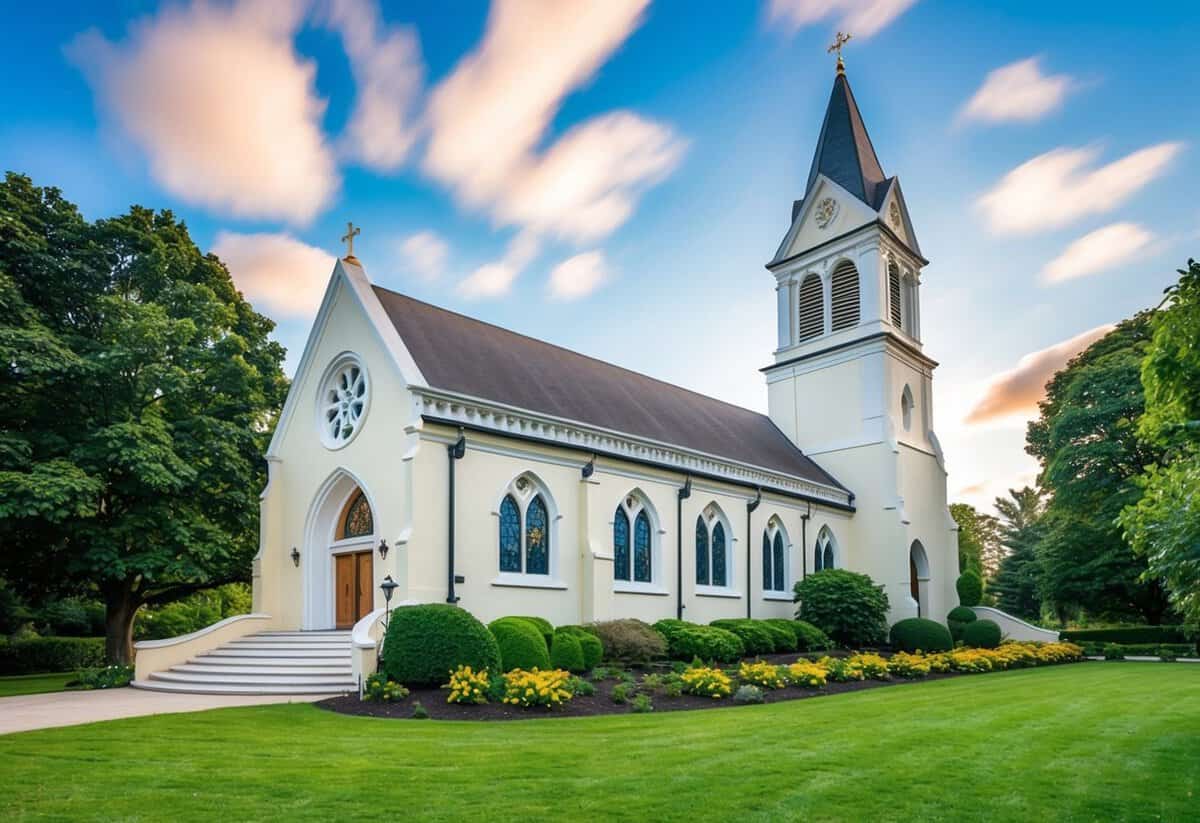
When planning your church wedding ceremony, understanding the roles and requirements is crucial. You’ll work closely with the parish priest or vicar, navigate the marriage preparation courses, and choose the right venue to make your day special.
Role of the Parish Priest and Vicar
The parish priest or vicar plays a vital role in your wedding. They are responsible for conducting the wedding service and ensuring it meets all church guidelines. You’ll discuss your wedding plans with them, which may include your vows, readings, and any special prayers you wish to include.
This is also a time to ask questions. Feel free to talk about your faith and discuss how the church can support your marriage. Building a good relationship with your priest or vicar can help personalize your service.
Conducting Marriage Preparation Courses
Marriage preparation courses are essential for couples planning a church wedding. These courses help you understand the commitment you are making and cover important topics such as communication and conflict resolution.
Typically led by the parish priest or trained facilitators, these courses can last a few sessions and include discussions, activities, and reflections. The goal is to prepare you for a healthy, lasting marriage and to deepen your understanding of the spiritual aspects of your union.
Selecting a Suitable Wedding Venue
Choosing the right venue is an important step in your wedding planning. If you want to marry in a church, start by considering your local parish church. You might be eligible if either of you is on the electoral roll there.
Discuss with your priest if you have specific preferences in mind. Factors to consider include the church’s size, location, and available facilities. Make sure the venue can accommodate your guests while maintaining a welcoming atmosphere for your wedding service.
Financial Considerations and Support
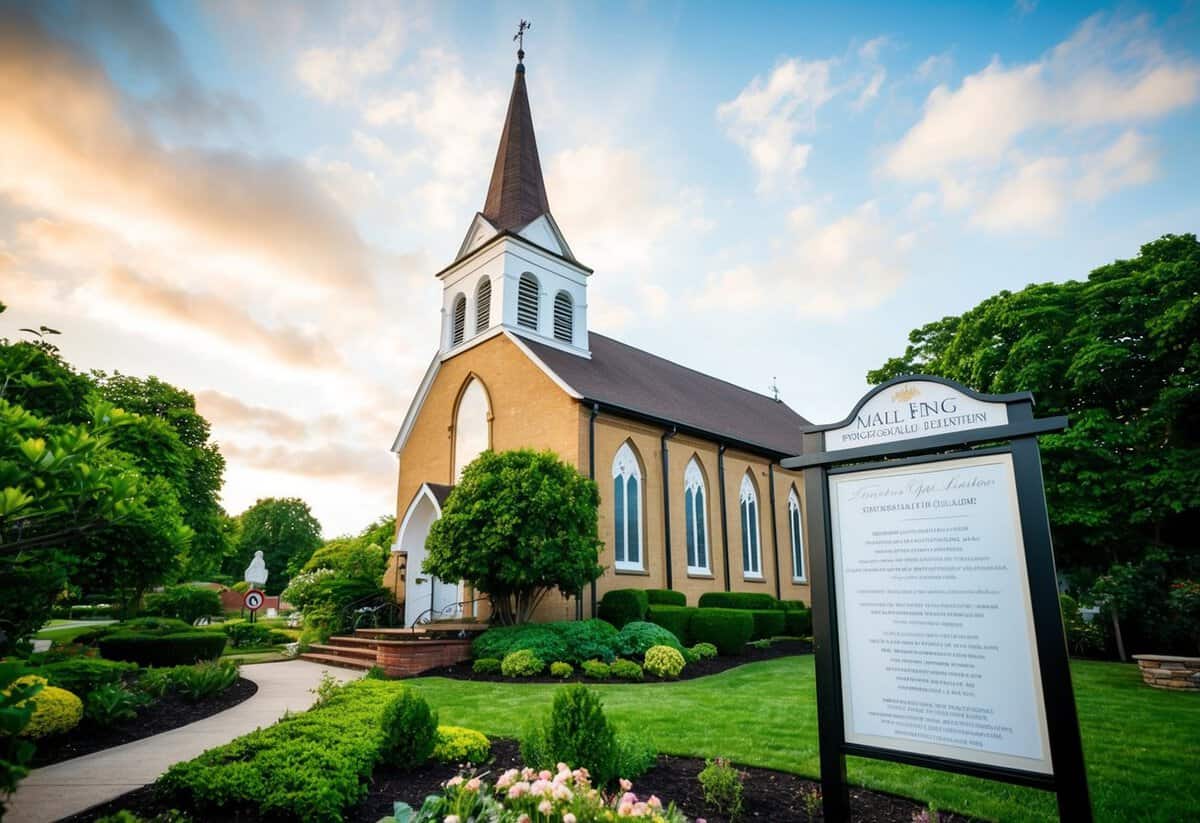
When planning your church wedding, understanding the costs involved and finding support from your local parish can make the process smoother. You’ll want to consider both the financial aspects and how your church community can help along the way.
Understanding Church Wedding Costs
Church wedding costs can vary significantly based on location and the specific church. Generally, you might expect fees around £500 to £675. This amount typically covers the marriage service, the vicar’s fee, and the use of the church space.
Here’s a quick breakdown of potential expenses:
- Marriage service in church: £531
- Publication of banns in your church: £36
- Publication of banns in different parishes: £36 each
If you live in separate areas, this can increase. Be aware that additional costs may arise for extras like decorations or music. Always check with your local church for a detailed quote.
Finding Support within the Local Parish
Your local parish can be a valuable resource when planning your wedding. Many churches offer marriage preparation courses that help you understand the commitment you’re making. These courses often provide guidance and support at an affordable cost or for free.
Don’t hesitate to reach out to your local church for financial assistance if needed. Some parishes offer subsidies or can help you explore options for a lower-cost wedding. Building a relationship with your parish priest can also lead to more personalized support during the planning process.
Embrace the opportunity to connect with your community as you prepare for this significant step in your life.