
Can Anyone Lead a Wedding Ceremony? Understanding Your Options for Personalizing the Big Day
Have you ever wondered if anyone can lead a wedding ceremony? The good news is that many people can officiate your special day, from friends to professional celebrants. This flexibility allows couples to choose someone who truly understands their relationship and vision for the ceremony.
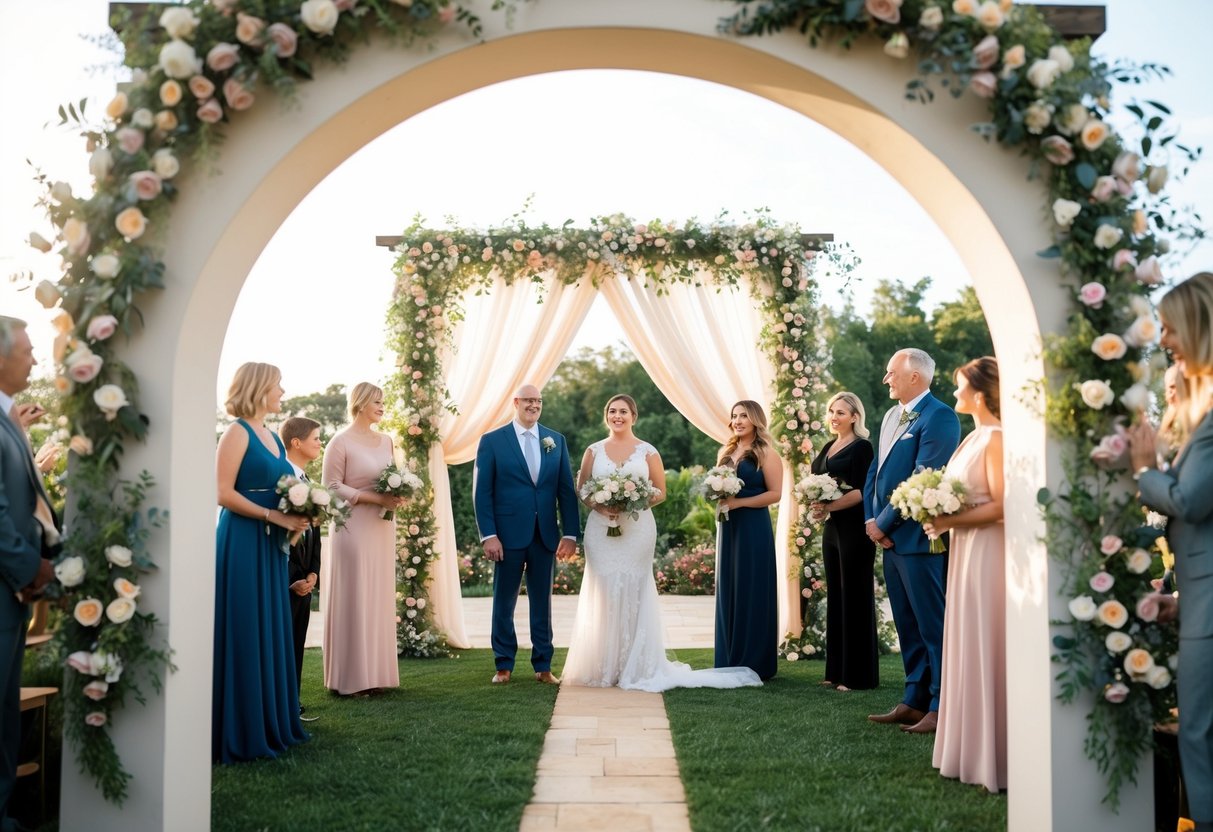
In different states, the rules about who can marry couples vary, so it’s essential to check local laws. Whether your friend is ordained online or your family member has compelling stories to share, your options are broad and exciting. You can create a personal touch that makes your wedding unique.
As you plan your ceremony, consider who will best represent your love and commitment. The right officiant can make all the difference in creating memorable moments that you and your guests will cherish.
Who Can Legally Officiate a Wedding?
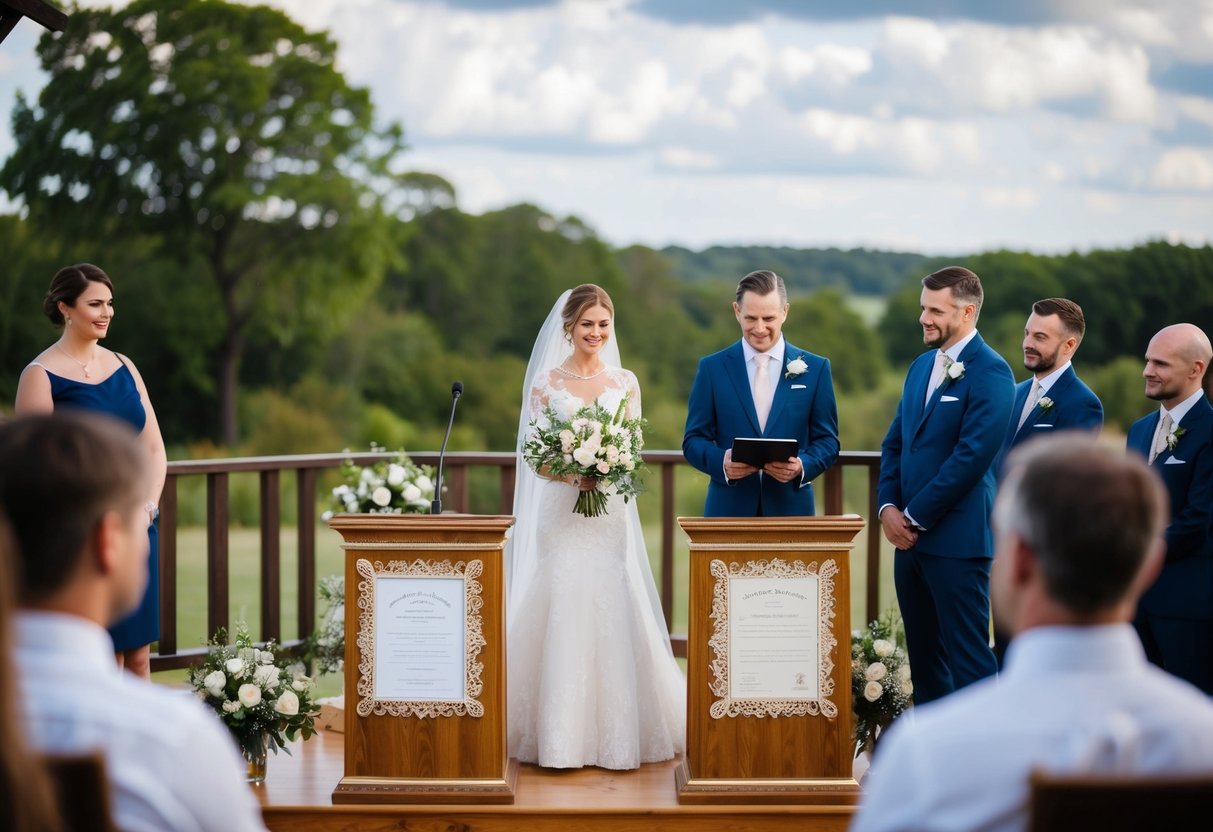
When planning your wedding, it’s essential to know who can legally officiate the ceremony. The rules about officiants can vary by state or country. Understanding these regulations can help you choose the right person to make your marriage official.
Understanding Marriage Laws
Marriage laws differ significantly depending on where you live. Each state or country has its own legal requirements for who can officiate a wedding. Generally, the officiants must meet certain criteria.
Most places recognize ordained ministers, judges, and some civil officials. In some areas, even friends or family members can officiate weddings if they meet specific qualifications. Always check local laws to ensure compliance with legal requirements for your marriage ceremony to be valid.
Qualifications for Religious Officiants
Religious officiants, like ordained ministers, play a vital role in many wedding ceremonies. To qualify, these individuals usually need formal ordination through a recognized religious organization.
Different denominations may have additional requirements, so it’s best to confirm these details. For instance, some religions require specific training or a license. You can easily find ordained ministers through local churches or even online services that offer to ordain individuals for officiating weddings.
Role of Civil Officiants
Civil officiants, such as judges and justices of the peace, offer a legal way to solemnize marriages. These individuals are licensed to perform weddings and often oversee civil ceremonies.
In many jurisdictions, anyone can contact a local courthouse to schedule a ceremony. It’s a straightforward process, often requiring a marriage license. You should know that civil officiants often focus on the legal aspects of marriage, so the ceremony might be shorter and less personalized than one led by a religious officiant.
Notaries and Judges
Notaries and judges can also officiate weddings, depending on local laws. In some states, notaries may have legal authority to solemnize marriage.
However, this is not universal, so it’s essential to check whether this applies in your area. Judges and magistrates have the broadest authority when it comes to officiating weddings. Most have the power to conduct both civil and religious ceremonies, giving you flexibility in choosing the type of service you want.
The Process of Ordination and Appointment
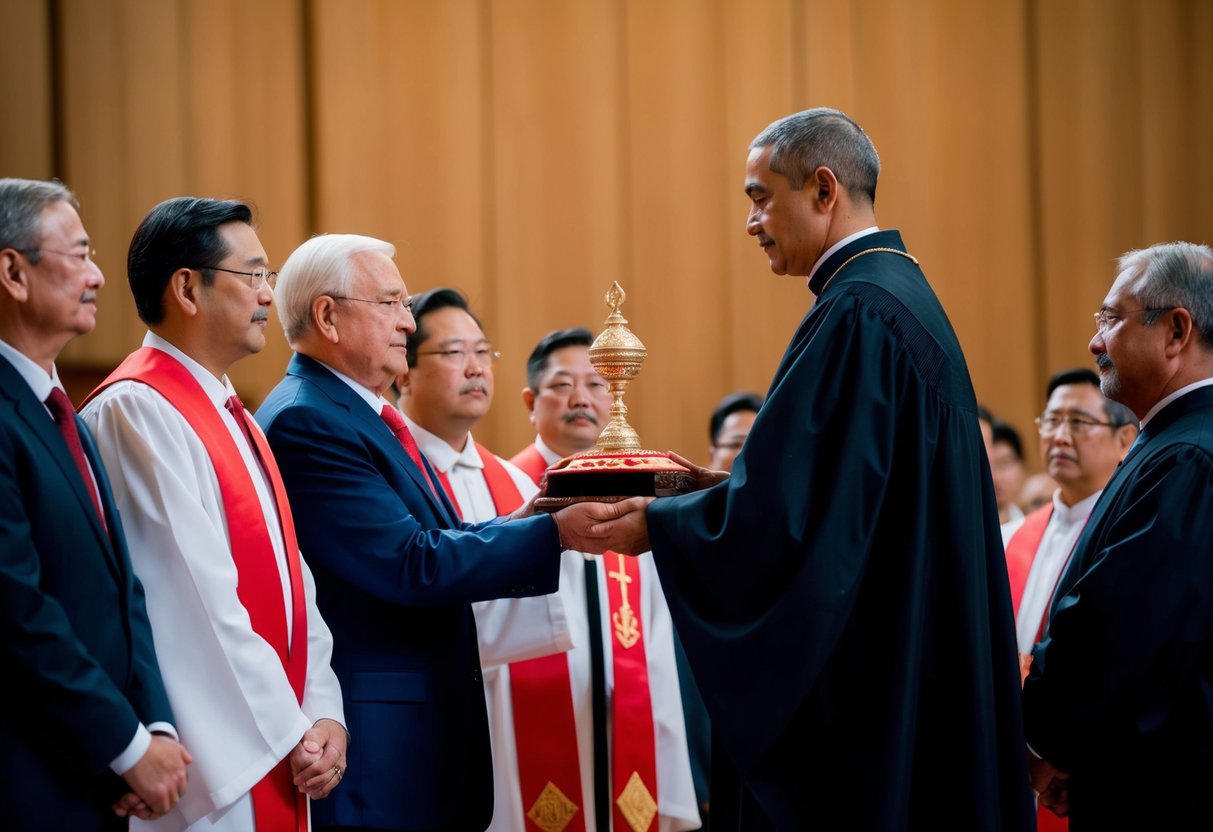
When considering who can lead a wedding ceremony, understanding ordination and appointment is crucial. This section looks at how family and friends can officiate, the credentials needed for professional officiants, how to obtain an ordination certificate, and the role of online ordination platforms.
Ordination for Family and Friends
If you want a family member or a close friend to officiate your wedding, they must be ordained. This process is usually simple and can often be done online. Many people choose to be ordained through organizations like American Marriage Ministries.
Ordination gives your chosen officiant the legal authority to perform the ceremony. After ordination, they may need proof of ordination to register with local authorities. This might include a certificate or a letter of good standing from the ordaining organization.
Professional Officiant Credentials
Hiring a professional officiant can provide experience and ease to your ceremony. These officiants usually hold minister credentials and are well-versed in conducting various wedding styles. They often have training in creating personalized ceremonies.
Professional officiants may also need to register with your state. This ensures they are legally allowed to perform weddings. Make sure to ask about their experience, and check if they have positive testimonials from previous couples.
Obtaining an Ordination Certificate
Once someone is ordained, obtaining an ordination certificate is essential. This certificate serves as proof of their authority to officiate the wedding. Many online ordination programs provide this certificate upon completion of the ordination process.
Be sure to keep this certificate safe and in a visible place. Your officiant may need to present it during the wedding or when registering the marriage afterward. Always verify that the certificate is valid in your state.
Online Ordination Platforms
Online ordination platforms are increasingly popular. They offer quick and easy ways to become ordained. Websites like American Marriage Ministries and others guide you through the process step-by-step.
These platforms usually do not charge high fees, making ordination accessible. You can often complete the ordination in just a few minutes. Be sure to check the specific laws in your area, as some states may have additional requirements for online ordination.
Preparing to Officiate a Wedding
Before you officiate a wedding, it’s important to prepare thoroughly. You need to craft a ceremony script, understand your responsibilities, and feel confident in your public speaking skills. Let’s explore these areas in detail.
Creating a Meaningful Ceremony Script
Your ceremony script is the heart of the event. It should reflect the couple’s personalities and love story. Start by gathering information about their journey together. You can ask questions about how they met, special moments, and what love means to them.
Include essential elements like the opening, vows, and the pronouncement of marriage. Make the script personal by adding anecdotes that resonate with the couple. You can also include readings or cultural traditions that the couple values. Be sure the language is clear and heartfelt, as this will set the right tone for the ceremony.
Understanding the Responsibilities
As the officiant, you have important responsibilities. You ensure that all legal requirements are met, which may include checking for necessary permits or marriage licenses. Research your state’s rules about officiating a wedding because they can vary.
During the ceremony, you will lead the couple through the process. This includes guiding them through their vows and any other rituals they’ve chosen. Make sure you are well-prepared to conduct the ceremony smoothly. Your role is to create an environment where the couple and their guests feel comfortable and connected.
Public Speaking and Presentation
Public speaking can seem daunting, but with practice, you can do it well. Focus on speaking clearly and at a comfortable pace. Practicing your delivery can help you gain confidence.
Remember, body language matters too. Stand tall, make eye contact, and smile to connect with the audience. If nerves hit, take a deep breath and pause before continuing. It’s okay to refer to your script if needed. Make the couple feel supported as you guide them through their special moment.
Finalizing the Marriage
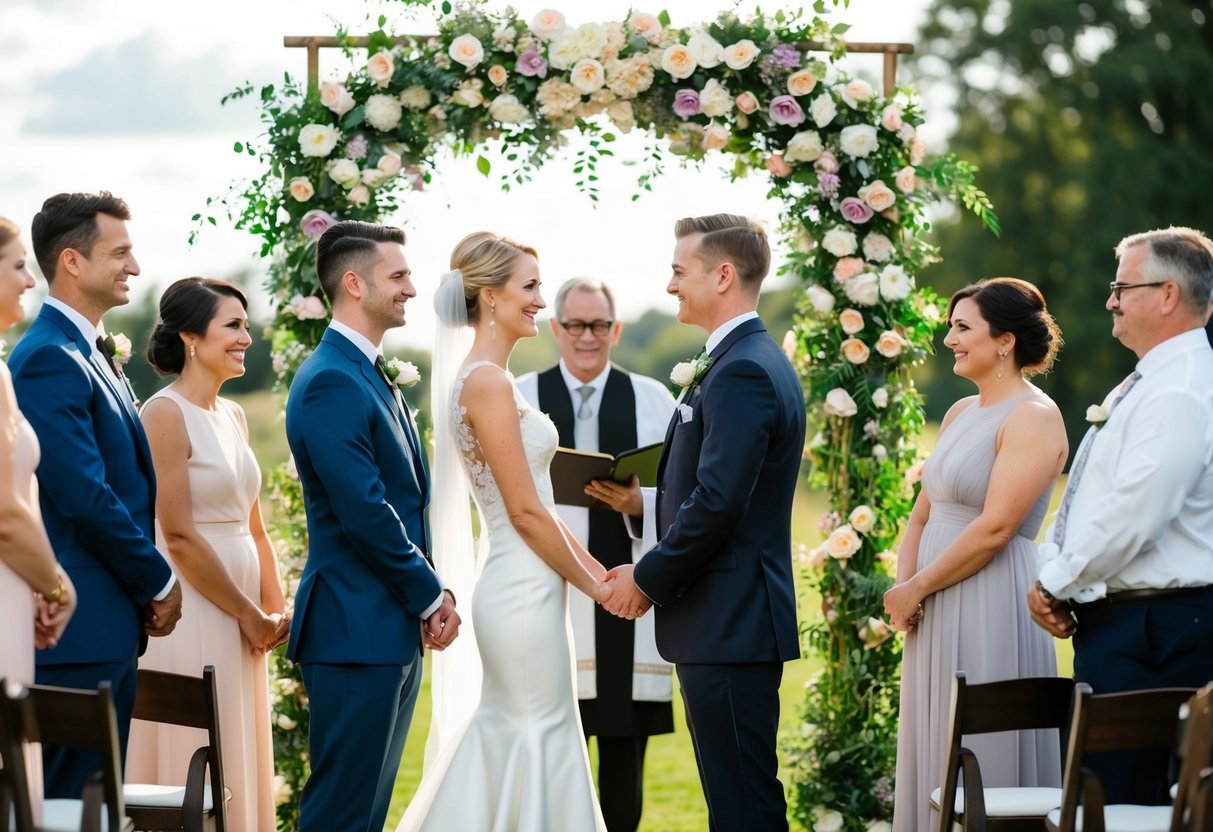
After the ceremony, it’s important to make sure everything is completed legally. Finalizing the marriage involves a few key steps, such as signing the marriage license, filing it with the appropriate office, and understanding any waiting periods specific to your state.
Signing the Marriage License
The marriage license is a legal document, so signing it is crucial. After the ceremony, you, your partner, and the officiant must sign the license.
Make sure the information is correct. This step usually happens right after the ceremony.
Once signed, two witnesses aged 16 or older must also sign. Check your state’s rules because some locations might have different requirements for witnesses.
Filing and Legal Follow-up
After signing, the marriage license doesn’t become official until it is filed. The officiant typically takes care of this.
In most states, the license must be filed within a certain period, often between 5 to 30 days after the ceremony.
Once filed, you will receive a marriage certificate, which serves as proof of your legal marriage. Keeping multiple copies is a good idea, as you might need them for name changes or legal matters later.
Addressing the Waiting Period
Some states have a waiting period before you can legally become married.
This means you might need to wait a certain number of days after applying for your marriage license before the ceremony can happen.
Not all states have a waiting period, so it’s essential to check the local laws.
Knowing this information helps in planning your wedding day efficiently, allowing you to celebrate your special moment without any legal hiccups.