
Can Anyone Officiate a Wedding in the UK? Understanding the Rules and Requirements
Planning a wedding can be exciting, but there are many details to consider. One important question you might have is whether anyone can officiate your ceremony in the UK. The answer is that only certain individuals can perform a legally binding wedding ceremony.
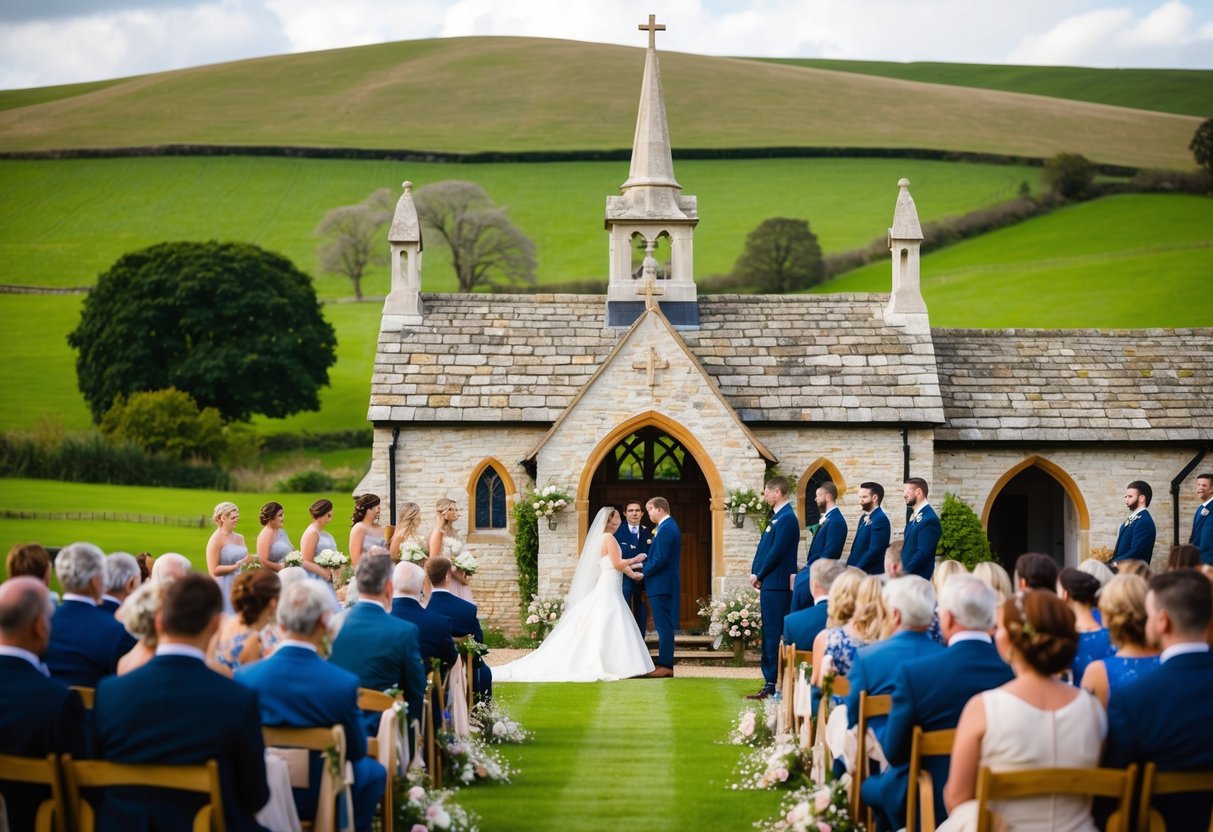
While it may seem like anyone could take on this role, the law states that officiants must be officially ordained or registered with local authorities. This means your friend or family member can lead a non-legally binding ceremony, but for the marriage to be official, it must be done by a licensed individual.
If you’re interested in a personal touch for your big day, there are ways to combine the legal requirements with heartfelt elements. You can have a registrant handle the legal part while still incorporating a unique ceremony with those closest to you.
Legal Requirements to Officiate a Wedding
When planning your wedding, understanding the legal requirements for officiating is crucial. Different roles and religious backgrounds have specific guidelines to follow. Here’s a breakdown of who can legally officiate a wedding in the UK.
Designated Registrar Roles
To have a legally binding wedding ceremony, a designated registrar must be present. Registrars are appointed by local authorities and can conduct civil ceremonies.
Before the wedding, you need to give notice of your intention to marry to your local registrar. The notice must be given at least 28 days before your wedding. Both partners must be present and provide identification, such as a passport or birth certificate.
This official role validates the marriage, ensuring it is recognized under UK law. You can find more information about registrars at your local council offices.
Church of England and Anglican Ceremonies
If you choose a religious ceremony, a licensed member of the Church of England or an Anglican priest can officiate your wedding. These officiants must be authorized by the church to conduct weddings.
You will need to meet your chosen church’s requirements, which may include an ordination request form or certain theological training. The ceremony must take place in a registered church building. This ensures that your marriage is both religiously and legally binding.
Civil Ceremonies and Registered Authorities
Civil ceremonies are a popular choice for many couples. These ceremonies must be officiated by a registrar or someone authorized by the local authority.
Couples can choose a venue that is licensed for civil ceremonies, such as a hotel or community center. Unlike religious ceremonies, civil ceremonies are non-religious. However, the legal status remains the same. You will still need to give notice and ensure that both partners meet the necessary legal criteria.
Other Religious Ceremonies
For other faiths, like Catholic, Jewish, or Quaker ceremonies, specific rules apply. A priest, rabbi, or Quaker leader can officiate, but they must be recognized by their religious bodies.
You may need to provide proof of your vicar’s or rabbi’s authority to officiate. Each religious institution has its own requirements, which often include pre-marital counseling or classes.
Make sure to check with your chosen religious leader to understand what documentation or prior steps are needed to validate your marriage under their guidance.
Alternative Officiating Options
When exploring ways to officiate your wedding in the UK, there are several alternative options that might fit your needs. These choices can provide a unique touch, allowing you to personalize your ceremony in ways that resonate with you.
Humanist and Personalized Ceremonies
Humanist ceremonies offer a non-religious approach to weddings. A humanist celebrant focuses on the couple and their relationship, ensuring the ceremony reflects your values and beliefs. This option allows for significant personalization, with the wedding celebrant creating a custom script that captures your love story.
You can include special readings, songs, or rituals that matter to you. While these ceremonies are meaningful, remember that they are non-legally binding. You may need to complete a civil ceremony afterward to make your marriage legal. Many couples find that the emotional significance of a humanist wedding outweighs the legal formalities.
Friends and Family as Celebrants
Having a friend or family member officiate your wedding can add a warm and personal touch. While an unordained individual cannot legally officiate without proper credentials, they can lead a non-legally binding ceremony.
You can arrange a civil ceremony at a registry office before the wedding day. This way, your loved one can still conduct the ceremony, making it special and memorable. To prepare, you can work together to create a personal wedding ceremony script that reflects your personalities. This can strengthen the bond between you and your officiant, creating lasting memories.
Online Ordinations and Universal Life Church
Online ordinations are a convenient option for couples looking to have a friend or family member officiate legally. Organizations like the Universal Life Church offer simple online ordination packages.
After completing the process, your chosen person can legally officiate your wedding in the UK. This is a great way for those without a traditional minister or celebrant background to take on this meaningful role.
Be sure to check local regulations, as requirements can vary. Additionally, some may offer a diploma in celebrancy, enhancing their skills in crafting a personalized ceremony that reflects your vision for the day.
The Process of Becoming an Officiant
If you’re interested in officiating a wedding, it’s essential to know the process involved. There are different paths, depending on whether you want to be a religious officiant or a civil one. Here’s what you need to know.
Ordination through Religious Institutions
To officiate a wedding religiously, you may choose to become ordained through a specific religious institution. Many churches or faith groups offer ordination packages.
The process usually requires you to fill out an ordination request form and may involve some form of training or evaluation. Once ordained, you can conduct religious ceremonies, and your ordination will often be recognized nationwide. Many couples appreciate the personal touch of having someone who shares their faith officiate their special day.
Training for Civil Officiants
If you prefer to officiate civil ceremonies, you’ll need to become a registered celebrant or civil officiant. The local regulations in your area determine the requirements.
Typically, you need to complete a training program that covers the legal aspects of marriage in the UK. Many training providers offer courses designed for prospective wedding officiants.
Once you complete the training, you should register with the local authorities. Only certified registrars or civil officiants can legally conduct marriages in designated venues.