
Can Flowers Last 3 Weeks? Tips for Keeping Your Blooms Fresh
If you love having fresh flowers in your home, you may wonder, can flowers last 3 weeks? The good news is that some cut flowers are known for their impressive longevity. With proper care, many blooms can brighten your space for several weeks or more.
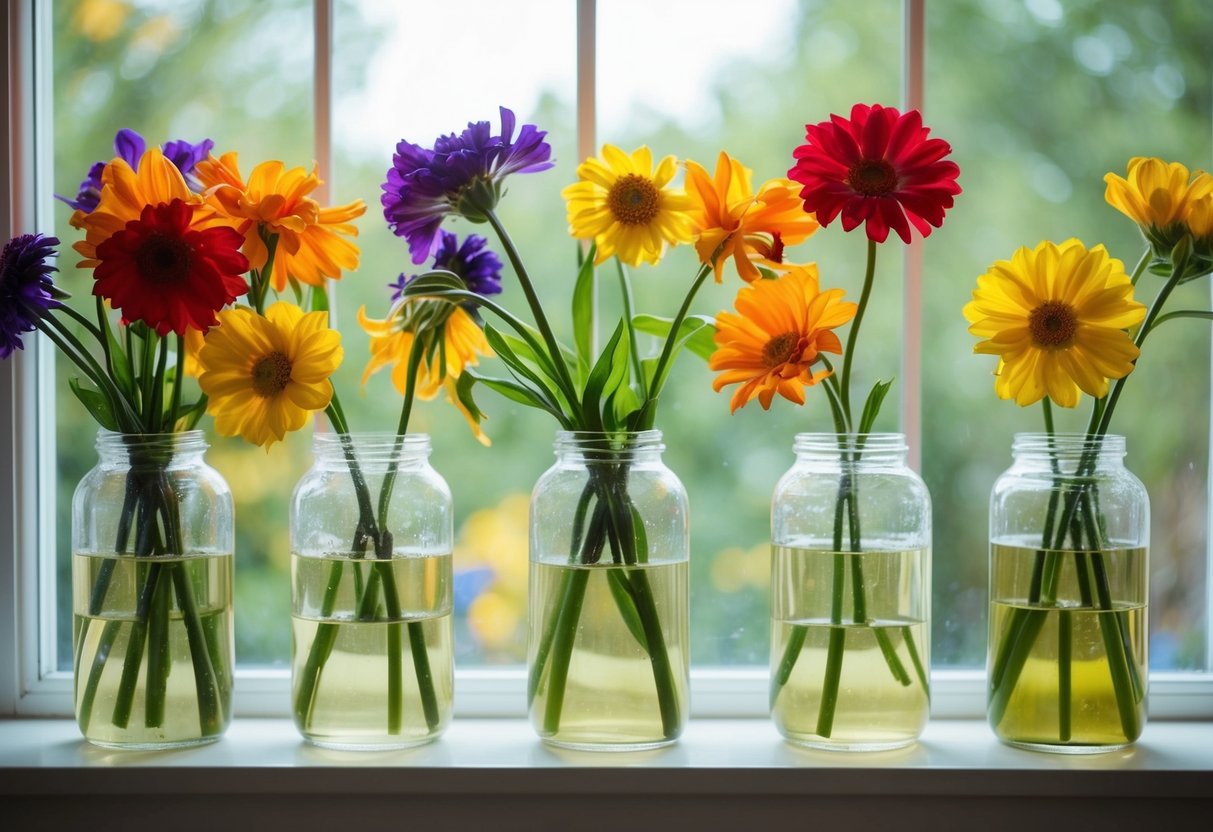
Choosing long-lasting flowers like orchids or charmelias can keep your home vibrant. These flowers not only add beauty but also require less daily maintenance than more delicate varieties.
By selecting the right types and following simple care tips, you can enjoy their colors and scents well beyond the usual short lifespan of cut flowers.
The Science of Longevity in Cut Flowers

To keep cut flowers looking fresh, it helps to understand a few key factors that influence their lifespan. These include how long flowers can stay vibrant in a vase, the role of ethylene gas in their aging, and the importance of proper hydration and flower food.
Understanding Vase Life
Vase life refers to how long cut flowers remain fresh and vibrant in water. Most fresh flowers last between 7 to 14 days, but with the right care, some can last up to 3 weeks.
Factors affecting vase life include flower type, initial quality, and environmental conditions.
For example, flowers like lilies and chrysanthemums can last longer compared to delicate blooms like sweet peas. Keeping flowers in a cool area away from direct sunlight also helps maintain their vase life.
Regularly changing the water every two days can significantly enhance their longevity.
Role of Ethylene Gas in Flower Aging
Ethylene gas is a natural plant hormone that accelerates the aging process in flowers. You might have noticed that flowers near fruit spoil faster. That’s because ripe fruit releases ethylene gas, which can cause flowers to wilt.
To minimize this effect, keep cut flowers away from fruit bowls and other ethylene-producing items. Some people use products that absorb ethylene gas to prolong flower life.
Understanding ethylene’s role can help you take steps to extend the freshness of your blooms.
Importance of Flower Food and Hydration
Using flower food in the water is essential for keeping cut flowers healthy. Flower food contains sugars, which provide energy, and biocides, which help reduce bacteria growth. This combination keeps the water clean and supports the flowers.
When you change the water, remember to trim the stems at a 45-degree angle. This creates a larger surface area for water absorption.
Always use fresh, clean water to give your flowers the best chance at lasting as long as possible.
Selecting Long-Lasting Flower Varieties
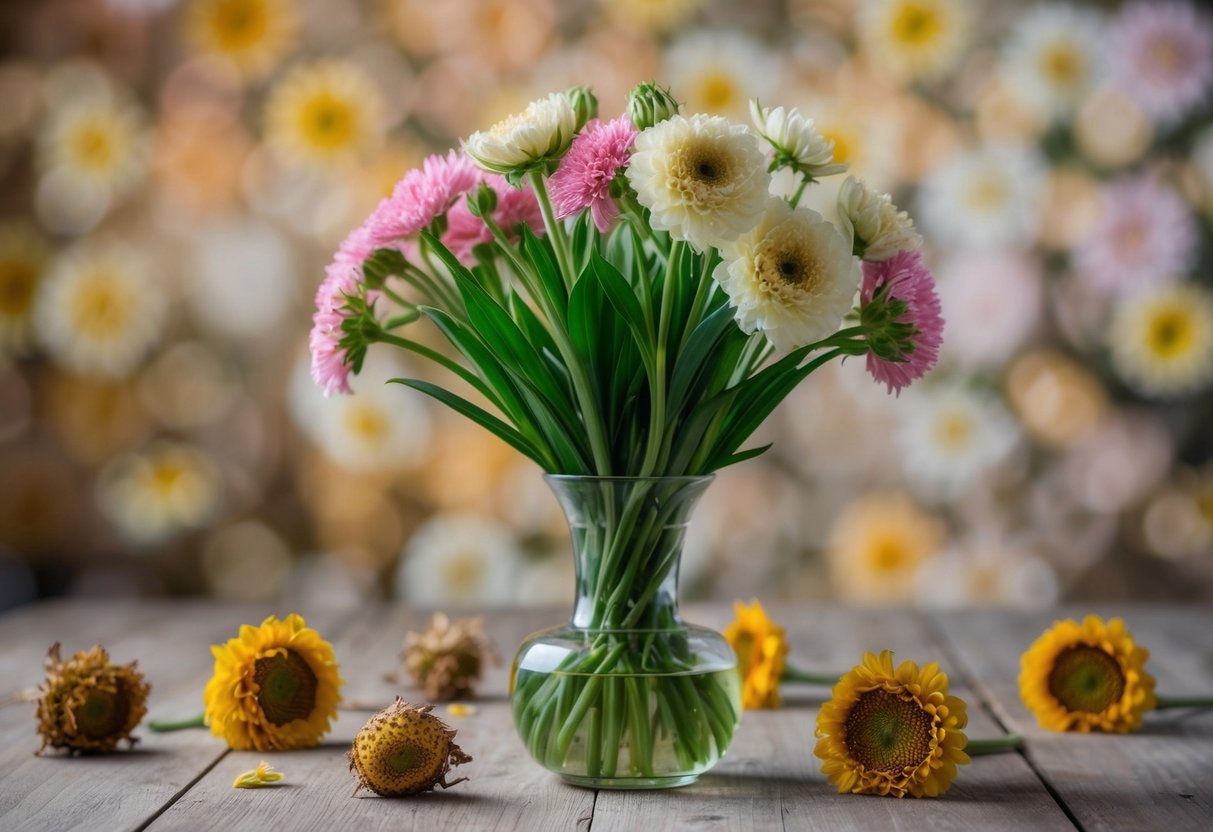
When choosing flowers that can last up to three weeks, certain types stand out for their durability and beauty. Understanding the specific qualities of each flower type can help you make the best selection.
Lilies and Carnations: A Case Study
Lilies are elegant and can shine in a vase, typically lasting about two weeks with proper care. You can enjoy their stunning blooms and lovely fragrance during this time. To keep them fresh, change the water regularly.
Carnations are another great option. They can last up to three weeks! These flowers come in many colors and are perfect for adding vibrancy to any arrangement. Add food coloring to the water for fun color changes.
With their robust nature, they are excellent long-lasting cut flowers for any occasion.
Discovering the Durability of Chrysanthemums and Zinnias
Chrysanthemums, or mums, are known for their lasting power. They can stay fresh for about three weeks when properly cared for. Use clean water and remove any dead leaves to avoid bacteria.
Zinnias are another excellent choice for longevity. With bright blooms that can last about two weeks, they add a cheerful touch to any bouquet. They thrive in summer and can brighten any space, making them a popular garden choice.
Both these flowers can bring life to your arrangements.
Exploring the Resilience of Alstroemerias and Delphiniums
Alstroemerias, also called Peruvian lilies, not only look stunning but can last around two weeks in a vase. They have multiple blooms per stem, providing a long-lasting display. Change their water often to keep them looking fresh.
Delphiniums are known for their tall spikes and beautiful colors. They can last for about a week or more. While not the longest-lasting cut flower, their graceful silhouette brings elegance to any arrangement. With gentle handling and care, they can still make a lovely addition to your floral displays.
Practical Care Tips for Extending Flower Life

Taking good care of your flowers can help them last longer in your home. By focusing on daily maintenance, creating a suitable environment, and using advanced techniques, you can keep your blooms fresh and vibrant.
Daily Maintenance Rituals
To keep your flowers looking their best, create a daily routine.
Start by checking the water level in your vase. Make sure it covers the stems adequately, as dry stems will lead to wilting.
Change the water every two to three days to keep it fresh. You can also add a flower preservative, which helps to nourish the blooms. If you see any leaves submerged in water, remove them to prevent bacteria growth.
You should also trim the stems regularly. Cutting about one inch off the bottom allows for better water absorption. A fresh cut can make a big difference in how long your flowers last.
Optimizing Home Environments for Flower Retention
Your home environment plays a key role in flower longevity. Keep your flowers in a cool location away from direct sunlight, as heat can cause them to wilt quickly.
Consider placing your flowers in an area with good air circulation but not in a draft. Avoid areas near fruit, as ripening fruits release ethylene gas that can speed up wilting.
If you have more than one bouquet, avoid overcrowding. Ensure each flower has enough space to breathe. This helps maintain their freshness and extends their vase life.
Advanced Techniques: From Cutting to Placement
Advanced techniques can significantly improve flower longevity. When you cut from your garden, trim stems at an angle to increase water intake. This helps your flowers stay hydrated longer.
For arrangements, use a clean vase. Bacteria can build up quickly, so sanitizing the vase before use is important.
Consider adding small amounts of sugar or vinegar to the water. Sugar feeds the flowers, while vinegar prevents bacteria growth. Both can work together to keep your flowers healthy.
Arranging flowers with care also matters. Use larger blooms first and fill in with smaller ones. This supports the arrangement and helps absorb moisture more effectively.