
Can I Just Say I Do at My Wedding? Exploring Simplified Vows and Personal Touches
As you plan your special day, you might wonder about the vows you need to say. The great news is that you can simply say “I do” during your wedding ceremony. This powerful phrase serves as a clear declaration of your love and commitment. It captures the essence of what marriage is all about, without the pressure of lengthy vows.
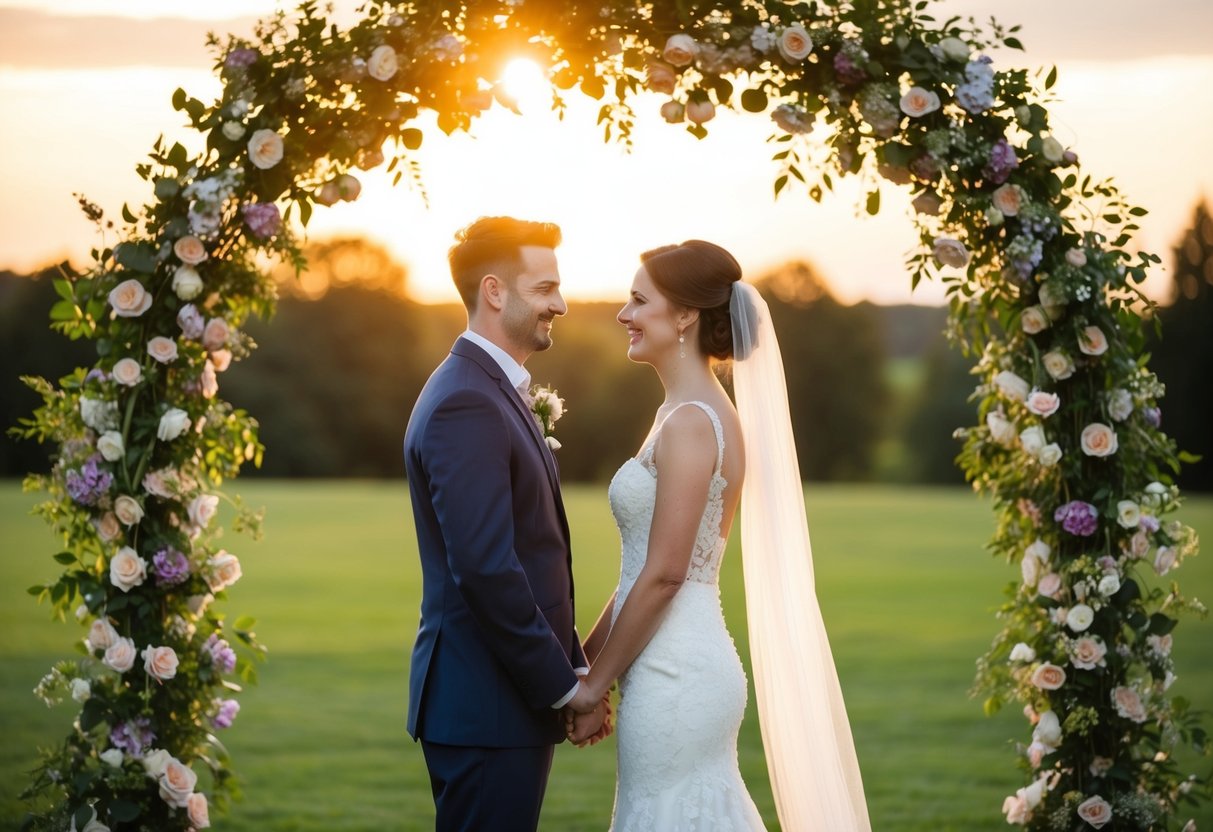
In many weddings, couples find themselves overwhelmed by the expectations surrounding the ceremony. You might feel the urge to craft long, elaborate vows. However, what matters most is the love you share with your partner. Saying “I do” succinctly expresses your intent to embark on this new journey together, making it a valid and meaningful option for your big day.
Choosing to say “I do” doesn’t mean you lack creativity or depth. It’s a straightforward choice that highlights the importance of connection and honesty in your relationship. Whether you keep it simple or decide to add personal touches later, your commitment speaks volumes, no matter how you choose to express it.
Understanding Wedding Ceremonies
Wedding ceremonies can be beautiful and complex events. Each part plays an important role in how you and your partner express your love and commitment. Here’s a closer look at the key parts of a typical wedding ceremony.
Ceremonial Traditions
Traditions vary widely among cultures and religions, but most ceremonies include similar elements. Common components are the entrance of the bride and groom, the exchange of vows, and the pronouncement of marriage.
Many couples choose to incorporate personal touches, such as readings, music, or rituals like unity candles or sand ceremonies.
These traditions can highlight your connection and beliefs. You might opt for something completely traditional or create your own ritual that holds special meaning for both of you.
The Role of the Officiant
The officiant is a key person in your wedding ceremony. This person leads the ceremony, ensuring everything runs smoothly. They help guide you through the process, including the declaration of intent and the exchanges of vows.
You can choose from different types of officiants, such as religious leaders, judges, or even friends who become certified. It’s important to find someone who aligns with your values and style.
Their presence helps give your vows the legal weight needed to declare you lawfully wedded.
Importance of Vows
Vows are one of the most meaningful parts of your ceremony. When you and your partner express your love and commitment, it creates a special bond.
You can choose to write your own vows or use traditional ones. Custom vows allow you to share your unique story and what you promise to each other.
Remember, vows don’t have to be lengthy. Even a simple “I do” can carry deep significance, affirming your commitment as a couple.
Legal Requirements for Marriage
Before you can say “I do,” there are some legal steps to consider. Obtaining a marriage license is essential. This document is required to make your union official.
In many places, you need to apply for it several days before your wedding. Be sure to check local laws for specific requirements.
Additionally, witnesses may be needed to sign the license, confirming that you exchanged vows in front of them. Understanding these requirements will help you have a smooth and legal ceremony.
Personalizing Your Commitment
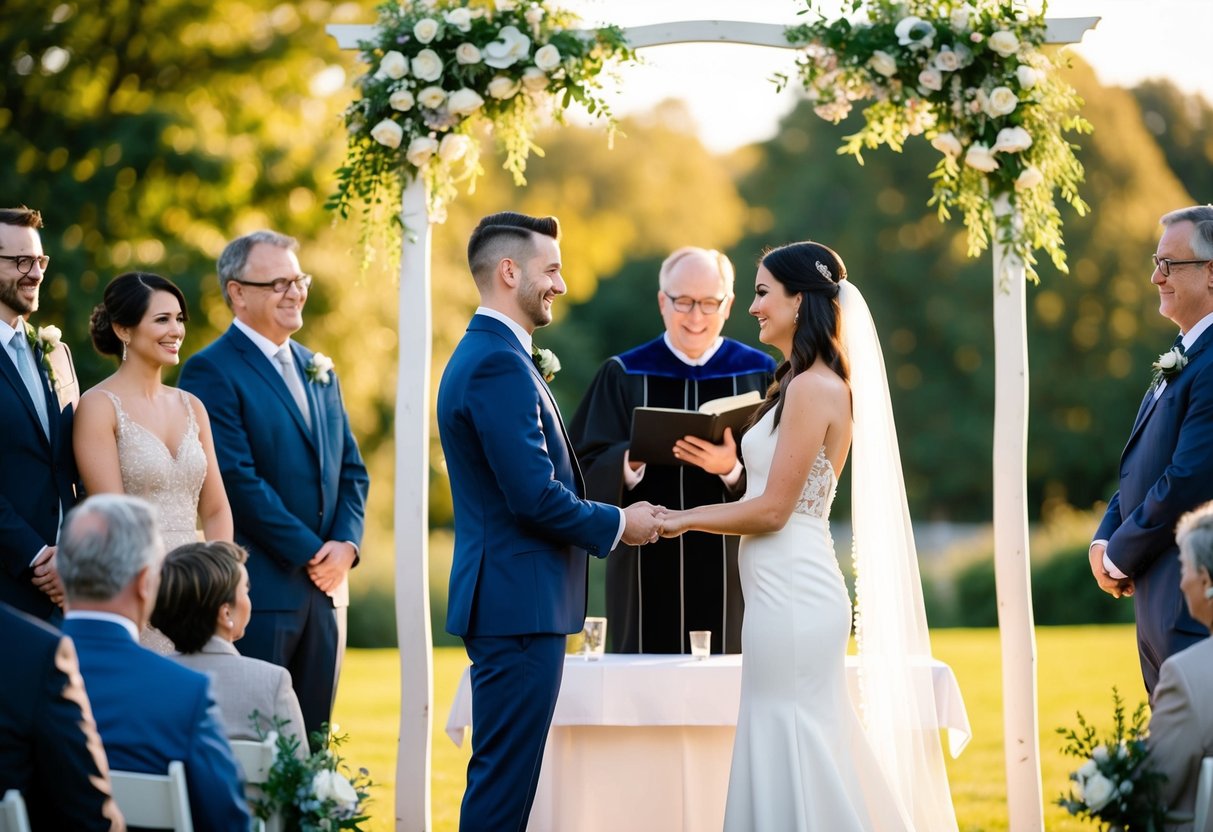
Personalizing your wedding vows is a beautiful way to express your unique love and commitment. You have the option to write your own vows, choose traditional ones, or blend both styles. Incorporating personal rituals can further deepen your connection and make the ceremony truly yours.
Writing Your Own Vows
Writing your own vows allows you to share your feelings in a meaningful way. You can include stories that highlight your journey together, express your dreams for the future, and articulate the promises that matter most to you.
Start with a brainstorming session. Think about what love means to you and what commitments you want to make. Focus on specific moments that define your relationship. Keep your vows personal and sincere. While it’s great to remain concise, feel free to express your emotions fully.
Decision to Use Traditional or Custom Vows
Choosing between traditional vows and custom ones can be a tough decision. Traditional vows often carry deep significance and are recognized as a unifying element in many weddings. They can provide a comforting structure that some couples prefer.
On the other hand, custom vows offer the chance for personalization. They give you the freedom to express your love in your own words. Consider mixing both styles for a unique approach. You might start with a traditional phrase and follow it with your personal promises.
Incorporating Personal Rituals
Adding personal rituals can enhance the meaning of your vows. Think about activities or symbols that represent your relationship. For example, you could light a unity candle together, exchange meaningful gifts, or even do a fun handfasting ceremony.
These rituals create joyful moments and deepen your connection. They also provide opportunities for you to publicly affirm your love and commitment. Consider involving family or friends in these rituals, making them feel special and included in your celebration. Through these elements, your vows will resonate on a personal level.
Creating a Memorable Experience
To make your wedding truly unforgettable, focus on the venue and atmosphere, involve your loved ones, and capture those special moments through photography. Each element contributes to a warm, memorable experience for you and your guests.
Venue and Atmosphere
Choosing the right venue plays a key role in setting the mood for your wedding. Look for a location that reflects your style and feels comfortable for your guests. Whether it’s a cozy garden, a beautiful beach, or an elegant ballroom, it should resonate with you as a couple.
Consider decorating the space with personal touches. Use floral arrangements that have special meaning, or incorporate colors that you both love. Ambient lighting can enhance the atmosphere, making it warm and inviting for your guests.
Creating comfortable seating areas encourages guests to relax and socialize. The atmosphere should allow everyone to feel at ease, helping to foster connections during your wedding ceremony.
Involving Loved Ones
Involving your loved ones in your wedding can create lasting memories for everyone. You might ask family members to help with readings or music during the ceremony. This makes them feel special and adds a personal touch to the event.
Another idea is to include children or pets in special roles, like ring bearers or flower girls. Including those you cherish strengthens bonds and highlights important relationships in your life.
Ensure your guests feel appreciated by including them in traditions or special moments, such as a group vow or a toast. Their involvement can deepen the emotional experience, making your day feel even more significant.
Capturing the Moments
Photography is essential for preserving the memories of your big day. Hire a photographer who understands your style and can capture the moments that matter most to you. Discuss important shots ahead of time to ensure no detail is overlooked.
Consider candid photography alongside posed pictures. Candid shots often catch the genuine emotions of you, your partner, and your guests. These moments can spark joy each time you look back on your wedding album.
Don’t forget to document small but important elements, like decoration details or special family heirlooms. These images can help tell the story of your wedding day and the love surrounding it. Make sure to cherish these moments for years to come.
Navigating Wedding Logistics
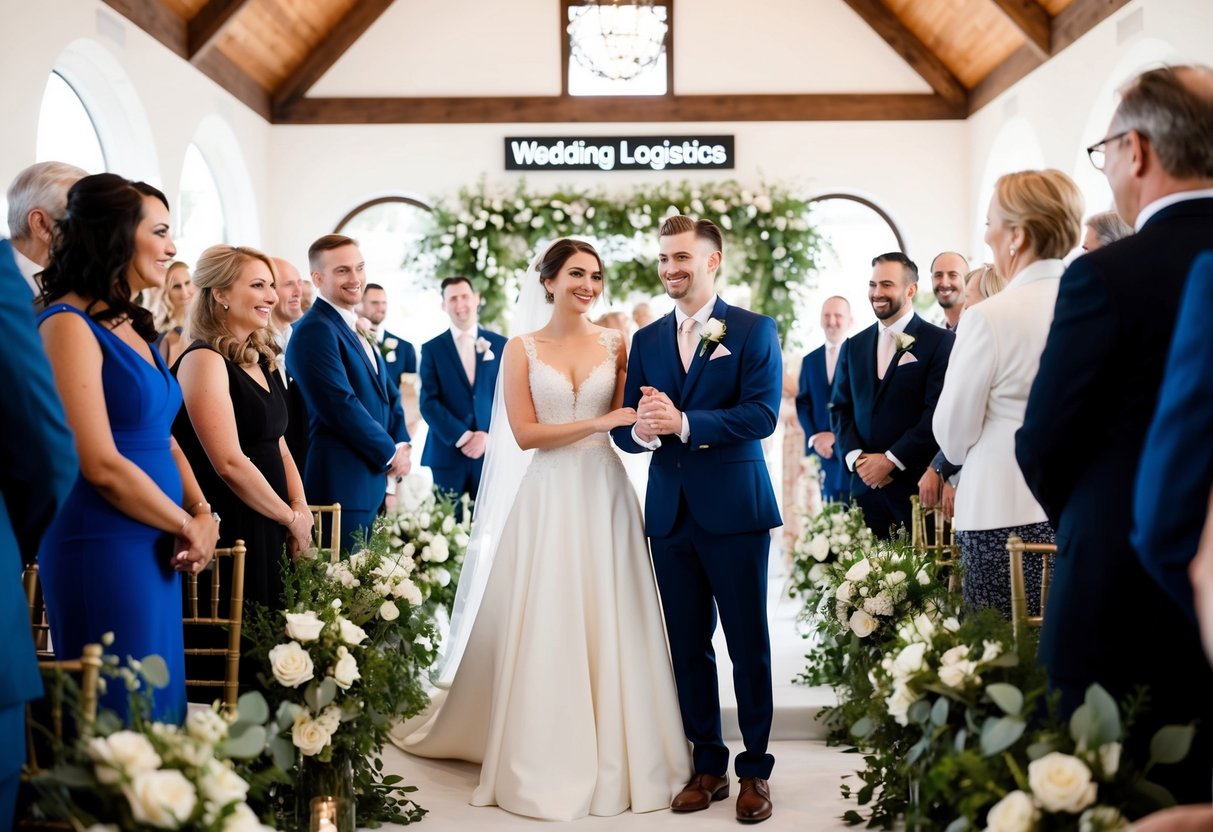
Planning your wedding involves various important details that can make or break your special day. Understanding logistics, from budgeting to handling stress, is essential for a smooth celebration.
Budgeting for Your Big Day
Budgeting is crucial when planning your wedding. Start by listing all potential expenses, including venue, vendors, invitations, and gifts.
Here’s a simple budget breakdown:
- Venue: 30% of your budget
- Catering: 25%
- Photography: 15%
- Attire: 10%
- Miscellaneous (decorations, gifts, etc.): 20%
Using a wedding website can help you track your expenses and keep everything organized. Be sure to communicate your budget with vendors to make sure you receive services within your range. Staying transparent about costs can prevent drama later on.
Dealing with Wedding Stress
Wedding planning can be stressful, but there are ways to manage that tension.
First, make sure to delegate tasks. Ask friends or family to help with specific duties like handling invitations or coordinating with vendors.
It’s also important to prioritize self-care. Taking time for yourself can help relieve stress.
Practice deep breathing for moments when anxiety hits. If speaking in front of a crowd makes you nervous, consider rehearsing your vows on your own or with a close friend. This can ease stage fright.
Remember, weddings should be fun and memorable, so try to enjoy the planning process!