
Can I Legally Get Married in My Garden? A Guide to Outdoor Weddings
If you’re dreaming of a garden wedding, you’re not alone. Many people find the idea of exchanging vows in a beautiful outdoor setting to be intimate and special. Yes, you can legally get married in your garden, as long as you follow the legal requirements and obtain the necessary marriage license from your local authorities.
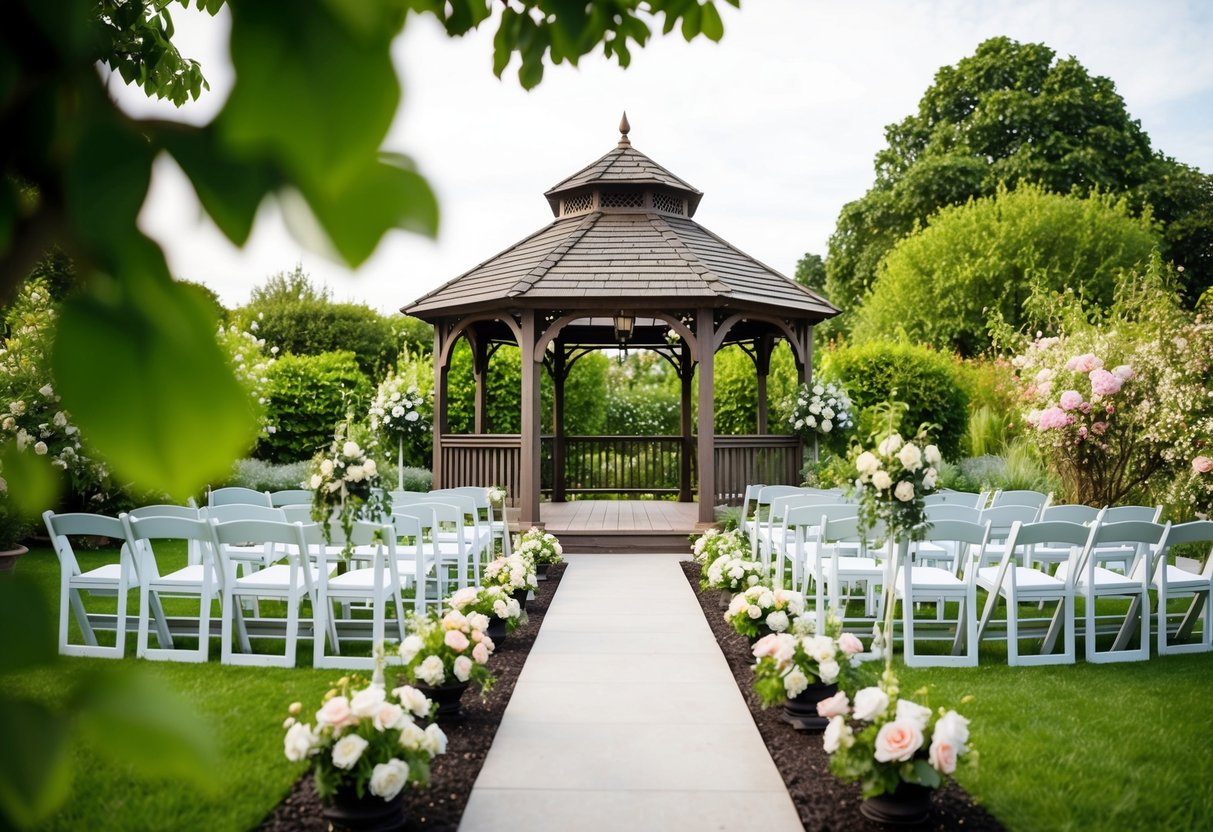
Planning a civil ceremony in your backyard can be a wonderful way to celebrate your love. Just keep in mind that laws vary by location, so it’s important to check zoning laws and any restrictions for hosting events on your property.
Preparing your garden not only involves decorating but also ensuring that your space can comfortably accommodate your guests. With a little preparation, you can create the perfect setting for your special day.
Imagine saying “I do” surrounded by flowers, friends, and family, all in the comfort of your own home. A garden wedding can truly reflect your personality and style while creating lasting memories.
Understanding Legalities and Permits
When planning to get married in your garden, it’s crucial to know the legal requirements and permits needed. You want your special day to go smoothly, so understanding local laws is key.
Legal Requirements for Marriages in Gardens
To legally marry in your garden, you must meet certain requirements. First, obtain a marriage license. This is usually acquired from your local government office. You’ll need valid identification and may be required to pay a small fee.
Next, ensure the officiant you choose is authorized to perform marriages in your area. This could be a religious leader, a judge, or even a friend who has obtained special permission.
If you wish to have a civil ceremony, you should check if that can be done in your garden.
Permits and Zoning Regulations
Many local laws require permits for hosting events in residential areas. Before preparing for your wedding, check with your local authorities. They can inform you about any necessary permits for gatherings in your garden.
Zoning regulations may also apply. Some areas have rules about the number of guests or sound levels. If your garden isn’t a licensed venue, you might need to prove that you’re not disturbing neighbors. Make sure to follow these guidelines to avoid fines or issues on your wedding day.
Wedding Planning Essentials
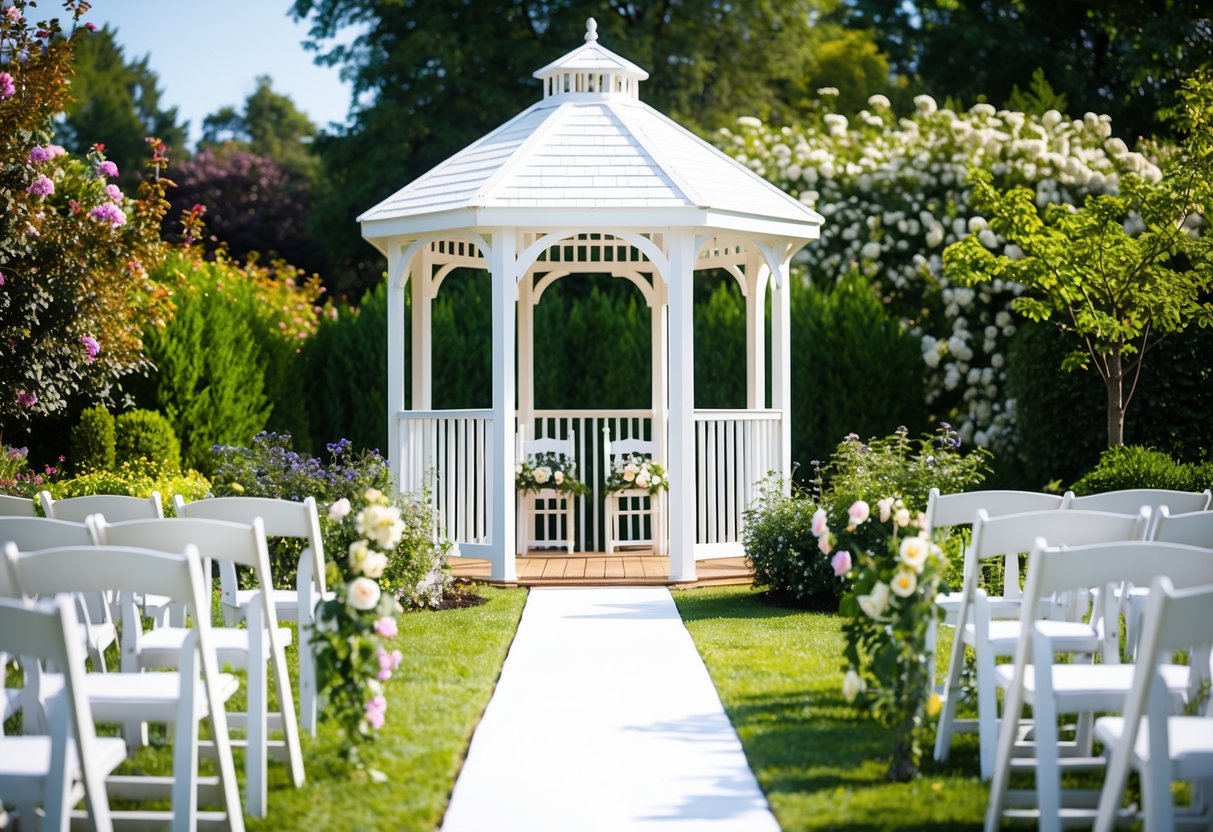
Planning a wedding in your garden can be both exciting and unique. To help ensure your special day goes smoothly, focus on key areas such as creating a guest list, choosing an officiant, and incorporating decorations. Each detail matters, so let’s break it down.
Creating Your Guest List
Start by figuring out how many people you want to invite. Consider your space; a garden may limit your guest count.
Make two lists: one for must-invite guests and another for people you would like to invite if space allows. Think about your closest friends and family. Include those who have supported you through your relationship.
You can use online tools or apps to help manage your list. They often allow you to track RSVPs easily.
Remember to communicate clearly about your garden setting. This way, guests know what to expect regarding attire and comfort. A well-prepared guest list will help you enjoy your day even more.
Choosing the Right Officiant
Finding the right officiant is crucial for your ceremony. They will guide you through the vows and legal aspects.
Check if they meet your local officiant requirements. You can choose from various officiants, such as religious leaders, judges, or even friends who get ordained online.
Make sure their style aligns with the vibe you want for your wedding. Some couples prefer traditional ceremonies, while others want something more casual.
Schedule an initial meeting to discuss your vision. This will help you gauge their personality and if it suits your needs. A good officiant will make your ceremony meaningful.
Incorporating Decorations and Themes
Decorations can transform your garden into a wedding paradise. Start by choosing a theme that reflects both of your personalities. This could be rustic, elegant, or even a garden party style.
Use flowers that are in season for a natural touch. Consider adding string lights, lanterns, or fabric drapes to enhance the atmosphere. Items like signs can help guide guests while adding charm.
Don’t forget about seating arrangements. Make sure guests are comfortable with enough chairs and tables. Incorporate personal touches like photos or mementos to make the space feel special.
Logistics and Considerations
Planning a garden wedding involves thinking about various logistics that will ensure a smooth and enjoyable experience for you and your guests. Consider the following aspects carefully.
Ensuring Accessibility for All Guests
Making sure everyone can access your garden is vital. If guests have mobility issues, think about pathways.
If your garden has steps or uneven surfaces, you may need to create ramps or use mats to help.
It’s also a good idea to keep seating available. Provide enough chairs in a shaded area for guests who may tire easily.
If you have guests with hearing impairments, consider sound systems or having an interpreter to help during the ceremony.
Remember to think about noise ordinances. Make sure your celebration doesn’t disturb neighbors. Check local rules to avoid issues that could lead to complaints.
Parking and Transportation Solutions
Consider how your guests will get to your garden. If parking is limited, you might suggest nearby public lots or arrange for shuttles.
Make sure clear directions are provided to avoid confusion. If you can, having a designated area for guests to park is helpful.
You can put up signs or even ask friends to help direct cars. This keeps the area organized and makes it easier for everyone.
Also, consider offering rides for those who may not drive. This can help older guests or those who prefer not to navigate parking.
Restrooms and Other Amenities
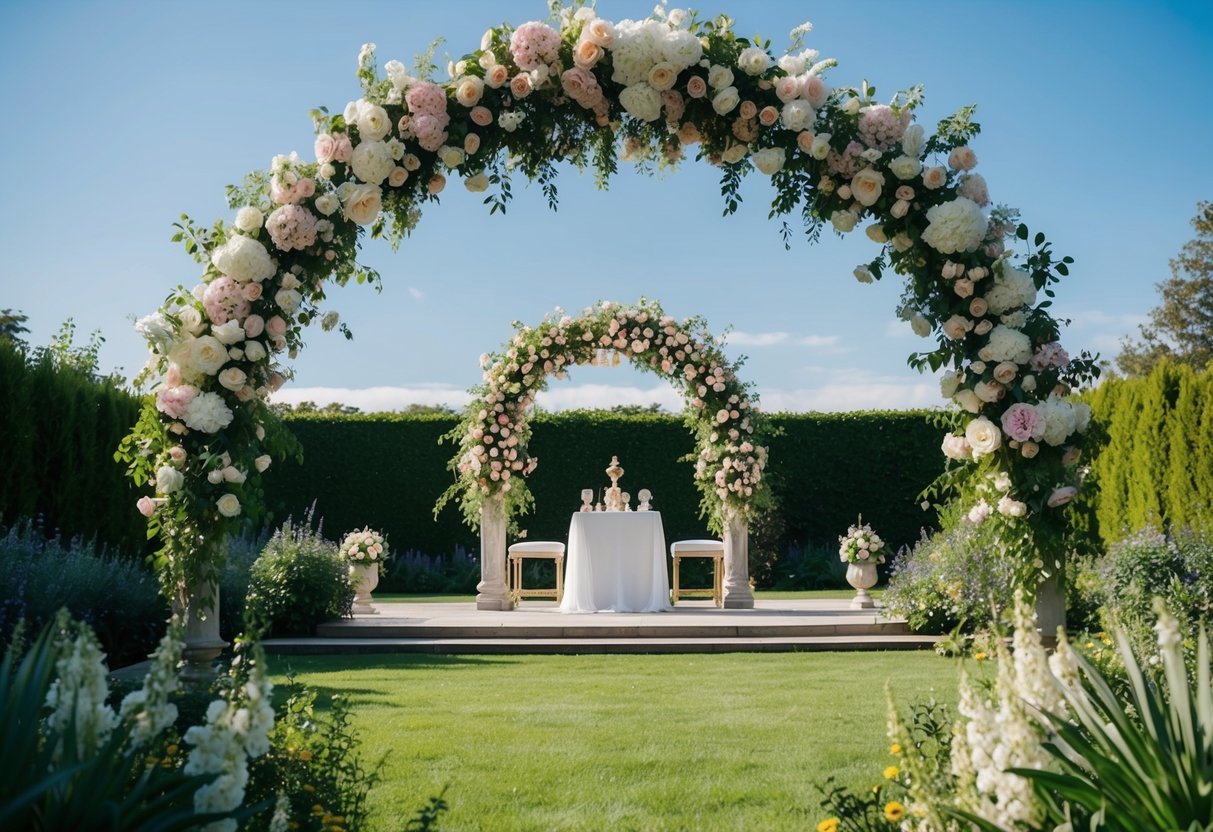
Restroom access is essential for any event. If your home or garden does not have enough restrooms, consider renting portable ones.
Make sure they’re clean and stocked with supplies. In addition to restrooms, think about other amenities.
You may want to set up a marquee for shade or shelter in case of rain. Provide enough seating and space for guests to mingle comfortably.
It’s also good to have a plan for waste disposal. Bins can help keep the area tidy and avoid property damage. Always think ahead to create a pleasant atmosphere for everyone attending.
Risk Management and Insurance
When planning a wedding in your garden, it’s important to think about risk management and insurance. Taking these steps can help protect you and your property from unexpected events during your special day. Here’s what you need to know.
Understanding Liability and Insurance
You should consider getting liability insurance before your garden wedding. This type of insurance can protect you against claims related to accidents or property damage.
For example, if a guest trips and falls on your property, this insurance can cover medical costs.
Additionally, check for any local noise restrictions if your wedding includes music. Some areas have rules about how loud music can be and how late it can go on, which may affect your celebration.
If you plan to serve alcohol, make sure to have liability coverage for that as well. It can shield you from any potential legal issues arising from alcohol-related incidents.
Preparing for the Unexpected: Backup Plans
No one likes to think about problems, but having backup plans is wise. Weather can change suddenly. So, consider renting a tent to keep guests comfortable in case of rain.
Also, have a plan for restroom facilities. Portable restrooms can be a great solution for outdoor events. They ensure that guests have easy access and comfort.
In some cases, property damage can occur. If someone spills food or drinks on your lawn, it may be difficult to clean up. So, have a professional cleanup service on standby. It can help manage any mess quickly.
Make sure to think ahead and plan for any situation. It’s all about making your day memorable and fun without unnecessary stress.