
Can I Officiate My Own Wedding in Texas? Here’s What You Need to Know!
If you’re planning to tie the knot in Texas, you might be wondering, can you officiate your own wedding in Texas? Texas law requires that a qualified officiant conduct the marriage ceremony. This is typically someone who is a licensed or ordained minister, a judge, or an authorized official from a recognized religious organization.
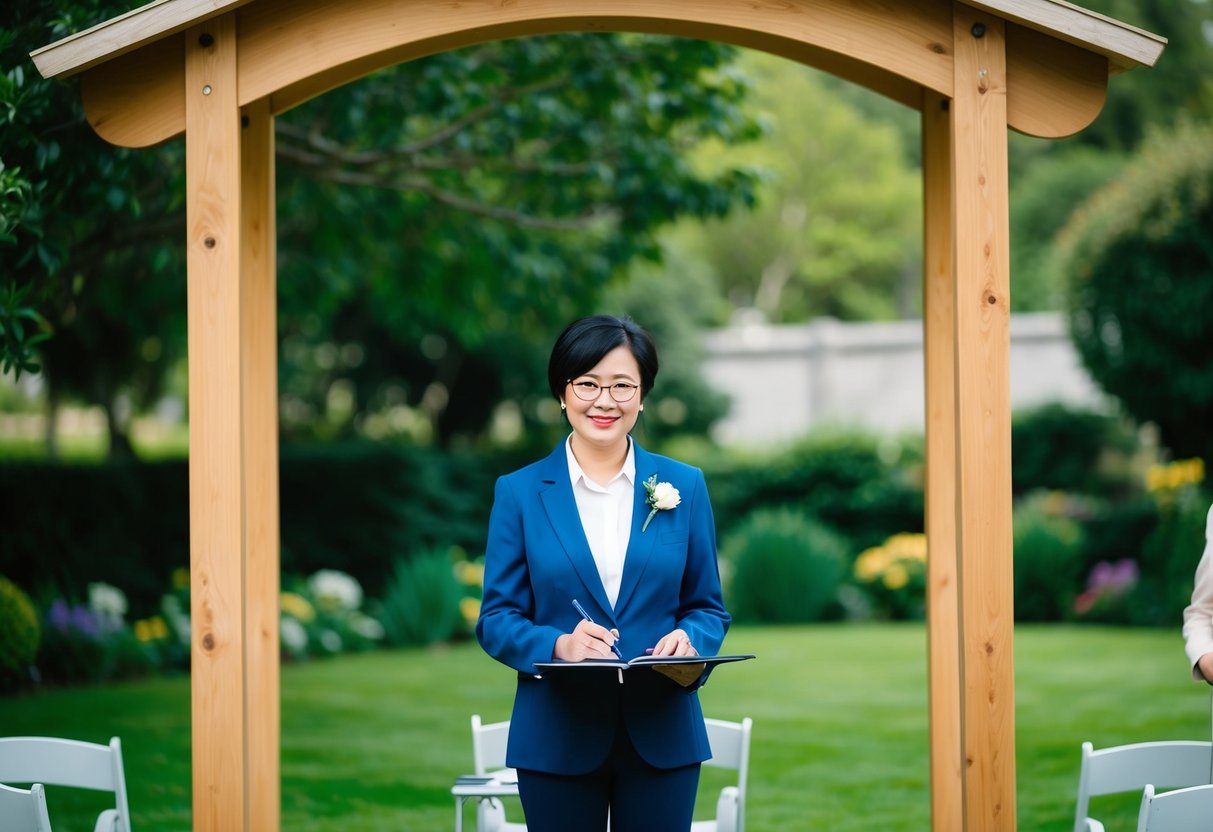
Thinking about who will lead your special moment is important. Many couples choose a close friend or family member as their officiant, but it’s essential to ensure they meet the state’s requirements.
With a bit of planning and understanding of Texas law, you can find the perfect person to help make your wedding day memorable and legally valid.
As you prepare for your marriage ceremony, remember that finding an officiant isn’t just about fulfilling a legal requirement. It’s about creating a unique atmosphere that reflects your love and commitment. Read on to discover more about who can officiate and how to navigate the process!
Legal Requirements to Officiate a Wedding in Texas

In Texas, you can officiate your own wedding if you meet certain legal requirements. According to the Texas Family Code, specifically Section 2.202, several people can legally perform a marriage ceremony.
Here’s a quick list of qualified officiants:
- Licensed ministers: These are individuals authorized by a religious organization.
- Ordained ministers: You can become ordained online and officiate weddings.
- Judges: This includes both state judges and federal judges.
- Jewish rabbis: They also have the authority to conduct weddings.
It’s essential to note that Texas does not require officiants to register with the state. However, if you are a friend or family member looking to officiate your own wedding, you must ensure you are recognized as an ordained minister.
If you’re thinking of officiating, remember that Texas allows marriage ceremonies to take place through various methods, including in-person or via videoconferencing, though traditional settings are most common.
Your marriage will be valid as long as you follow these guidelines. It’s a good idea to check with your local county clerk for any specific rules or paperwork needed for your ceremony to go smoothly.
How to Become an Officiant
If you’re interested in officiating your own wedding in Texas, there are specific steps you need to follow. This process includes getting ordained online, registering with the county clerk, and understanding your rights and responsibilities.
Online Ordination Process
To officiate a wedding, you first need to get ordained. You can become an online ordained minister through organizations like American Marriage Ministries or Universal Life Church.
- Visit their websites: Look for an easy application process.
- Fill out the form: Provide your name, email, and other basic information.
- Receive your credentials: After you complete the ordination process, you will receive your ministry credentials by email.
This ordination is often free or involves a small fee. Keep a copy of your credentials handy, as you may need to present them when officiating.
Registering with the County Clerk
In Texas, you generally do not need to register with any government office to officiate a wedding. However, it is a good practice to check with your local county clerk for any specific requirements.
Here’s what you can do:
- Contact the county clerk’s office: Ask about anything specific to your county.
- Keep documents ready: Although you might not need to register, having your ordination documents ready can be helpful.
Being prepared ensures that everything goes smoothly on your special day.
Understanding Your Legal Abilities and Limitations
As an ordained minister in Texas, you have the right to officiate weddings, but it’s important to know the limits of your role.
- Check state laws: Understand what the state of Texas requires for wedding officiants.
- Know your audience: Be aware that some venues may have their own restrictions on who can officiate.
- Handle paperwork: After the ceremony, you may need to ensure the marriage license is properly filled out and returned to the county clerk.
Being informed about your legal responsibilities can help avoid any issues during the ceremony. Stay engaged and make the process enjoyable for everyone involved.
Conducting the Marriage Ceremony
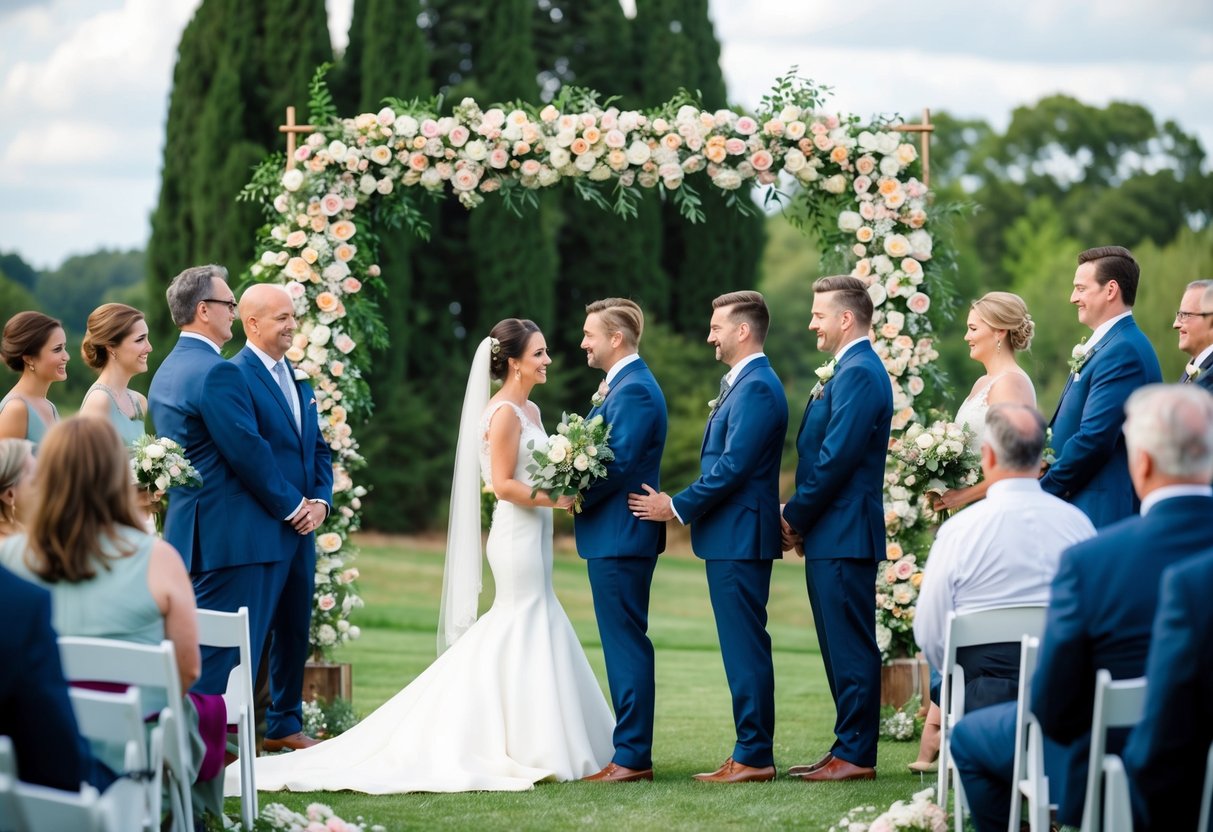
If you’re thinking about officiating your own wedding in Texas, you can do so under specific conditions. In Texas, there are no formal requirements for a wedding officiant to be licensed or registered.
However, you must be someone who is allowed to perform marriage ceremonies. This includes:
- Ordained ministers or priests
- Judges (active, retired, or former)
- Authorized officers of a religious organization
It’s important to check that your marriage license is still valid. A license expires 90 days after being issued, so be sure to conduct your ceremony before then.
As the officiant, you will need to ensure that all legal requirements are met. This means the couple must have their license and that you verify it hasn’t expired before the ceremony.
Your role also involves making sure that the ceremony meets any personal or cultural traditions the couple wishes to include.
Getting creative can make the ceremony unique. Since you can conduct your own wedding, you can personalize vows and rituals, making the day special for you both.
Marriage Licensing and Documentation
When planning to officiate your own wedding in Texas, understanding the marriage licensing process and your role in finalizing the marriage is essential. You’ll need to navigate specific requirements to ensure everything goes smoothly.
Acquiring a Marriage License
In Texas, you must obtain a marriage license before the ceremony. You can apply for this license at any county clerk’s office. Both partners will need to provide valid identification, such as a driver’s license or passport.
Key points for your application:
- Waiting Period: There is a 72-hour waiting period after applying before the license is active.
- Expiration: The license is valid for 90 days. If the ceremony doesn’t happen within that time, you’ll need to reapply.
It’s important to note that getting married without a license can be a Class A misdemeanor. Make sure to keep your documentation in order to avoid any legal issues.
Officiant’s Role in Finalizing the Marriage
If you’re planning to officiate your own wedding, you should know about your responsibilities regarding the marriage license. In Texas, only certain individuals can officiate. Unfortunately, you can’t legally marry yourself.
However, you can ask someone else, like a friend or family member, to act as the officiant. They must make sure to sign the marriage license and return it to the county clerk’s office after the ceremony.
If this step is missed, it could cause problems in recognizing the marriage. If the officiant doesn’t return the license, they may face a third-degree felony for not following the legal requirements. Always check that the license is handled properly to protect your rights as a married couple.