
Can I Plan a Wedding Before Engagement? Exploring Your Options and Steps
Planning a wedding can feel overwhelming, especially if you’re thinking about it before an engagement. You might wonder if you should really start tackling tasks like venue research or vendor bookings at this stage. Yes, it is perfectly okay to begin planning certain aspects of your wedding before getting engaged.
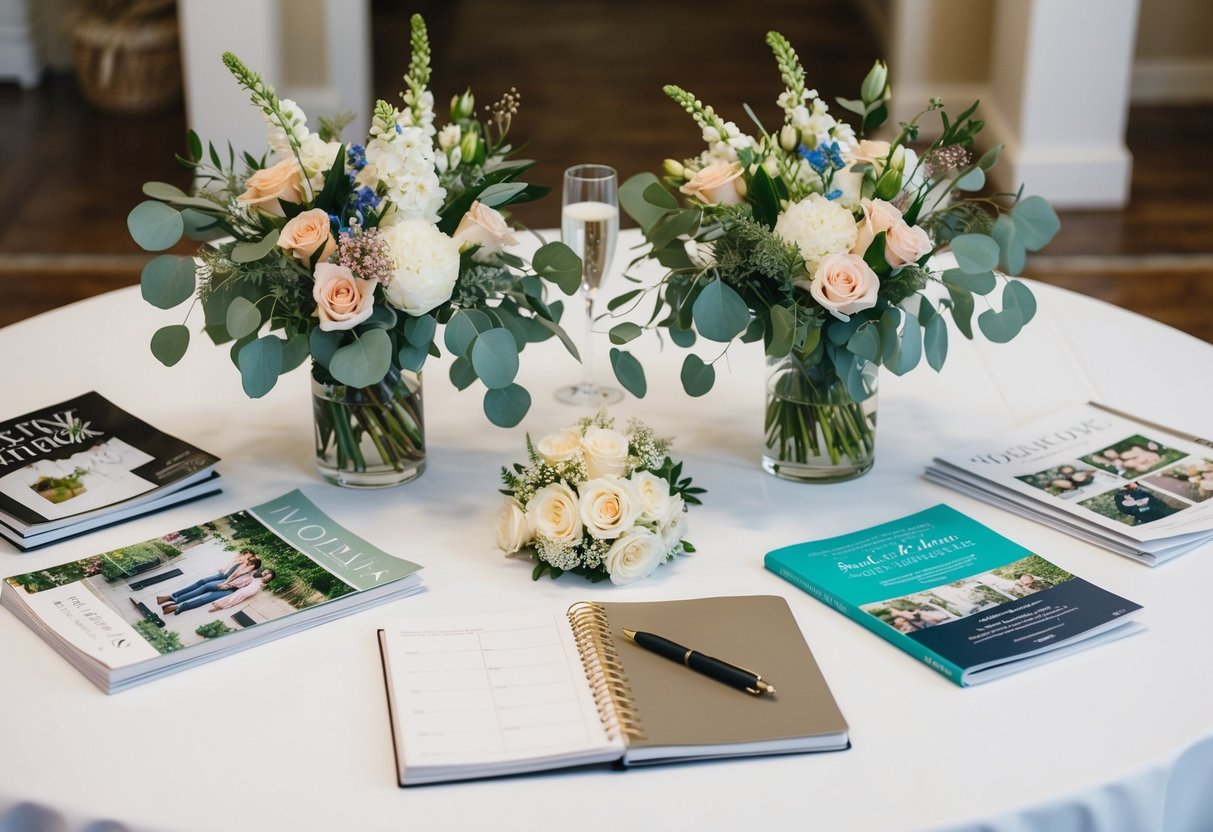
Many couples take the time to explore their options and gather ideas for their big day ahead of time. This can make the process smoother once the engagement happens. By doing some groundwork, you’ll feel prepared and excited when the time comes to officially start planning.
If you’re curious about what tasks you can handle before the ring goes on, keep reading for helpful tips and insights that can lead you to a stress-free wedding planning journey.
Understanding Pre-Engagement Wedding Planning
Many people wonder if they can start planning their wedding before getting engaged. Pre-engagement planning can help you feel more prepared. It also allows you to save money and reduce stress later on.
Defining Pre-Engagement Wedding Planning
Pre-engagement wedding planning involves researching and organizing ideas before you officially get engaged. This stage allows you to explore different options without any pressure.
You can start by creating a preliminary guest list. This helps you estimate the size of your wedding. You can also research venues and vendors, like photographers and caterers. Activities like contacting vendors or booking services should wait until after the engagement.
Many couples find that gathering ideas early helps in making decisions later. You can look into styles, themes, and budgets without feeling rushed. Taking this time can help ensure your wedding reflects your wishes.
Pros and Cons of Planning Ahead
Planning your wedding before engagement has its benefits and drawbacks.
Pros:
- Less Stress: By handling some details early, you avoid last-minute rushes and potential issues.
- Start Saving: When you research costs ahead of time, you can create a budget and save money.
Cons:
- Mixed Signals: Some may feel that planning before an engagement could pressure the relationship.
- Time: Over-planning can feel overwhelming and could lead to indecision.
Weighing these pros and cons can help you decide if pre-engagement planning is right for you.
Setting the Foundation: Budgets and Dates
Planning a wedding involves important decisions about your budget and selecting the right date. These choices set the stage for everything that follows. Understanding how to estimate wedding costs and choose a date will help create a smoother planning experience.
Estimating Your Wedding Budget
Setting a clear wedding budget is crucial. Start by determining how much you and your partner can afford. Consider contributions from family or savings.
Create a list of potential expenses like venue, catering, and decor. A typical budget breakdown might look like this:
- Venue: 30%
- Catering: 25%
- Attire: 10%
- Photography: 10%
- Other Costs: 25%
This rough guide helps you know where to allocate funds. Don’t forget to include a buffer for unexpected expenses.
Once you have a budget, track your spending to ensure you stay on target. This way, you can avoid financial stress later on.
Choosing a Potential Wedding Date
Choosing your wedding date involves considering several factors. First, think about your preferred season. Is there a specific month you both like?
Check for any major holidays or events that could conflict with your plans.
Once you have a few options, be ready to send out save the date cards. This step is especially important if you expect guests from far away.
Also, consider weekdays or off-peak seasons for potentially lower venue costs. Keep in mind the availability of your favored location, as popular spots can book quickly.
The Big Choices: Venues and Vendors
When planning your wedding, choosing the right venue and vendors is essential. These decisions shape your big day and set the tone for everything to come. Let’s break down how to select the perfect venue and curate your vendor list.
Selecting the Perfect Venue
Start by envisioning your dream setting. Consider options like traditional wedding venues, outdoor spaces, or unique locations that reflect your style. Research various venues online and create a wedding Pinterest board to gather ideas and inspiration.
Make a list of your top choices and visit each one in person if possible. Pay attention to factors such as capacity, amenities, and decor. Don’t forget to ask about availability and booking procedures. Many venues require reservations 6-12 months in advance, so it’s wise to secure your spot early.
Curating Your Vendor List
Your vendor team plays a vital role in making your day special. Begin by identifying essential vendors like photographers, caterers, and florists. Research local options and read reviews to find those who align with your vision and budget.
Once you’ve created a shortlist, meet with potential vendors to discuss your plans. Ask about their previous work and prices to ensure they fit your needs. As you narrow down your choices, keep an organized list to help you decide.
Details and Personal Touches
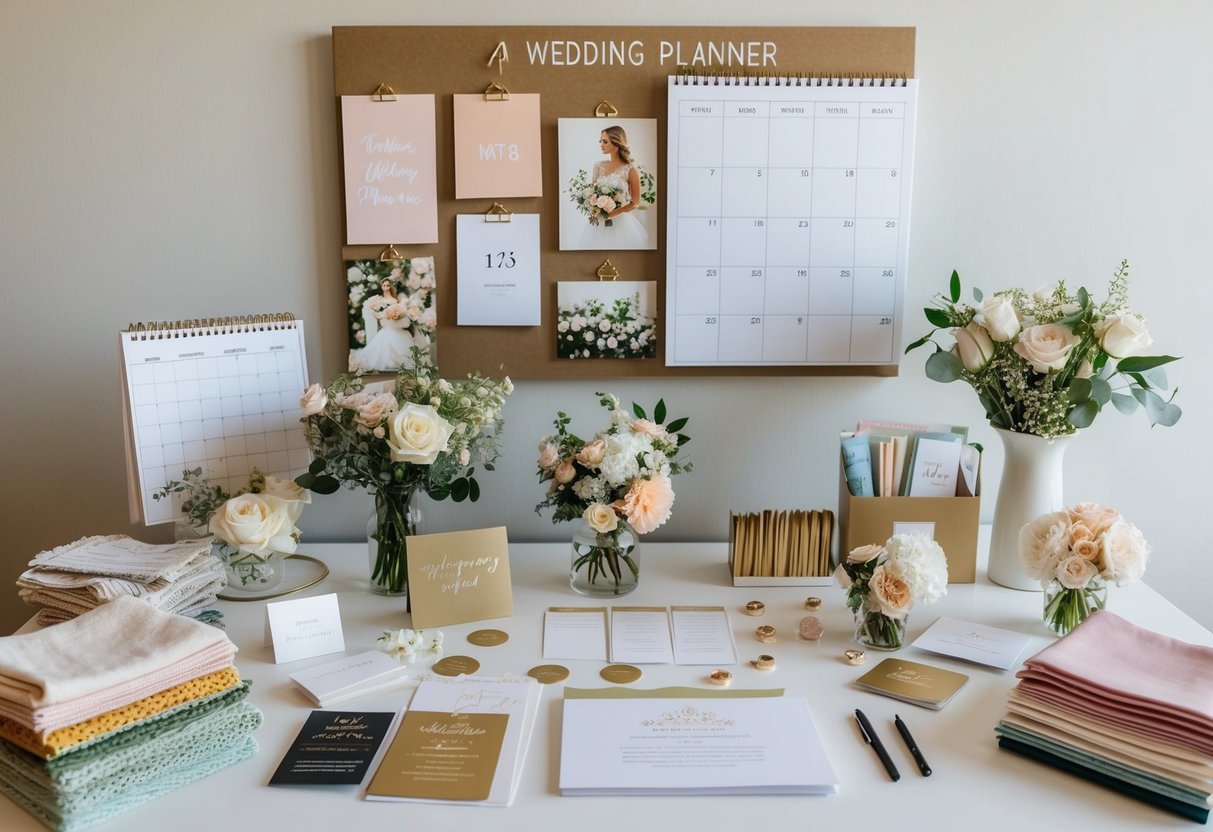
Planning your wedding involves important details that make the day uniquely yours. Focusing on the wedding style and theme sets the stage for your celebration. Additionally, creating your dream guest list ensures you celebrate with the people who matter most.
Deciding on Wedding Style and Theme
Choosing your wedding style and theme is a fun part of planning. Consider whether you want a classic, modern, rustic, or themed wedding. Each style gives a different feel to the event.
Think about a color palette that reflects your personality. This will guide not only decorations but also your invitations and wedding favors.
Make sure your theme feels cohesive throughout the day. From the venue to the flowers, everything should work together to create the atmosphere you envision.
Creating Your Dream Guest List
Creating your guest list can be tricky but is essential for your wedding plans.
Start jotting down names of family and friends you want to invite.
Consider the size of your venue when planning your list. This can help you decide how many people you can realistically invite.
Make a separate list for A and B guests.
This way, if some can’t attend, you’ll have alternatives ready.
Don’t forget to think about your wedding invitations.
They should match your style and theme.
You might also want to choose personalized wedding favors for your guests to remember your special day.