
Can I Plan a Wedding in 10 Months? Tips for a Successful Quick Engagement!
Planning a wedding in 10 months can feel like a big challenge, but it is definitely possible. With careful organization and a clear timeline, you can create the wedding of your dreams without rushing. Many couples find that a short engagement can actually help them stay focused and make decisions more quickly.
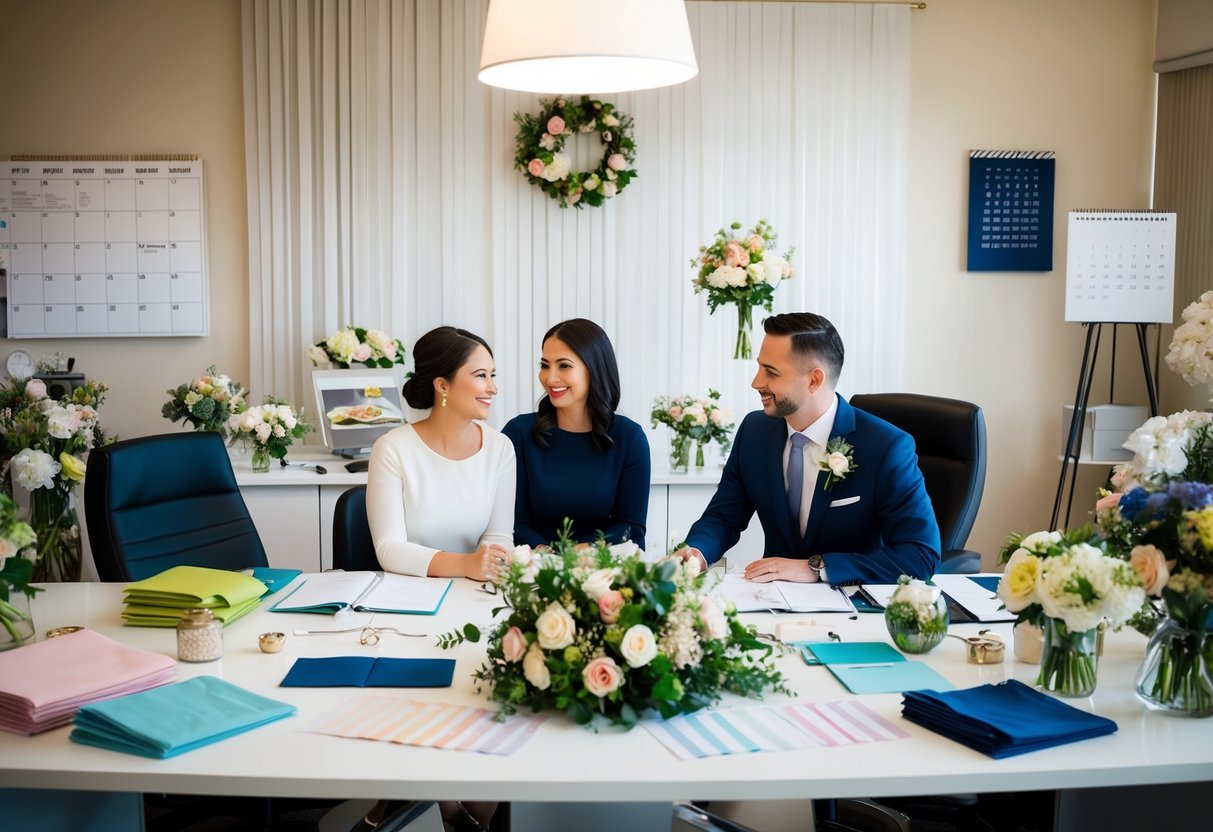
As you start thinking about your wedding day, keep in mind the average time to plan a wedding is typically around 12 to 18 months. However, this doesn’t mean you can’t pull off a beautiful celebration in less time. You’ll need to prioritize key details and work with reliable vendors to stay on track.
Whether you’re just getting started or already have some ideas in mind, every step you take can bring you closer to your special day. Embrace the excitement of your short engagement and get ready to make it memorable!
Setting Your Wedding Timeline

Creating an effective wedding timeline is essential for a smooth planning experience. You’ll need to choose your wedding date, develop a comprehensive checklist, and prioritize tasks to fit your 10-month engagement.
Choosing Your Wedding Date
Selecting a wedding date sets the tone for your planning. Start by considering significant dates for you and your partner. This could include anniversaries or meaningful seasons. Check for any public holidays or local events that might affect venue availability.
Once you have a list of preferred dates, check with key family members and close friends to ensure they can attend. You may need to be flexible with your choices. This way, you can secure the perfect venue without stress.
Creating a Wedding Planning Checklist
A wedding checklist is your best friend in organizing details. Begin with the major components like venue, guest list, and catering. You can create a month-by-month list to break it down further.
Key items to include:
- Venue booking: Secure your location first.
- Guest list: Start drafting your invites.
- Attire: Decide on your wedding dress and suits early.
- Vendors: Research and contact florists, photographers, and caterers.
Using a digital tool or an app can help you manage your checklist easily. This way, you can ensure no detail goes unnoticed as you approach your big day.
Prioritizing Tasks for a 10-Month Engagement
With just 10 months, prioritizing tasks is crucial. Start by addressing the most time-sensitive items. This includes booking your venue and choosing a date.
Next, focus on securing your vendors. Popular venues and top-rated vendors can book up quickly, so act fast.
Also, consider the following priorities:
- Save the Dates: Send these out early to ensure your guests can attend.
- Wedding Attire: Start shopping 8-9 months in advance.
- Finalize Vendor Agreements: Ensure contracts are signed 5-6 months out.
This approach keeps your planning timeline organized and effective, leading to a successful wedding day.
Managing Your Budget and Vendors

Planning your wedding on a budget while finding the right vendors is key to a successful event. Understanding how to manage both will help ensure your day goes smoothly and how to stay within your financial limits.
Drafting a Wedding Budget
Start by figuring out how much you want to spend. List all your possible expenses, including the venue, catering, and dress. A simple table can help:
| Expense | Estimated Cost | Actual Cost |
|---|---|---|
| Venue | $ | $ |
| Catering | $ | $ |
| Photographer | $ | $ |
| Florist | $ | $ |
| Cake | $ | $ |
Be realistic and remember to include a buffer for unexpected costs. Stick to your budget by comparing prices and looking for deals.
Selecting and Booking Wedding Venues
Choosing a venue is one of the biggest decisions. Think about your style and guest count. Consider options like outdoor venues, ballrooms, or smaller spaces.
When you find a venue you love, secure your date quickly. Popular venues can book up fast, especially in peak wedding season. Ask about packages that include catering or extra services to save money.
Hiring Wedding Vendors
Finding the right wedding vendors is crucial. Look for those who align with your vision and budget. Start with recommendations from friends or online reviews.
Create a checklist of vendors you need, such as photographers, florists, and caterers. Make sure to reach out to several to compare prices and services. Set up meetings to get a feel for their work and how they communicate.
Tasting Sessions and Trials
Once you have your catering and cake options narrowed down, schedule tasting sessions. Some catering companies offer sample menus. This gives you a chance to taste their food and decide what fits your wedding style.
Don’t forget about trials for hair and makeup. This is your chance to see how your chosen professionals will help you on your big day. Look for packages that offer both services to save time and money.
Securing a Wedding Planner
If feeling overwhelmed, consider hiring a wedding planner. They can help manage your budget, coordinate with vendors, and keep everything on schedule.
A wedding planner can save you time and stress, especially if you have limited experience. When choosing one, check their reviews and past work. You want someone who understands your vision and can work with your budget.
Detailing The Big Day

Planning the details of your wedding day is an exciting part of the journey. You will focus on everything from the theme and decor to the attire and ceremony specifics. Each step is important to ensure your special day goes smoothly.
Designing Your Wedding Theme and Decor
Choosing a wedding theme helps set the tone for your big day. Think about what reflects your style as a couple. Whether it’s rustic, elegant, or modern, your theme will guide your decor choices.
Key Considerations:
- Color palette: Select colors that resonate with your vision.
- Centerpieces: Consider flowers or items that match your theme.
- Lighting: Use soft lights or string lights to create a warm atmosphere.
With your theme in mind, make a list of decor elements you’ll need. This helps streamline your purchases and minimizes last-minute stress.
Finalizing Wedding Attire and Rings
Your wedding attire is central to your big day. Start by selecting your dress or suit early in the planning. Make appointments to try on options until you find the perfect fit.
Wedding Attire Checklist:
- Bridal gown or suit
- Bridesmaid and groomsmen outfits
- Shoes and accessories
Don’t forget about your wedding rings. Picking rings should reflect both your styles. Visit jewelers to explore metals and designs that resonate with you.
Organizing the Ceremony and Legalities
The ceremony is what brings the day together. Begin by selecting a venue that matches your vision. Ensure it’s available on your desired date.
You’ll also need to handle some legalities. Obtain your marriage license early to avoid complications. Check your local requirements, as they can vary.
Key Steps for Ceremony:
- Officiant selection
- Choosing music or readings
- Seating arrangements and signage
Creating a seating chart helps manage guest flow and keeps everyone comfortable.
Coordinating Guest Experience
Your guests are a big part of your celebration. Start by creating a wedding guest list. This helps with your seating chart and RSVPs.
Consider what makes for a great experience:
- Meal choices: Make sure to offer options for dietary restrictions.
- Timeline: Don’t forget to share the day’s schedule with guests.
- Fun activities: Think about a photo booth or games to keep everyone engaged.
Keep your guest count in mind, as this will affect your budget. Make sure each detail enhances their experience, turning it into a memorable day for everyone involved.