
Can I Plan a Wedding in 4 Months? Tips for a Quick and Stress-Free Celebration
Planning a wedding in just four months might sound overwhelming at first, but you can definitely do it with some careful organization and preparation. With the right approach, you can create a beautiful and memorable wedding in a short time frame. Many couples have successfully navigated this challenge by staying focused and making thoughtful decisions.
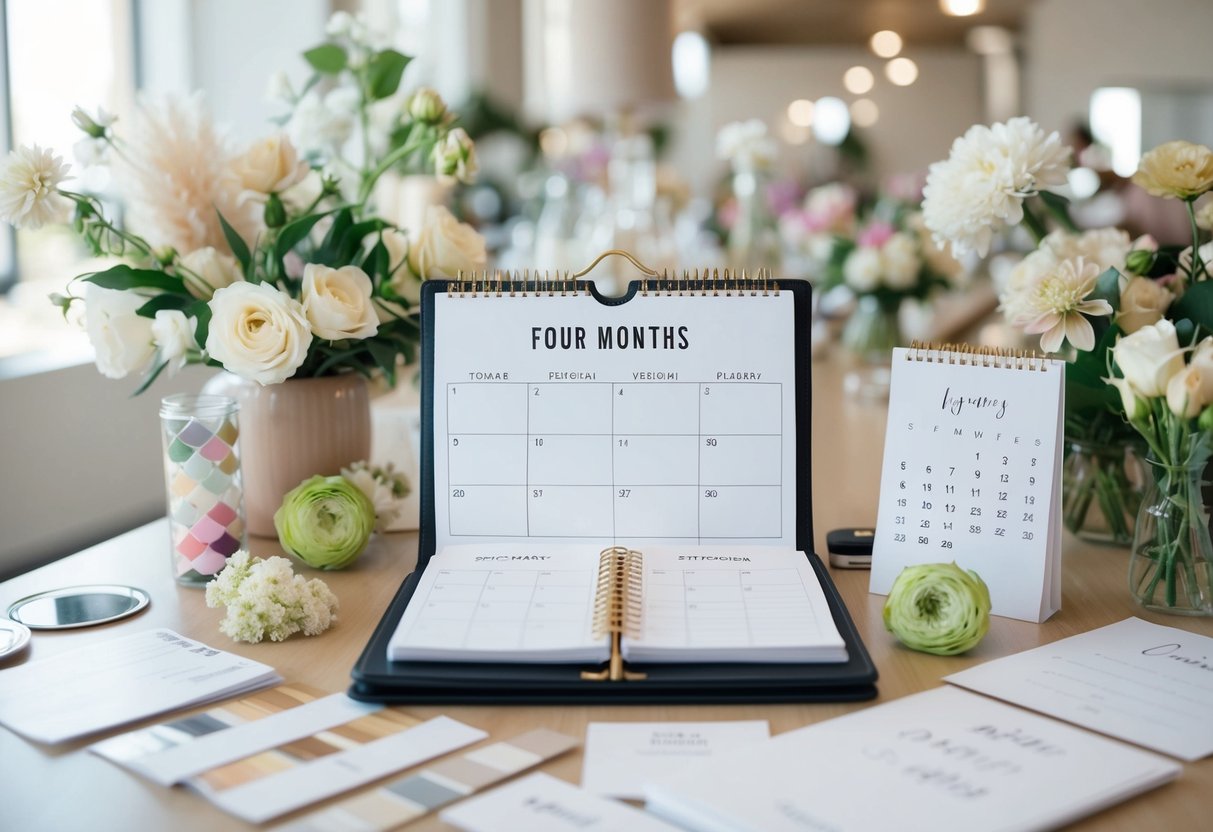
You’ll need to prioritize tasks and possibly make a few compromises along the way. From setting your budget to securing a venue and booking vendors, having a clear plan can make all the difference. Embracing digital tools and resources can also help streamline the process, allowing you to stay on track without feeling stressed.
If you’re feeling uncertain about where to start, remember that plenty of people have faced similar situations. By taking it step by step, you can turn your wedding dreams into reality, even in a short time frame.
Starting Your Wedding Planning Journey
Planning a wedding in four months is possible with the right approach. Staying organized is key. Focus on your budget, create a detailed checklist, and choose your wedding party wisely.
Setting Your Wedding Budget
Start by determining how much you can spend on your wedding. A clear budget guides your choices and helps you prioritize your expenses.
Consider these key elements:
- Venue Costs: Research and compare prices.
- Catering: Decide if you want a buffet or plated meals, as this affects the cost.
- Attire: Factor in not only your dress or suit but also accessories.
- Decoration: Set aside funds for flowers and decor.
Leave some room for unexpected costs. Being flexible with your budget will allow you to enjoy your short engagement without stress.
Creating Your Wedding Checklist
A wedding checklist is essential for keeping track of everything that needs to be done. Start by listing tasks that are most important for your big day.
Your checklist might include:
- Book Venue: Secure your location first.
- Send Invitations: Get these out as soon as possible.
- Hire Vendors: Don’t forget photographers, florists, and musicians.
- Schedule Rehearsal: Organize practice for your wedding party.
Break tasks into weekly goals to avoid feeling overwhelmed. Check off items as you go to stay organized and focused.
Choosing Your Wedding Party
Deciding on your wedding party is an important step in the planning process. Think about close friends and family you want to support you on your special day.
Consider the following factors:
- Availability: Make sure they can commit to the timeline.
- Support: Choose people who will help you stay organized.
- Compatibility: Your party will work together, so pick those who get along.
Communicate clearly with your chosen members about their roles and responsibilities. This helps ensure that your wedding day goes smoothly.
Booking the Essentials

When planning a wedding in four months, booking the essentials is crucial. This includes selecting a venue, hiring key vendors, and purchasing wedding attire. Each step requires careful thought and prompt action.
Selecting and Booking Your Venue
The first step is to secure your venue. Look for places that are available within your timeline. Popular venues may book quickly, so act fast.
Consider options like local parks, community centers, or even a friend’s backyard for a personal touch. Don’t forget to check if they offer packages that include extras like tables and chairs.
When you find a venue you like, ask about their flexibility on dates and rates. Many venues may have weekday discounts or last-minute deals. Confirm your booking as soon as possible to avoid losing your spot.
Hiring Essential Vendors
Next, focus on hiring essential vendors. Start with key services like a photographer, caterer, and officiant. This is important because these vendors are often in high demand.
Research their availability and compare prices. Use online reviews to help you decide which vendors fit your needs and budget. Creating a list of must-have vendors can keep you organized.
Once you have a shortlist, reach out for quotes and availability. Confirm your bookings quickly to secure the best choices. Don’t forget to discuss meal options, photography styles, and any special requests you might have.
Purchasing Wedding Attire
Choosing your wedding attire comes next. Start by selecting your wedding dress, as this can take time for alterations and fittings. Look for dresses that can be ordered quickly or ready-to-wear options.
Make sure to schedule your final dress fitting as soon as possible. This will ensure everything fits perfectly on your big day.
Don’t forget about bridesmaid dresses. Decide on styles that your bridal party can easily obtain. In addition, consider wedding rings and accessories. Shopping early can help avoid last-minute rush and stressful decisions.
Managing Invitations and Guests
When planning a wedding in four months, managing your invitations and guest list is essential. This process involves finalizing your guest list and choosing the best way to send out your invitations.
Finalizing Guest List and Invitations
Start by creating your guest list as soon as possible. Sit down with your partner and decide who you both want to invite. It helps to make a few separate lists: immediate family, close friends, and others. This can ease the process.
Next, once your list is ready, choose your wedding invitations. You can either go with traditional paper invites or consider digital options. Make sure to include key details like the date, time, location, and RSVP instructions. Aim to send them out about two months before the wedding to give everyone enough time to respond. A quick reminder for guests closer to the date can also be helpful for confirming your final headcount.
Handling Digital Invitations and Save-the-Dates
Digital invitations have become a popular choice. They are quick and easy to send, making them perfect for last-minute weddings. Websites and apps allow you to customize and track RSVPs seamlessly.
You might also consider sending out save-the-dates. These can be simple digital cards noting the wedding date, especially if your wedding is during a busy season or you expect many out-of-town guests. Digital formats save money and time.
For any option you choose, ensure you clearly state how guests should RSVP. This will help you keep track of who is coming and make planning a lot easier. Make sure to follow up with anyone who hasn’t responded as the date approaches.
Final Preparations for the Big Day
As your wedding day approaches, the final tasks require attention to detail. Coordinating events and securing important documents will help ensure everything goes smoothly.
Coordinating Pre-Wedding Events
It’s time to plan essential pre-wedding events. This includes scheduling the rehearsal dinner and any gatherings for family and friends. The rehearsal dinner usually takes place the night before the wedding. Decide on a location and create a guest list.
You might also want to organize a bridal shower or a bachelorette party. These events allow you to celebrate with loved ones. Choose themes, food, and activities that reflect your personal style. Consider sending out invitations early to give guests ample notice. By having these events planned, you create wonderful memories leading up to your big day.
Securing Marriage License and Registry
A marriage license is crucial as it allows you to legally marry. Make sure to check your local laws since requirements vary by location. Most places require you to apply in person and may have a waiting period before the license becomes valid.
While you handle the legal aspect, create your wedding registry. Register at multiple stores to provide guests with a range of options. Popular items often include home essentials, kitchenware, and experiences. Don’t forget to add some fun items like honeymoon activities or custom wedding favors. This helps guide guests in choosing gifts you’ll truly love.
Delegate Last-Minute Tasks
As your big day nears, don’t hesitate to ask for help. Delegating tasks can ease stress and keep you focused.
Consider hiring a wedding planner if your budget allows. A wedding planner can manage logistics on your behalf, from the timeline to vendor coordination.
Assign specific chores to trusted friends or family. Whether it’s picking up the wedding cake, decorating the venue, or handling wedding favors, clear communication is vital.
Make a list of tasks and check them off as they’re completed. This teamwork will make your wedding day less overwhelming and more enjoyable, allowing you to fully soak in the moment.