
Can I Plan My Wedding Myself? Tips for a DIY Celebration
Planning your wedding can seem overwhelming, but the good news is that you can absolutely plan your own wedding. Many couples find joy and fulfillment in taking on this task themselves. It allows you to create a celebration that truly reflects your unique style and relationship.
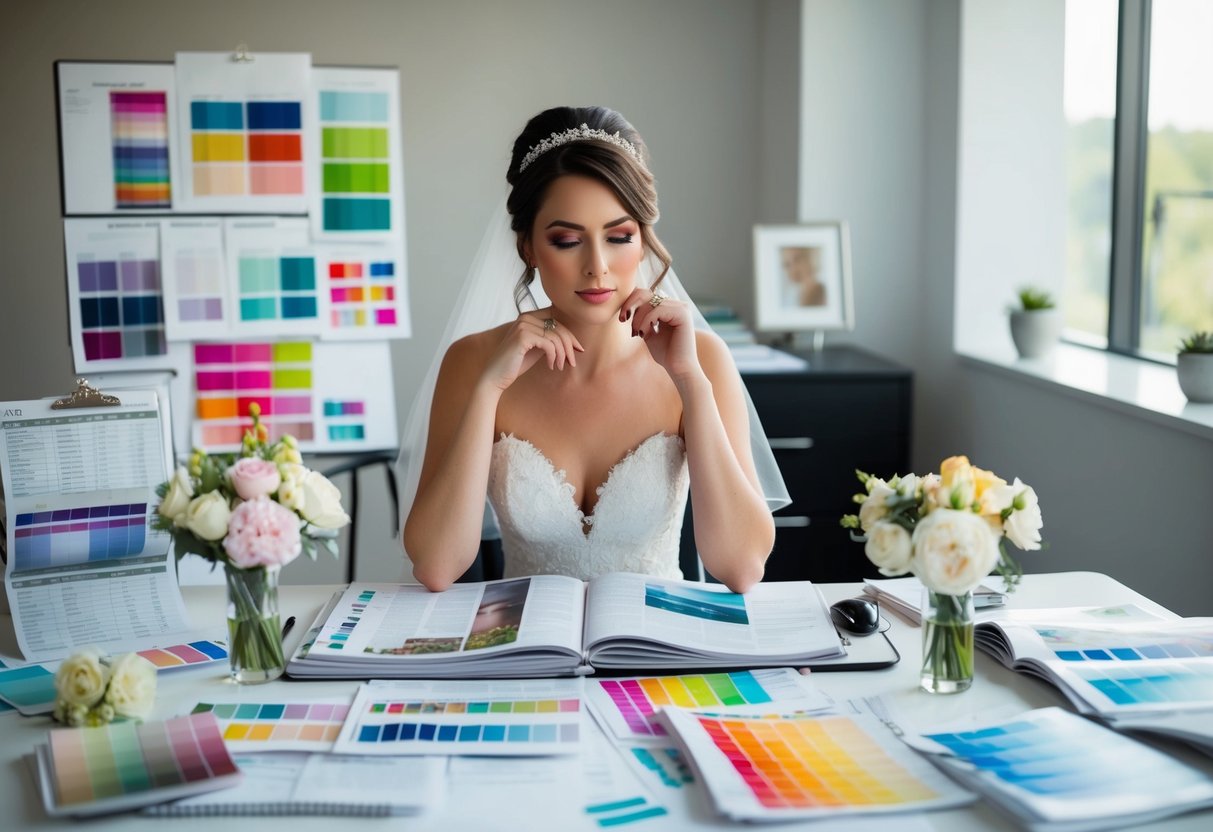
By diving into wedding planning yourself, you not only save money but also get to enjoy the creative process. From setting a budget to choosing the perfect venue, each step can be a meaningful experience. Learning about how to plan a wedding can also be a fun adventure for you and your partner, letting you work together towards a common goal.
As you consider this journey, remember that many resources are available to help you succeed. With the right organization and a willingness to tackle challenges, planning your own wedding can be a rewarding experience that brings you closer as a couple.
Setting Your Wedding Vision and Budget

Creating a clear vision for your wedding and setting a budget are two vital steps in your planning process. These elements will guide your choices and help you make informed decisions throughout.
Establishing Your Vision
To begin, think about what you envision for your big day. Consider your personal style and the atmosphere you want to create. Look for wedding inspiration in magazines, social media, or Pinterest to help spark ideas.
Ask yourself questions like:
- What theme do you love? (e.g., rustic, modern, classic)
- What colors do you prefer?
- Do you want an indoor or outdoor venue?
Visualizing these details can make your planning smoother. Create a mood board to gather images and elements that resonate with your vision. This will be your guide as you make choices about decorations, attire, and more.
Allocating the Budget
Next, it’s time to set your wedding budget. Start by listing all possible wedding costs. Different aspects of your wedding can have varying price tags, and creating a budget will keep you on track.
Key budget categories include:
- Venue costs
- Catering and food
- Decorations
- Attire and accessories
- Photography
Once you have an estimate for each category, prioritize what matters most to you. Be flexible but firm on what you can spend. This planning step ensures your wedding vision aligns with your financial comfort, allowing you to celebrate without extra worry.
The Essentials of Wedding Planning

Planning your own wedding can be a rewarding experience when you focus on the essentials. You’ll want to pay special attention to selecting the right date, creating a guest list, and securing the perfect venue and vendors. Each of these steps will make your wedding planning smoother and more enjoyable.
Choosing the Perfect Date
Selecting your wedding date is a critical first step. Consider the season you love most—spring, summer, fall, or winter. Each season offers a unique vibe and ambiance.
Next, think about significant dates. Do you want to celebrate on a special anniversary or a holiday?
Don’t forget to check local events that might clash with your wedding plans. You want your guests to be available to celebrate with you. Once you have a few options, discuss them with your partner and choose a date that works for both of you.
Creating the Guest List
Your guest list is a key part of your wedding planning. Start by jotting down everyone you’d like to invite. It’s helpful to group guests by categories, such as family, friends, and coworkers.
Prioritize your list. Decide who must be there versus those who can be optional. This will help you manage your budget and ensure your venue can accommodate everyone.
Aim for a specific number to keep things in check. Remember, every guest adds to your costs, including catering and seating.
Securing the Venue and Vendors
Finding the right wedding venue is exciting but can also be overwhelming. Start by listing the types of venues you prefer, such as a beach, garden, or banquet hall.
Visit potential sites to evaluate the atmosphere, space, and amenities like dressing rooms and restrooms.
Once you’ve settled on a venue, the next step is hiring vendors. Look for caterers, photographers, and decorators that fit your style and budget. Ask for recommendations and read reviews to ensure you choose reliable professionals.
Consider creating a timeline for when to book each vendor. This will keep you organized and stress-free as your wedding day approaches.
Detailing Your Big Day

Planning your wedding means thinking about the specific details that will make your day unique. Two important areas to focus on are your wedding attire and style, along with the decor and stationery that will set the tone for your celebration.
Wedding Attire and Style
Choosing your wedding attire is one of the most exciting parts of planning. Start by selecting your wedding dress and the groom’s outfit. Consider styles that reflect your personality.
Popular wedding dress styles:
- A-line
- Ball gown
- Mermaid
Don’t forget accessories like veils, shoes, and jewelry. Coordinate the attire of your wedding party to complement your look. This can create a beautiful and cohesive appearance.
Also, think about color schemes and fabrics. These choices can enhance your overall wedding style, so pick colors that resonate with you.
Designing Your Decor and Stationery
Your wedding decor and stationery help shape the feel of your event. Start with your decor. Think about the venue and how you can enhance its natural beauty.
Key decor elements include:
- Flowers
- Centerpieces
- Lighting
Choose a florist who understands your vision for the flowers. They can create stunning arrangements that fit your theme.
Next, consider your wedding stationery. This includes save-the-dates, invitations, and programs. They should reflect your wedding style and give guests a glimpse of what to expect. You might want to include personal touches, like a special logo or design that represents you as a couple.
These details will contribute to a memorable day that truly reflects who you are.
Finalizing Your Wedding Plan
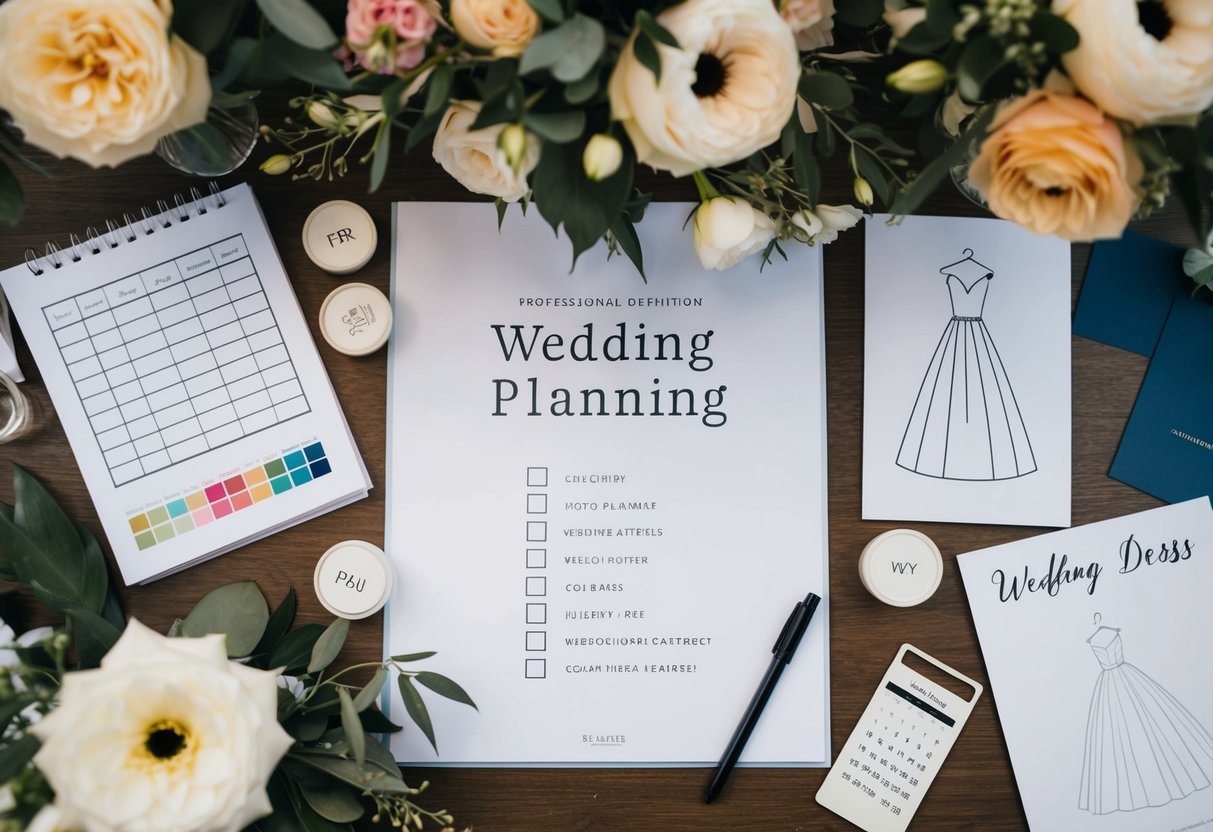
As you get closer to your big day, it’s time to confirm all the details of your wedding. In this stage, staying organized is key. Make sure all your vendor arrangements are solidified, and create a timeline to keep everything on track.
Last-Minute Checklist
A last-minute checklist is essential for a smooth wedding day. Start by confirming your wedding vendors. Call to ensure that your baker is set for the wedding cake and that your florist knows what flowers you want.
Don’t forget to check on your wedding invitations. Make sure all RSVPs are in, and you have a final count for the wedding reception. You can also prepare wedding favors and organize them for guests.
Lastly, ensure you have your marriage license ready. Some venues may require it before the ceremony. Double-check save-the-dates have been sent and acknowledged. This checklist will help you focus on enjoying your day without worrying about last-minute tasks.
Creating Your Wedding Day Timeline
Creating a wedding day timeline will keep your event organized. Start your timeline with the arrival times of your wedding party.
Include when hair and makeup will begin, so everyone is ready for photos on time.
List when each part of your day will happen, like the ceremony, toasts, and first dances. Be specific about when to cut the wedding cake and when the reception starts.
Include time for unexpected delays to keep stress low.
If you’re having a destination wedding, factor in travel times for guests.
Share this timeline with your wedding planner and vendors. This will help everyone know where they need to be and when, making your day flow smoothly.