
Can I Refuse to Be a Bridesmaid? Understanding Your Options and Feelings
Being asked to be a bridesmaid can feel exciting, but what if you need to decline? You absolutely can refuse the role of a bridesmaid if it doesn’t fit your circumstances or comfort level.
Whether it’s due to financial constraints, personal commitments, or simply not feeling up to the task, it’s perfectly okay to say no.
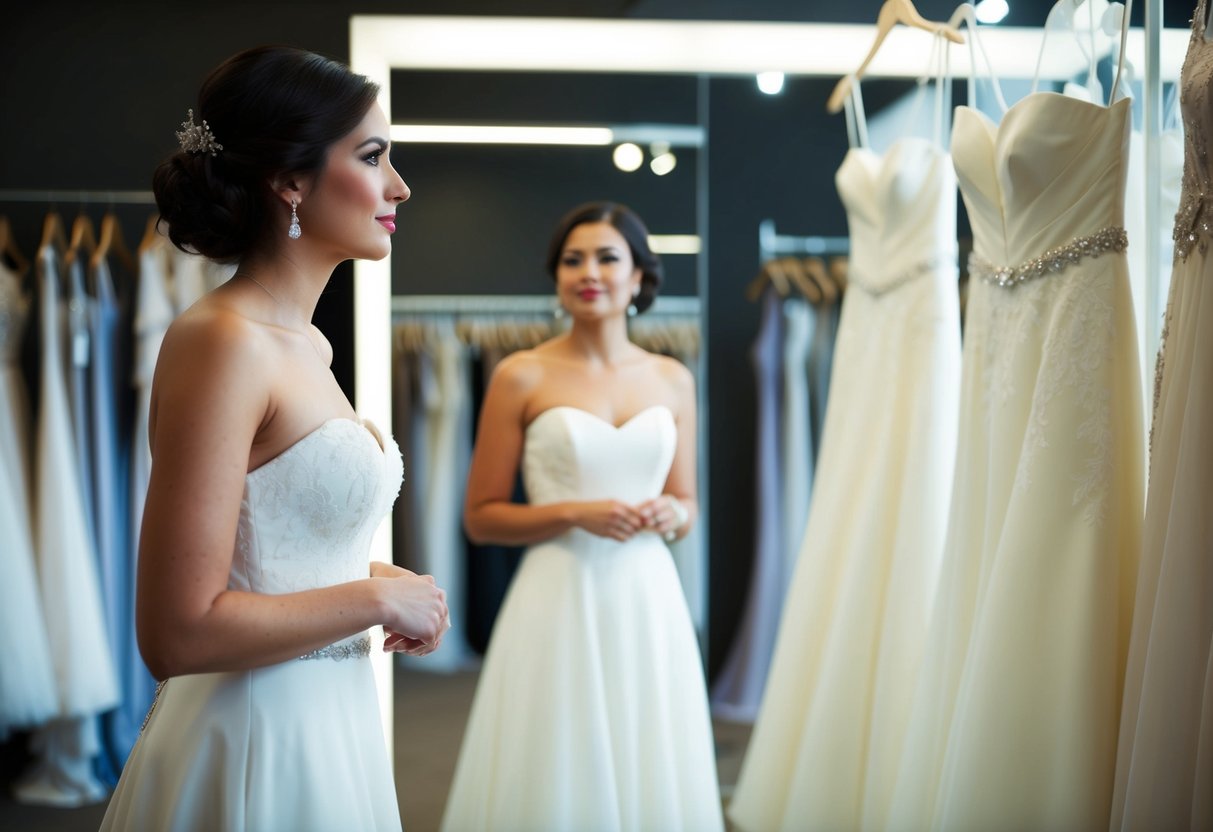
If you’re worried about hurting feelings, know that many people understand personal situations. There are considerate ways to express your decision without causing upset.
It’s important to communicate early and honestly with the bride or groom, showing you still care about their special day.
Read on to discover tips on how to politely decline and still offer your support as a friend. You’ll find that stepping back from this role doesn’t have to mean stepping away from the celebration.
Understanding Bridesmaid Responsibilities
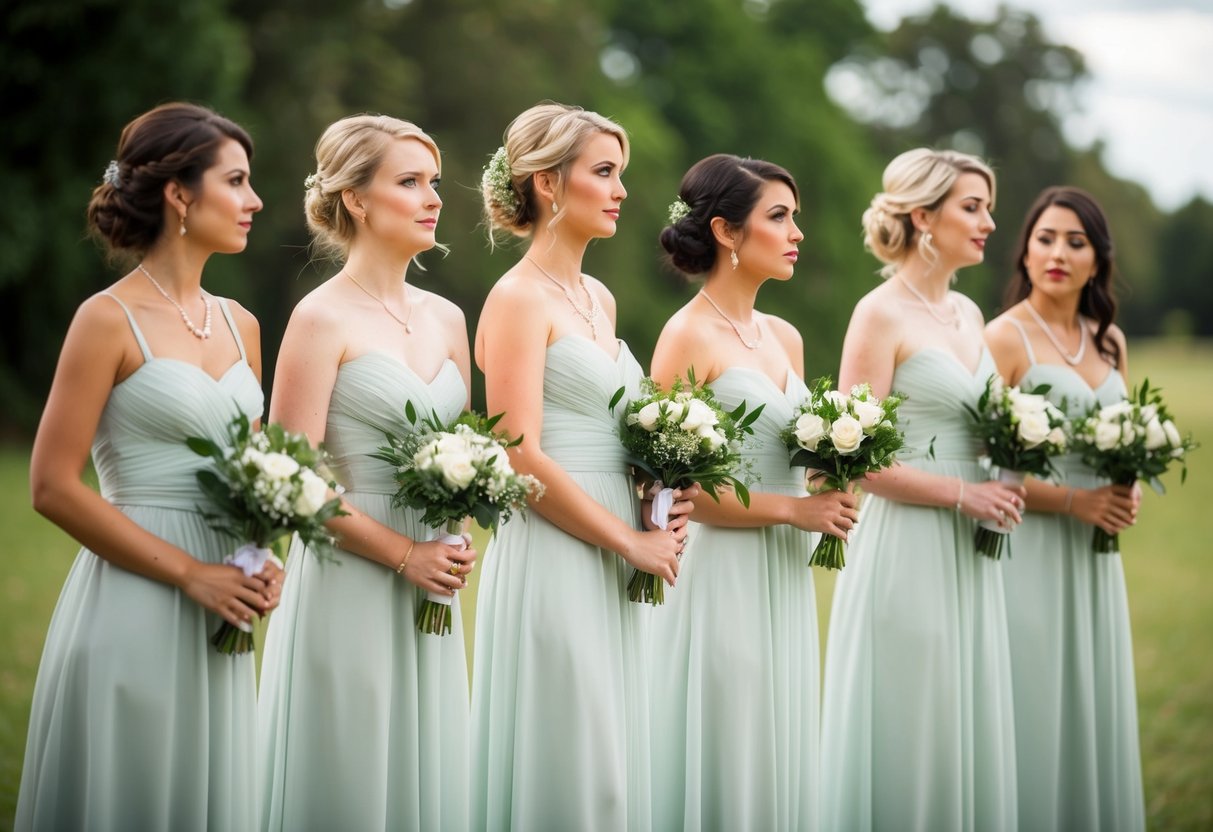
Being a bridesmaid comes with important roles and duties that require commitment. It’s not just about wearing a pretty dress; it involves various responsibilities and costs that you should be aware of.
Role and Commitment
As a bridesmaid, your main role is to support the bride during the wedding planning process and on the big day. You’ll stand by her side during the ceremony and help with tasks like organizing pre-wedding events.
Supporting the bride may also mean attending meetings with vendors or helping choose details like the wedding theme and decor.
You might plan or participate in events such as the bridal shower or bachelorette party, which are special moments leading up to the wedding.
Your commitment also includes being available for fittings and rehearsals. It’s essential to communicate openly with the bride about your availability and any concerns.
Financial and Time Obligations
Being a bridesmaid can involve significant costs. You’ll likely need to purchase a bridesmaid dress, which can vary in price. Additional costs include accessories, hair and makeup, and gifts for the bride.
You should also consider travel expenses for pre-wedding events. Attending the bridal shower, bachelorette party, and, of course, the wedding can add up quickly.
It’s important to budget and discuss these costs with the bride.
Time is another commitment. You may need to set aside weekends and evenings for planning meetings and events. If you have a busy schedule, it’s best to talk to the bride early on about what you can manage.
Deciding Whether to Accept the Bridesmaid Proposal
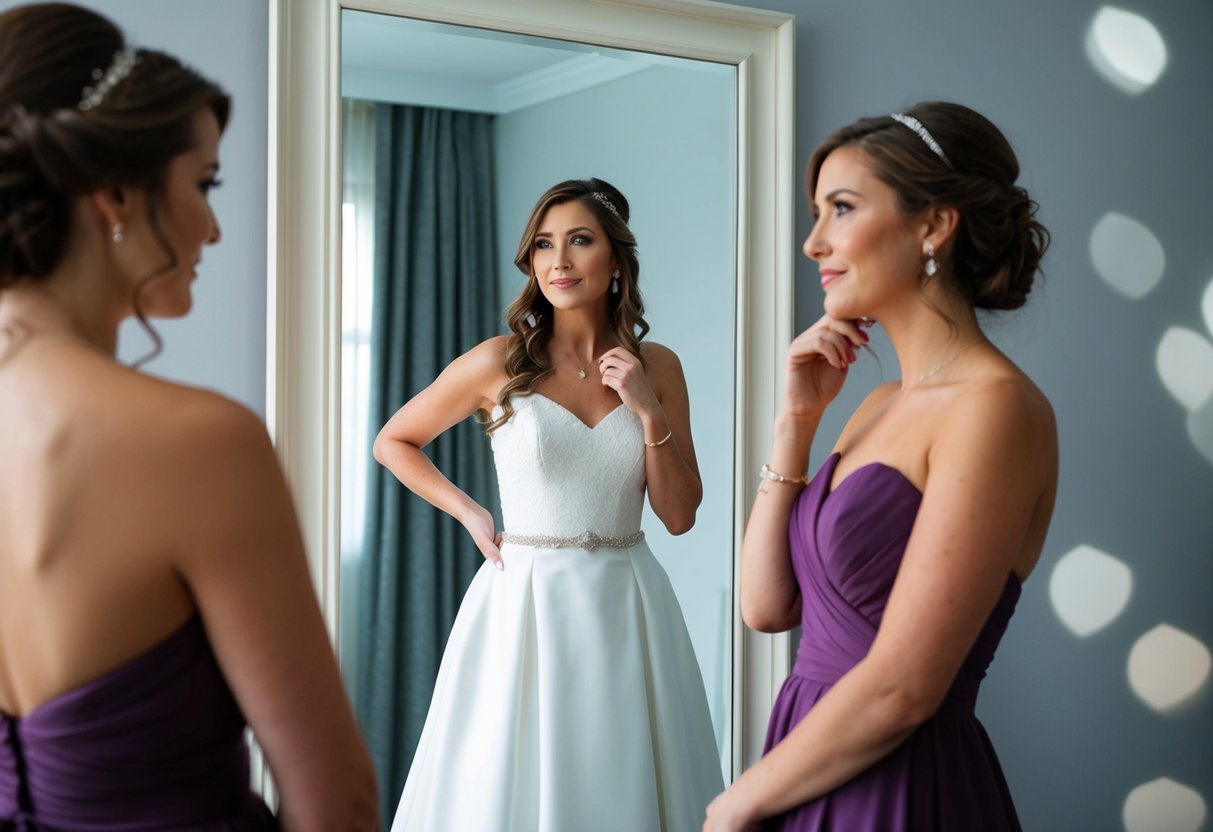
When you receive a bridesmaid proposal, it’s essential to think about your personal situation and the nature of your relationship with the bride. Taking on this role involves a commitment that goes beyond just attending the wedding.
Personal Circumstances and Availability
Think about your current life situation. Are you dealing with significant challenges, like a new job, pregnancy, or other responsibilities? These factors can impact your ability to fully enjoy the role of a bridesmaid.
Consider your schedule leading up to the wedding. You might need to attend multiple events, like bridal showers and bachelorette parties, which require time and energy. If you have prior commitments that conflict, it might be a red flag for you.
Being honest about your availability can save both you and the bride from potential stress. If you can’t give your best effort, it may be better to politely decline.
Evaluating Your Relationship with the Bride
Your connection with the bride is a big factor in this decision. Ask yourself how strong your friendship is. If you have a close relationship, you might feel more inclined to accept the proposal.
Also, think about the bride’s expectations. Do you share similar values and views on weddings? If you are not particularly close, the commitment might feel overwhelming.
Remember, you want to support your friend, but you also want to be true to yourself. If saying yes feels more like a burden, it’s okay to respectfully decline.
How to Gracefully Decline
Declining the role of bridesmaid can feel tricky. It’s important to communicate your decision thoughtfully to maintain your relationship. Here’s how to do it with care and respect.
The Right Way to Communicate Your Decision
When you decide to say no, choose a suitable time and place. Speak in person if possible, as this shows respect.
Begin by expressing gratitude for the invitation. Acknowledge the honor of being considered a bridesmaid.
Then, clearly state your reasons. Be honest yet tactful.
You might say, “I can’t take on this role right now,” due to personal commitments or financial concerns. Keep your tone light and positive. Remember, it’s not selfish to prioritize your well-being.
Offer to support the bride in other ways. You can attend events or help with planning. This shows you’re still invested in her happiness.
Possible Reactions and How to Handle Them
Be prepared for a range of reactions. The bride may feel hurt or disappointed. It’s normal for them to need a moment to process your decision. If she seems upset, reassure her that it’s not about her.
Listen actively to her feelings. A simple way to respond is, “I understand this is disappointing.” This shows empathy and connection. If she is understanding, great! If not, stay calm and respectful.
Sometimes, friends may react differently. They might question your choice or worry about the bride’s feelings.
You can politely explain your decision. Saying something like, “I have some personal commitments right now,” can clarify your position.
Staying honest, yet kind, helps maintain your friendship during this delicate situation.
Alternatives to Being a Bridesmaid
You might not be able to commit to being a bridesmaid, but there are still plenty of ways to support the bride. Here are some options that allow you to participate in the wedding without taking on the full responsibilities of being in the wedding party.
Other Ways to Participate in the Wedding
If being a bridesmaid is too much for you, consider other roles.
You can help with planning events like the bridal shower or bachelorette party. This lets you be involved without the stress of wearing a bridesmaid dress or attending every rehearsal.
You can also volunteer to assist on the big day. Tasks like greeting guests or helping with decoration can make a difference. Your involvement shows your support even if you’re not in the wedding party.
Supporting from Afar
Sometimes, supporting from a distance can be just as valuable. You can send thoughtful gifts or plan a fun celebration after the wedding. A heartfelt card or a video call can mean a lot.
If travel expenses or schedules are an issue, you can encourage the bride through texts or calls. Staying connected and offering emotional support shows you care and are still part of her special moment despite not being in the wedding.