
Can Mother and Father Walk Bride Down Aisle? Exploring Traditional and Modern Options
Your wedding day is one of the most meaningful days of your life, filled with love and support from the people who matter most. If that feels right for you, you can absolutely choose to have both your mother and father walk you down the aisle. This beautiful moment can highlight the unity and inclusivity that many couples seek, making the ceremony even more special.
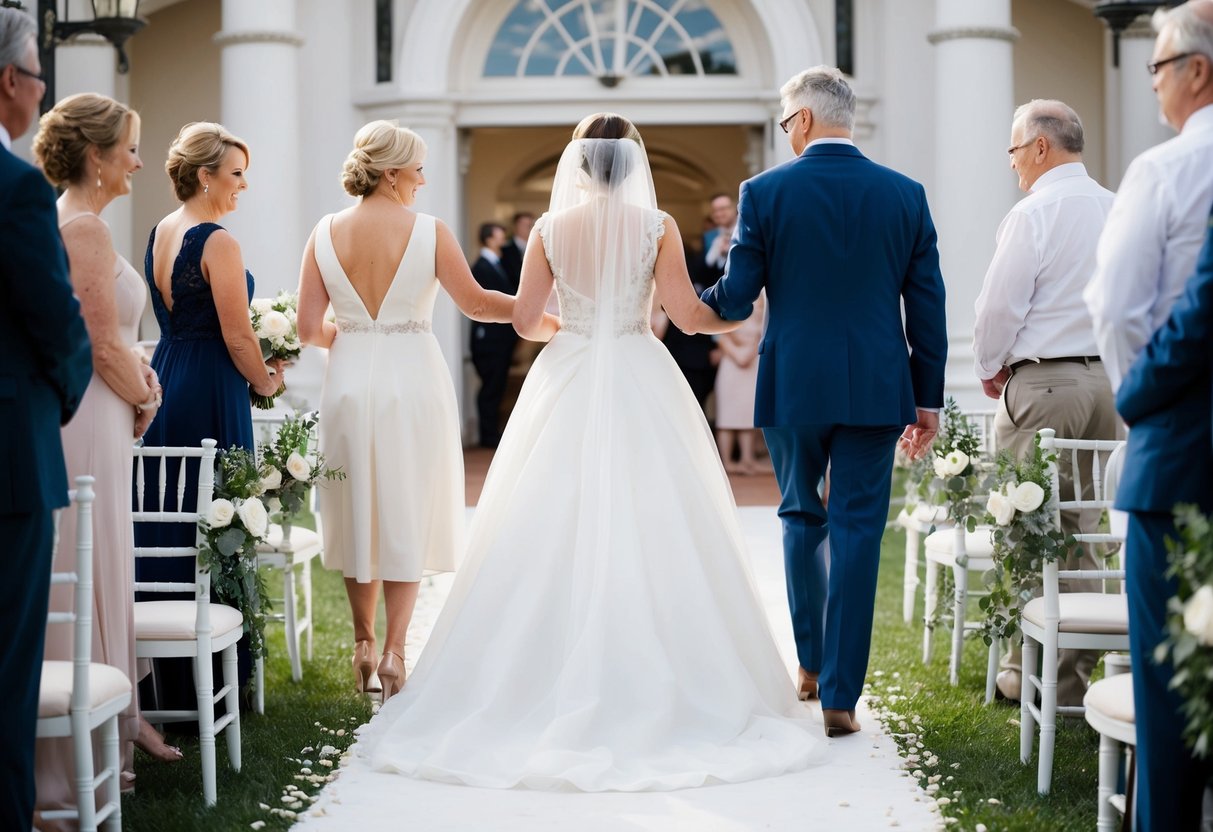
Including both parents in this significant walk emphasizes the support they provide on your marriage journey. It sends a strong message about family bonds and shared love. Whether you want them by your side or prefer to walk alone, your choice reflects your unique relationship with each of them.
As you think about how you want to walk down the aisle, remember that this moment is about celebrating your love. It’s an opportunity to create lasting memories that honor your family’s role in your life.
Traditions of Who Walks the Bride Down the Aisle
Weddings often include special traditions about who accompanies the bride down the aisle. These customs can vary based on culture, history, and personal preference. Let’s explore the historical significance of these roles and how both parents may participate in this important moment.
Historical Significance
The custom of the bride being escorted down the aisle has deep roots. Historically, this tradition dates back to arranged marriages where the father of the bride would “give away” his daughter to the groom. This act symbolized the transfer of responsibility for the bride’s well-being. It was seen as a way to ensure her future security and stability.
In many cultures, this tradition continues, representing the father’s protective role. Today, more couples are choosing to personalize this moment, sometimes including both parents or other significant family members. This shift reflects changing views on parenting and partnership in marriage.
Father Walking the Bride Down the Aisle
The tradition of the father walking the bride down the aisle is well-known and widely practiced. This moment often symbolizes the father’s blessing and support for his daughter as she starts a new chapter in her life. It’s a cherished occasion for many families.
Some brides choose to have their father walk them down solo, while others may include both parents or a combination of family members. This flexibility allows for personal expression. You might also consider having a different male figure, like a brother or uncle, if your father isn’t available or if you prefer a unique twist.
Mother of the Bride’s Role
The mother of the bride also holds significant importance in the wedding processional. Traditionally, she may walk down the aisle before the bride or escort her down the aisle alongside her father. This shows the unity of the family and the shared joy of the occasion.
In some modern ceremonies, the bride may choose her mother to walk with her. This can mark a special bond and signify the mother’s support and love. No matter the choice, the mother’s role can be a beautiful addition to the wedding, highlighting the family’s connection.
Modern Interpretations of the Processional
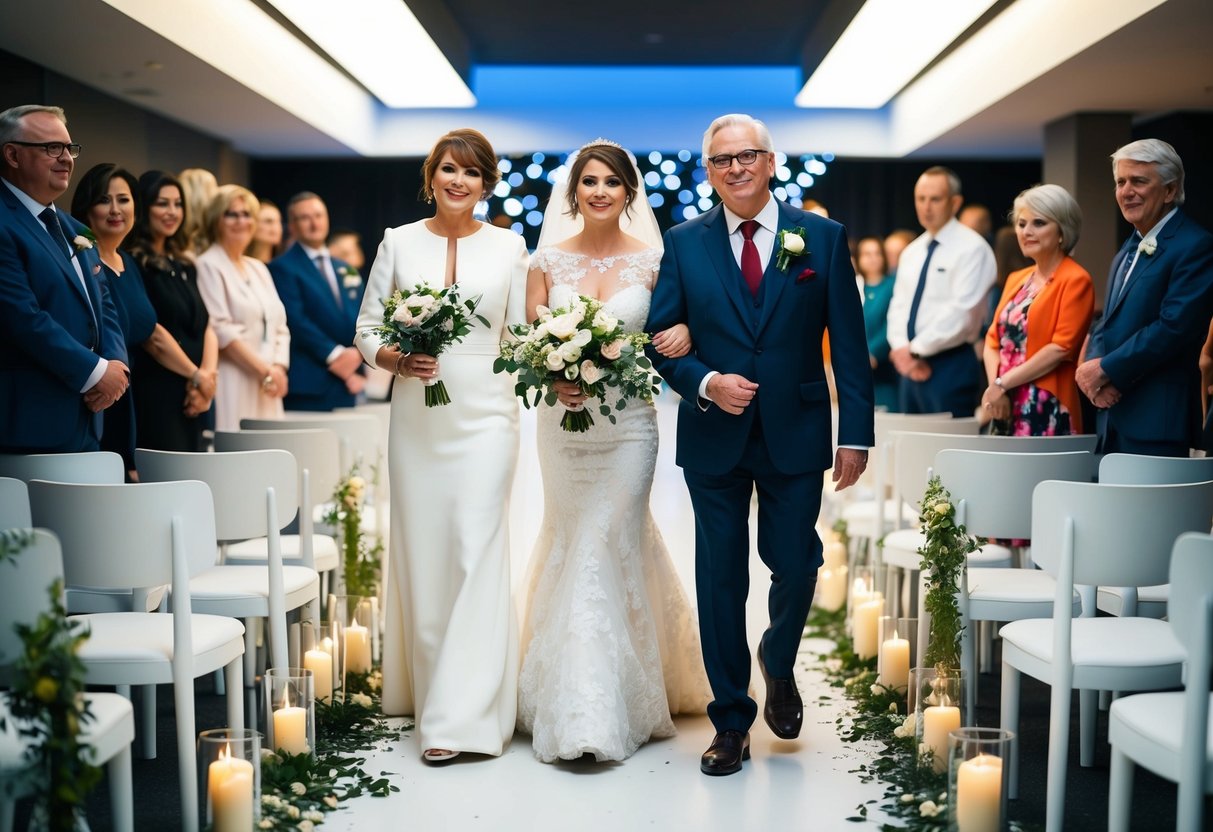
In today’s weddings, how you walk down the aisle can look different than in the past. Many modern brides celebrate various family dynamics and personal choices. Let’s explore how both parents can be involved, alternative family arrangements, and the freedom to walk alone.
Both Parents’ Involvement
One popular choice is for both parents to walk the bride down the aisle. This option symbolizes unity and support from both sides of the family. You can customize this moment to reflect your relationship with your parents.
For example, you might choose to have your mother on one side and your father on the other. This arrangement can showcase the love and respect between families. Another option is for both parents to hold your hands as you walk together. This creates a beautiful moment of togetherness and strength.
Alternative Family Dynamics
Every family is unique, and modern weddings often reflect this. You might have step-parents, grandparents, or other loved ones who play significant roles in your life. In this case, you can mix and match who will escort you.
Some brides opt for a step-parent to walk them down the aisle. This decision honors that relationship while still maintaining tradition. Alternatively, you could have a grandparent or sibling accompany you. The important thing is that you choose individuals who support and uplift you.
Celebrating Independence and Personal Choices
Many modern brides embrace their independence. Walking down the aisle alone can be a powerful statement about your individuality. It shows that you’re confident and ready to start this new chapter in your life.
This option allows you to control your own narrative. Some brides prefer to enter the venue solo, symbolizing strength and self-reliance. You may choose to take a moment to reflect and enjoy the anticipation of the moment before joining your partner at the altar.
Planning the Wedding Procession
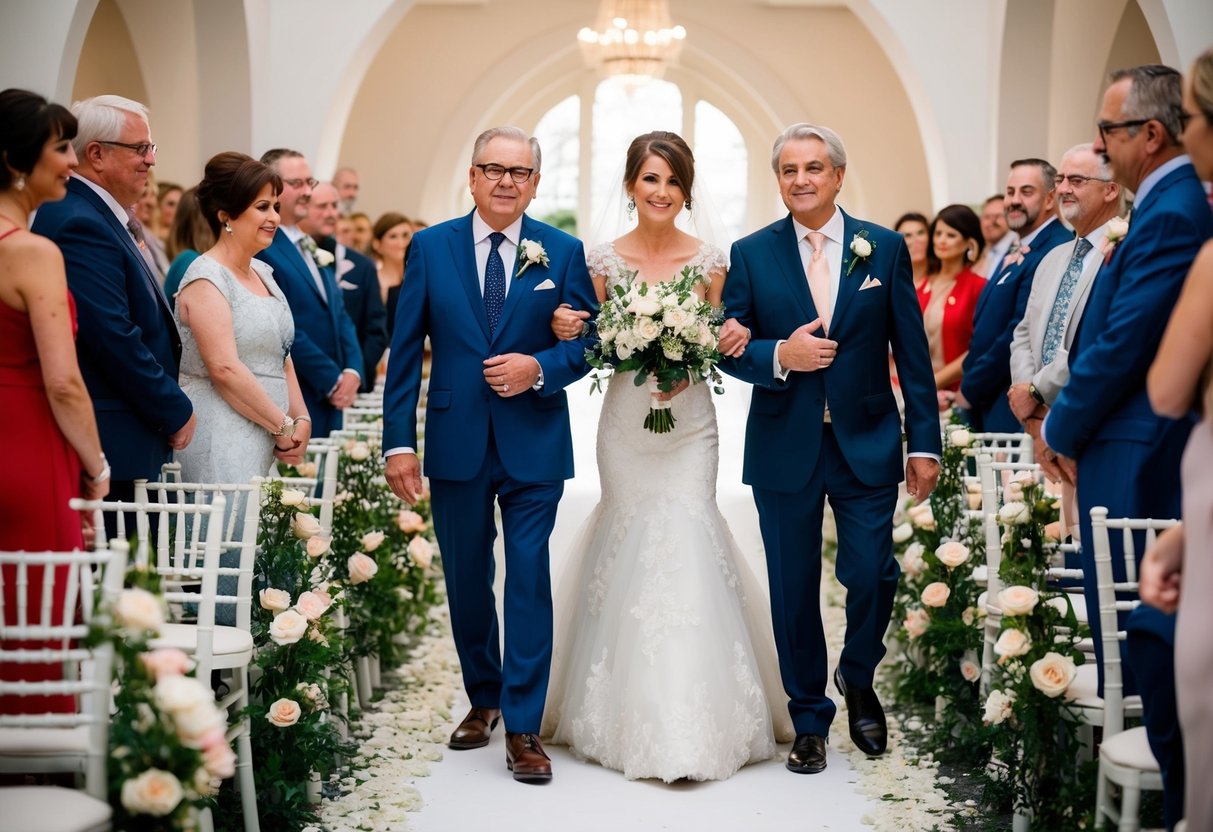
When planning your wedding procession, you want to ensure that it flows smoothly and reflects your family dynamic. It’s essential to consider everyone’s roles and create special memories during this important moment.
The Role of a Wedding Consultant
A wedding consultant can be a valuable resource in planning your procession. They help coordinate everything from the timing to the lineup of parents, bridal party, and even guests. Their experience ensures that the ceremony runs smoothly, allowing you to enjoy the moment without stress.
They can also provide insights into traditional and modern approaches. This guidance can help you navigate decisions like whether both parents will walk you down the aisle. A consultant’s organizational skills mean you can focus on creating memories rather than worrying about logistics.
Coordinating with Family Members
Communication with your family is crucial for a successful procession. Make sure everyone knows their roles and the plan for the day. This includes your parents, bridal party, and any special family members involved in the ceremony.
Consider a family meeting or group chat to discuss arrangements. Doing so helps avoid misunderstandings and ensures everyone is comfortable with their tasks. Address any concerns upfront, and remember to be flexible. Family dynamics can be complex, so maintaining open lines of communication is essential.
Creating Meaningful Moments
Meaningful moments during your wedding procession can make the day unforgettable. Think about personal touches that reflect your relationship and family background.
This might include unique entrances for your parents, special music, or even personal vows.
Consider including a moment of reflection where you acknowledge your family’s support. You could share a brief story about why your parents or family members’ roles are significant to you.
These moments make the ceremony feel personal and memorable, bonding everyone together as you embark on this new chapter.