
Can My Friend Officiate My Wedding in Texas? Here’s What You Need to Know!
Planning your wedding is an exciting time, and you may have thought about having a friend officiate the ceremony. In Texas, a friend can officiate your wedding as long as they meet certain qualifications set by state law. This option can add a personal touch to your special day and make it even more memorable.
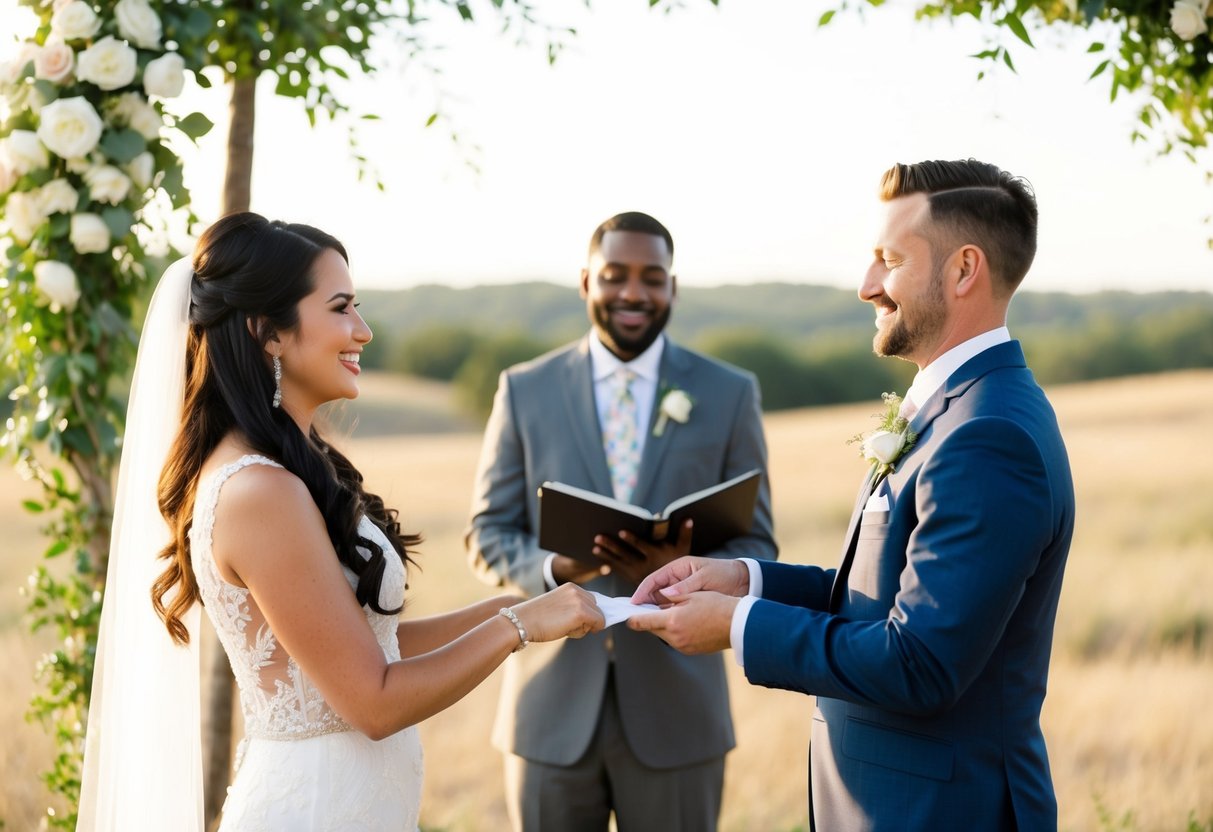
You don’t have to jump through hoops to make this happen. Texas law does not require your friend to register as an officiant beforehand. However, they must fall into a specific category, like being an ordained minister or having some official standing. This means that many people you know might be eligible to help you tie the knot!
Before you finalize your choice, it’s good to understand the legal aspects involved. This post will guide you through what you and your friend need to know to ensure everything goes smoothly on your wedding day.
Eligibility to Officiate a Wedding in Texas
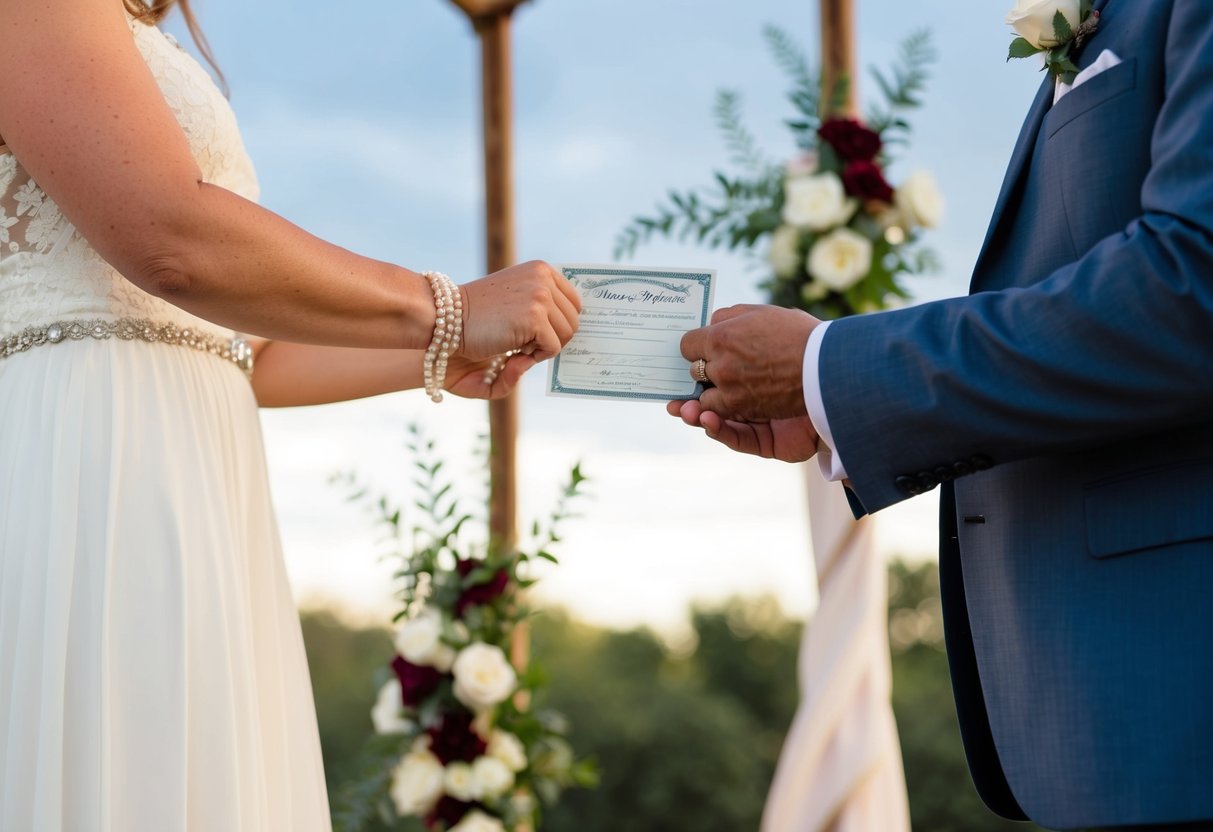
If you’re considering having a family friend officiate your wedding, it’s important to know who is eligible in Texas. According to the Texas Family Code, you need an individual who meets specific requirements.
Eligible officiants include:
- Ordained ministers: Those with credentials from a recognized religious organization.
- Justice of the Peace: They can perform legal weddings as part of their duties.
- Retired judges and magistrates: Former judges also have the authority to officiate.
Many people turn to services like the Universal Life Church or American Marriage Ministries for online ordination. These organizations provide an easy way to become an ordained minister.
There is no registration requirement for officiants in Texas. This means your friend can officiate as long as they are qualified under Texas Family Code Section 2.202.
If you choose someone from an online ministry, make sure they have valid ministry credentials. This will ensure that your ceremony is recognized legally.
Make sure whoever you choose understands the legalities involved in officiating a wedding. This will help ensure your special day goes smoothly!
Legal Requirements for a Valid Marriage Ceremony

If you want your friend to officiate your wedding in Texas, there are some important legal requirements to follow.
First, Texas law states that only certain individuals can officiate a marriage. This includes judges, active or retired, and ordained ministers. You must ensure that your friend meets the requirements outlined in Texas statutes § 2.202.
To get married, you need a marriage license. You can obtain this from your county clerk’s office. Both partners must be present to apply. Bring the necessary identification and pay the required fee.
Once you have the marriage license, it must be signed by the officiant during the ceremony. Afterward, the officiant is responsible for returning the signed license to the county clerk. This step is vital for your marriage to be legally recognized.
Make sure your ceremony includes vows and any other rituals you want. As long as your friend meets the legal requirements and conducts the ceremony properly, you can enjoy a personal and meaningful wedding.
Remember to check with your local authorities for any additional rules or details to ensure your special day goes smoothly!
Types of Wedding Ceremonies in Texas
In Texas, there are different types of wedding ceremonies you can choose from. Understanding these options is important for making decisions about your big day. Here are the primary types you can consider.
Religious Ceremonies
Religious ceremonies are conducted by a member of the clergy or an authorized representative of a religious organization. These ceremonies can be very meaningful and often include specific rituals tied to faith traditions.
In Texas, you can have a ceremony in a place of worship or any other site that fits your religious beliefs. It’s essential to check with your chosen officiant about the procedures and requirements for your particular faith.
Many religious organizations have guidelines for officiating weddings, including any necessary premarital counseling. If your friend is ordained or part of a religious group, they may legally officiate your ceremony.
Civil Ceremonies
Civil ceremonies are non-religious and conducted by a government official, such as a judge or a county clerk. These weddings focus on the legal aspects of marriage without religious elements.
You can choose a small, simple ceremony in a courthouse or a larger venue. The atmosphere is usually relaxed, and you can personalize the event as you wish. In Texas, you can also have a civil ceremony by proxy, allowing one partner to be absent for valid reasons.
If you and your partner have been living together, you may want to consider a common law marriage. In Texas, this lets you be declared married without a formal ceremony, as long as you meet specific criteria.
Securing the Marriage License
To get married in Texas, you need a marriage license. You can obtain this from your local county clerk’s office. Make sure to check their hours before you go.
You must provide some basic information. This often includes:
- Your full names
- Date of birth
- Identification (like a driver’s license)
Both you and your partner must be present to apply. If either of you has been married before, you may need to provide the date of the divorce or the death of your former spouse.
Texas law does not require a wedding officiant to have a specific license. However, some officiants may be ordained or registered through religious organizations. This makes sure they meet the legal requirements to officiate your wedding.
Once you have your marriage license, it is valid for 90 days. Make sure to get married within this time frame. If you wait too long, you will need to apply for a new license.
The marriage license isn’t just a piece of paper; it’s a crucial step in your wedding journey. Enjoy the process and make sure all your paperwork is in order!