
Can My Mom Walk Me Down the Aisle? Exploring Alternative Traditions for Your Wedding Day
As you plan your wedding, you might wonder about family traditions and who will walk you down the aisle. Yes, your mom can absolutely walk you down the aisle! Couples are embracing more inclusive and personal approaches to their ceremonies, making this choice more common.
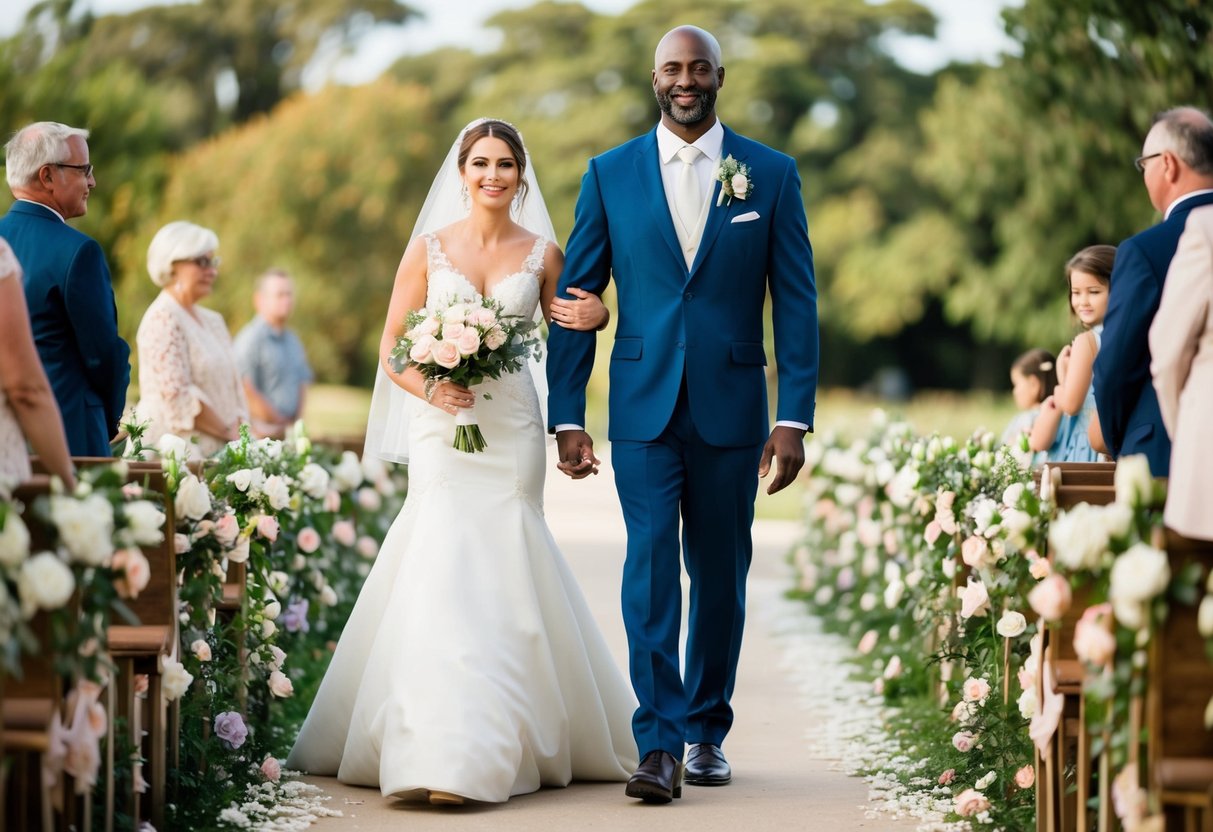
Walking down the aisle is a meaningful moment, and it should reflect your unique family and relationships. Many brides opt for their mothers to take on this honor, especially if they share a strong bond or if traditional roles don’t fit their story. This act not only honors your mother but also sets a tone of inclusivity at your wedding.
Choosing to have your mom walk you down the aisle can be a beautiful way to celebrate your relationship and the support she has given you. Embracing this option allows you to create a wedding that feels right for you and your family.
Traditions and Evolution
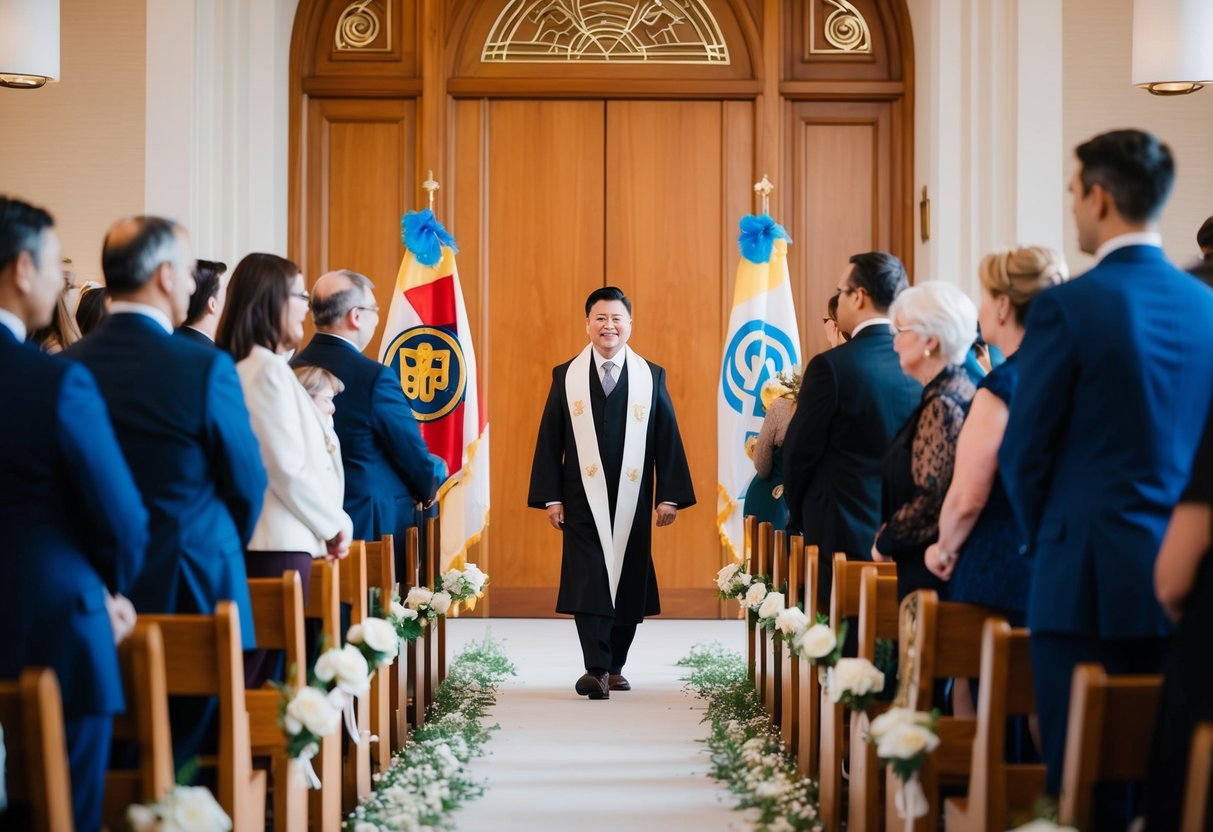
Weddings have long been steeped in traditions that shape how couples create their special day. These customs often reflect the values of families and cultures. Over time, many of these traditions have adapted to fit modern relationships and family structures.
Historical Traditions
Traditionally, the father of the bride would walk his daughter down the aisle. This custom symbolizes giving the bride away and has its roots in historical practices where women were viewed as property. In some cases, girls were married off to forge alliances between families.
Divorce and changing family dynamics have challenged this convention. Many brides now choose to involve other family members. This includes both parents or a single parent who has played a major role in their lives.
Modern Adaptations
In today’s weddings, you have the freedom to make your own choices. Many people now invite their mothers to walk them down the aisle, reflecting a shift toward recognizing the importance of their moms’ contributions.
Couples with two dads or two moms may also choose a family-centered approach. This can involve both parents walking them down the aisle or even creating a unique path that suits their relationship dynamics. Each couple can now tailor their ceremony to suit their personal story.
These modern adaptations emphasize partnership and support, allowing you to celebrate your love on your terms.
Choosing Your Aisle Companion
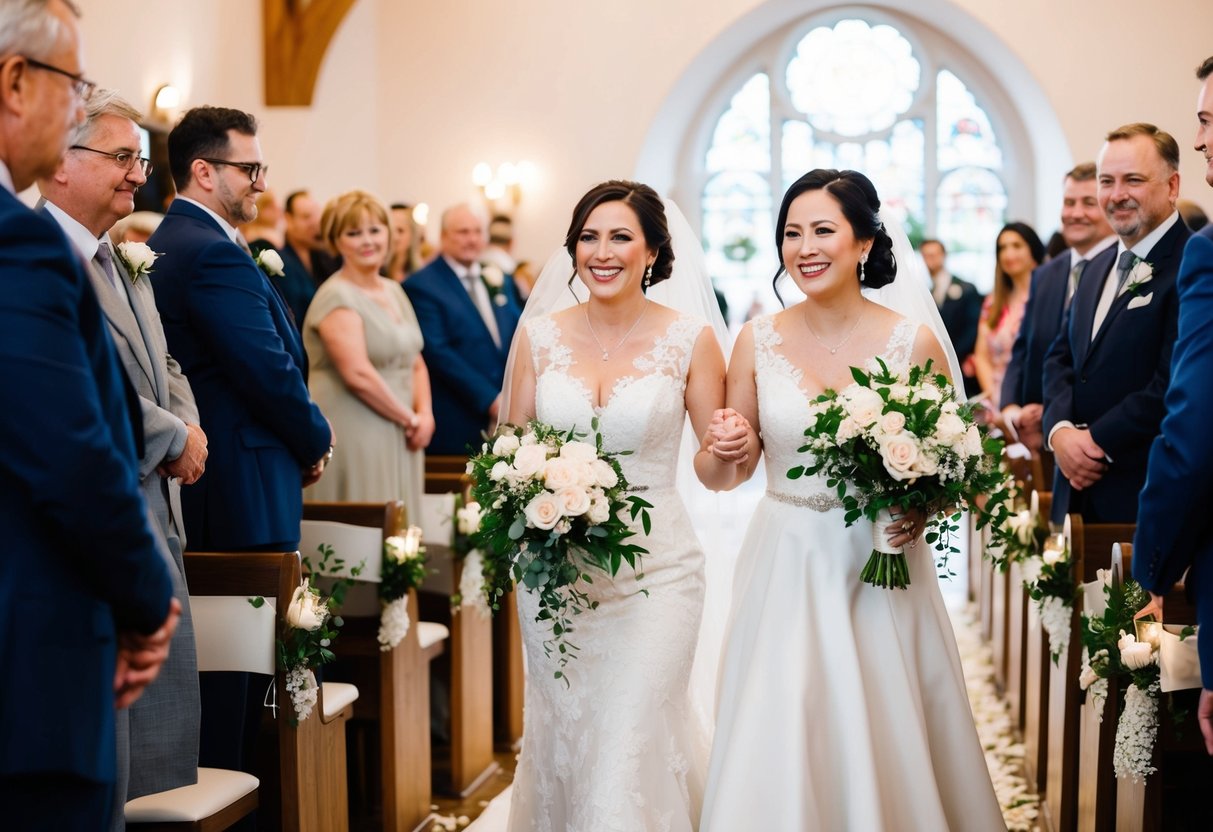
Deciding who will walk you down the aisle is an important and personal choice. It involves considering your family dynamics, your own preferences, and the role of your mother in this significant moment.
Family Dynamics
Family relationships can play a big role in who you choose to walk you down the aisle. You might consider your father, stepdad, brother, or even an uncle. Each choice carries its own meaning and can reflect your unique family story.
If your father is not in your life, a stepfather or another family member might feel right. It’s essential to think about how these choices affect your family dynamics. Discussing your plans with loved ones can help avoid potential conflicts and ensure everyone feels included.
Personal Preferences
Your comfort and desires are key when selecting an aisle companion. Some brides choose to walk alone as a statement of independence. This option can highlight your strength and individuality.
You may prefer to have a family member, like your mom or a grandparent, by your side for emotional support. Think about who makes you feel the most at ease. Your wedding day should reflect your personality and your journey. Celebrate the relationships that mean the most to you.
Role of the Mother of the Bride
The mother of the bride often plays a vital role in the wedding. Traditionally, she might walk you down the aisle, symbolizing her support and love. This can be a touching moment, especially if you have a close bond.
If your relationship with your mom is strong, having her escort you can enhance the ceremony’s emotional depth. If your parents are divorced or your relationship with your mom is complicated, you might opt for another family member. Ultimately, this choice should reflect what feels right for you and honor your unique family story.
Wedding Processional Structure

The structure of a wedding processional is an important aspect of your ceremony. Knowing the typical order and possible variations allows you to personalize your big day while respecting traditions.
Conventional Processional Order
In a traditional wedding processional, specific roles are assigned to family members and the wedding party. It typically starts with the officiant, followed by the wedding party.
- Grandparents: Often escorted down the aisle first.
- Parents: Traditionally, the groom’s mother walks next, often accompanied by the groom. The bride’s mother follows, taking a seat in the front row.
- Wedding Party: Bridesmaids and groomsmen walk in pairs.
- Flower Girl and Ring Bearer: They come before the bride.
- Bride: Finally, the bride walks down the aisle, often with her biological parent or another significant figure.
This order marks a respectful and celebratory transition.
Customizing Your Procession
While traditions are important, personalizing your processional can make your ceremony memorable. You might choose who walks you down the aisle. If you are closer to your mother, she can accompany you instead of your father.
Other options include:
- Grandfather: He can take a special role by walking you down the aisle or being seated prominently.
- Mixed Family Backgrounds: If you have stepparents or close family friends, they can play significant roles as well.
Customizing allows you to honor those who matter most to you while celebrating your union.
Jewish Ceremony Variations
Jewish wedding ceremonies have unique processional customs. In a typical Jewish processional, the focus is on the meaning behind the gathering of two families.
- Chuppah: The couple stands beneath a chuppah, which symbolizes their home together.
- Parent Participation: The bride and groom often walk down the aisle with both parents.
- Men and Women: In some traditions, men may walk on one side and women on the other.
Discuss these traditions with your officiant or planner to ensure respectful adherence to cultural practices while making it your own.
Planning and Execution
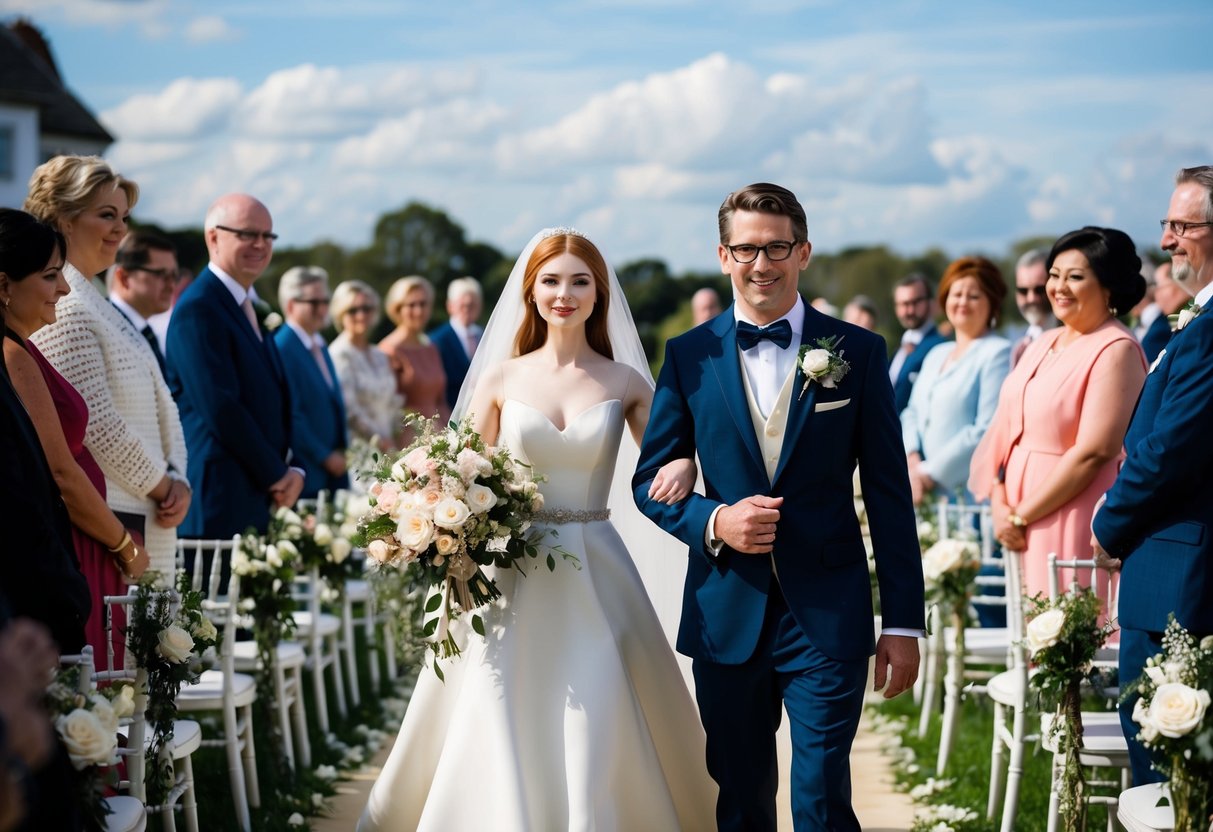
When planning your wedding, deciding who will walk you down the aisle is significant. If you choose your mom, it’s essential to prepare well, coordinate with your wedding planner, and run a smooth rehearsal. Here’s how you can ensure everything goes perfectly.
Preparing for the Walk
Think about the emotional impact of this moment. Discuss with your mom how she feels about walking you down the aisle. Make it special by choosing a meaningful song that can set the tone.
Also, consider your wedding dress. Make sure it’s easy for your mom to assist you if needed as you approach the altar. Discuss the route you’ll take, making sure the path is clear for both of you.
Creating a timeline for when you’ll walk is useful too. This will help everyone, including your maid of honor, know when to expect you. Having a plan can ease any nerves!
Coordinating with Wedding Planners
Clear communication with your wedding planner is vital when deciding who will walk you down the aisle. Inform them of your choice and any specific requests you have. This lets them accommodate your vision.
They can help arrange the logistics on your big day. They will know the best timing and when to cue music. Make sure they understand any special instructions for your mother’s walk.
Coordinate with your maid of honor too. She can help direct your mom and ensure everyone is ready when it’s time for the ceremony to start.
The Rehearsal
The rehearsal is crucial for a smooth ceremony. Make sure you practice walking down the aisle with your mom. This will help both of you become comfortable with the process.
During the rehearsal, pay attention to any adjustments needed. This could be timing or even positioning, so everything looks perfect on the day.
Include your wedding planner and maid of honor for added support. Their presence during the rehearsal can ensure everyone is on the same page. Remember, this is a big moment, so practice it until you feel confident!