
Can Siblings Walk Down the Aisle Together? Exploring Unique Wedding Traditions
It’s your big day, and you want everything to feel just right. You might be wondering if your siblings can walk down the aisle together as part of your wedding ceremony.
Yes, siblings can absolutely walk together, and it can be a beautiful way to include them in your special moment.
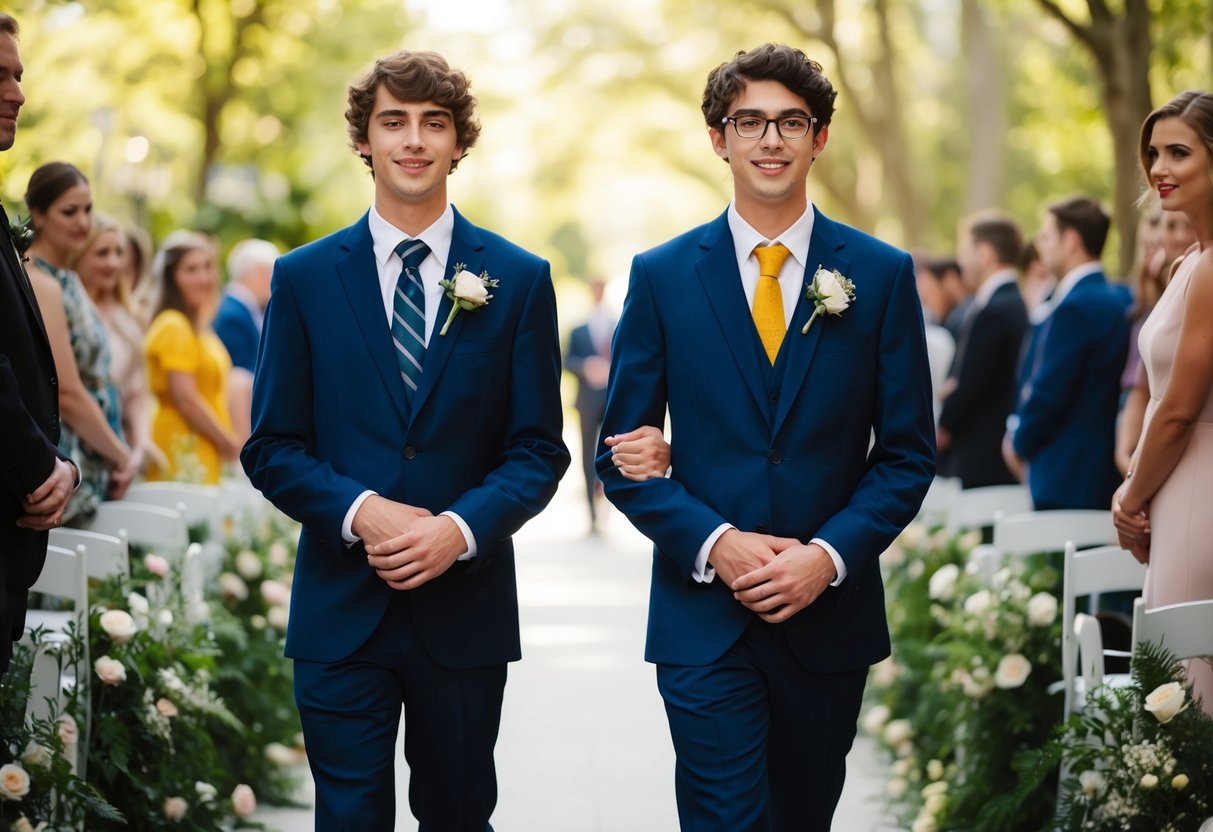
Walking down the aisle together can symbolize the bond you share as family. This choice allows you to make your wedding more personal and meaningful.
Many couples are now embracing creative options, which means you have the freedom to design your processional in a way that feels authentic to you.
If you’re thinking about this idea, you’re not alone! More people are including siblings in unique ways, celebrating their relationships amidst the joy of the day. Exploring this option can make your wedding feel even more special, connecting everyone in a memorable way.
Traditions of the Wedding Processional
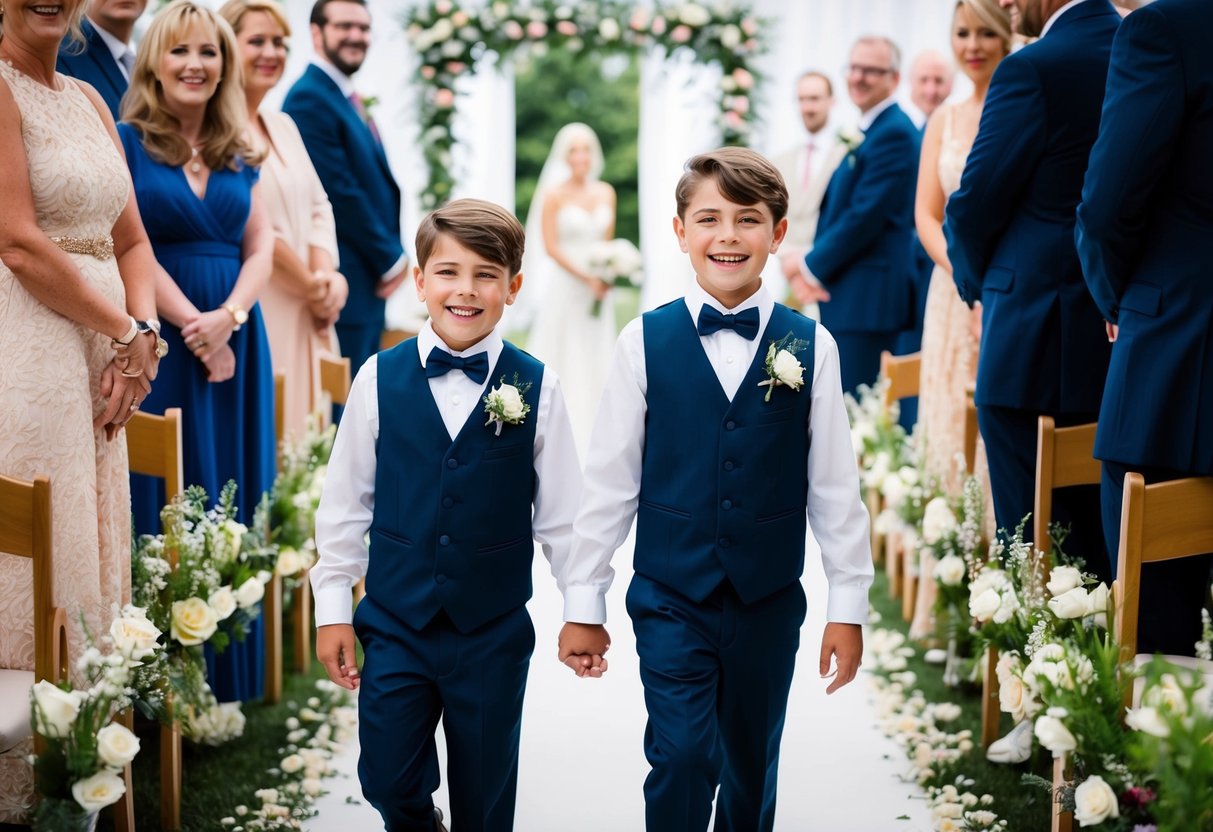
Understanding the traditions of the wedding processional can help you make informed choices for your big day. The processional is more than just a march; it’s filled with meaningful roles and a specific order that many couples choose to follow.
Walking Down the Aisle
In a traditional wedding, the processional typically starts with key family members and friends. This often includes the bridesmaids and groomsmen walking in pairs.
Usually, the maid of honor follows the bridesmaids, while the best man accompanies the groomsmen.
Next, the flower girl and ring bearer come down the aisle, capturing the hearts of your guests. These little ones add a cute touch to the ceremony. Finally, the bride walks last, often escorted by her father.
While these roles are common, you can personalize the order. Many couples now opt for siblings to walk together, which honors family ties and adds a special connection.
Roles and Responsibilities
Each member of the wedding party has a unique role in the processional. The bridesmaids are there to support you and help set the tone for the day. Their attire often complements your chosen colors or theme, creating a cohesive look.
The groomsmen support the groom and ensure everything goes smoothly. The maid of honor holds important items like the bride’s bouquet and helps with any last-minute adjustments.
The best man takes care of the groom, making sure he stays calm. Little ones, like the ring bearer and flower girl, not only add charm, but also symbolize innocence and joy.
You can adjust these traditional roles to reflect your personality and family dynamics, making the ceremony uniquely yours.
Family Involvement in the Ceremony

Involving family in the wedding ceremony creates a warm atmosphere. Siblings, parents, and grandparents all play essential roles, making the day more special and meaningful.
Immediate Family Participation
Your immediate family can bring a personal touch to the procession. Many couples choose to have their siblings walk down the aisle together. This bonding moment highlights the close relationship you share.
Typically, the mother of the bride may walk alone or be escorted by family. After her, the groom’s parents can follow, taking their seats on the right. This arrangement allows for family members to be honored and recognized. After everyone has processed, you walk down the aisle with your father, creating a touching moment for both of you.
Extended Family Processional
Including extended family like grandparents can also enhance the ceremony. You might consider a family processional where grandparents walk together before other family members. They can be followed by parents and then siblings, emphasizing the importance of family ties.
Having grandparents of the bride and groom participate acknowledges their role in your life. This moment can be deeply emotional, creating lasting memories. Additionally, it showcases the love and support surrounding you. Overall, including these family members creates an inclusive doorway to your new chapter together.
Cultural and Personal Considerations
When planning a wedding, it’s important to consider both personal preferences and cultural influences. This can shape how siblings participate in the ceremony, especially when walking down the aisle. Understanding these aspects ensures a meaningful experience.
Incorporating Personal Preferences
Your personal preferences play a big role in wedding planning. If walking down the aisle with your sibling feels right, there’s no reason to hesitate. This choice can create a special moment that reflects the closeness of your relationship.
You may also want to consider including other family members, such as parents or children, in this moment. This can add warmth and sentimentality to the ceremony.
Think about what feels authentic to you both as you make these choices. Discussing your ideas with your sibling can help you decide what fits best for your special day.
Cultural Variations in Weddings
Cultural traditions often guide the processional order and participation. In many cultures, siblings walking together is a common practice. In some cases, this can symbolize unity and support.
For example, in a Jewish wedding, the family often plays a significant role in the ceremony. Parents and siblings may walk together, showcasing family bonds.
Understanding specific traditions can help you know what’s customary and what can be adapted. Feel free to blend traditions or personalize them to suit your desires while respecting cultural significance. This balance enhances your wedding’s meaning and connection.