
Can Siblings Walk Down the Aisle Together? Exploring Family Dynamics in Weddings
Planning your wedding can bring up many questions, especially about the details of the ceremony. Yes, siblings can walk down the aisle together! This choice allows you to honor your close relationships and create a memorable moment.
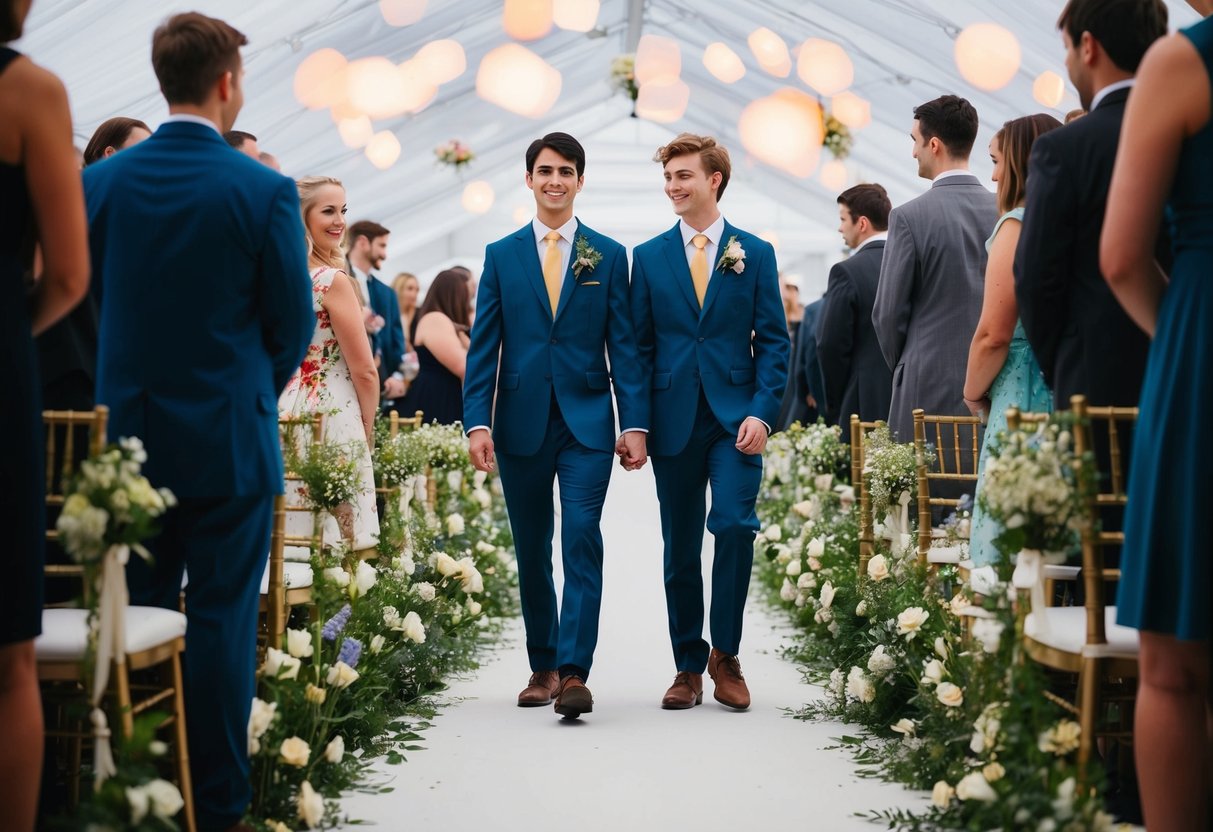
Including your siblings in this special way can reflect your personal preferences, adding a unique touch to your wedding ceremony. Whether they are your brothers, sisters, or both, having them by your side can make the day even more meaningful.
Walking down the aisle together not only enhances the emotional atmosphere but also showcases your family bond. So if you’re considering this option, trust that it’s a beautiful way to celebrate your union.
Roles in the Wedding Processional
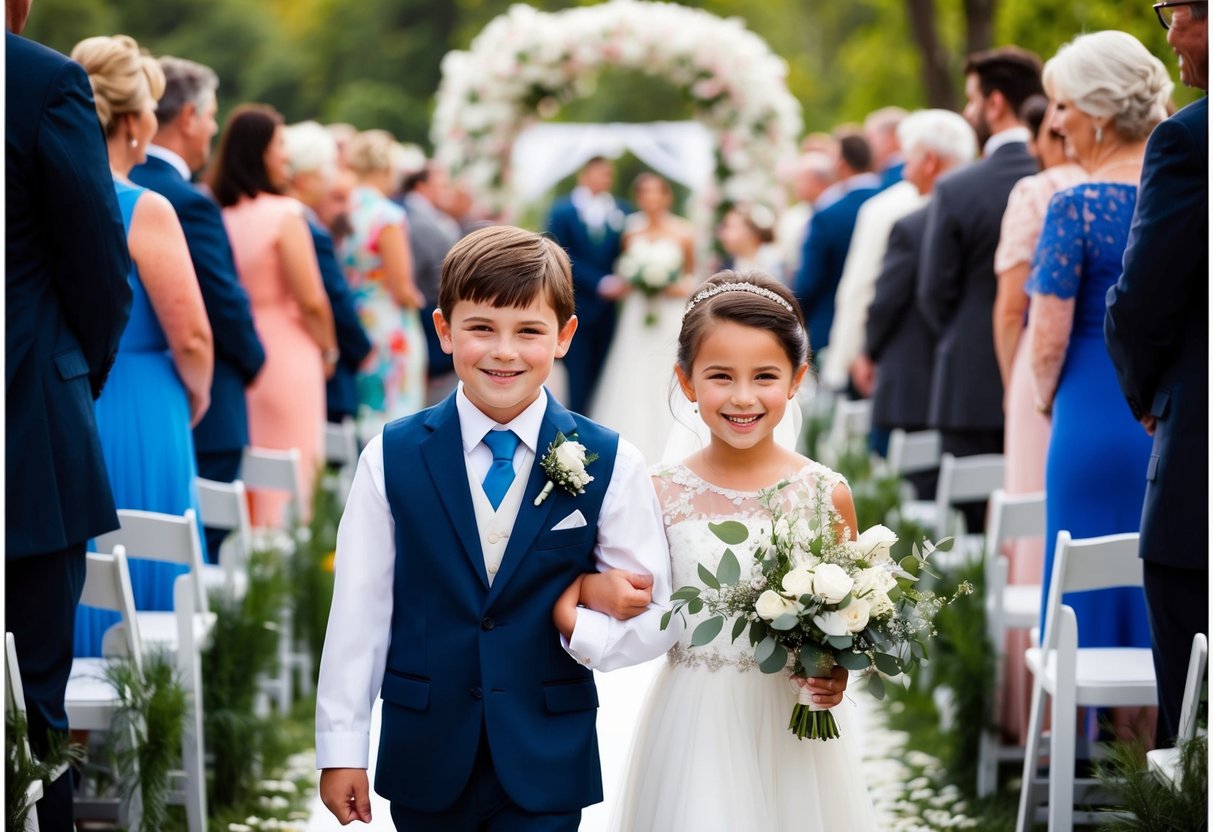
The wedding processional sets the tone for your ceremony. Understanding the roles of those involved helps to create a smooth and memorable experience. You’ll see family members and friends walking down the aisle, each with their own importance.
Importance of Wedding Party Roles
Each member of the wedding party plays a vital role in the processional. These individuals help support and celebrate your special day. Bridesmaids and groomsmen typically stand beside you during the ceremony, showcasing your closest relationships. The maid of honor and best man often have additional duties, like holding rings or helping with last-minute details.
Every role contributes to the atmosphere, making the moment feel more personal and significant. When everyone knows their position, it helps the ceremony flow smoothly. The mother of the bride and mother of the groom can also have special roles, often walking down the aisle before the bridal party, adding to the emotional weight of the moment.
Traditional Positions for Family Members
Traditionally, family members occupy specific spots in the processional. The parents of the couple typically walk down the aisle first. This establishes a familial bond and honors their support. After that, the bridal party follows.
The flower girl and ring bearer often walk just before the bride. This adds a charming touch, bringing smiles to guests’ faces. Depending on your preferences, you can customize who walks down with whom. Some couples choose to have their siblings or even special friends join in the processional, enhancing the familial feel.
Special Roles for Younger Attendees
Younger attendees like the flower girl and ring bearer add sweetness to the ceremony. Usually, the flower girl carries a small bouquet or scatters petals down the aisle. The ring bearer, on the other hand, carries the wedding rings on a small pillow. These roles are often cherished memories for children and a delightful surprise for guests.
Customizing these roles can make them even more special. You might allow siblings to walk down the aisle together, creating a unique family moment. Including younger kids in your ceremony makes it festive and engaging, giving them a fantastic experience while also creating lasting memories for everyone involved.
Customs and Traditions
Weddings often reflect deep-rooted customs and traditions. These rituals can vary significantly but usually emphasize the importance of family, love, and unity. Here’s a look at how family processional roles, cultural variations, and modern interpretations shape this special moment.
Significance of Family Processionals in Weddings
Family processionals play a meaningful role in weddings. They highlight the importance of family support, especially during significant moments such as walking down the aisle. Traditionally, the father of the bride plays a central role, but siblings can take part too.
Many brides choose to have their siblings walk alongside them. This choice strengthens family bonds and provides emotional support. It is also common for grandparents of the bride and groom to be included, honoring their wisdom and experience.
Including more family members in the procession can make the day more special. This practice celebrates not just the couple but the families joining together.
Variations Across Cultures
Different cultures have unique wedding procession patterns that honor family. In a Jewish wedding, for example, both sets of parents often accompany the couple. This symbolizes unity and the joining of two families.
In some cultures, siblings may walk down the aisle together as a sign of support. For instance, in certain Eastern European traditions, family members walk together to signify their collective blessing.
These variations show how weddings reflect cultural values and familial love. No matter the tradition, each procession tells a story of unity and connection.
Modern Interpretations of Wedding Customs
Modern weddings often embrace creativity and personalization. This shift allows couples to adapt traditional customs to fit their relationships and family structures better.
You can choose to walk down the aisle with siblings, grandparents, or even friends. This reflects your unique family dynamics and values. Moreover, it breaks away from restrictive customs that dictate who should participate in the ceremony.
Many couples today opt for a more inclusive approach. This can lead to a more heartfelt ceremony where everyone’s role is celebrated, especially those who have shaped your life. Embracing such modern interpretations can make your wedding more meaningful.
Planning the Processional
Creating a meaningful processional is an important part of your wedding planning. You have many choices for who walks with whom and the order of entrance. Incorporating personal elements can make the ceremony feel special and unique.
Deciding Who Walks With Whom
When planning the processional, think about your relationships. For example, many couples choose to have siblings walk down the aisle together. This can symbolize unity and support.
You might also want to consider having other family members like grandparents or close friends join in. A mixed processional can be a lovely way to include those who mean the most to you.
Discuss your ideas with your partner to find what feels right for both of you.
Order of Entrance for the Wedding Party
The order of the wedding party can affect the ceremony’s tone. Typically, the best man and groomsmen walk in before the bridesmaids. However, you can customize this.
Some couples opt for a fun twist. You could have siblings walk together, or even let the flower girl and ring bearer lead the way.
Deciding on the entrance order sets the mood for the ceremony and shows who is most important to you. Keep in mind, traditional isn’t always necessary.
Incorporating Personal Elements
Adding personal touches can make the processional truly yours. Think about family traditions or activities that are meaningful to both of you.
For example, you could choose a favorite song instead of traditional wedding music. This adds a unique vibe to the ceremony.
You could also incorporate special items, like a family heirloom or a picture of a loved one who cannot attend. These elements celebrate your love story and enrich your special day.