
Can You Get a Wedding Dress in 9 Months? Tips for Last-Minute Brides
Planning your wedding is an exciting journey, but it can also be a bit stressful. If you’re wondering if you can find the perfect wedding dress in just nine months, you’re not alone. Yes, getting a wedding dress in nine months is definitely possible, and starting early can make the process much smoother.
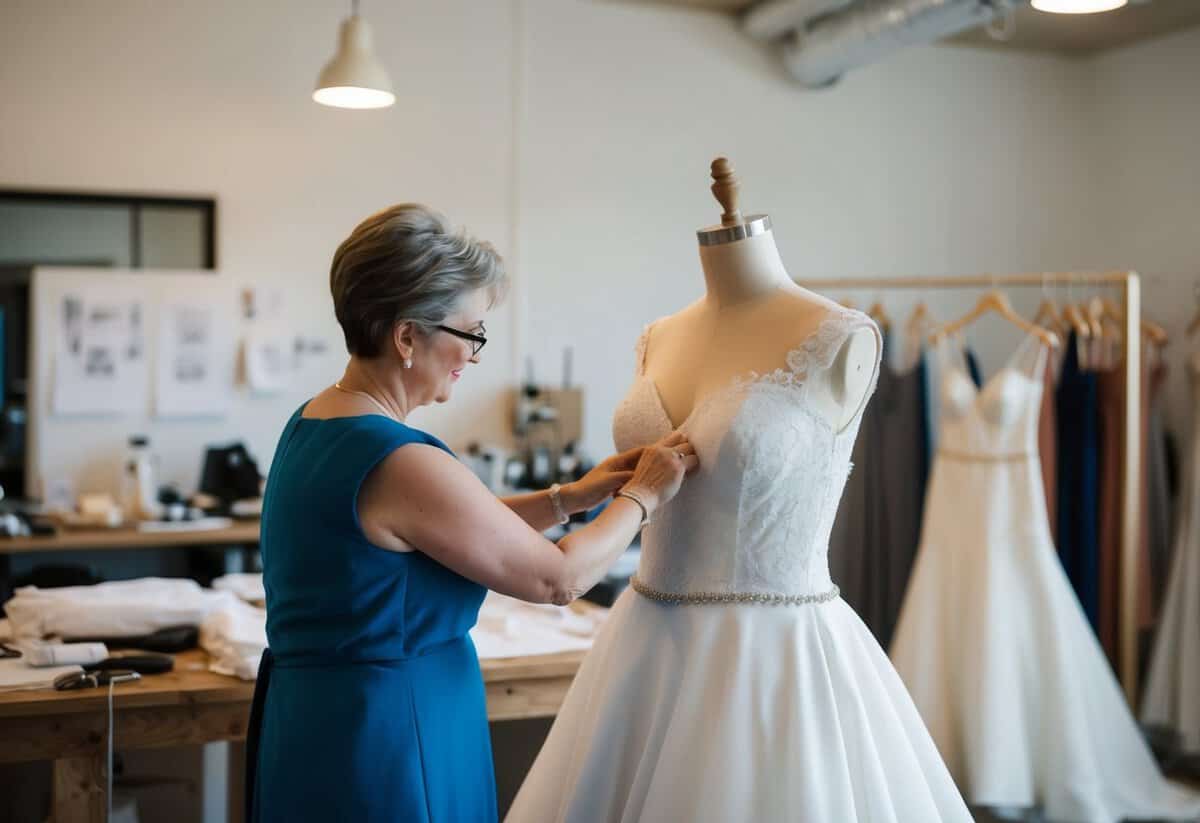
As you dive into wedding planning, consider all the details you want for your special day. A wedding dress is one of the most important aspects, as it reflects your style and personality. You don’t want to rush this decision, so knowing that you have enough time to choose the right gown is a relief. Many dresses, whether custom-made or off the rack, can be ordered within this timeframe.
With nine months to go, you can explore various styles, visit bridal boutiques, and even think about alterations to ensure that your dress fits perfectly.
Keeping an open mind and starting your search early will help you enjoy this process while you prepare for your dream wedding day.
Setting Your Wedding Dress Timeline
Planning your wedding dress timeline is crucial for a smooth shopping experience. Knowing when to start shopping and how your wedding date and venue impact the process will help you stay organized and stress-free.
Understanding the Wedding Dress Shopping Timeline
Starting your dress search early gives you the best options. Aim to begin shopping at least 9-12 months before your wedding day. This timeframe allows for selecting your dress and making necessary alterations.
Here’s a helpful timeline to consider:
- 12 Months Before: Research styles and set a budget.
- 9-10 Months Before: Visit bridal shops and try on dresses.
- 6 Months Before: Make your final selection and order the dress.
- 2-3 Months Before: Schedule fittings for alterations.
If you have less time, don’t panic! Many shops offer off-the-rack options that can be ready quickly. A flexible mindset helps during this busy time.
Choosing Your Wedding Date and Venue Early
Your wedding date and venue play a big role in your dress timeline. If you know your date, you will find a style that matches the season and setting. For example, flowy dresses work well for outdoor weddings in warm months.
Booking your venue early is also key. Popular venues can fill up quickly, which might impact your date and the overall planning timeline. Once you have your venue, you can better visualize how your dress pairs with the location.
- Consider the theme of your wedding when choosing your dress style.
- Ensure the dress allows for movement, especially if your venue has outdoor spaces or unique features.
By establishing your date and venue early, you set a clear direction for your wedding dress timeline.
The Wedding Dress Hunt
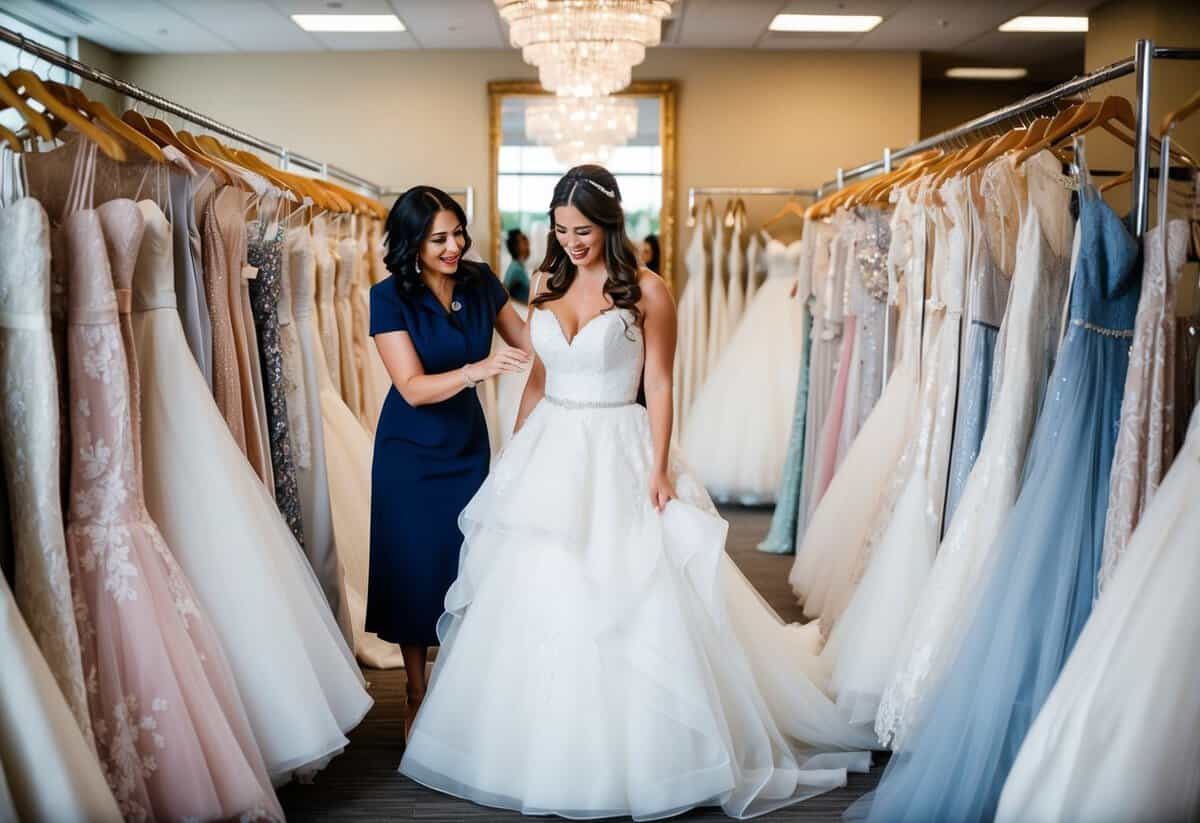
Finding your wedding dress can be an exciting journey full of options and choices. You’ll want to start with research to define your style and then visit bridal boutiques. Deciding between a ready-to-wear gown or a custom-made option is essential, along with planning for fittings and alterations.
Starting with Research and Inspiration
Before heading to boutiques, spend some time gathering inspiration. Create a vision board with images from bridal magazines or online sources. Look for styles that resonate with you, such as ball gowns, A-line silhouettes, or fitted sheaths.
Make note of details like fabric, neckline, and embellishments that catch your eye. Pinterest is a great tool for this as you can save your favorites in one place. Collecting ideas will help you communicate your vision clearly to the bridal consultants and designers.
Visiting Bridal Boutiques and Designers
Visiting bridal boutiques is a crucial part of your dress hunt. Schedule appointments to get personalized attention from knowledgeable staff. Bring along your vision board to share your ideas.
When trying on gowns, keep an open mind. You might discover styles that you never considered before. Take your time during these visits; it’s about finding a dress that makes you feel beautiful.
Don’t forget to ask about the designers and their collections. Some boutiques carry exclusive lines, which means you might find a unique gown. Have fun during this process and enjoy trying different styles!
Ready-to-Wear vs. Custom Wedding Gowns
When choosing a wedding gown, consider whether you want a ready-to-wear dress or a custom option.
Ready-to-wear gowns are available in bridal boutiques and can often be purchased right off the rack. This option saves time, especially if you’re working with a nine-month timeline. You may still need minor alterations to ensure a perfect fit.
Custom gowns, on the other hand, are made to your specifications. This creates a unique dress tailored just for you but requires a longer timeline. Customizations could include changes in fabric, design, and even intricate details.
Evaluate your needs and decide which style works best for your wedding vision.
Considering Dress Fittings and Alterations
Fittings are an important part of the dress shopping experience. After selecting your gown, you will typically have a first fitting a few months out. During this session, you’ll try on the dress and discuss any necessary alterations with the tailor.
If you plan to lose weight, communicate this during fittings. For many brides, scheduling a second fitting and a final fitting is standard. Each fitting ensures your gown fits perfectly on your big day.
Be mindful of the time needed for alterations. Start this process early to ensure everything fits just right when your wedding day arrives.
Coordinating Wedding Details
As you plan your wedding, coordinating important details can help make your big day run smoothly. Focusing on accessories, major vendors, and RSVP details is essential for ensuring everything is ready on time.
Selecting Accessories and Undergarments
Choose accessories that match your wedding dress and overall theme. Start with wedding shoes. Pick a pair that you can wear comfortably throughout the day. It’s a good idea to break them in before the wedding.
Next, select jewelry and other adornments. You might want a necklace or earrings that complement your look. Don’t forget undergarments.
Make sure they fit well and provide the support you need. A seamless vibe under your dress is crucial for looking flawless. Consider options like shapewear to enhance your silhouette.
Organizing Major Vendors and Catering
Identifying and booking your major vendors is a crucial step. This includes hiring a photographer and videographer who can capture every moment of your celebration. Look for professionals with experience in weddings who can create the style of photos you love.
Next, you need to discuss options with your caterer. Think about the menu and if you’d prefer buffet style or plated dinners. Don’t forget about cake tastings to perfect your dessert choice.
If you enjoy DIY projects, consider creating your own centerpieces or dessert table. This personal touch can save money while making your wedding special.
Finalizing RSVPs and Seating Arrangements
Sending out invitations early helps ensure you get your RSVPs back in time. Choose a simple and clear design for your invites to avoid confusion.
Track the responses carefully. A seating chart will help organize guests at the reception. Group friends and family to make seating enjoyable.
When creating the seating arrangements, think about who gets along well. This attention to detail can encourage fun interactions and even new friendships. Get creative and make sure everyone feels included.