
How Long Before You Get Married Should You Buy Your Wedding Dress? Essential Tips for Timing
Choosing the perfect wedding dress is one of the most exciting parts of planning your big day. With so many styles and options, it’s easy to get swept away in the rush of excitement.
The best time to buy your wedding dress is about 12 to 14 months before your wedding date. This timeline allows for any customizations, fittings, and adjustments needed to ensure a perfect fit.
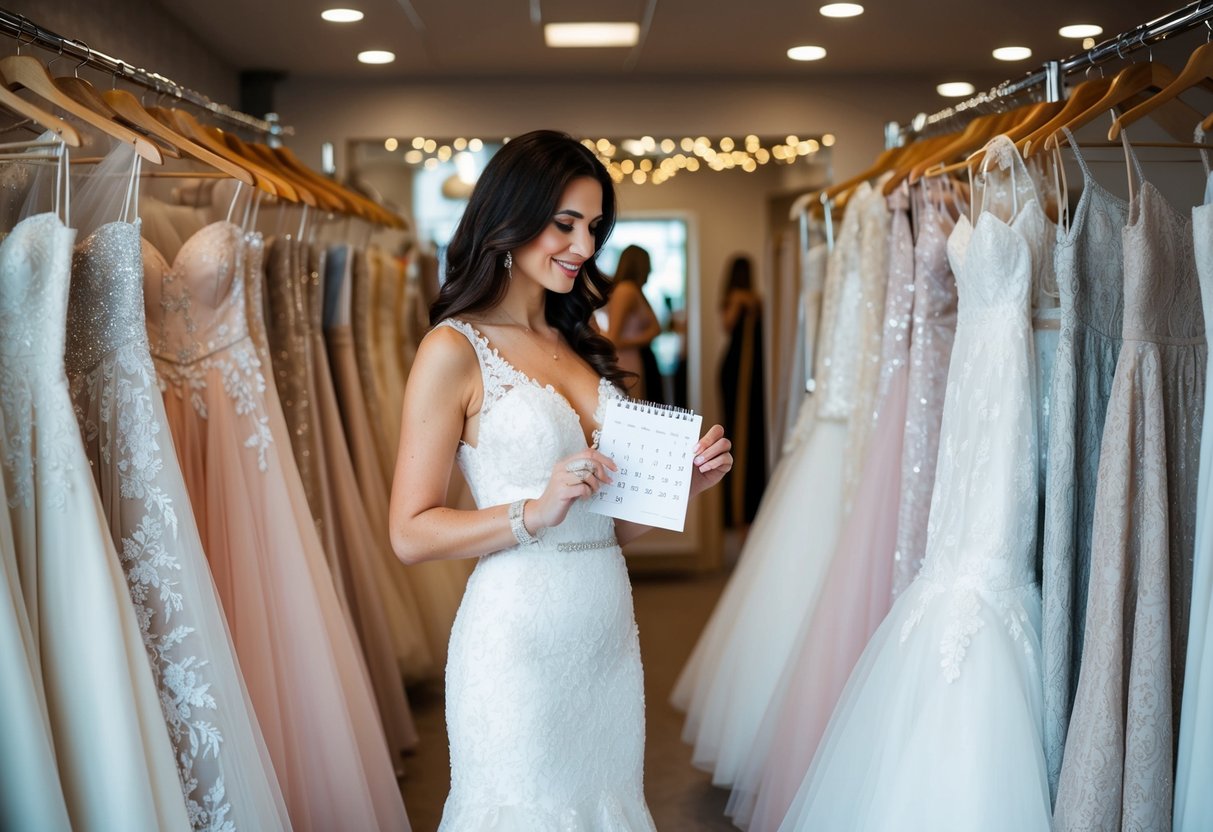
If you’ve recently become engaged, it’s normal to want to start shopping right away. However, having a solid plan is essential to avoid stress as your wedding day approaches.
With plenty of time, you can explore various styles, find the dress that truly reflects your personality, and ensure it aligns with your overall wedding planning.
Remember, your wedding dress is a significant part of your celebration, and you want it to be just right. By starting early, you set yourself up not only for a smoother shopping experience but also for the joy of savoring each moment of this special journey.
Decoding the Wedding Dress Shopping Timeline
Knowing when to buy your wedding dress is key to a smooth planning experience. You’ll want to consider the timeline for shopping and any factors that might influence your decisions along the way.
Understanding the Ideal Timeline
Your wedding dress shopping should typically begin 8 to 12 months before your wedding date. This gives you enough time for appointments, fittings, and any necessary alterations.
Start by setting up an appointment at a bridal salon to explore different designers and styles. Don’t forget to take your engagement length into consideration. If you have a shorter engagement, you may need to adjust your timeline.
Expect to try on multiple dresses and make decisions based on your preferences and budget. Purchasing your dress within this window helps to avoid any last-minute rush fees or compromises in quality.
Factors That Influence the Timeline
Several factors can influence your wedding dress shopping timeline. The most significant is your wedding date. A longer engagement often allows for more careful planning, while a shorter engagement may require quicker decisions.
You should also consider the availability of your favorite designers. Some dresses may need to be ordered months in advance.
Lastly, alterations should be factored into your timeline. These can take additional time, so it’s wise to plan for several fittings before the big day.
Selecting Your Dream Dress
Finding your dream wedding dress is an exciting journey that involves exploring styles, creating a budget, and scheduling the right fittings. Each step is important for making sure your dress fits beautifully and reflects your personality on the big day.
Exploring Styles and Silhouettes
Take time to research different gown styles and silhouettes. Popular options include A-line, ball gown, and mermaid. Each shape flatters different body types, so it’s essential to know what works best for you.
Visit bridal boutiques and consider styles from various designers. Trying on different gowns can help you discover what you truly love. Don’t hesitate to ask your stylist for advice—they can suggest options based on your preferences.
Keep in mind that many dresses are made-to-order, taking weeks to arrive. If you prefer a quicker option, explore off-the-rack wedding dresses. These can often be purchased right away and customized for the perfect fit.
The Importance of Budgeting
Before you start shopping, set a clear budget for your dress. Consider the price of the gown itself, along with additional costs like alterations, accessories, and any customizations. Knowing your total budget helps narrow down your options.
Common price ranges for wedding dresses vary widely, so it’s essential to be realistic. Some designer gowns can be costly, while others may offer beautiful looks at more affordable prices. Decide which elements are most important to you, whether it’s designer labels or fabric quality.
Remember, stick to your budget even when tempted by stunning gowns. Keeping your financial goals in mind reduces stress as your big day approaches.
Bridal Shop Appointments and Fittings
Scheduling appointments at bridal shops is crucial. Aim to visit multiple boutiques to get a sense of different styles and options.
During your first fitting, your stylist will help you find a gown that fits well and suits your body type.
Typically, a second fitting will be needed for adjustments like hem length or altering the bodice. Bring along the shoes and undergarments you plan to wear. These details help ensure the dress looks fantastic on you.
Be prepared to communicate your preferences clearly during fittings. Your stylist is there to help you find the perfect gown, but they need your input. Enjoy this special time of trying on dresses and envisioning your wedding day.
Accessorizing Your Wedding Look
Accessorizing your wedding look involves selecting the perfect veil, jewelry, shoes, and undergarments. Each element plays a crucial role in enhancing your overall appearance and completing your bridal ensemble.
Choosing the Right Veil and Jewelry
When selecting a veil, think about the style of your wedding dress. A long cathedral veil pairs beautifully with a formal gown, while a short, delicate veil may suit a casual dress better. Make sure the veil complements the details of your dress.
For jewelry, choose pieces that enhance your features without overwhelming your look. A simple pair of stud earrings or a dainty necklace can add elegance. If your dress is intricate, opt for more understated jewelry.
Don’t forget your “something old” and “something new”—an heirloom piece can bring sentimental value, while a modern item adds fresh charm.
Coordinating Shoes and Undergarments
Your shoes should match the style and height of your dress. Consider comfort, especially if you’ll be standing or dancing for long periods.
Classic pumps are great for formal weddings, while stylish sandals work for outdoor events.
Undergarments are essential for achieving a smooth silhouette. Choose pieces that fit well and provide support. A good strapless bra can help, especially if your dress has a low back. Also, remember to bring “something blue” with your undergarments, as it can be a fun nod to tradition!
Final Touches with Hair and Makeup
Your hairstyle should complement your veil and overall look. Whether you choose an elegant updo or loose waves, make sure it feels comfortable and reflects your personality. Hair accessories like floral pins can add an extra touch.
Makeup should enhance your natural beauty. Consider waterproof products to avoid smudging on your big day.
Focus on achieving a balanced look. Bold lips with soft eyes, or vice versa, can create a stunning effect. Remember, the key is to feel like the best version of yourself!
Finalizing Your Purchase and Preparations
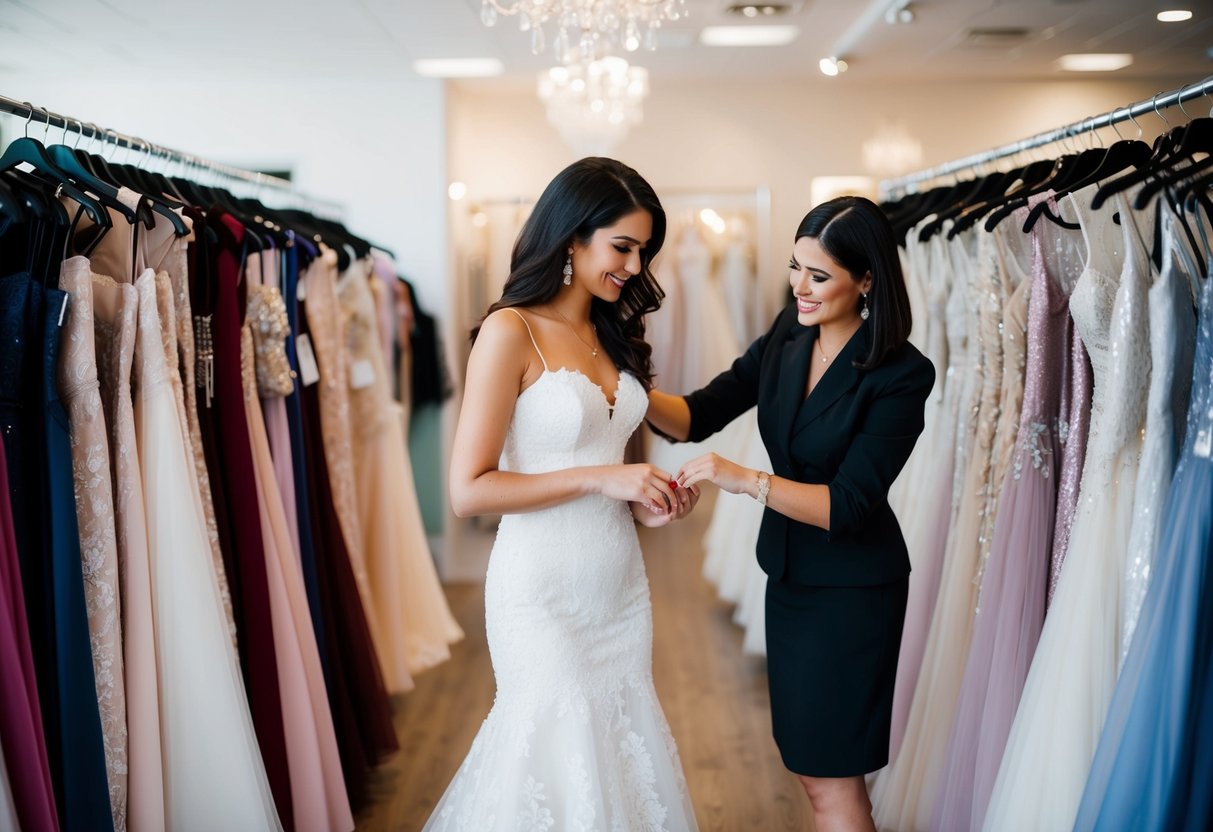
After selecting your perfect wedding dress, it’s time to focus on the final details. You’ll want to ensure that everything fits just right and that your wedding party is included in the process.
The Final Fitting and Alteration Process
Your final fitting is crucial. During this appointment, a tailor will take precise measurements and make any necessary alterations.
This is the time to think about how you want your dress to look. Consider the following adjustments:
- Length: Make sure the dress is the right length for your shoes.
- Bustle: Discuss how you want to bustle your dress for the reception.
- Customizations: If you want any custom details, now is the moment to bring them up.
Communicate openly about any changes you wish to make. You may need to schedule a few fittings, so give yourself plenty of time before the wedding date.
Bringing the Wedding Party into the Loop
Let your wedding party know about your dress and any related plans. It’s important they feel included and can help you as needed.
You may want to invite your bridesmaids to fittings or dress appointments.
Involve them by:
- Sharing dress details: Let them know the style and color, so they can coordinate their outfits.
- Asking for opinions: Their input can be helpful.
- Planning for the venue: Share how the dress will suit the overall feel of your wedding venue.
Keeping your wedding crew in the loop makes for a collaborative and enjoyable experience leading up to your big day.