
Can You Get Legally Married at Home UK? A Guide to Home Weddings
Many couples find getting married at home in the UK appealing for a personal touch on their special day. You can legally marry at home, but you need to keep specific requirements in mind. This means that if you dream of saying your vows in your own backyard or living room, it’s possible, provided your home meets certain criteria.
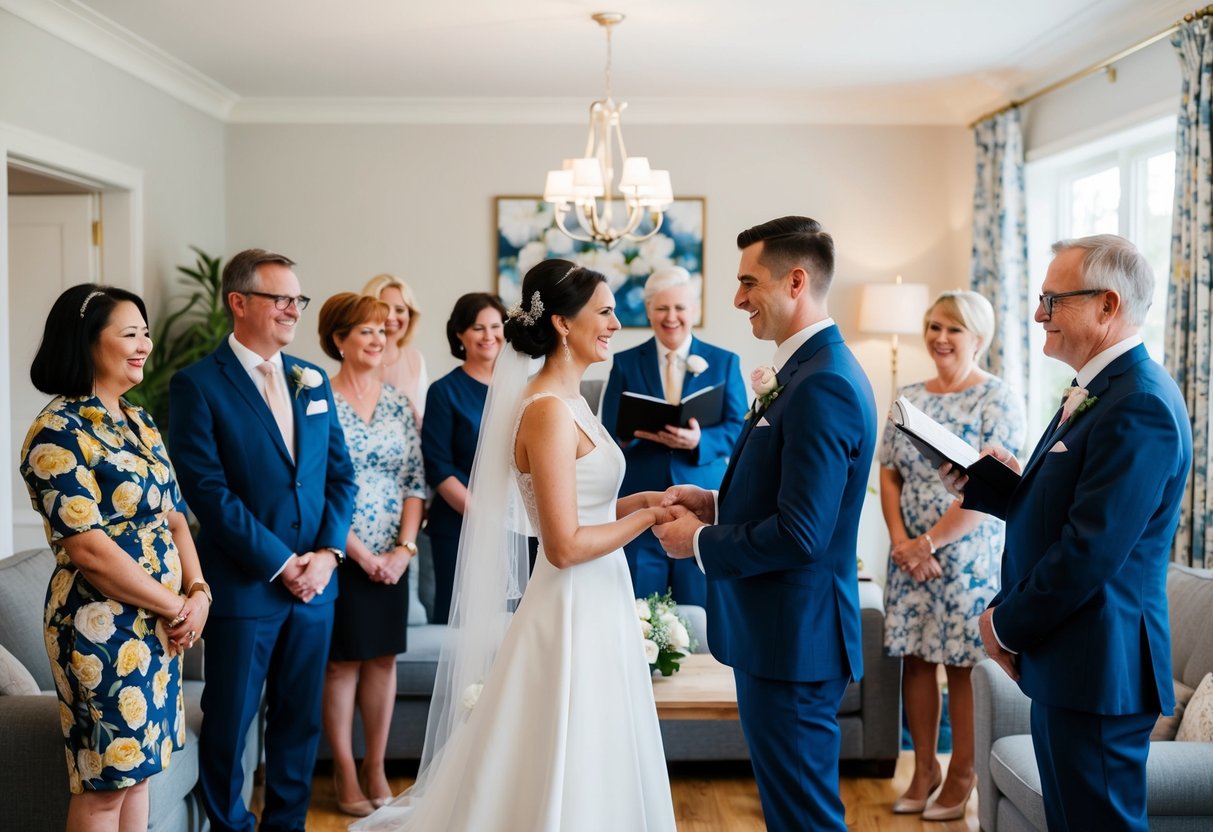
To legally tie the knot at home, you’ll need to ensure your property is recognized as an approved venue by your local authority. This applies whether you’re planning a civil ceremony or a religious ceremony in your own space. Understanding these rules can help you create the intimate and memorable wedding day you envision.
It’s also important to consider factors such as the number of guests you want to invite and the legalities surrounding notices of marriage. By exploring these details upfront, you can enjoy a smooth and joyful experience as you get ready to say “I do” in the comfort of your own home.
Legal Requirements for Marrying at Home in the UK
Getting married at home in the UK involves several important legal requirements. These include giving notice of marriage, obtaining the necessary permits in different regions, and ensuring your home meets specific criteria to be an approved venue.
Giving Notice of Marriage
Before you can tie the knot at home, you need to give notice of marriage. You must do this at your local register office. Both partners should visit the office together and bring necessary documents like passports and proof of address.
It usually costs a small fee, and you’ll need to provide information about where you plan to marry. If you live in England or Wales, the notice is valid for 12 months. After giving notice, you must wait at least 28 days before the ceremony can happen.
Obtaining a Marriage Schedule in Scotland
In Scotland, the rules differ slightly when it comes to getting married at home. You need to obtain a marriage schedule from your local registrar. This schedule is required to perform your wedding. To get the schedule, both partners must give notice, and the registrar will issue it after checks are completed.
The marriage schedule is valid for three months. It’s crucial to have this document before your wedding day, as it serves as proof of your intent to marry. Make sure to keep it safe until your ceremony, as you’ll need it to be officially married.
Requirements for Approved Premises
If you want to get married at home, it needs to be one of the approved premises. This means your home must be registered to hold weddings. Both England and Wales have specific laws regarding this, requiring permission from your local council.
You can apply for a license through your local register office. Guidelines include having adequate space for guests and a designated area for the ceremony. Furthermore, you will need at least two witnesses present during the ceremony to make it official. Make sure your home meets these criteria to ensure your big day goes smoothly!
The Ceremony: Civil vs Religious
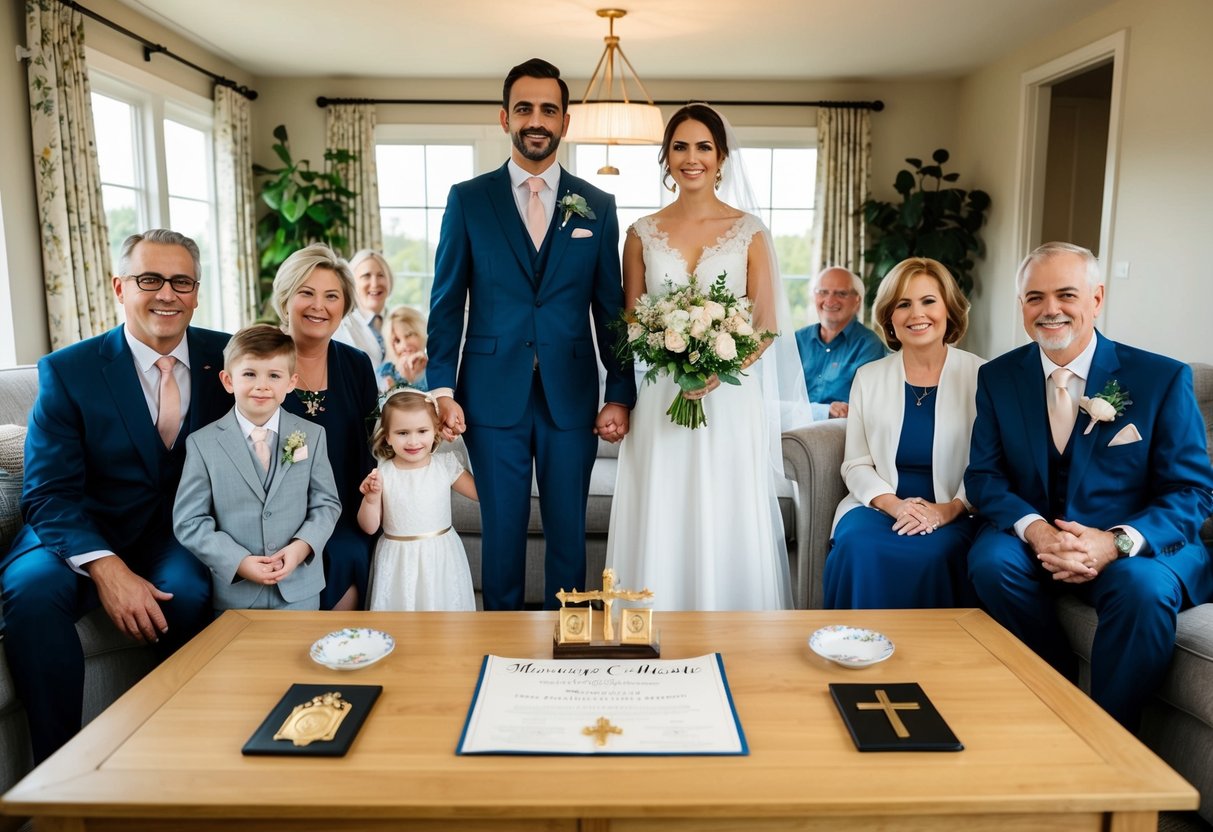
When planning your wedding, it’s important to understand the differences and requirements between a civil ceremony and a religious ceremony. Each type has its own rules and settings that can impact your special day.
Civil Ceremonies at Home
A civil ceremony at home is a great option if you want a simple and straightforward wedding. In the UK, civil ceremonies must be conducted by an authorized officiant, like a registrar. Unfortunately, this means that your home cannot be the location for a legal marriage unless it meets specific requirements.
You need to make sure your home is approved for civil weddings. Only venues with a civil ceremony license can host a legal wedding. This means that traditional homes may not qualify unless they hold regular ceremonies.
During a civil ceremony, you won’t include any religious elements. The focus is on the legal aspects of marriage. You might want to personalize it with readings or music, but these will not have a religious focus.
Religious and Celebrant-Led Ceremonies
If you wish for a more traditional feel, a religious ceremony may be the right choice. Religious ceremonies typically take place in places of worship, like a church, and follow specific faith guidelines.
You will need to discuss your plans with the officiant beforehand to ensure you meet all requirements. Some religious institutions may require you to attend pre-marital counseling or specific classes.
Alternatively, you can opt for a celebrant-led ceremony. This option provides more flexibility, allowing you to personalize the ceremony to fit your beliefs and values. Celebrants can perform your ceremony at home or any other location of your choice, making it a unique experience tailored to you.
Both types of ceremonies can be meaningful. Your choice will depend on your personal preferences and the kind of atmosphere you want for your special day.
Marriage Documentation and Proof of Identity

When planning to get married at home in the UK, it’s essential to gather the right documents. This includes acquiring your marriage certificate and providing proof of identity. Here’s how to navigate these important steps.
Securing the Marriage Certificate
To get your marriage certificate, you must first give notice at your local register office. This notice informs the authorities of your intent to marry. You’ll need to complete a marriage application form and pay a fee, which varies by location.
Both partners must provide necessary documentation, including proof of citizenship. A valid passport is usually required if you are a British or Irish citizen. If either of you has been married before, you’ll also need to provide a decree absolute or death certificate of your former spouse.
Make sure to apply for your marriage certificate after your ceremony. It will formally document your marriage and is essential for any future legal needs.
Identity Verification
Identity verification is crucial for your marriage process. Each partner must prove their identity using official documents. Acceptable forms often include a passport, driving license, or utility bills that show your name and address.
As a British or Irish citizen, ensure these documents are up to date. The register office may ask for additional proof if you have recently moved. If you’re a foreign citizen, a visa may also be needed to confirm your residency status.
Remember, everything needs to be clear and accurate. Having the correct documentation helps ensure a smooth marriage process at home.
International and Immigration Considerations
Getting married at home in the UK involves knowing specific rules, especially if one partner is not a UK citizen. It’s important to understand the immigration requirements and how they affect your marriage plans. Below are the key areas to consider.
Marrying Non-UK Citizens
If you want to marry a non-UK citizen, there are important visa considerations. Most importantly, your partner may need a valid visa to be in the UK. Generally, they must apply for a fiancé or fiancée visa if they plan to marry.
Without the right visa, you cannot give notice to marry. This means your wedding plans could be significantly delayed. Visitors on a Standard Visitor visa cannot get married or give notice either. Make sure your partner understands their immigration status before planning the wedding.
Marriage for Visa and Settlement Applicants
If you and your partner wish to stay in the UK after marriage, make sure to understand the visa types available. Applicants from an EU country may consider the EU Settlement Scheme. This allows for Settled Status or Pre-Settled Status depending on how long they’ve lived in the UK.
For those from outside the UK, applying for a marriage visa is essential. After marriage, you can apply for Indefinite Leave to Remain to stay long-term. Make sure to follow the guidelines for each visa to avoid complications during your marriage journey.