
Can You Get Married in a Church If You’re Not Christened in the UK? Here’s What You Need to Know!
Getting married in a church can be a special experience, and many people wonder if it’s possible to do so without being christened. The good news is that you can have a church wedding in the UK, even if you haven’t been baptized. Different denominations have their own rules, so it’s important to check with the church you are considering.
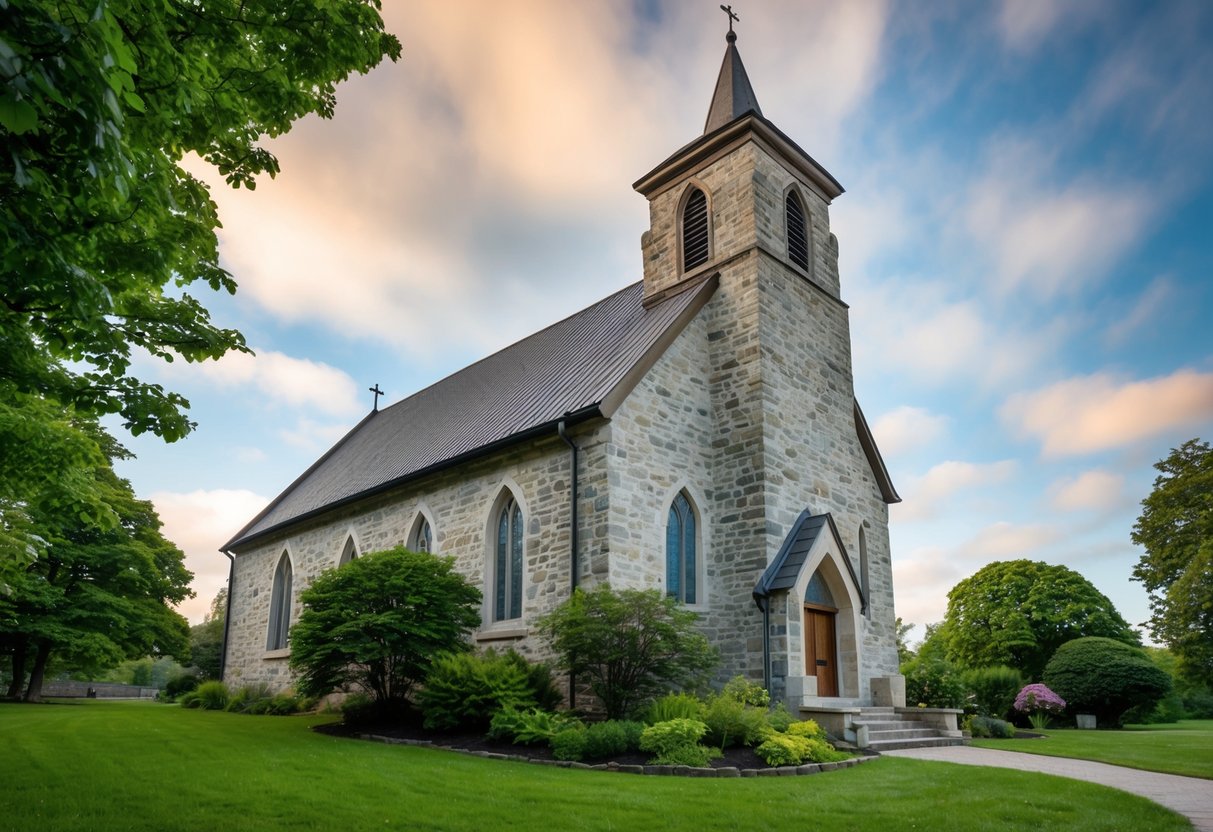
If you’re not religious but still want the charm of a church wedding venue, there are still options for you. Many churches allow marriages based on your connection to the community or the church itself. This means that living in the parish or even having ties to the church can sometimes be enough.
Your wedding day should reflect your values and beliefs. Exploring your options can help you find a venue that suits your style while celebrating your love story in a meaningful way. Don’t hesitate to reach out to local churches for guidance on their specific requirements.
Requirements for a Church Wedding in the UK
Getting married in a church in the UK can be a fulfilling experience, even if you haven’t been baptized. Understanding the legal requirements and the Church of England’s policies will help you plan your special day.
Legal Status and Marriage License
To marry in a church, you need to meet certain legal requirements. First, you must be of legal age, which is 18 years in England and Wales. If you’re younger, special rules apply.
You also need to obtain a marriage license. This involves giving notice at your local council office. You’ll need to provide identification and proof of residency.
Your church may ask for information regarding any previous marriages, including divorce documents if applicable. Once cleared of legal hurdles, the church will issue a marriage certificate after your ceremony, making your marriage legally recognized.
Church of England’s Stance on Christening
The Church of England welcomes couples for church weddings regardless of their baptism status. You do not need to be christened or a regular churchgoer to get married in the church.
It’s beneficial to have a legal connection, such as living near the church or being part of the congregation. If you want a religious ceremony, talking to the vicar is essential. They can help guide you through the process and explain any specific requirements that may apply in your situation.
This supportive approach helps couples feel included in their church wedding, even without prior religious involvement.
Alternatives to Traditional Church Weddings
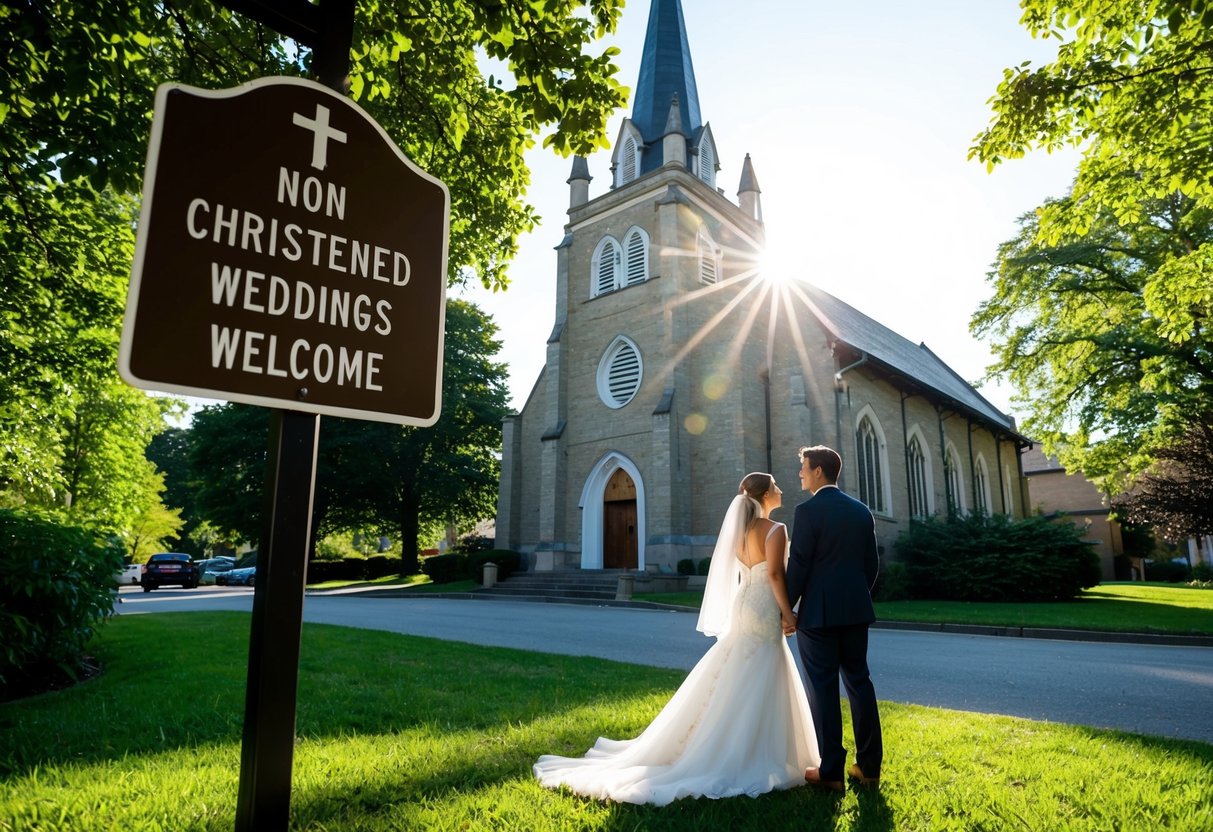
If you’re considering options outside of a traditional church wedding, there are many choices available. These alternatives allow for personal expression and can suit various beliefs and lifestyles.
Civil Ceremonies and Partnerships
Civil ceremonies are a popular choice for couples who prefer a non-religious setting for their wedding. They typically take place at a registry office or another approved venue.
In the UK, a civil marriage must include certain legal wording and may involve a marriage schedule. This process ensures that your marriage is recognized by law. You can personalize the ceremony with readings, music, and decorations that reflect your style.
Civil partnerships are also an option for couples who wish to formalize their relationship, especially for same-sex couples. The legal rights and responsibilities of a civil partnership are similar to those of marriage. This choice allows you to celebrate your love in a way that feels authentic to you.
Weddings in Other Denominations
If a traditional church wedding isn’t the right fit for you, consider exploring other denominations. Many religious organizations offer wedding services that cater to those who might not identify strongly with mainstream Christianity.
For example, humanist ceremonies focus on personal beliefs rather than religious traditions. These weddings often include readings from literature and poetry, allowing for a truly unique experience.
Additionally, interfaith ceremonies allow couples from different backgrounds to combine their traditions. This can create a ceremony that honors both partners’ values. Always check with the chosen officiant regarding their requirements and any necessary legalities to make your day special.
Personal Considerations and Preparations
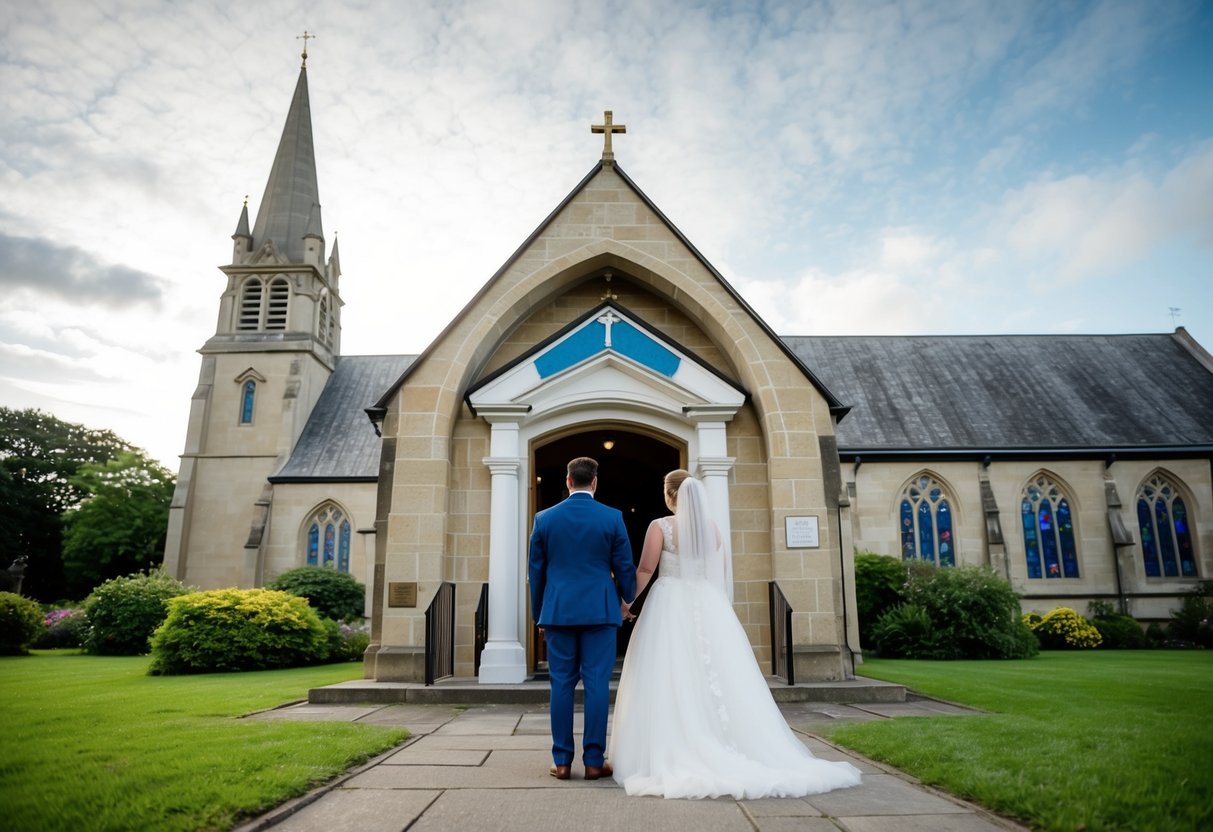
When planning to get married in a church without being christened, there are important personal and logistical factors to keep in mind. Understanding your faith, your connection to the parish, and any specific requirements of the church can help make the process smoother.
Religious Faith and Personal Beliefs
Your religious beliefs play a crucial role in this journey. If you have strong feelings towards a specific faith, it can guide your choices. The Church of England allows you to marry even if you haven’t been baptized.
If you wish to connect more with your religious beliefs, consider speaking with your vicar. They can explain the importance of baptism and the steps needed to get involved, such as attending church services. This can deepen your understanding and comfort in the faith as you prepare for your wedding.
Qualifying Connection to the Parish
A qualifying connection to the parish is often necessary for a church wedding. This means you should have a link, such as living in the parish or having a family member who does.
If you are unsure, consult your local vicar. They can clarify what qualifies as a connection and guide you through the process. Keep in mind that if you don’t have a direct connection, some churches allow couples to demonstrate intent to become more involved in parish life.
Catholic Church Wedding Requirements
If you are considering a Catholic wedding, you should know that the requirements can be more specific. First, you’ll likely need a baptism certificate, showing that you were baptized in a Catholic church.
Additionally, if you have not been confirmed, you may need to partake in preparatory classes. These classes cover essential aspects of the faith and sacramental marriage. The parish staff can assist you in finding these classes and understanding what else may be needed, like a confirmation certificate.
Make sure to connect with your local church for guidance specific to your situation.