
Can You Get Married Online in the UK for Free? Exploring Your Options
Getting married is an exciting milestone, and many couples are curious about how to make it happen without breaking the bank. If you’re wondering whether you can get married online in the UK for free, the answer is that while you can find affordable options, you generally can’t have a completely free online marriage.
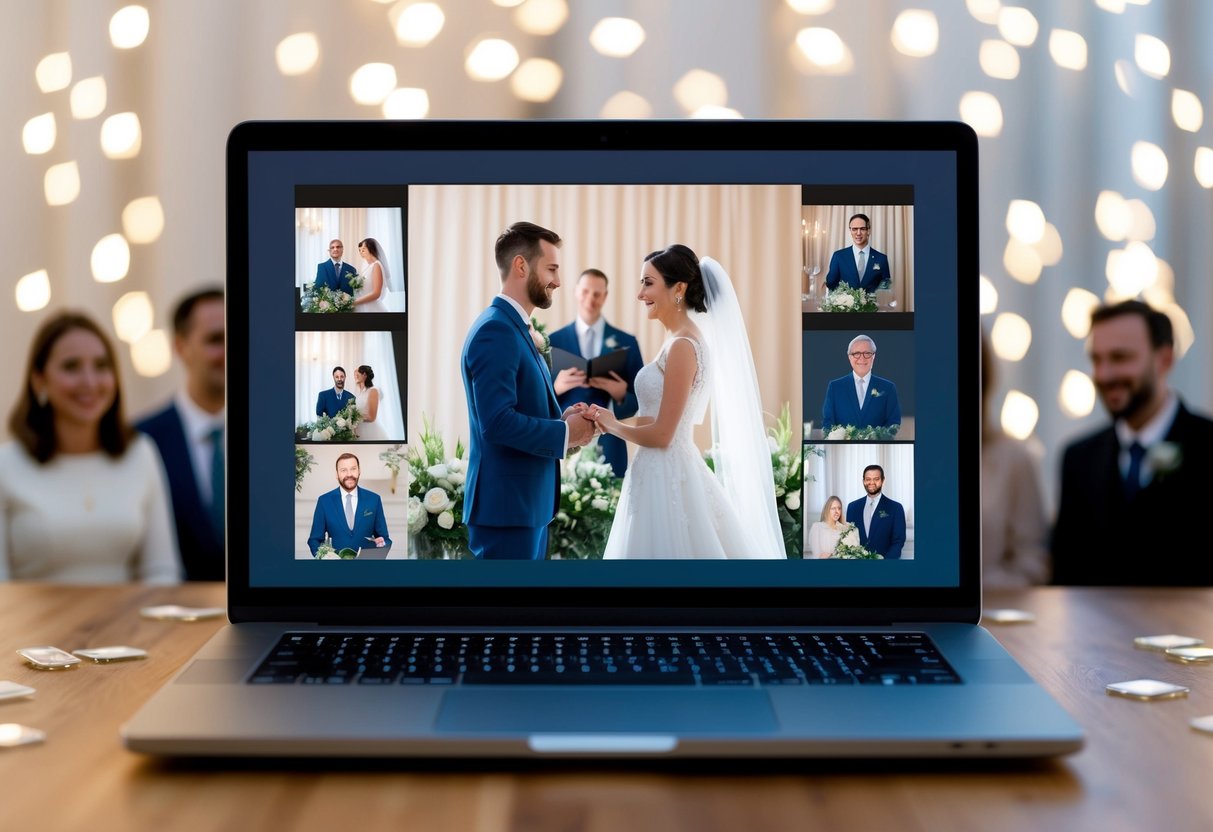
Online marriage in the UK has become more popular, especially for couples who might be in different locations. You can complete much of the process online, which adds convenience. However, you still need to fulfill certain legal requirements, which may involve costs such as application fees or licensing.
If you’re looking to keep your wedding costs low, you can explore budget-friendly options for your online marriage. Many platforms offer services at a reasonable price. Understanding the process can help you save money while ensuring that your marriage is legal and recognized in the UK.
Understanding UK Marriage Laws
In the UK, understanding marriage laws is essential for anyone planning to tie the knot. There are specific legal requirements you need to meet, whether you’re entering into a marriage or a civil partnership. Knowing the differences between civil and religious ceremonies is also important for your planning process.
Legal Requirements for Marriage and Civil Partnership
To get married or form a civil partnership in England and Wales, you must meet certain legal requirements. First, both partners must be at least 16 years old, though parental consent is required for those under 18. You will also need to provide proof of identity and nationality, often through a passport or a birth certificate.
You must give a notice of marriage to your local register office at least 28 days before the ceremony. This notice will remain valid for 12 months. If you are a British citizen, you may need to demonstrate your legal status if you are getting married to a non-British citizen.
Once everything is in order, you will receive a marriage certificate after your wedding. For civil partnerships, the process is similar, but you may encounter different formalities, particularly in Northern Ireland and Scotland.
Civil Ceremony vs. Religious Ceremony
When planning your wedding, you can choose between a civil ceremony or a religious ceremony. Civil ceremonies are conducted by a registrar and take place in registered venues like register offices. They focus on the legal aspects of marriage without religious elements. You have flexibility in personalizing vows, but the ceremony must follow legal criteria.
In contrast, religious ceremonies can be held in places of worship. They often include traditional rituals and are overseen by a religious officiant. If you are same-sex couples, many religious organizations are now affirming of same-sex marriage, but it’s wise to confirm beforehand.
For either ceremony type, you will need a marriage schedule issued by the register office. If you require a gender recognition certificate, this is important for same-sex couples. Make sure to follow all legal steps to ensure your wedding is fully recognized.
Online Marriage Process in the UK
Getting married online in the UK involves several important steps. You can legally marry online, but you need to understand the necessary procedures and certifications required.
Can You Legally Get Married Online?
Yes, you can legally get married online in the UK. To do this, you must follow specific rules set by the government. For a marriage to be valid, it must be performed by a qualified officiant and you both need to be present, whether in person or via a video platform.
The marriage must be registered in the relevant registry, depending on your location (England, Wales, Scotland, or Northern Ireland). Certain online platforms offer services to help facilitate this. Ensure to check if the platform is officially recognized to avoid any legal issues.
How to Obtain an Online Marriage Certificate
After your online marriage ceremony, obtaining your marriage certificate is the next step. You will need to register your marriage with your local registry office. In England and Wales, this typically involves submitting the necessary documents online or visiting in person.
Once registered, you can request a legal marriage certificate. This is your official proof of marriage. The process can often be done remotely, making it easier for couples who may not be able to visit the office in person. Make sure to check the specific requirements on gov.uk.
The Role of Virtual Wedding Ceremonies
Virtual wedding ceremonies have become popular, especially during recent times. They allow couples to marry even when they are apart. An online ceremony must include a qualified officiant who can oversee the marriage according to the law.
During the ceremony, you can invite friends and family to join via video call, making it a special event. After you exchange vows, ensure your marriage is processed according to legal requirements for it to be recognized officially. A valid marriage certificate will be essential for any future legal documentation.
Visas and Immigration for Marriage in the UK
When planning to get married in the UK, understanding visa options is essential. Depending on your situation, you may need a specific visa to enter the UK for marriage or to settle down afterward. Here are some key visa types and what you should know about your rights if you are an EU citizen.
Visa Types for International Couples and Ceremonies
If you are from outside the UK, there are several visa options available to you. The Marriage Visitor Visa allows you to enter the UK to get married or register a civil partnership. This visa is valid for six months and does not permit you to live in the UK afterward.
If you plan to stay after your wedding, consider applying for a Fiancé Visa. This visa is for those who intend to marry a British citizen or a person settled in the UK. You can stay for six months and must marry within that time.
After marriage, you can apply for a Spouse Visa, which allows you to live in the UK. To qualify, you need to meet certain financial and relationship criteria.
EU Settlement Scheme and Marriage Rights
If you are an EU citizen living in the UK, you might be eligible for the EU Settlement Scheme. This scheme allows EU citizens and their families to continue living in the UK after Brexit.
With Settled Status, you can stay in the UK indefinitely, while Pre-Settled Status gives you temporary permission with a path to Settled Status later. This status entitles you to the same rights as UK citizens, including getting married and applying for a family visa for your non-EU partner.
If you need further information on visa types, the UK government provides detailed resources on how to navigate the immigration process.
Choosing the Right Venue for Your UK Wedding
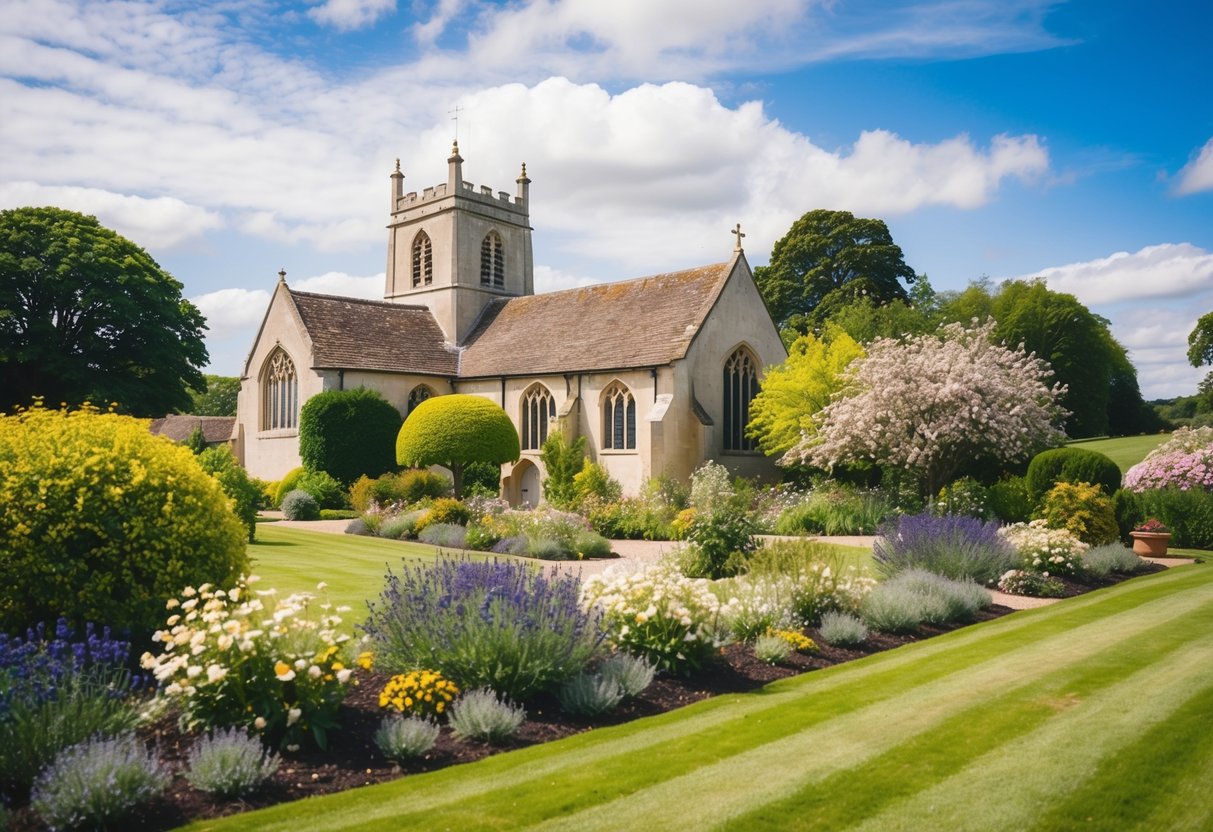
Selecting the right venue is a big part of planning your wedding. You’ll need to think about whether you want a civil ceremony or a religious ceremony, as these options have different rules and venues to consider.
Wedding Venues for Civil and Religious Ceremonies
For a civil ceremony, you can choose a wide range of venues. Approved places include registry offices, hotels, and even unique spots like castles or gardens. Just make sure to choose a venue that is licensed for weddings.
If you prefer a religious ceremony, you’ll need to book a venue that suits your faith. This could be a church, mosque, or other places of worship. Make sure to check the requirements with the officiant, as there may be specific rules to follow.
Popular venues can fill up quickly, so plan early. Also, consider the size of your guest list, as you’ll want everyone to fit comfortably. Lastly, choose a place that reflects your style and makes your day special!